Hair Extensions Care: How to Wash, Brush & Sleep on Extensions
How to care for hand-tied, tape-in and halo extensions, with washing, brushing, sleeping and heat rules from our Plano stylists, so your set lasts.
Reviewed by our stylists · updated 2026-08-21
Extensions aren't fragile, but they are unforgiving. Your natural hair gets constant repair support from your scalp; extension hair gets nothing but what you put on it, and every attachment point is a small stress point that good habits protect and bad habits destroy. The formula is simple: wash less and gently, brush from the ends up, sleep protected, keep heat and oil away from the attachment points, and keep your move-up appointments. Do that, and hand-tied, tape-in, and halo sets all live out their full lifespan.
Why Extension Hair Needs Different Care
Two things change the day you get extensions. First, the hair itself is no longer connected to a follicle, so it never receives the natural oils that keep your own lengths soft. It only gets drier over time unless you actively feed it moisture. Second, every weft, tape tab, and bead is a junction between extension hair and your natural hair, and anything that stresses that junction (tugging, sleeping wet, oily products on the adhesive) either damages your natural hair or sends the extension sliding down it.
Not sure which method you have, or which you want? Our comparison of hand-tied vs tape-in extensions covers how each attaches and who each suits best.
Washing: Cadence and Technique
Two to three washes a week, maximum. More than that dries out hair that can't replenish itself, and every wet-dry cycle works the attachment points.
The technique matters as much as the frequency:
- Brush first, every time. Detangle completely from ends to roots before your hair ever gets wet. Wet tangles become mats.
- Wash standing upright in the shower. Never flip your head over a sink or tub edge, because that folds the wefts and tangles hair around the attachment points.
- Shampoo the scalp, not the lengths. Use a gentle, sulfate-free formula that is hydrating but light, such as sap moss weightless hydration shampoo, and work it into your scalp with flat fingertips. Around wefts and tape, press and squeeze the lather through; don't scrub or circle.
- Condition from the ears down only. Mid-lengths and ends need it badly; roots and attachment points must never get it (more on that below).
- Rinse longer than you think you need to. Residue trapped at a weft line causes itching and buildup.
- Blot, don't wring. Squeeze water out with a soft towel, then get the attachment points fully dry with a blow-dryer on low, and never leave wefts or tape damp for hours.
Between washes, refresh at the roots instead of adding another wash day. A powder formula such as shampowder dry shampoo absorbs oil at the scalp without touching the adhesive or coating the lengths.
Moisture: The Non-Negotiable Step
Because extension hair has no oil supply, a leave-in is not optional. On every wash day, work a lightweight leave-in like nutriplenish leave-in conditioner through the mid-lengths and ends, starting below the attachment points, and comb it through. It keeps the hair soft, cuts brushing friction, and buffers the lengths against sun and dry air, which matters through a long Plano summer. Once or twice a week, add a deep conditioner or masque to the ends. Same rule every time: ears down, never at the roots.
Brushing: From the Ends, Around the Bonds
Brush two to three times a day: morning, night, and before any wash. Start at the ends and work upward in sections, holding the hair above where you're brushing so no tension reaches the attachment points. Use an extension-safe brush (a loop brush or a soft-bristle paddle) and slow down when you reach the bonds: brush up to them and over them gently, never yanking through them. At the roots, separate the bonds with your fingers every day or two so natural shed hair doesn't tangle around them.
Sleeping With Extensions
Nighttime is when most matting happens. Three habits prevent nearly all of it:
- Go to bed with dry hair. Completely dry, especially at the wefts and tape. Damp attachment points overnight mean matting, slipping, and stressed natural hair.
- Braid it or tie it low. A loose braid or low ponytail keeps eight hours of tossing from tangling the lengths.
- Sleep on silk or satin. Cotton pillowcases grab and rough up the hair; silk lets it slide. A silk bonnet works just as well if you prefer.
Heat Rules
Extension hair cannot regrow, so heat damage is permanent. Keep tools at a low-to-moderate setting, always apply a heat protectant first, and keep hot tools, including your dryer's hottest setting, away from tape tabs and bonds, because heat softens adhesive. Rough-dry the roots on low or cool, then style the lengths. Our heat styling and protection guide covers temperatures and technique in detail.
What to Keep Away From the Attachment Points
This is where good sets go bad. Oils, conditioners, masques, and anything silicone-heavy will break down tape adhesive and make beads and wefts slip, so all of it stays strictly below the attachment points. Oil itself is excellent for extensions in the right place: a few drops of nutriplenish multi-use hair oil on the bottom third smooths and seals dry ends. Ends only, always. The same caution applies to alcohol-heavy styling sprays at the roots and to clarifying treatments over the tape line; save those conversations for your stylist.
Move-Up Schedule and Honest Lifespan Expectations
Your natural hair grows about half an inch a month, carrying the attachment points down with it. Waiting too long between move-ups is the most common cause of matting and unnecessary stress on natural hair.
| Method | Maintenance visit | What the hair typically gives you |
|---|---|---|
| Hand-tied wefts | Move-up every 6–8 weeks | 6–12 months of wear with good care |
| Tape-in | Move-up (re-tape) every 6–8 weeks | Hair re-tapes for 2–3 installs |
| Halo | No install, so no move-ups | Often a year or more, since it comes off daily |
The halo is the outlier: because it's worn, not attached, it skips the move-up cycle entirely and avoids sleeping and showering altogether, and we've written more about who the halo suits. Whichever method you wear, the ranges above assume the care in this guide; skip the routine and even premium hair wears out in a fraction of the time. For a deeper walkthrough of the day-to-day, see our full post on how to maintain hair extensions.
Mistakes That Shorten a Set's Life
- Sleeping on wet hair. The number-one cause of matting at the wefts.
- Washing upside down or daily. Tangles the attachment points and dries out the hair.
- Conditioner or oil at the tape and bonds. Adhesive breaks down, extensions slip.
- Ripping a brush from roots to ends. Ends first, always, with the bonds supported.
- Skipping move-ups. Grown-out attachment points twist, mat, and pull on natural hair.
- Skipping leave-in. Extension hair with no added moisture turns dry and tangly fast.
Give the routine two weeks and it becomes automatic, a few extra minutes a day in exchange for months more wear. If your set is tangling at the roots, feeling dry no matter what you do, or overdue for a move-up, come see us: our extension stylists can reset the foundation and get your hair back on schedule.
What we recommend from Aveda
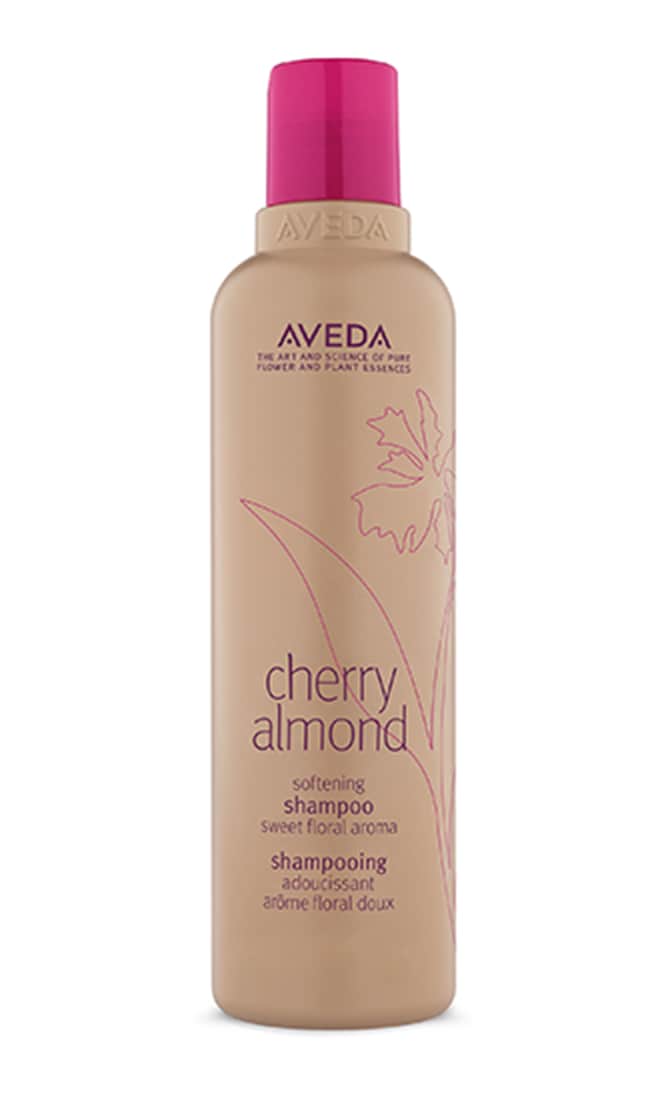
cherry almond
Cherry Almond Softening Shampoo
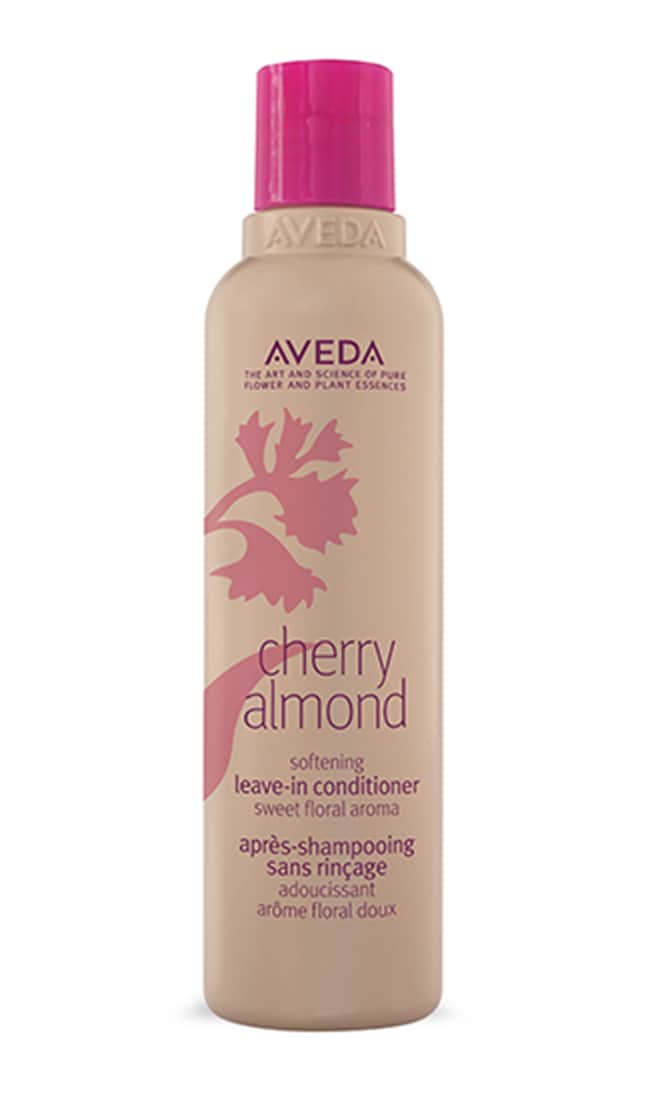
cherry almond
Cherry Almond Softening Leave In Conditioner
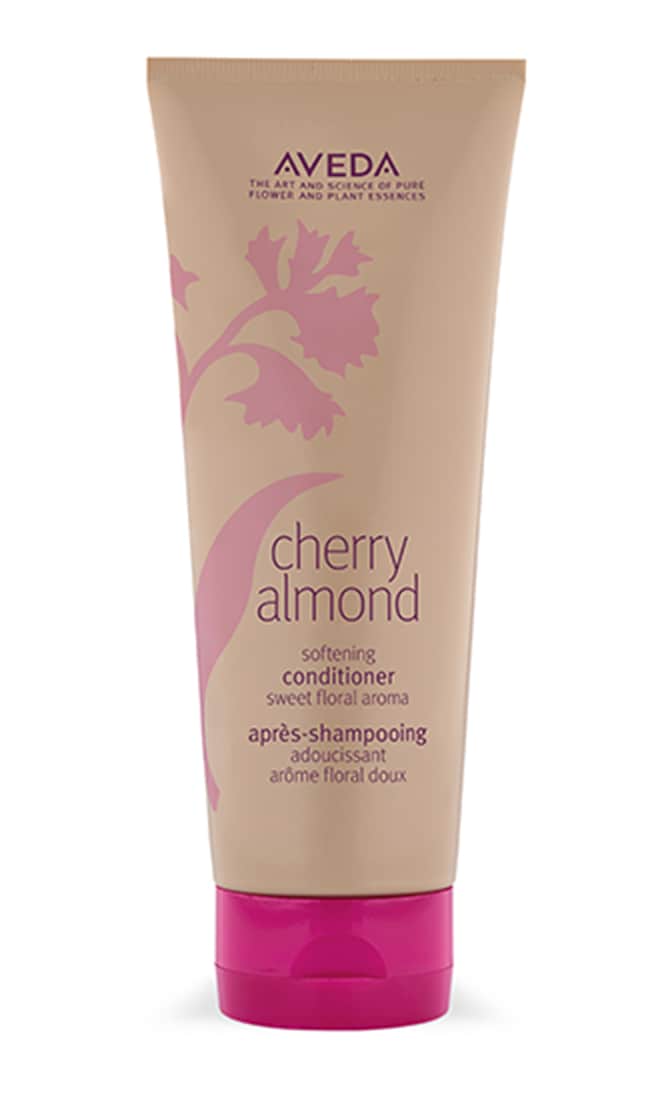
cherry almond
Cherry Almond Softening Conditioner
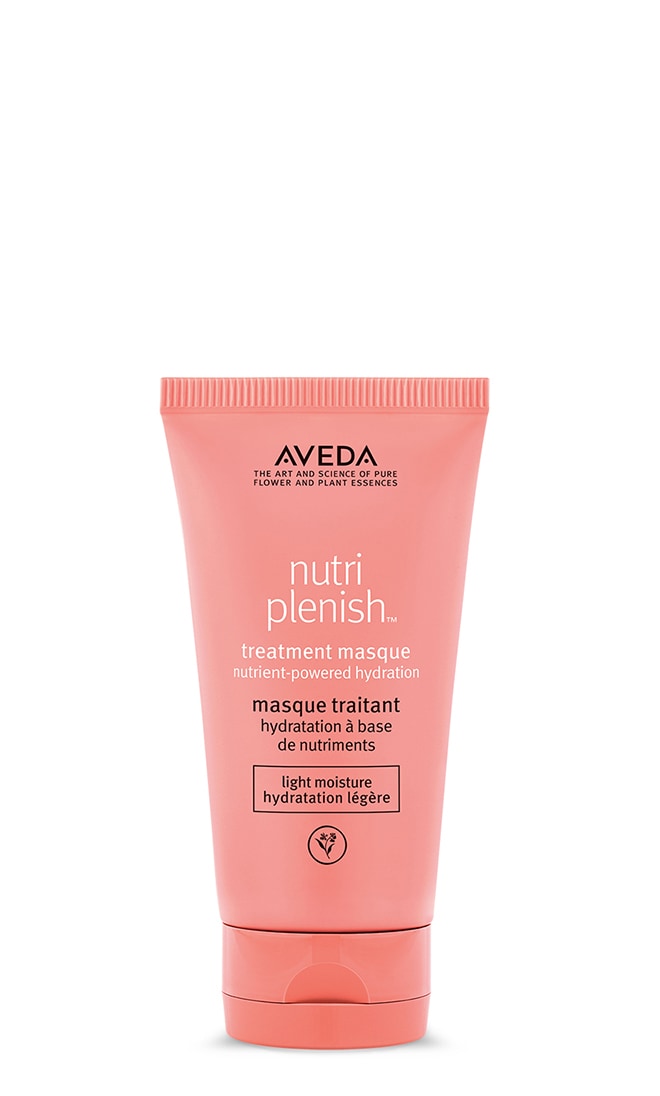
nutriplenish™
Nutriplenishtm Treatment Masque Light Moisture
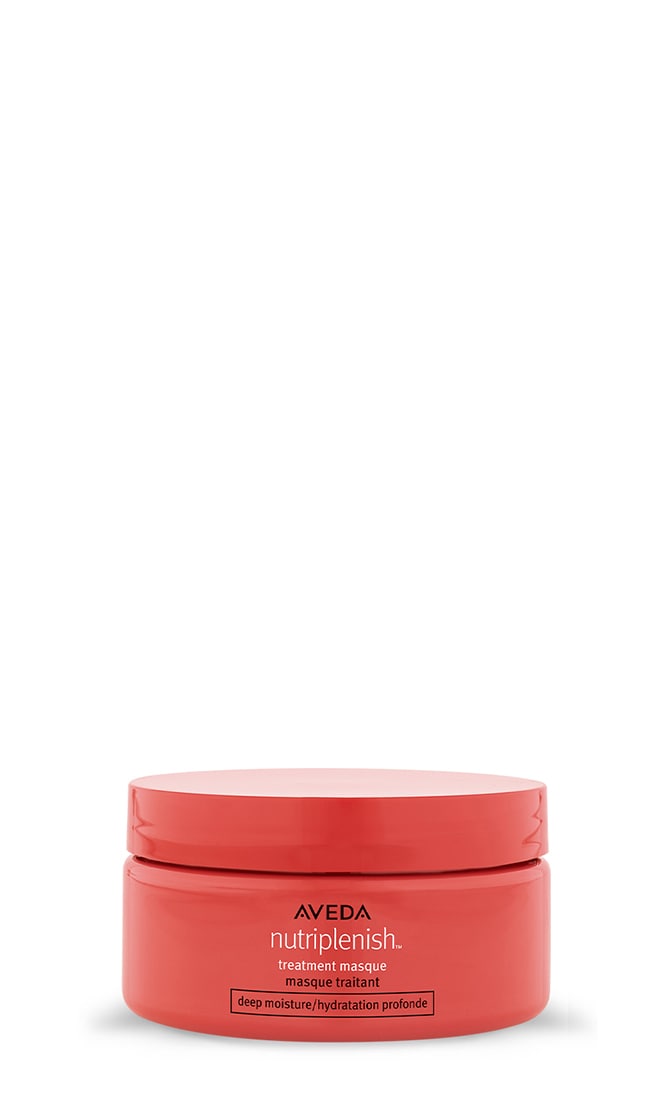
nutriplenish™
Nutriplenishtm Treatment Masque Deep Moisture
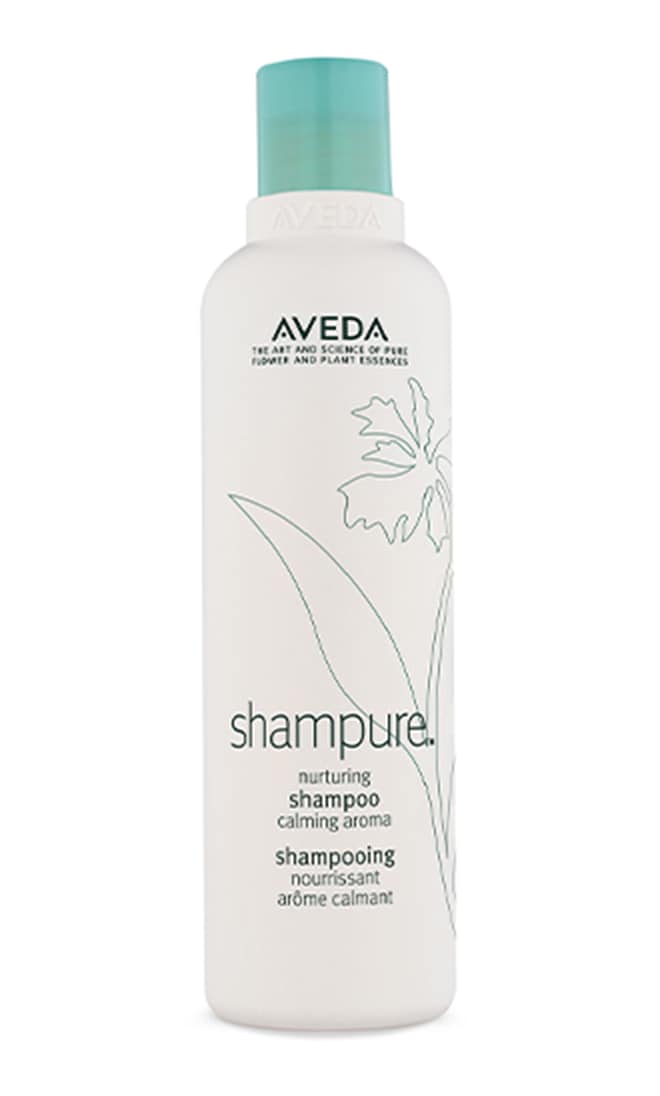
shampure™
Shampure Nurturing Shampoo
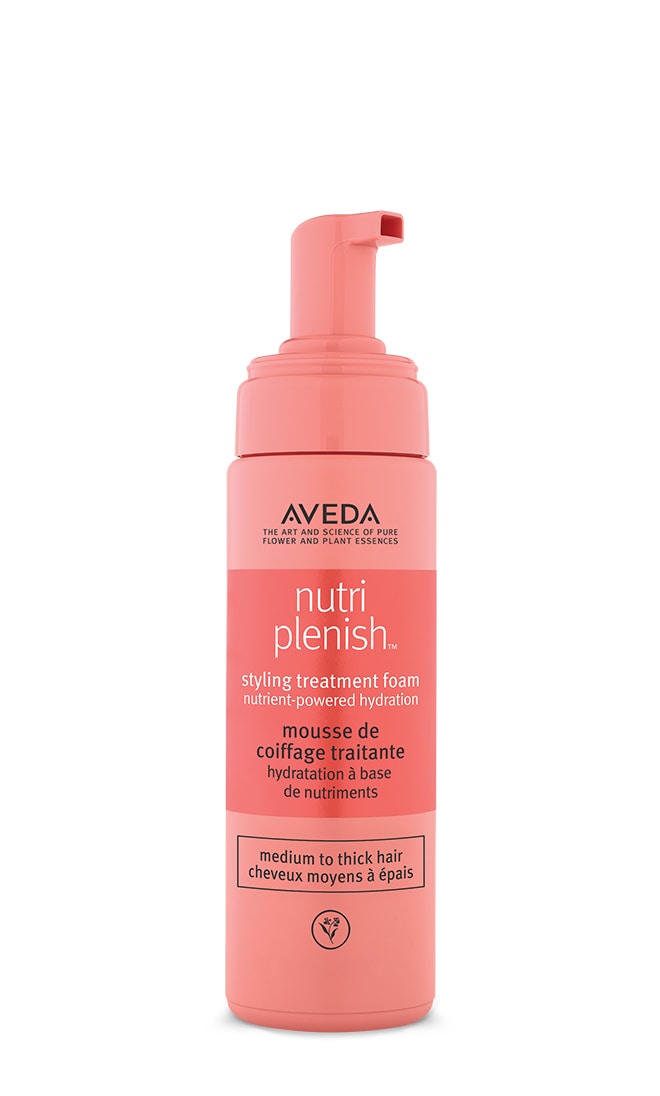
nutriplenish™
Nutriplenishtm Styling Treatment Foam
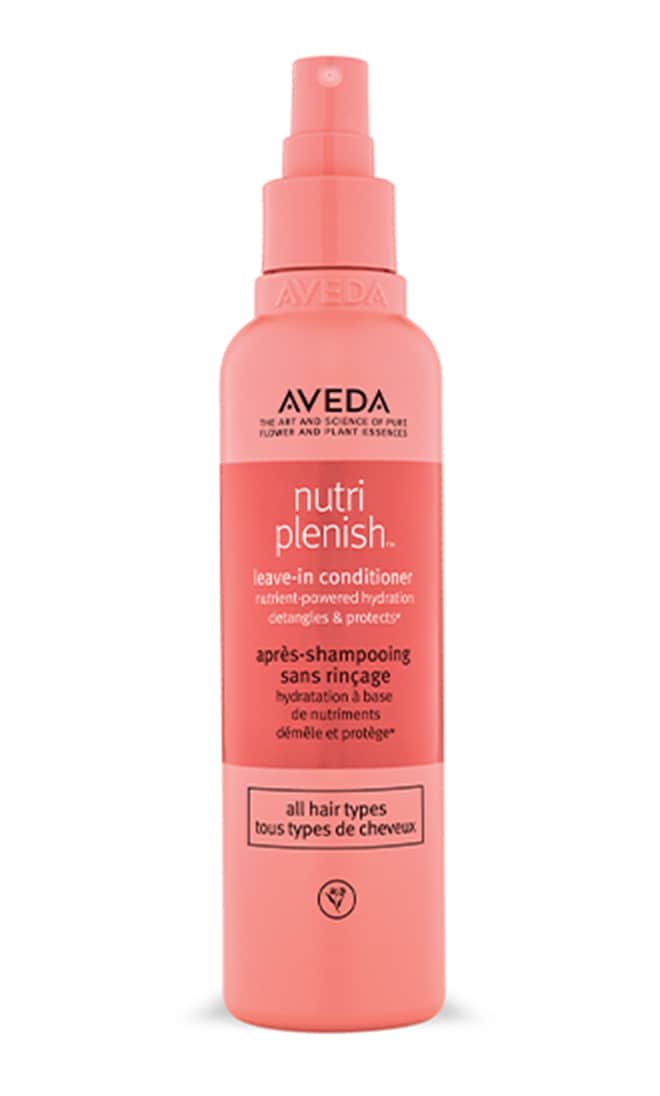
nutriplenish™
Nutriplenishtm Leave In Conditioner
Purchases made through these links support Lee Graves Salon through Aveda's A-Commerce program. Prices shown were checked on 2026-08-20; the current price always appears at aveda.com.
Common questions
How often should I wash my hair with extensions?
Two to three times a week, no more. Extension hair has no oil supply of its own, so over-washing dries it out fast, and constant wet-dry cycles stress the attachment points. Brush thoroughly before you wash, shampoo standing upright in the shower, focus the lather on your scalp, and press rather than scrub around wefts and tape. Between washes, dry shampoo at the roots keeps you fresh.
How long do hand-tied and tape-in extensions last?
Plan on a move-up every six to eight weeks for both as your natural hair grows out. The hair itself is the bigger investment: well-cared-for hand-tied wefts typically wear six months to a year, and tape-in hair is usually re-taped for two to three installs. Care is the variable, and the routines on this page are what separate a set that lasts from one that doesn't.
Can I sleep with wet extensions?
No. This is the fastest way to ruin a set. Wet wefts and bonds that stay damp overnight can mat, tangle, slip, and stress your natural hair at the attachment points. Always dry your attachment areas completely before bed, even if you let the lengths air-dry earlier. Then braid loosely or tie a low ponytail and sleep on silk or satin.
Can I use hot tools on my extensions?
Yes, with rules. Extension hair can't recover from heat damage the way growing hair can, so always use a heat protectant, keep tools at a low-to-moderate setting, and never let a hot tool touch tape tabs or bonds, because heat softens the adhesive and weakens the attachment. Blow-dry the roots on low or cool, and save the hotter passes for the lengths.
Why do my extension ends feel dry and tangly?
Because extension hair gets no natural oil from your scalp, whatever moisture you put in is all it has. Skipping leave-in conditioner, sleeping on cotton, heat styling without protectant, and mineral-heavy North Texas water all compound the problem. A leave-in on every wash day, oil on the ends only, and a silk pillowcase usually turn dry, tangly ends around within a few weeks.
From our blog
- How Much Do Hair Extensions Cost in Dallas?
What hair extensions cost in the Dallas area: hand-tied from $1,500, tape-in from $800, move-ups from $350, and what the first year really adds up to once maintenance is included.
- How Often Do Hair Extensions Need Maintenance?
Hand-tied every 6-8 weeks, tape-in every 6-8 weeks, keratin bond every 3-4 months. Why the schedule exists, what happens at the appointment, and what going late actually costs you.
- Hand-Tied vs Tape-In vs Keratin Bond: Which Is Best for Fine Hair?
A method-by-method comparison for fine and thinning hair: how each attachment distributes weight, which shows through, and what we actually recommend at consultation.
- What Happens at a Free Hair Extension Consultation?
A step-by-step walkthrough of the complimentary extension consultation: the hair assessment, color matching, method recommendation, written quote, and why you can't install the same day.
- Hair Extensions for a Dallas Wedding: The Timeline That Works
When to book extensions before a Dallas wedding, why you want a move-up and a trial before the day, which method suits updos, and how extensions fit around bridal hair.
- Beaded Weft Extensions Explained: What They Are and Who They Suit
What a beaded weft actually is, how it differs from a machine weft and a sew-in, why the beads are silicone-lined, and who the method suits. Serving Dallas, Plano and Carrollton.
Want this dialed in for your hair specifically?
Book with us in Plano at (972) 378-0091 and leave with a routine that fits your hair, your schedule and your budget.