Beaded Weft Extensions Explained: What They Are and Who They Suit
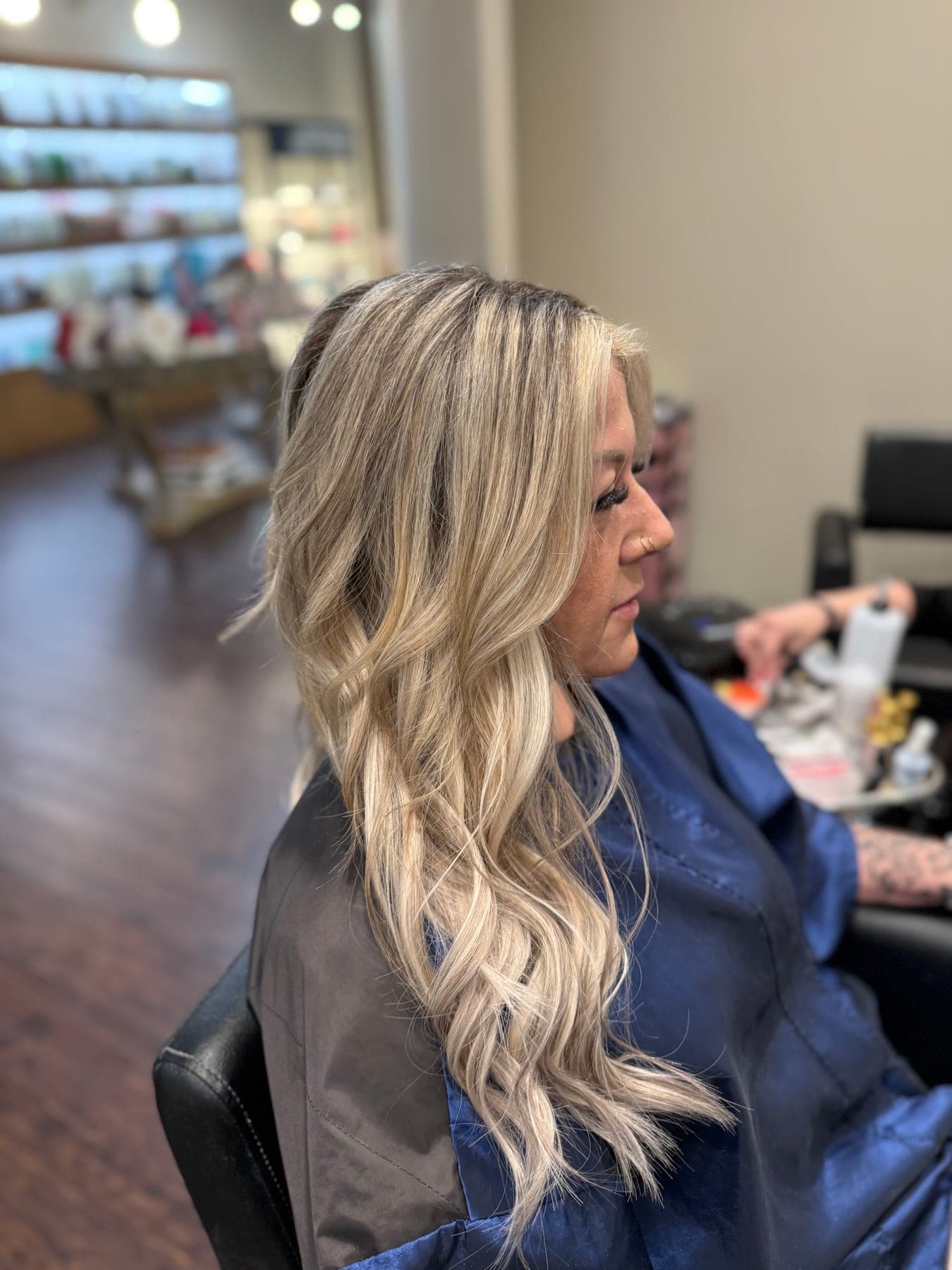
"Beaded weft" is one of those terms people search for after hearing it at a salon without ever getting a straight explanation of what it means. It is worth understanding, because it describes the most important part of the whole install: the foundation.
What a Beaded Weft Actually Is
Break the phrase in half and it explains itself.
Weft is the hair. It is a curtain of hair strands joined along a top edge, so it hangs as a continuous piece rather than as loose strands.
Beaded is how that weft is attached. Small silicone-lined beads are clamped along a horizontal section of your own hair. A thread is then woven through those beads, creating a taut, secure anchor line. The weft is sewn onto that thread.
The result is a row of hair attached to a thread attached to beads attached to your hair. Nothing is glued. Nothing is heated. The entire attachment is mechanical.
Why the Beads Are Silicone-Lined
A bare metal bead would grip your hair directly. The silicone lining sits between the two, cushioning the hair inside the bead and cutting friction at the attachment point.
It also means the bead does not have to be clamped as aggressively to hold position. Less clamping force on the hair is the whole point.
Beaded Weft vs. Hand-Tied: Same Thing?
Nearly. They describe different halves of the same service, which is why you see them used interchangeably around DFW.
Beaded weft = the foundation method. Hand-tied = how the weft itself was made.
A hand-tied weft is tied by hand rather than machine-sewn, which makes it dramatically thinner and lighter than a machine weft. Thinner weft, flatter row, better concealment.
When we say hand-tied extensions at Lee Graves Salon, we mean hand-tied wefts on a beaded row. Both halves.
Beaded Weft vs. a Traditional Sew-In
Both involve sewing hair onto a foundation. The foundation is the difference.
A traditional sew-in stitches wefts onto braided cornrows. Your hair has to be braided flat first, and that braid holds tension continuously for as long as the hair is in.
A beaded weft replaces the braid with a bead-and-thread row. No braiding, a much flatter result, and far less sustained tension on the scalp.
Who Beaded Wefts Suit
- Fine hair. A row spreads the weight of the weft across a whole horizontal section, so no individual strand carries much. This is the main reason we recommend it for fine hair.
- Anyone wanting real length. Rows carry enough hair for a significant length change without looking thin at the ends.
- Anyone who wears their hair up. Because the row lies flush rather than hanging off individual attachments, it stays hidden in ponytails and updos. This is why it is the bridal recommendation.
- Anyone growing out a short cut. Rows bridge the awkward phase rather than waiting it out.
They are not right if your natural hair is shorter than about five to six inches, if you have hair loss at the scalp level, or if you have certain scalp conditions. You will hear that honestly at your complimentary consultation rather than after the install.
What the Appointment Involves
Most clients need two to four rows. A full head takes two to three hours, including the custom cut and blend at the end.
Your consultation is a separate thirty-minute appointment roughly one to two weeks earlier, because your hair is color-matched and ordered after we see you.
The Maintenance Reality
Beaded weft rows need a move-up every six to eight weeks. The row is taken down, your natural hair is washed, detangled and checked, and the same wefts go back in closer to the scalp.
This is not optional and it is not a sales cadence. As the row travels away from the scalp, the pull angle changes and shed hair collects and mats at the base. That combination is what causes breakage — not the beads, not the weft, the calendar.
Kept on schedule, a beaded weft install is one of the gentler things you can do to your hair, because unlike color it involves no chemical process on your own strands at all.
What They Cost
| Service | Starting Price |
|---|---|
| Hand-tied beaded weft full installation (includes hair) | $1,500 |
| Move-up appointment | $350 |
| Additional wefts / rows | Varies |
The hair is reused through move-ups for nine to twelve months. Full detail on the extensions pricing page.
Book a Free Consultation
Whether a beaded weft row is right for you comes down to your density, and that has to be assessed in person. Our extension consultations are complimentary, take about thirty minutes, and carry no obligation.
Call (972) 378-0091 or book online. Lee Graves Salon, 6101 Chapel Hill Blvd, Suite 103, Plano, TX 75093, with free parking directly in front of the building. We see extension clients from across Dallas, Plano, Carrollton, Richardson, Frisco and Allen.
Comparing methods? Read hand-tied vs. tape-in extensions or our guide to the best extension method for fine hair.
Products for this
cherry almond
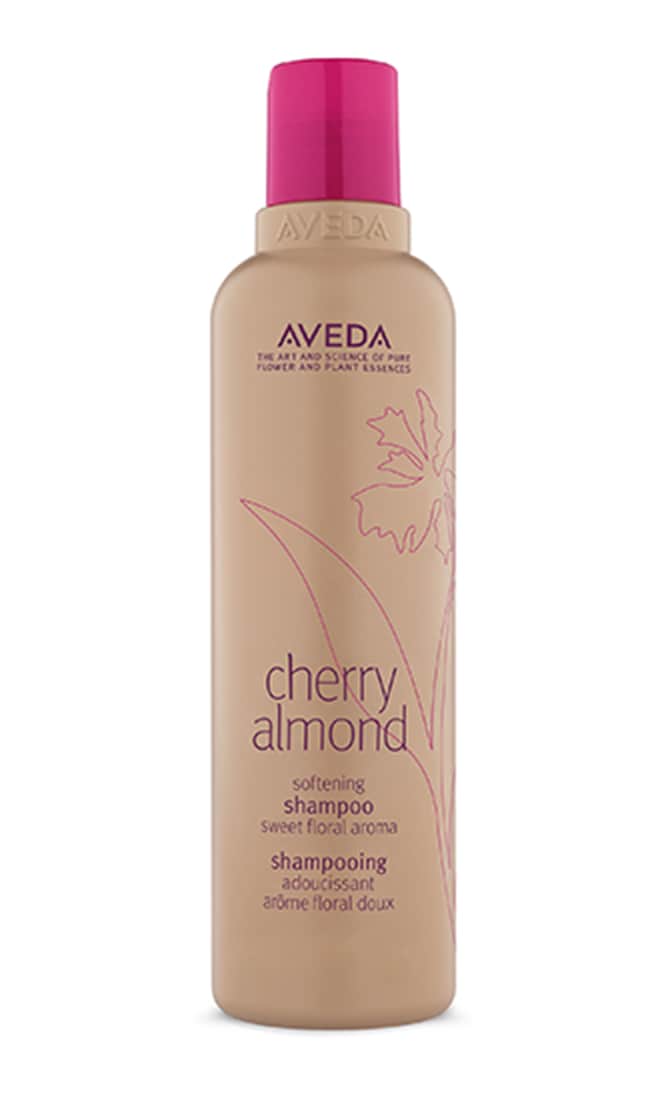
Cherry Almond Softening Shampoo
cherry almond
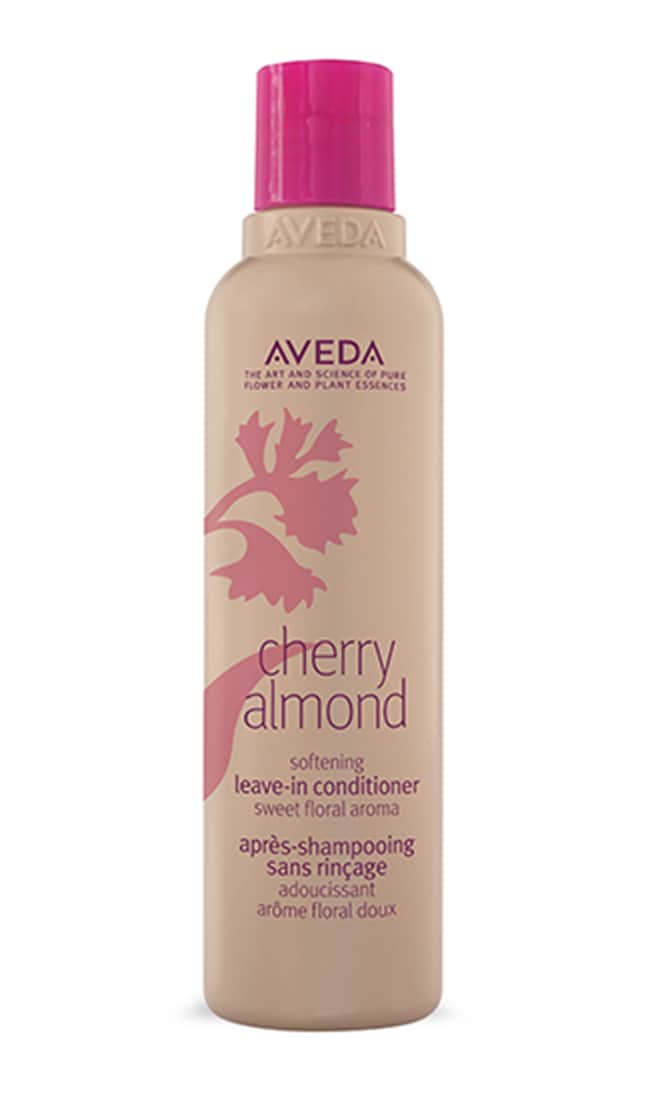
Cherry Almond Softening Leave In Conditioner
cherry almond
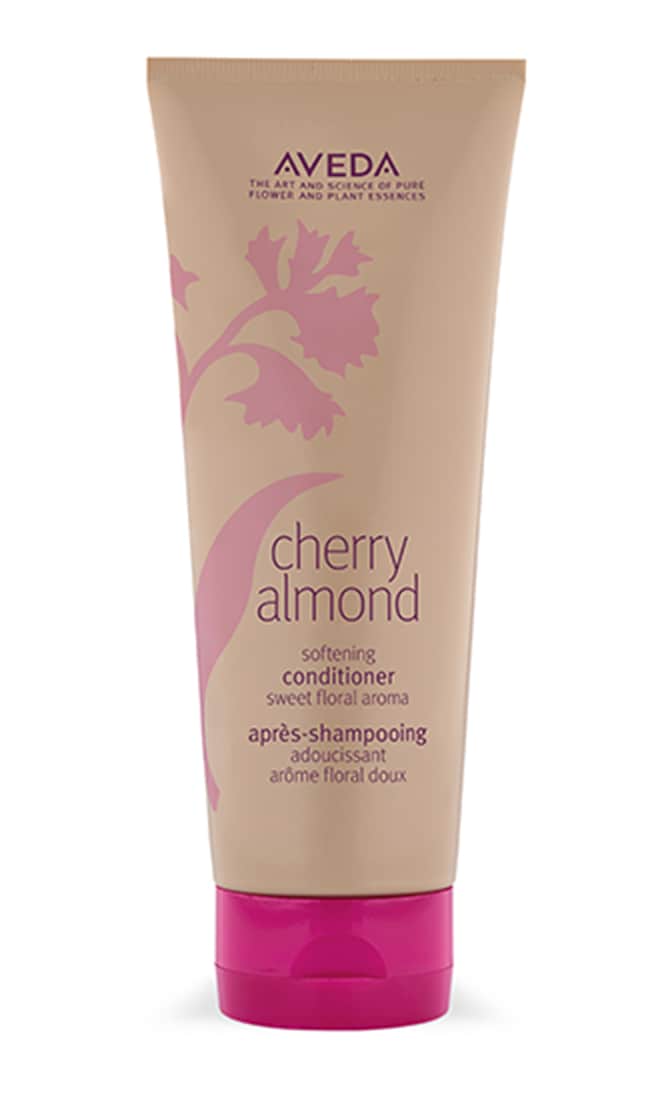
Cherry Almond Softening Conditioner
Purchases made through these links support Lee Graves Salon through Aveda's A-Commerce program. Prices shown were checked on 2026-08-20; the current price always appears at aveda.com.
Ready to Get Started?
Book an appointment or call us for a personalized consultation.
Related Articles
How Much Do Hair Extensions Cost in Dallas?
What hair extensions cost in the Dallas area: hand-tied from $1,500, tape-in from $800, move-ups from $350, and what the first year really adds up to once maintenance is included.
How Often Do Hair Extensions Need Maintenance?
Hand-tied every 6-8 weeks, tape-in every 6-8 weeks, keratin bond every 3-4 months. Why the schedule exists, what happens at the appointment, and what going late actually costs you.
Hand-Tied vs Tape-In vs Keratin Bond: Which Is Best for Fine Hair?
A method-by-method comparison for fine and thinning hair: how each attachment distributes weight, which shows through, and what we actually recommend at consultation.