How to Make Your Hair Extensions Last: Complete Care Guide
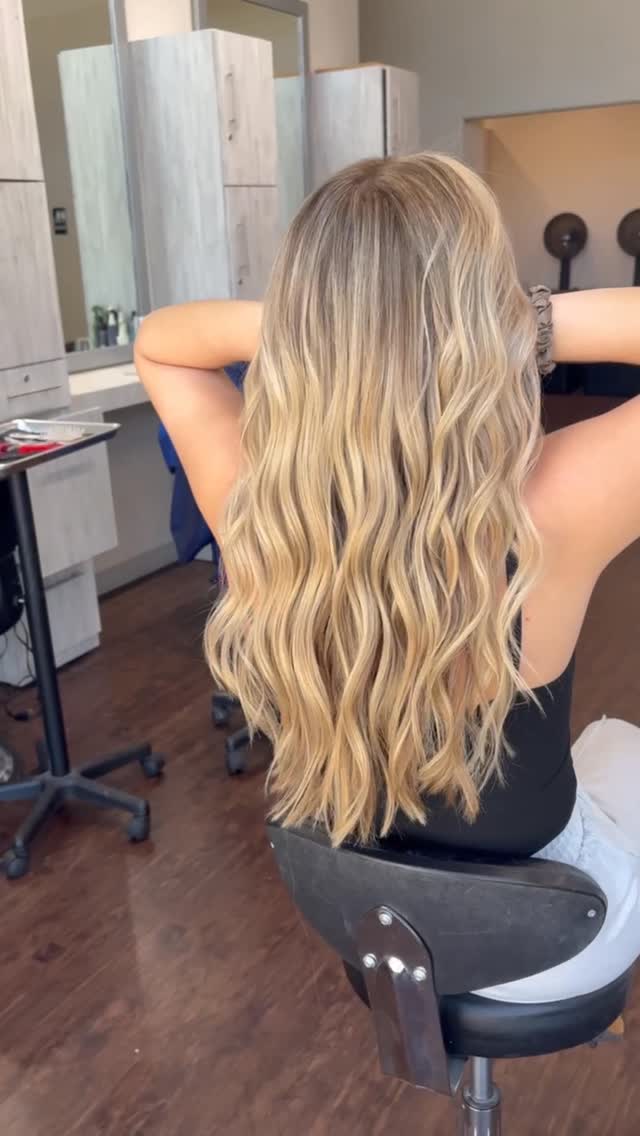
Hair extensions are an investment. Whether you chose hand-tied, tape-in, or another method, you've committed time, money, and trust in your stylist to achieve the look you wanted. Now the question becomes: how do you make them last?
The lifespan of your extensions depends almost entirely on how you care for them at home between salon appointments. Proper maintenance keeps the hair soft, tangle-free, and natural-looking for months. Poor maintenance leads to matting, tangling, slipping, and premature replacement.
This guide covers every aspect of at-home extension care, from daily brushing to sleeping to swimming, so you get the maximum life and beauty from your investment.
Daily Brushing: The Most Important Habit
If you only follow one piece of advice from this entire guide, make it this: brush your extensions properly, every single day.
Extensions don't receive natural oils from your scalp the way your biological hair does. Without those oils, the hair dries out faster, tangles more easily, and mats at the attachment points. Daily brushing distributes whatever oil is present, prevents tangles from forming, and keeps the extensions moving freely.
The Right Brush
Not all brushes are safe for extensions. The wrong brush can snag attachment points, pull out bonds, or rip through tangled hair.
Use a loop brush (also called an extension brush). These brushes have looped bristles that glide through hair without catching on bonds, tapes, or wefts. They detangle gently without pulling on the attachment points.
Avoid:
- Brushes with ball-tipped bristles (they catch on bonds)
- Fine-tooth combs (they snag and pull)
- Round brushes through the attachment area (they wrap around bonds)
- Wet brushes with rigid bristles near the roots
The Right Technique
- Start at the ends. Hold the hair in one hand about mid-shaft and brush through the ends first, working out any tangles.
- Work upward gradually. Once the ends are tangle-free, move up to the mid-lengths and brush through.
- Be gentle near attachment points. When you reach the area near bonds, tapes, or wefts, brush carefully around them, never through them. Use your fingers to gently separate any hair that's wrapping around the attachment.
- Brush before bed and after waking up. These are the two non-negotiable brushing sessions. The before-bed session prevents overnight tangling, and the morning session addresses any tangles that formed while you slept.
How Often
Brush your extensions at least twice a day, morning and night. If your hair is long, fine, or prone to tangling, add a mid-day session. It takes 2-3 minutes and prevents problems that take much longer to fix.
Washing: Less Is More
One of the biggest adjustments for new extension wearers is washing less frequently. Extensions don't get oily the way your natural hair does because the scalp's oil production doesn't reach the extension hair. Washing too often strips the hair of moisture it can't naturally replace.
How Often to Wash
Every 2-3 days is the ideal washing frequency for most extension wearers. If you work out daily or live in a hot, humid climate like North Texas, you may need to wash every other day, but try to avoid daily washing.
Between washes:
- Use dry shampoo at the roots to absorb oil
- Rinse with water only after workouts (skip the shampoo)
- Refresh the ends with a light leave-in conditioner spray
Washing Technique
How you wash matters as much as how often:
- Brush thoroughly before getting in the shower. Wet, tangled extensions are extremely difficult to detangle without causing damage.
- Use lukewarm water: not hot. Hot water dries out extension hair and can weaken adhesive on tape-in extensions.
- Apply shampoo to the scalp only. Massage your scalp with your fingertips (not your nails) in a vertical motion, up and down, not circular. Circular scrubbing motions tangle the hair around attachment points.
- Let the shampoo rinse through the lengths. Don't pile hair on top of your head and scrub. The suds running down through the lengths are enough to clean the extension hair.
- Apply conditioner to the mid-lengths and ends only. Keep conditioner away from attachment points, because it can cause tape-ins to slip and weaken bond adhesives.
- Rinse thoroughly with cool water to seal the cuticle.
- Gently squeeze excess water out with your hands. Never wring, twist, or rub extensions with a towel.
- Wrap in a microfiber towel or cotton t-shirt to absorb remaining moisture. Regular terry cloth towels create friction that causes tangling and frizz.
Products to Use and Avoid
Use:
- Sulfate-free shampoo (sulfates strip moisture from extension hair)
- Lightweight conditioner (avoid heavy, oil-based conditioners near roots)
- Leave-in conditioner spray for the ends
- Extension-specific products recommended by your stylist
Avoid:
- Shampoos with sulfates, parabens, or alcohol
- Heavy masks or oils near attachment points
- Clarifying shampoo (too stripping for extension hair)
- Purple or color-depositing shampoos unless your stylist specifically recommends them (these can stain lighter extension hair)
- Any product with high alcohol content (it dries out the hair)
Sleeping: Protect Your Extensions Overnight
The hours you spend sleeping are when most extension damage happens. Tossing and turning tangles hair, cotton pillowcases create friction that roughs up the cuticle, and pressing your face into the pillow can stress attachment points.
How to Sleep with Extensions
- Brush your hair thoroughly before bed. This is non-negotiable. Going to bed with tangles means waking up with mats.
- Braid your hair in a loose braid. A single loose braid or two loose braids are the best sleeping styles for extensions. They keep the hair contained without pulling on attachment points. Don't braid too tightly, because you want to prevent tangling, not stress the bonds.
- Use a silk or satin pillowcase. Silk and satin create dramatically less friction than cotton. Your hair slides across the surface instead of catching and tangling. This single change can extend the life of your extensions significantly.
- Never go to bed with wet hair. Wet extensions tangle faster than dry ones, and sleeping on wet bonds or tape can weaken adhesives. If you wash your hair in the evening, blow-dry at least the attachment points and the top few inches of the extensions before bed.
- Consider a silk bonnet or hair wrap if you're a restless sleeper or if braiding isn't comfortable.
Heat Styling: Proceed with Caution
You can heat style most hair extensions, but the rules are different than styling your natural hair. Extension hair, even high-quality human hair, doesn't repair itself. Once heat damage occurs, the affected section stays damaged until the hair is replaced.
Temperature Limits
- Fine or light-colored extensions: Stay at or below 300 degrees Fahrenheit (150 degrees Celsius)
- Medium-texture extensions: Stay at or below 350 degrees Fahrenheit (175 degrees Celsius)
- Thick or coarse extensions: Maximum 375 degrees Fahrenheit (190 degrees Celsius)
- Synthetic extensions: Many cannot be heat styled at all. Check with your stylist before using any hot tools on synthetic hair.
Heat Styling Best Practices
- Always use a heat protectant spray before any heat styling. Apply to dry hair, focusing on the sections you'll be styling.
- Use a single pass technique. Clamping and re-clamping the same section multiple times multiplies the damage. Set your tool at the right temperature and pass through once.
- Avoid heat near attachment points. Keep flat irons, curling irons, and blow dryer heat directed away from bonds, tapes, and wefts. Direct heat on adhesives can cause slipping and failure.
- Reduce heat styling frequency. The less you use hot tools, the longer your extensions will look and feel new. Embrace air-drying, heatless curls, and natural texture days.
- Invest in quality tools. Professional-grade flat irons and curling irons with ceramic or titanium plates distribute heat more evenly, reducing hot spots.
Consider booking a blowout and styling service for special events rather than heat styling at home. Professional stylists know how to achieve maximum results with minimum heat exposure.
Swimming with Extensions
Swimming is one of the most damaging activities for hair extensions. Chlorine, saltwater, and sun exposure combine to dry out, tangle, and discolor extension hair. But with preparation, you can enjoy the pool and the beach without destroying your extensions.
Before Swimming
- Braid your hair in a tight, secure braid to minimize tangling
- Wet your hair with fresh water before getting in, because saturated hair absorbs less chlorine and salt
- Apply a leave-in conditioner or coconut oil as a protective barrier
- Wear a swim cap if you're a regular swimmer (this is the most effective protection)
After Swimming
- Rinse immediately with fresh, clean water
- Apply conditioner to the lengths and ends
- Gently brush with your loop brush once dry enough to detangle
- Wash with sulfate-free shampoo within a few hours of swimming
What to Avoid
- Don't sit in a hot tub for extended periods, because the combination of heat, chlorine, and jets tangles extensions severely
- Don't let hair air-dry after pool or ocean water without rinsing first, because salt and chlorine crystallize on the hair as it dries, causing dryness and breakage
- Don't dive or do underwater flips: the sudden movement tangles extensions at the roots
What to Avoid: The Extension Killers
These are the habits and products that shorten extension life the most:
Products
- Dry shampoo at the attachment points: it creates buildup that weakens bonds and causes slipping
- Oil-based products at the roots: oil dissolves adhesives on tape-in extensions and can weaken other bond types
- Alcohol-based products: they dry out extension hair aggressively
- Color-depositing products: they can stain extensions, especially lighter shades
Habits
- Skipping daily brushing: the single fastest path to matting and tangling
- Sleeping with wet hair: weakens adhesives and causes severe tangling
- Scrubbing in circular motions when washing: tangles hair around attachment points
- Pulling ponytails tight: stresses attachment points and can cause slippage or breakage
- Using elastic hair ties: they snag and pull. Use silk scrunchies or spiral hair ties instead
- Ignoring maintenance appointments: extensions need professional maintenance on a schedule
Product Recommendations
At Lee Graves Salon, we recommend professional products specifically designed for hair extensions:
- Sulfate-free shampoo: gentle cleansing without stripping moisture
- Lightweight conditioner: hydration without weighing hair down or loosening bonds
- Leave-in conditioner spray: daily moisture for the mid-lengths and ends
- Heat protectant: essential before any heat styling
- Extension-safe dry shampoo: for freshening roots between washes (keep away from attachment points)
- Silk or satin pillowcase: not a product, but possibly the most impactful purchase you'll make for your extensions
Ask your stylist for specific brand recommendations at your installation or maintenance appointment. They'll recommend products based on your extension type, hair texture, and lifestyle. If you prefer to shop from home, Aveda's sulfate-free shampoos and lightweight conditioners are available through our salon storefront, and orders through those links are credited to Lee Graves Salon.
Maintenance Appointment Schedule
Professional maintenance is not optional. It's part of the extension commitment. Here's what to expect:
| Extension Type | Maintenance Interval | What's Done |
|---|---|---|
| Hand-tied extensions | Every 6-8 weeks | Move-up (reposition wefts as hair grows), tighten beads, trim blending layers |
| Tape-in extensions | Every 6-8 weeks | Remove tapes, re-apply with new adhesive, trim and blend |
| Fusion/keratin bond | Every 3-4 months | Full removal and reinstallation |
| Clip-in extensions | No salon maintenance | At-home washing and conditioning |
Do not skip maintenance appointments. As your natural hair grows, the attachment points move farther from your scalp. This creates leverage that pulls on your natural hair, potentially causing traction alopecia (hair loss from sustained tension). Maintenance appointments reposition the extensions to a safe, comfortable distance from the scalp.
For details on the different extension methods we offer and their pricing, visit our hair extensions services page. You can also read our hand-tied vs tape-in comparison and our guide to hair extension costs in Plano.
Signs It's Time for New Extension Hair
Even with perfect care, extension hair has a finite lifespan. Here's how to know when it's time for fresh hair:
The Hair Feels Dry No Matter What You Do
When deep conditioning, leave-in treatments, and oils no longer restore softness, the cuticle layer of the extension hair has worn down beyond recovery. The hair will feel rough, straw-like, and perpetually dry.
Tangling Becomes Constant
New extensions detangle easily with a loop brush. As extensions age, they tangle more frequently and more severely. When you're spending significant time every day fighting tangles, even after a fresh wash and condition, the hair is nearing the end of its life.
The Ends Look Thin or Wispy
Extension hair sheds gradually over time. You won't notice it day to day, but over months, the ends become noticeably thinner and wispier. When the ends look scraggly despite trims, it's time for new hair.
The Hair Won't Hold a Style
Fresh extension hair holds curls, waves, and sleek styles well. Aging extension hair loses its ability to hold a style. Curls drop within hours, blowouts fall flat, and texture sprays don't seem to work anymore.
Color Doesn't Match Anymore
If your natural hair color has changed (seasonally or through salon services) and the extensions no longer blend seamlessly, it may be more practical to invest in new hair that matches your current color rather than trying to color the existing extensions.
Typical Extension Hair Lifespan
| Extension Type | Typical Hair Lifespan |
|---|---|
| High-quality hand-tied | 9-12 months (with proper care) |
| Tape-in | 6-9 months (hair can often be reused for 2-3 tape cycles) |
| Fusion/keratin bond | 3-5 months per installation |
| Clip-in (quality human hair) | 6-12 months depending on usage frequency |
These timelines assume good at-home care. Extensions that are heat styled daily, exposed to chlorine regularly, or not brushed daily will have shorter lifespans.
Frequently Asked Questions
How often should I brush my hair extensions? At minimum, twice a day, once in the morning and once before bed. Use a loop brush designed for extensions, start at the ends, and work upward gradually. Be gentle near attachment points. If your hair is long or prone to tangling, add a mid-day brushing session.
Can I color my hair extensions? It depends on the extension type and quality. High-quality human hair extensions can generally be toned or darkened by a professional, but lightening is risky and not recommended, because bleach damages extension hair quickly since it can't recover the way natural hair does. Never color extensions at home. Always have your stylist handle it.
How do I prevent my extensions from matting at the roots? Matting at the attachment points is caused by skipping daily brushing, sleeping without braiding, scrubbing in circular motions when washing, and going too long between maintenance appointments. Follow the daily brushing routine described above, braid before bed, wash in a downward motion, and keep your maintenance appointments on schedule.
Can I work out with hair extensions? Yes. Braid your hair or put it in a loose ponytail before exercising to prevent tangling. After your workout, rinse your hair with water and apply a light leave-in conditioner. If you sweat heavily, you can shampoo and condition, but try not to wash more than every other day.
What type of ponytail holder should I use with extensions? Avoid traditional elastic hair ties, because they snag on extensions and create tension at attachment points. Use silk scrunchies, spiral hair ties (the coiled phone-cord style), or fabric-covered bands. When making a ponytail, keep it loose and don't pull it tight against the scalp.
Do extensions damage your natural hair? Not when properly installed, maintained, and removed. The key factors are professional installation by an experienced stylist, keeping maintenance appointments on schedule (so growth doesn't create excess tension), and professional removal (never try to remove extensions yourself). Skipping maintenance or pulling out bonds at home is when damage occurs.
Get the Most From Your Extensions
Hair extensions are one of the most satisfying services we offer at Lee Graves Salon. When cared for properly, they give you the length, volume, and versatility that makes every day feel like a good hair day.
Visit our hair extensions page to learn about the methods we offer, or book a consultation to discuss your goals with one of our extension specialists. We serve clients throughout Plano, Frisco, Allen, Richardson, McKinney, and the greater Dallas-Fort Worth area.
Call us at (972) 378-0091 or visit us at 6101 Chapel Hill Blvd, Suite 103, Plano, TX 75093.
For the salon side of upkeep, see extension maintenance and move-ups — what happens at the appointment, method by method — and how often extensions need maintenance for the schedule and what going late actually costs.
Products for this
cherry almond
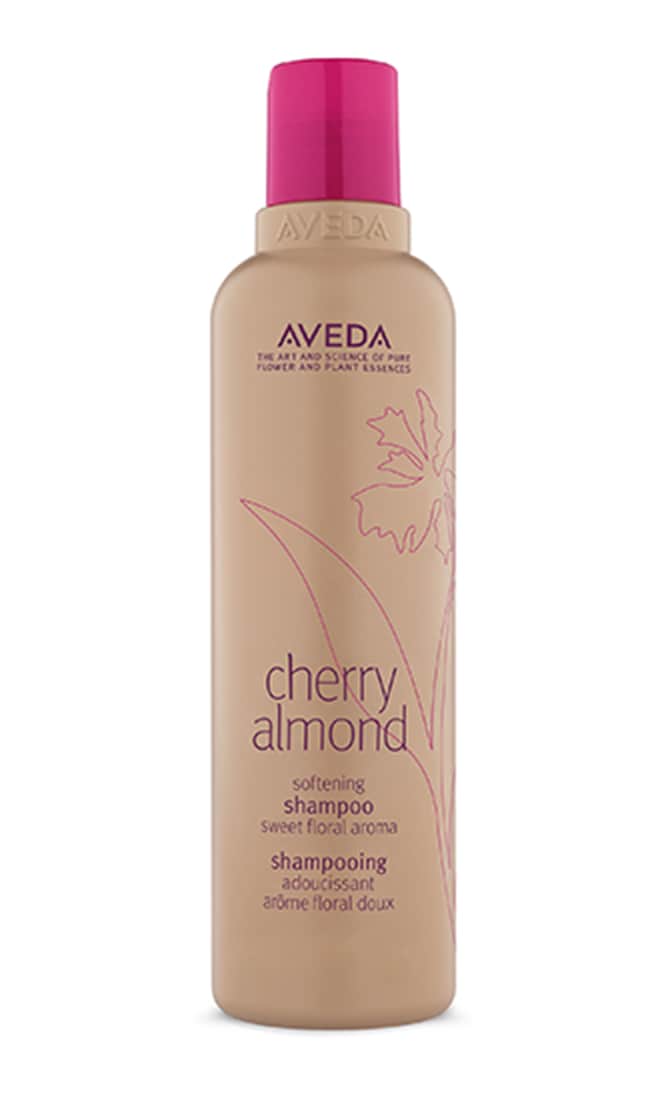
Cherry Almond Softening Shampoo
cherry almond
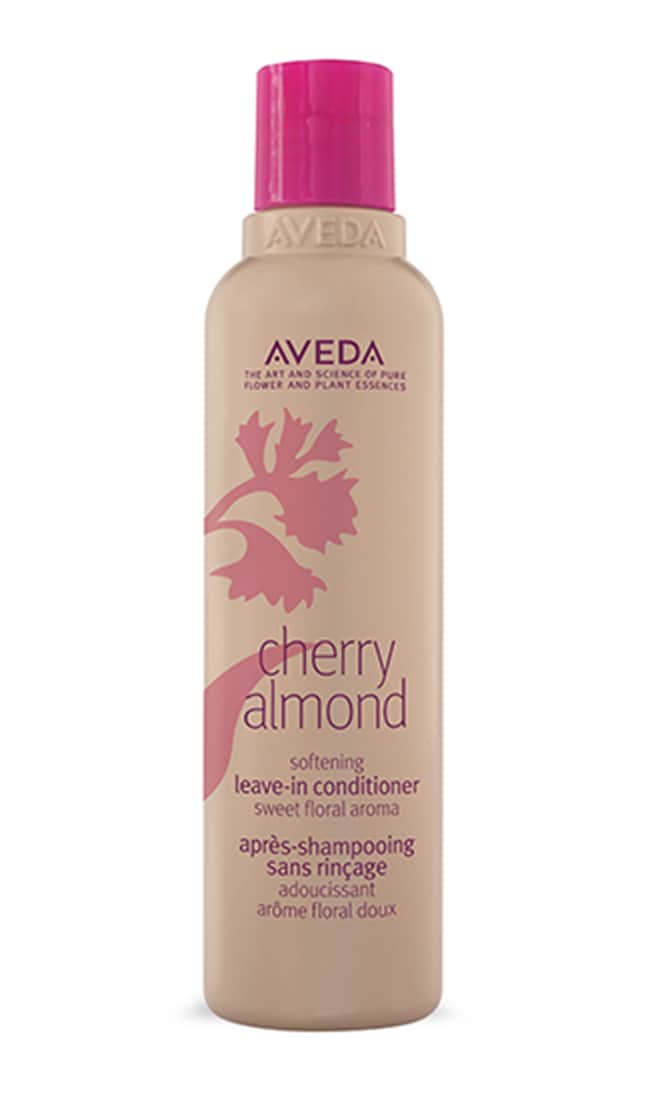
Cherry Almond Softening Leave In Conditioner
cherry almond
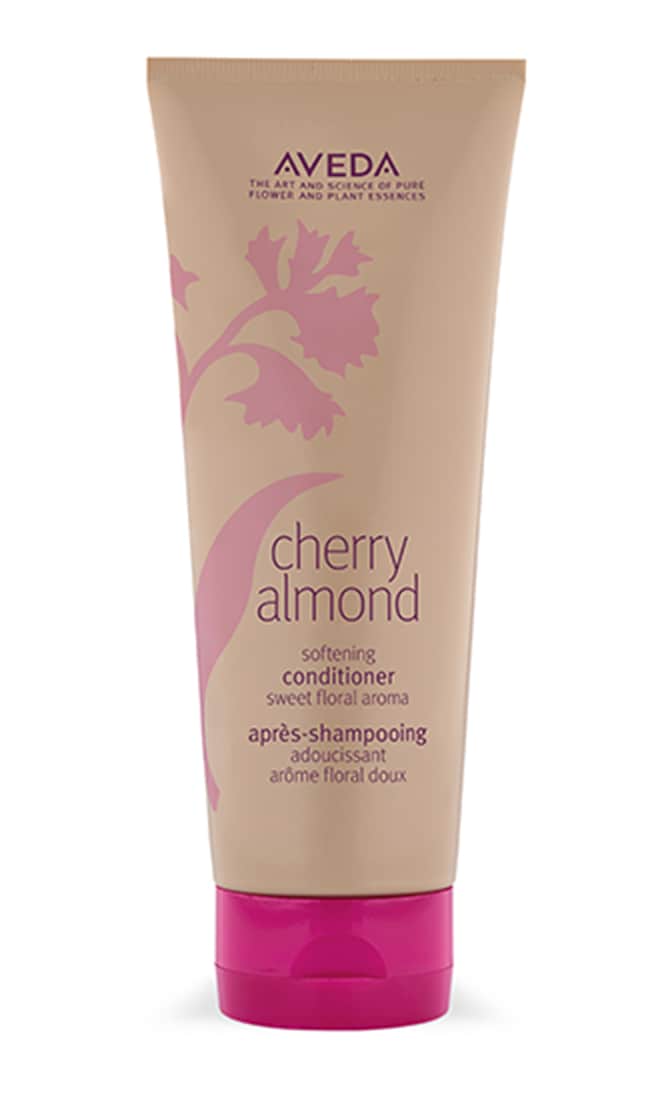
Cherry Almond Softening Conditioner
Purchases made through these links support Lee Graves Salon through Aveda's A-Commerce program. Prices shown were checked on 2026-08-20; the current price always appears at aveda.com.
Ready to Get Started?
Book an appointment or call us for a personalized consultation.
Related Articles
How Much Do Hair Extensions Cost in Dallas?
What hair extensions cost in the Dallas area: hand-tied from $1,500, tape-in from $800, move-ups from $350, and what the first year really adds up to once maintenance is included.
How Often Do Hair Extensions Need Maintenance?
Hand-tied every 6-8 weeks, tape-in every 6-8 weeks, keratin bond every 3-4 months. Why the schedule exists, what happens at the appointment, and what going late actually costs you.
Hand-Tied vs Tape-In vs Keratin Bond: Which Is Best for Fine Hair?
A method-by-method comparison for fine and thinning hair: how each attachment distributes weight, which shows through, and what we actually recommend at consultation.