Hair Extensions for a Dallas Wedding: The Timeline That Works
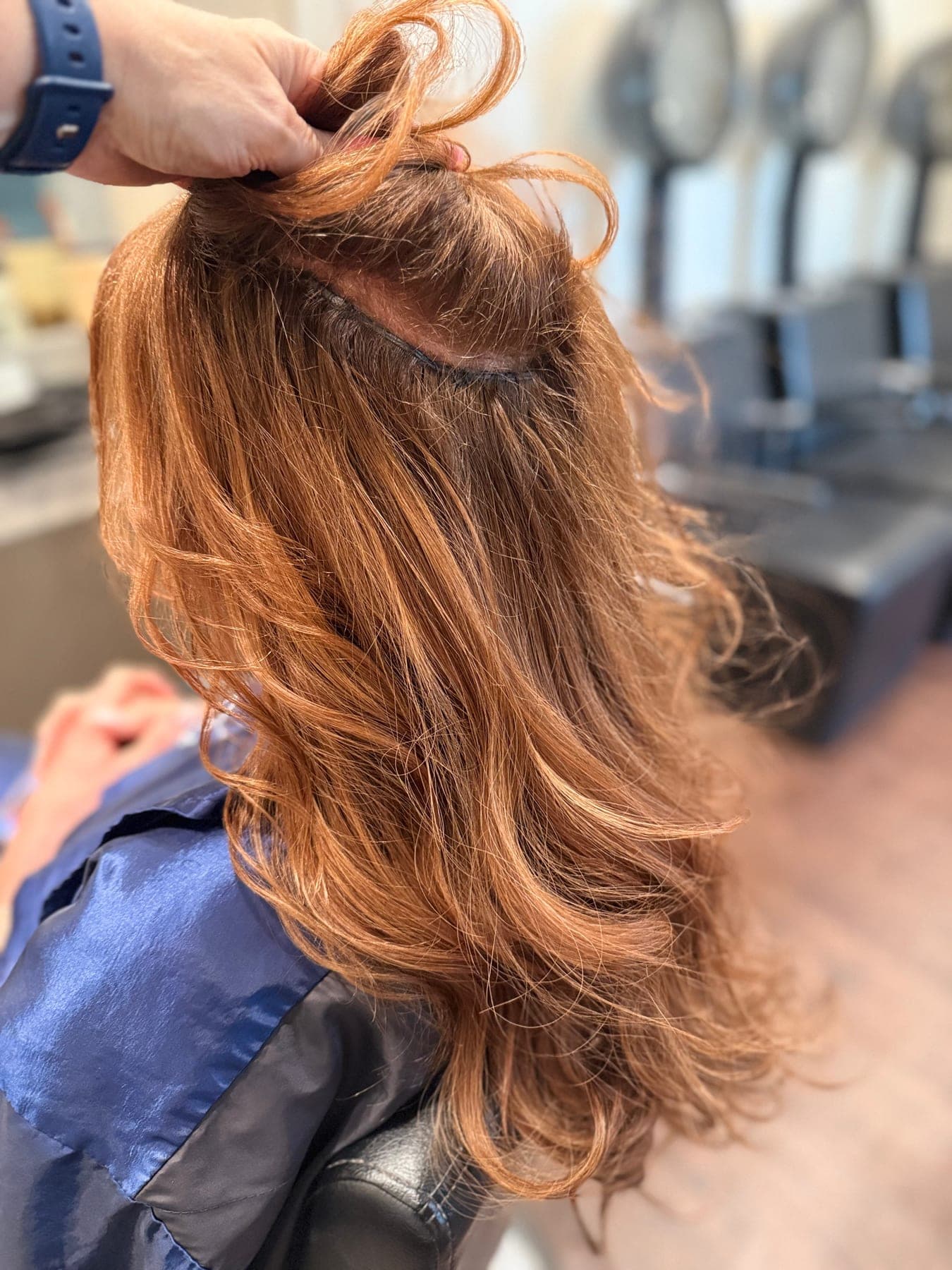
Extensions before a wedding are one of the most common things we are asked about, and the mistakes are nearly always about timing rather than method.
The short version: start three to four months out. Here is why, and what the schedule should look like.
The Timeline
3-4 months before: the complimentary consultation. Thirty minutes, no charge. We assess your hair, color match, recommend a method, and give you a written quote. Bring your dress neckline, your venue and any inspiration photos — a style that works with a strapless gown and an outdoor Texas summer wedding is not the same style that works with a high neckline in a church in January.
1-2 weeks later: installation. Your hair is custom-ordered and matched after the consultation, which is why these cannot be the same appointment. Allow two to three hours for hand-tied, sixty to ninety minutes for tape-in.
6-8 weeks after install: your first move-up. This is also when you learn what living with extensions is actually like, well before it matters.
After the extensions are in: your hair trial. Not before. More on this below.
1-2 weeks before the wedding: final move-up. Rows sitting close to the scalp for photographs, with a buffer in case anything needs adjusting. Not the week of.
The day itself: styling only.
Why Three to Four Months
Two reasons, and both are about having room to change your mind.
You get to live with them first. Extensions feel different. They are heavier, they dry differently, they change how your hair falls. Discovering that at your final fitting is not the moment. Three months in, they are simply your hair.
There is time to fix things. If the color needs adjusting, if you want more or less hair, if a row sits somewhere uncomfortable — all fixable with runway, none of it fixable the week before.
Installing extensions days before a wedding is the single most common regret we hear about. The hair is usually fine. The problem is that you have not had a chance to find out whether you like it.
Do the Trial After, Not Before
This gets the order wrong constantly.
A hair trial on your natural hair tells you very little about how the style will sit with extensions in. The weight is different, the length is different, the density is different. A style that looked perfect at the trial can behave completely differently once there is another six inches of hair in it.
Get the extensions in first. Then trial on the hair you will actually be wearing down the aisle.
Which Method for a Wedding
Hand-tied beaded wefts are the bridal recommendation in almost every case, and the reason is updos.
A hand-tied row is sewn flat against your scalp. There are no individual attachments to expose, so the row stays hidden when hair is swept up, pinned back, or worn in a high chignon. Tape-in panels are more likely to show an edge in a tightly pulled style, and that is precisely the risk you do not want on a wedding day.
If you are wearing your hair down, the options open up and keratin bonds become worth discussing for face-framing pieces — they move the most naturally of any method.
Extensions Just for the Day
Perfectly legitimate, but do the arithmetic. A full install from $1,500 for a single day's wear is a lot per hour.
If you genuinely only want them for the wedding, ask about clip-ins or a temporary partial install. If you would wear them afterwards anyway — and a lot of brides do, through the honeymoon and beyond — a full install three to four months out is the better result and the better value.
Color Matching Matters More for Photography
Wedding photographers use a great deal of light, and professional photography is far less forgiving of a color mismatch than a mirror is. A match that passes in your bathroom can read as a distinct band in a flash-lit reception photo.
This is why matching is done against real swatches in salon light, and why extension hair gets custom-colored if you wear highlights or balayage rather than matched to one flat shade.
Plan your color appointments around the wedding too. Most brides want a root touch-up or gloss one to two weeks before, and it pairs naturally with that final move-up.
Bridal Hair at Lee Graves Salon
Wedding styling is handled by Something Blue by Lee Graves, our bridal division, a winner of The Knot Best of Weddings 2026. We have a dedicated Wedding Coordinator who handles inquiries, trials and wedding-day timelines, including on-location work across DFW.
If extensions are part of the plan, mention it at your first bridal enquiry so the extension schedule and the styling schedule are built together rather than colliding.
Book the Consultation
If your wedding is more than three months out, now is the right time. If it is closer, call us anyway and we will tell you honestly what is still achievable.
Call (972) 378-0091 or book your free extension consultation. Lee Graves Salon, 6101 Chapel Hill Blvd, Suite 103, Plano, TX 75093, with free parking in front of the building.
Driving up from the city? See our guide for Dallas extension clients for routes and appointment timing, and wedding day hair tips for the rest of the plan.
Products for this
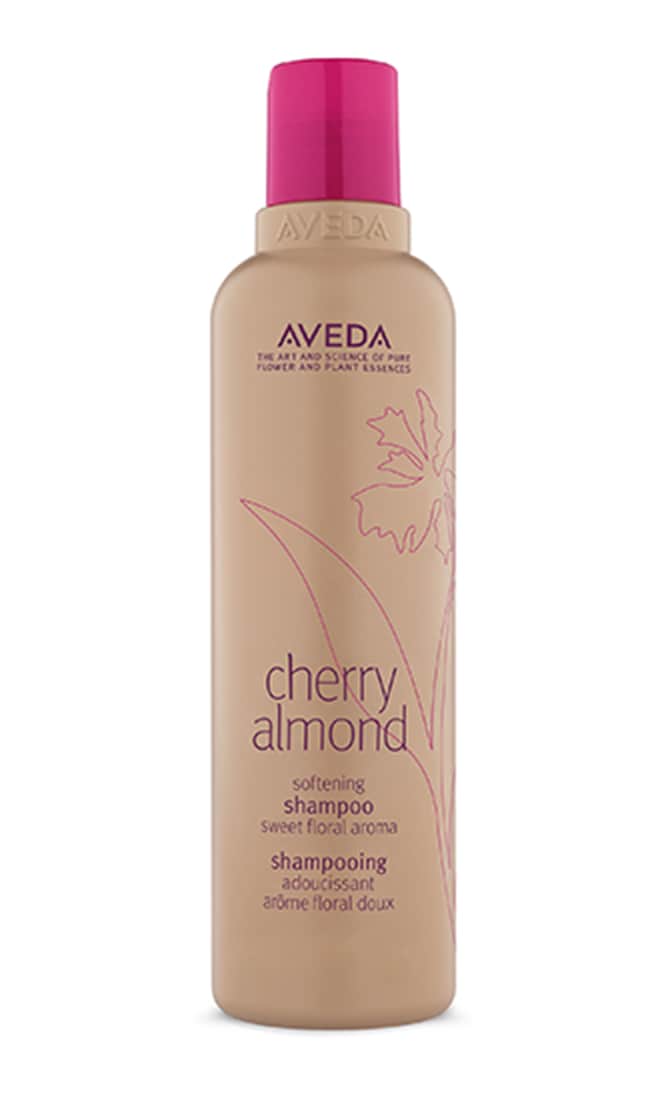
cherry almond
Cherry Almond Softening Shampoo
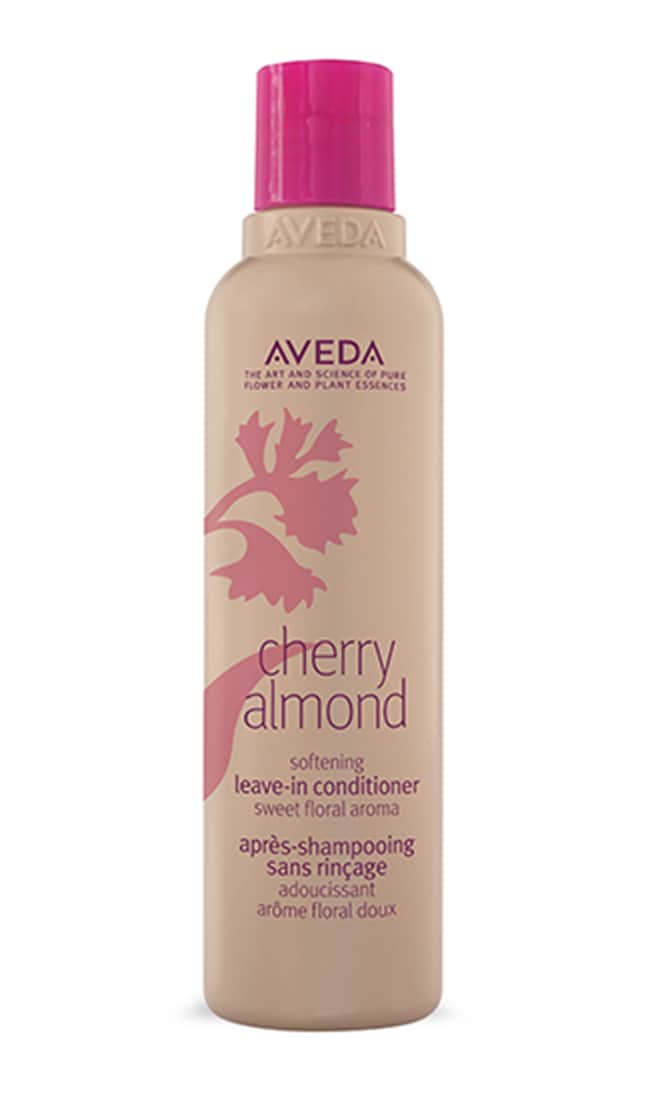
cherry almond
Cherry Almond Softening Leave In Conditioner
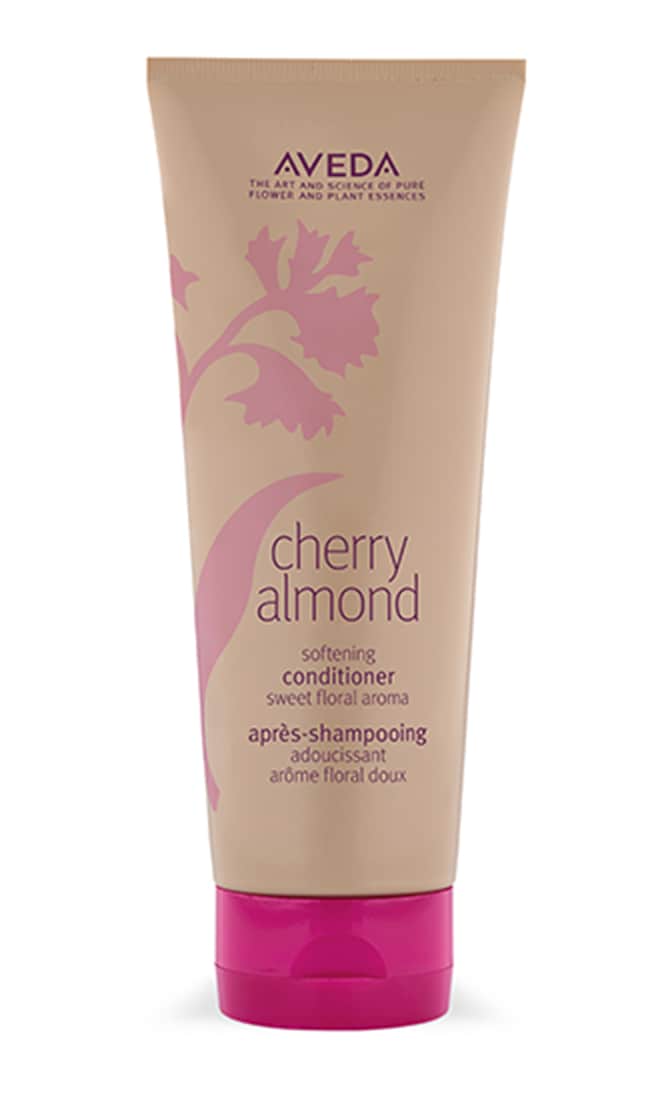
cherry almond
Cherry Almond Softening Conditioner
Purchases made through these links support Lee Graves Salon through Aveda's A-Commerce program. Prices shown were checked on 2026-08-20; the current price always appears at aveda.com.
Ready to Get Started?
Book an appointment or call us for a personalized consultation.
Related Articles
How Much Do Hair Extensions Cost in Dallas?
What hair extensions cost in the Dallas area: hand-tied from $1,500, tape-in from $800, move-ups from $350, and what the first year really adds up to once maintenance is included.
How Often Do Hair Extensions Need Maintenance?
Hand-tied every 6-8 weeks, tape-in every 6-8 weeks, keratin bond every 3-4 months. Why the schedule exists, what happens at the appointment, and what going late actually costs you.
Hand-Tied vs Tape-In vs Keratin Bond: Which Is Best for Fine Hair?
A method-by-method comparison for fine and thinning hair: how each attachment distributes weight, which shows through, and what we actually recommend at consultation.