Heat Styling and Heat Protection: Temps, Tools, and Technique
How hot is too hot? Our Plano stylists explain what heat really does to hair, how heat protectant works, and the one-pass technique that spares your ends.
Reviewed by our stylists · updated 2026-08-21
You can heat style regularly without wrecking your hair if you do three things every single time: start with completely dry hair, apply a heat protectant like heat relief thermal protector conditioning mist to every section, and use the lowest temperature that gets the job done in one slow pass. Most hair never needs to see 400°F. Almost all of what we think of as normal styling wear is really the result of skipping one of those three.
What Heat Actually Does to Hair
Hair is mostly keratin protein, held in shape by chemical bonds. Heat temporarily rearranges the weakest of those bonds, which is why a hot tool can bend straight hair into a curl or press a wave flat, and why the style collapses the moment Plano humidity puts water back into the strand. That part is harmless and reversible.
Damage starts when heat stops reshaping and starts cooking. Every strand and every tool runs a little differently, so honest ranges beat fake precision:
- Below roughly 300°F on dry hair: gentle territory for most hair. Styles may take slightly longer to set, but the strand itself isn't under much stress.
- Roughly 300–375°F: where most effective styling happens, and where wear accumulates. The keratin inside the strand starts to change structure somewhere in this zone, and that change is permanent. Healthy hair handles occasional visits here well; fine or color-treated hair should stay near the bottom of the range.
- 400°F and up: professional territory. Tools go that high for salon services like keratin smoothing, done with specific technique on prepped hair. Used casually at home, these settings scorch the cuticle, bleed color, and leave ends that snap instead of stretch.
- Any iron temperature on wet or damp hair: the worst of all. Water boils at 212°F. Clamp hot plates on damp strands and the water inside flashes to steam, and you can hear the sizzle as it blisters the hair from the inside. Stylists call it bubble hair, and there's no treatment that undoes it.
One more thing heat does: it fades color, fast. If you've invested in dimension or a gloss, high temperatures are quietly undoing it, and our color-treated hair care routine covers how to keep that investment.
How Heat Protectant Actually Works
Heat protectant is not a force field, and any product that promises total protection is overselling. What a good one actually does is mechanical, and it's threefold:
- Spreads the heat. The film of polymers and silicones it leaves on the strand distributes heat more evenly, so you don't get scorched spots where hot plates hit bare hair.
- Slows moisture loss. Instead of water rushing out of the strand all at once, it leaves gradually, which means less internal stress and less of that fried, puffy after-feel.
- Reduces friction. Plates and barrels glide instead of dragging, which means fewer passes, which means less total heat. This one is underrated.
The mechanics only work where the product lands. Section your hair and apply protectant to each section, then comb it through so it's distributed root to end, because a quick mist over the top coats the surface layer and leaves everything underneath bare. And if you're using a spray on dry hair before an iron, give it a minute to dry down first; ironing over wet product is the sizzle problem all over again.
Technique: One Good Pass Beats Three Fast Ones
Here's the counterintuitive part. A too-cool iron isn't automatically safer, because if it takes four passes to set the style, your hair absorbed more total heat than one pass at the right temperature would have delivered. The goal is always: right temperature, small enough section, steady tension, one slow pass.
- Blow-drying: rough-dry on medium heat, keeping the dryer moving, until hair is about 80 percent dry. Save the nozzle, the brush, and the tension for the last stretch, because that's where the smoothing happens. Never park the dryer in one spot, and keep it a few inches off the hair.
- Flat iron: work in sections about an inch wide, glide steadily, done. If a section won't take in one pass, the section is too thick or the temperature is slightly too low, so fix that instead of re-ironing.
- Curling iron or wand: seconds per section, not minutes. If the curl won't hold after about ten seconds, the culprit is usually section size or product buildup, not insufficient time.
- Clean your plates. Burnt-on styling product turns smooth metal into sandpaper and forces extra passes. Wipe tools down (unplugged and cool) regularly.
The Air-Dry Hybrid Routine
The easiest way to cut heat exposure isn't a product. It's letting air do the free part of the job. Blot with a soft towel or cotton T-shirt, let your hair air-dry until it's nearly dry, then mist through a protective prep spray like brilliant damage control and finish with the blow dryer for smoothness and shape. You get most of the polish with a fraction of the heat, and in a North Texas summer the air-dry stage barely takes longer than your coffee. (Humidity will fight your finished style, though, and our Texas heat and humidity guide covers that battle.)
For texture without any heat at all, overnight braids, sock curls, and headband sets genuinely work once you find your method, and we tested the popular ones in our heatless curls guide. A little one for all leave in elixir combed through damp lengths before you braid helps the set dry smooth instead of fuzzy.
Then stretch every style. Heat styling once and preserving it for two or three days with dry shampoo at the roots, a silk pillowcase, and a loose braid or high bun overnight beats re-ironing daily at any temperature.
How Often Is Too Often?
There's no universal number, so here's the honest framework. Daily blow-dry-plus-iron sessions at high heat accumulate damage on anyone, no matter the protectant. Two to three moderate-temperature sessions a week, on dry hair with protectant, is sustainable for most healthy hair indefinitely. Hair that's already compromised, whether heavily lightened, very fine, or long enough that the ends are years old, needs less than that.
The key fact underneath all of it: heat damage is cumulative and irreversible. Once the protein inside a strand is broken, no mask or bonding treatment rebuilds it. Good products can improve how damaged hair feels and behaves, but only scissors actually remove it. Watch for the warning signs: ends that snap when stretched, little white dots along the strand, color fading faster than usual, or hair that suddenly won't hold a style it used to hold. If you're seeing those, ease off the heat and read our guide to dryness and damage before things compound.
Mistakes to Avoid
- Ironing damp hair. If it sizzles, stop.
- Defaulting to max temperature. The 450°F setting exists for professional services, not because your waves require it.
- Skipping protectant for "just a quick touch-up." Touch-up passes on bare hair, repeated daily, are how bangs and face-framing pieces quietly fry.
- Repeated passes over the same section. Fix the section size or the temperature instead.
- Styling over dirty plates. Residue drags, snags, and burns.
- Holding the dryer still, or too close. Constant motion is the whole trick.
- Skipping trims. Damaged ends split upward; regular dusting keeps small damage from becoming big damage.
If you're not sure what temperature your hair can actually handle, or it's stopped holding styles the way it used to, your stylist can assess its condition in the chair and give you real numbers matched to your hair, not to the dial's maximum.
What we recommend from Aveda
brilliant™
Brilliant Humectant Pomade
brilliant™
Brilliant Anti Humectant Pomade

one for all
One for All Leave In Elixir
brilliant™
Brilliant Damage Control
brilliant™
Brillianttm Shine Boosting Shampoo for Softness Shine and Deep Cleansing
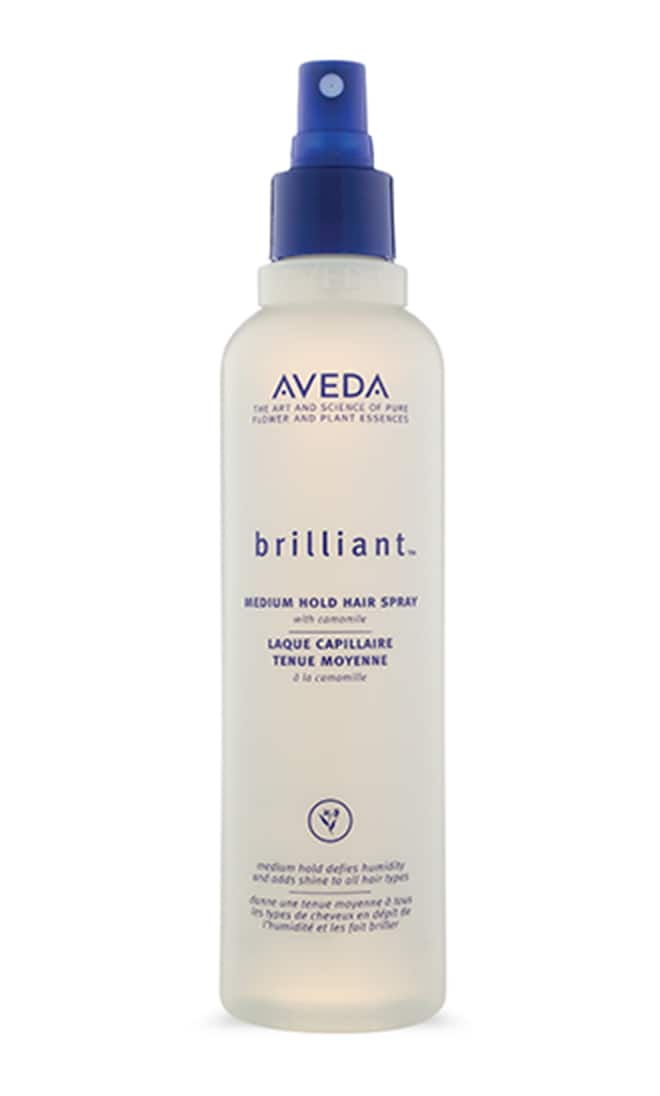
brilliant™
Brilliant Medium Hold Hair Spray
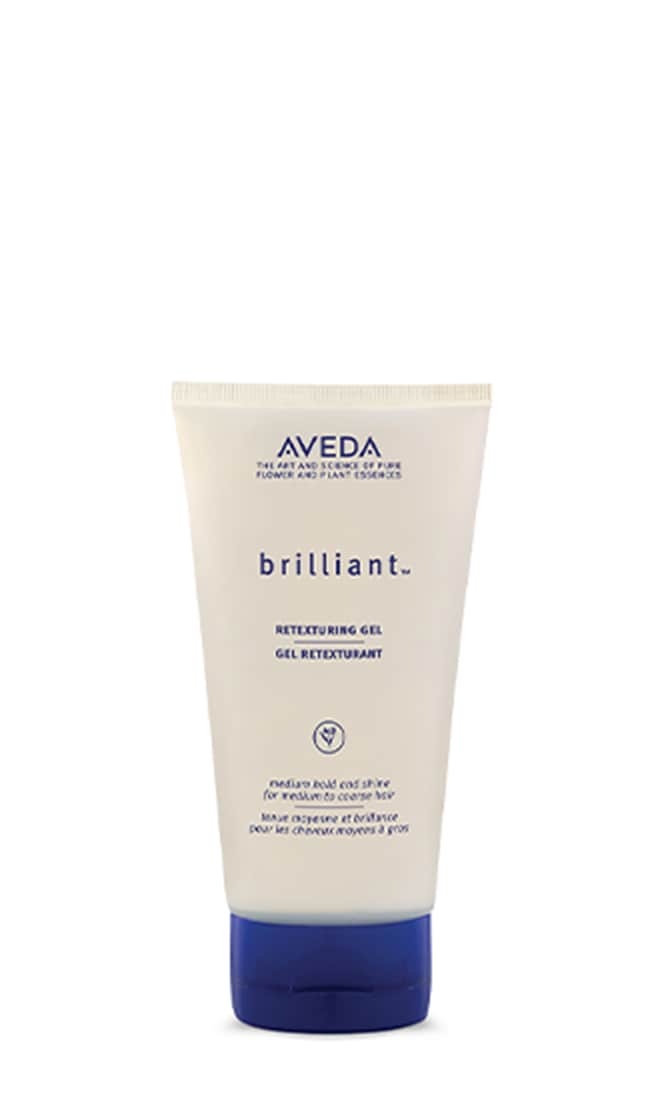
brilliant™
Brillianttm Retexturing Gel for Hold and Shine
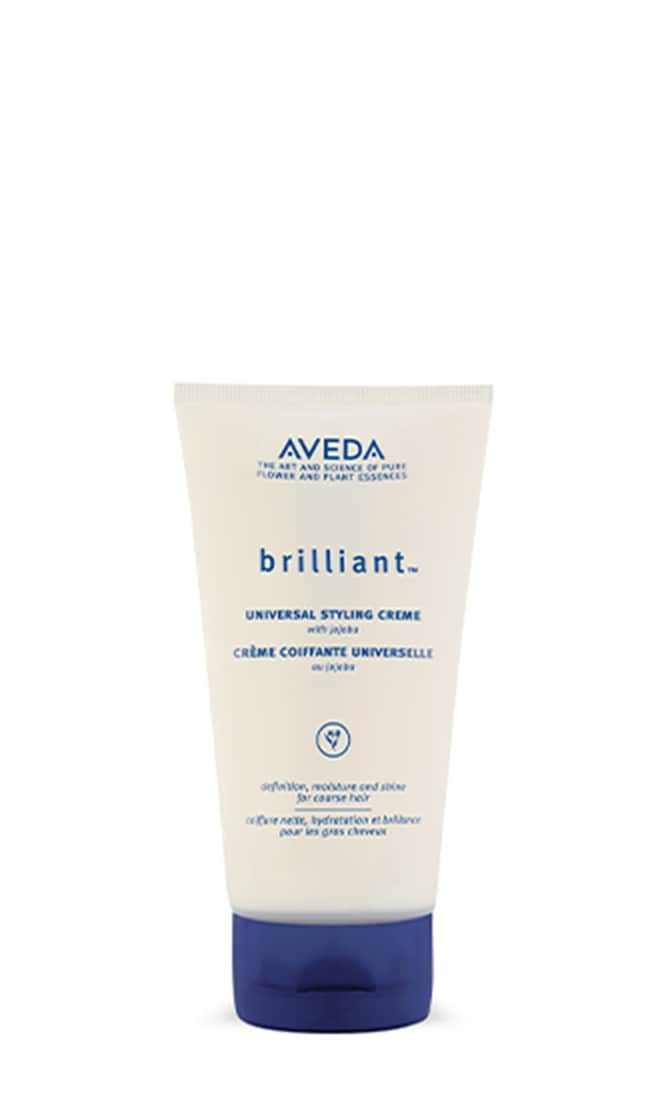
brilliant™
Brilliant Universal Styling Creme
Purchases made through these links support Lee Graves Salon through Aveda's A-Commerce program. Prices shown were checked on 2026-08-20; the current price always appears at aveda.com.
Common questions
What temperature should I set my flat iron to?
Use the lowest setting that styles your hair in one slow pass. As a starting point, fine, fragile, or color-treated hair usually does well between 250 and 325°F, average healthy hair between 300 and 350°F, and coarse or resistant hair up to about 375°F. Almost nobody needs 400°F or more at home, because those top settings exist for professional treatments, not daily styling.
Does heat protectant actually work?
Yes, but it reduces damage rather than eliminating it. Heat protectants leave a thin film of polymers and silicones on the strand that spreads heat more evenly, slows the rush of moisture out of the hair, and helps tools glide so you need fewer passes. It only works where it lands, so apply it section by section and comb it through instead of misting the surface and hoping.
Can I use a flat iron on damp hair?
No. Water boils at 212°F, and every iron runs hotter than that. Clamp hot plates on damp hair and the water inside each strand flashes to steam, and that sizzle you hear is your hair blistering from the inside out, a type of damage stylists call bubble hair. Damp hair is for blow dryers only; irons and wands are for hair that is completely dry.
How often is it safe to heat style my hair?
It depends on temperature, technique, and your hair's condition, but for most healthy hair, two to three heat sessions a week with a protectant and moderate temperatures is sustainable. Daily high-heat ironing catches up with everyone eventually, and heavily lightened hair tolerates less. Style once, then stretch it with dry shampoo, a silk pillowcase, and loose overnight braids instead of re-ironing every morning.
Is air-drying better than blow-drying?
Air-drying skips heat entirely, which is a real advantage, but wet hair is at its weakest and most stretchable, so rough handling while it dries can cause its own breakage. The gentlest routine for most people is a hybrid: blot with a soft towel, let hair air-dry most of the way, then finish with a dryer on medium for the last stretch. You get the smoothness with a fraction of the heat.
From our blog
- Silk Press in Plano: What to Expect and How Long It Lasts
What a silk press is, how it differs from a blowout or a keratin treatment, how long it survives Texas humidity, and what one costs in Plano ($120).
- Going Out Hairstyles That Last All Night
Going out hairstyles that hold up to heat, humidity, and dancing, from sleek low buns to half-up twists and glam waves, with photos of our team's work.
- TikTok Trend: Heatless Curls That Actually Work
Four popular heatless curl methods from TikTok that actually work, including braids, sock curls, flexi rods, and headband curls with step-by-step instructions.
- 6 Easy and Cute Holiday Hairstyles
Six simple holiday hairstyles you can do yourself, from a messy bun to a bubble braid, perfect for Christmas parties and festive celebrations.
Want this dialed in for your hair specifically?
Book with us in Plano at (972) 378-0091 and leave with a routine that fits your hair, your schedule and your budget.