Color-Treated Hair Care: Why Color Fades and How to Stop It
Why hair color fades from cuticle damage, UV, heat, and hard water, plus the color-safe routine our Plano colorists use to keep it vibrant between visits.
Reviewed by our stylists · updated 2026-08-21
Hair color fades because pigment physically leaves the hair through a cuticle that gets raised by hot water, heat styling, sun, and mineral-heavy tap water. Keeping color vibrant comes down to keeping that cuticle sealed: wash less often with a sulfate-free formula and cooler water, protect against heat and UV, and refresh your tone with a toning shampoo or a salon glaze before it drifts. Do those things consistently and your color will hold weeks longer between visits.
Why Hair Color Fades
It's all about the cuticle
The outer layer of every hair strand is the cuticle, which is made of overlapping cells arranged like shingles on a roof. When we color your hair, the process lifts those shingles just enough to deposit (or remove) pigment inside the strand, then everything needs to close back down and seal.
Anything that lifts the cuticle again lets pigment escape. Hot water lifts it. Aggressive shampoo lifts it. A 450-degree flat iron blasts it. Every time the cuticle opens, a little color rinses down the drain, and the strand gets duller and rougher, so even the color that's left reflects less light.
This is also part of why professionally formulated color holds up better than the drugstore kind, because the chemistry is gentler on the cuticle to begin with. If you're curious about the difference, we broke it down in salon color vs. box dye.
The four biggest fade accelerators
- Hot water. The hotter the shower, the wider the cuticle opens. Daily hot washes are the fastest way to drain fresh color.
- UV exposure. Sunlight breaks down pigment molecules the same way it fades fabric on a patio chair. In a Texas summer, an uncovered hour outside adds up quickly. Blondes go brassy, brunettes go dull and warm, and reds fade fastest of all.
- Heat styling. High temperatures damage the cuticle and can literally shift your tone warmer over time.
- Hard water. Calcium and iron deposits coat the strand, dulling shine and dragging blonde toward yellow-orange. Plenty of Plano homes have hard water, so if your color always seems to fade the same way, your shower may be part of the story.
The Color-Safe Routine
Wash smarter, not more
Every wash costs you a little pigment, so the single biggest change you can make is washing every two to three days instead of daily. Your scalp adjusts within a couple of weeks. Use a sulfate-free, color-safe formula like color control light shampoo, since the sulfates in ordinary shampoos are strong detergents that strip pigment along with oil, and lean on dry shampoo at the roots between wash days.
After a color appointment, wait at least 48 hours before the first shampoo so the color can fully set. For the complete step-by-step, including conditioning and weekly treatments, see our color-treated hair care routine.
Turn the water temperature down
You don't need cold showers, just not steaming ones. Wash in lukewarm water, then finish your final rinse with the coolest water you can stand. That last cool rinse helps flatten the cuticle, which locks in pigment and boosts shine immediately.
Feed it moisture
Color processing leaves hair thirstier than uncolored hair, and dry hair fades faster because a rough, parched cuticle won't stay sealed. Condition the mid-lengths and ends every time you wash, since color control conditioner is built to hydrate without loosening pigment, and work in a deeper masque once a week. Leave it on a few extra minutes in the shower, and that's all it takes.
Protect it from heat and sun
Two rules, no exceptions:
- Heat protectant every single time you blow-dry, curl, or flat iron. A color-safe leave-in like color control leave in treatment light guards your tone while it shields against heat. No protectant, no hot tool.
- Moderate temperatures. Most hair doesn't need a tool cranked past medium heat, because maxing out the dial mostly maxes out the damage. Our heat styling and protection guide covers the right temps by hair type.
Then there's the Texas sun. From May through September, treat your hair like you treat your skin: a hat for long stretches outdoors, a UV-protectant spray like sun care protective hair veil for pool and patio days, and a fresh-water rinse before you swim so your hair absorbs less chlorine.
Toning at Home vs. a Salon Glaze
What purple and blue shampoos actually do
Toning shampoos work on simple color-wheel logic: purple cancels yellow, blue cancels orange. Blondes and highlighted hair reach for purple; brunettes fighting warmth reach for blue. Used once a week, they're a great maintenance tool for keeping brass at bay between appointments.
But they only neutralize, and they can't rebuild tone that's already faded, and overusing them leaves hair looking flat, ashy, or slightly violet. If your blonde keeps drifting warm no matter how often you tone, the cause usually runs deeper than shampoo can fix, and we explain the culprits in why blonde hair turns brassy.
When a glaze is the better call
A salon gloss or glaze is a customized, demi-permanent layer of tone applied at the bowl. Instead of a one-color-fits-all shampoo, your colorist mixes the exact shade your hair needs that day, whether that means cooling brass, deepening a faded brunette, or reviving a red. It also seals the cuticle, so hair leaves noticeably shinier and smoother, and the whole thing takes about 20 minutes.
Think of it this way: toning shampoo maintains, a glaze corrects and refreshes. Most color clients do best with both: shampoo at home and a glaze every six to eight weeks. And since a glaze costs a fraction of a full color service, it's one of the smartest ways to stretch your color budget; the numbers are in our at-home vs. salon color cost breakdown.
Mistakes That Drain Color Fast
- Scalding showers. The number-one everyday fader, and the easiest to fix.
- Washing daily. Your color loses a little pigment with every lather.
- Clarifying shampoo. It's designed to strip buildup, and it strips color just as happily. Save it for the week before a color appointment.
- Skipping heat protectant "just this once." Once a day adds up.
- Unprotected pool and sun time. Chlorine plus UV is the harshest combination your color faces all year in Plano.
- Stretching too long between glosses. Once tone has fully faded, you're paying for correction instead of maintenance.
- Patching grow-out with box dye. It rarely matches, and it makes your colorist's next appointment harder (and often pricier).
Your color is an investment, and a few small habits protect it far better than any single product can. And if your color is fading faster than it should no matter what you do, bring it up at your next visit: your stylist can look at your water, your routine, and your formula, and adjust all three.
What we recommend from Aveda
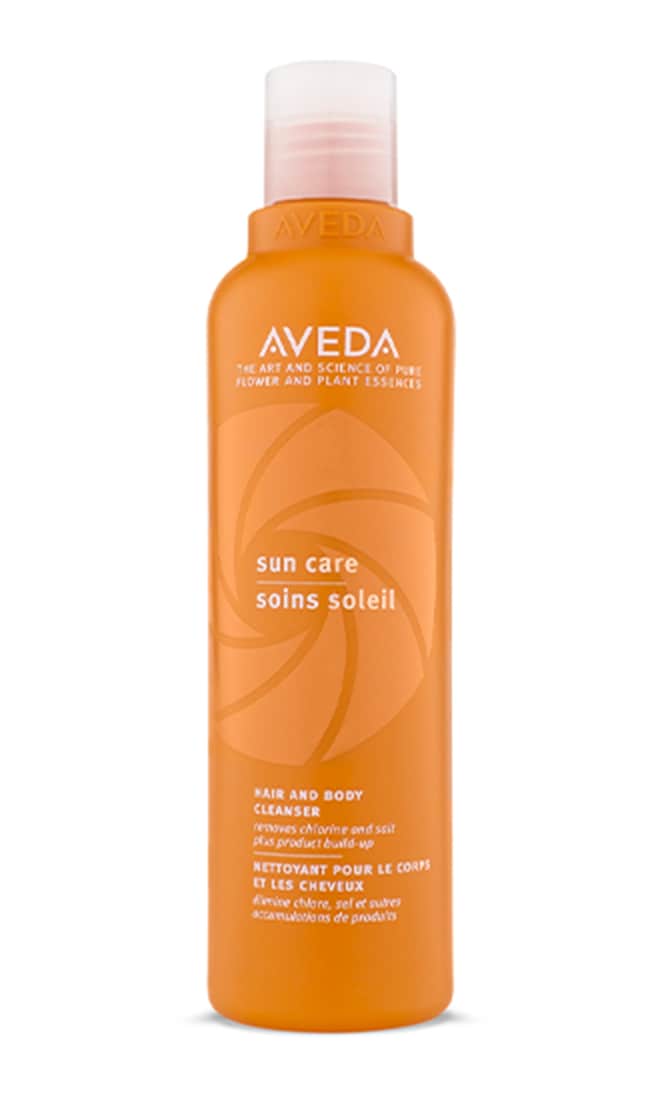
sun care
Sun Care Hair and Body Cleanser
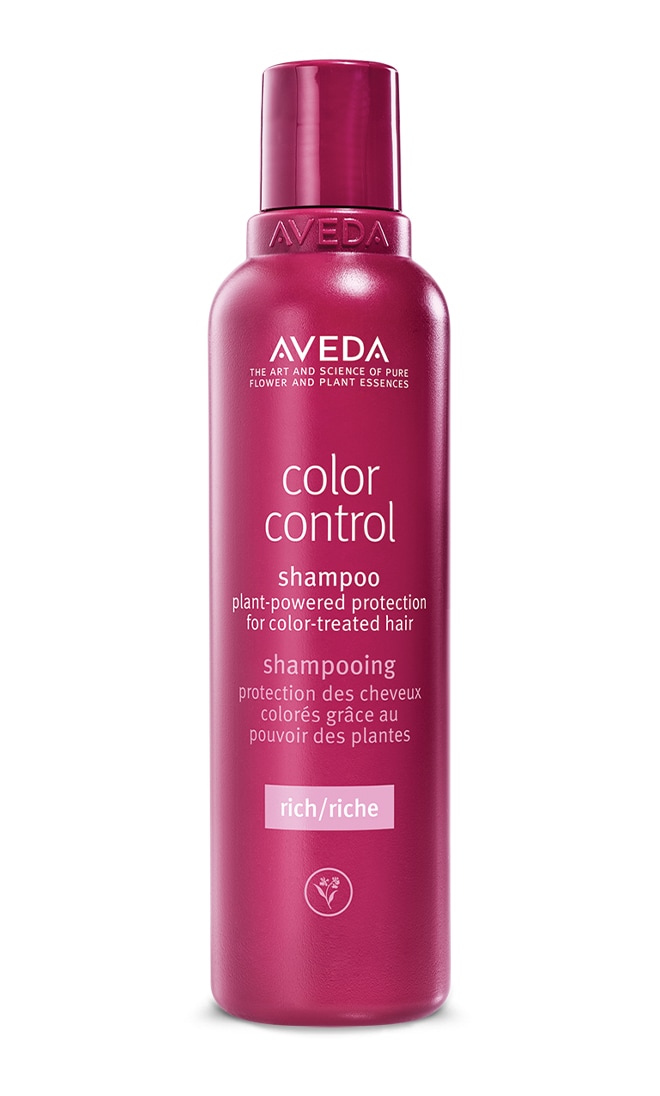
color control™
Color Control Rich Shampoo
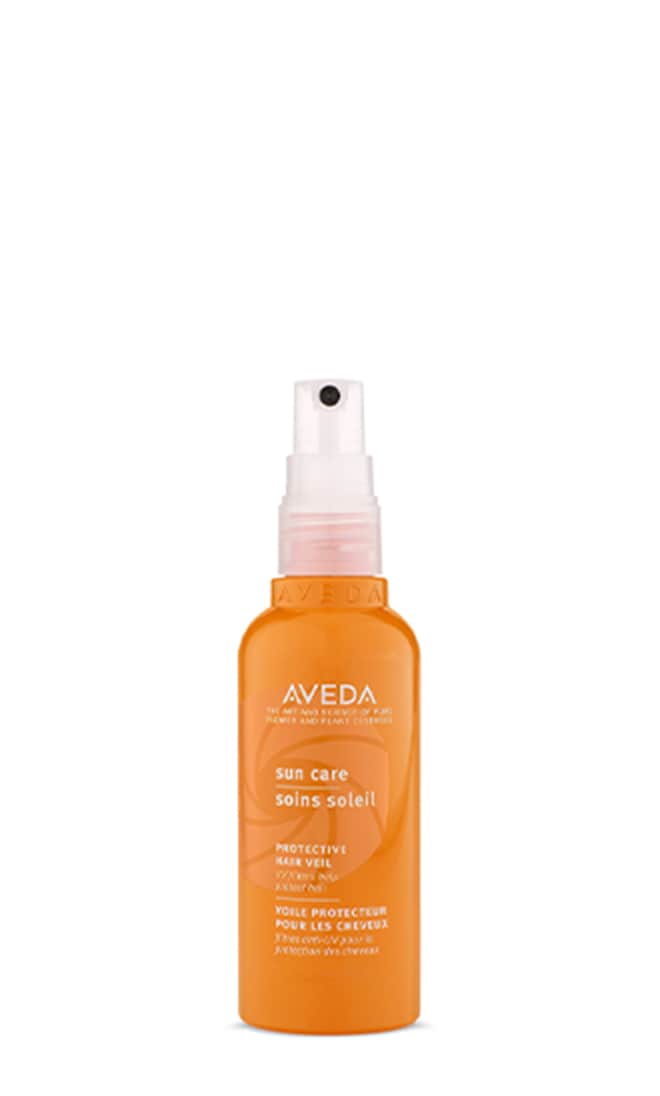
sun care
Sun Care Protective Hair Veil Uv Defense
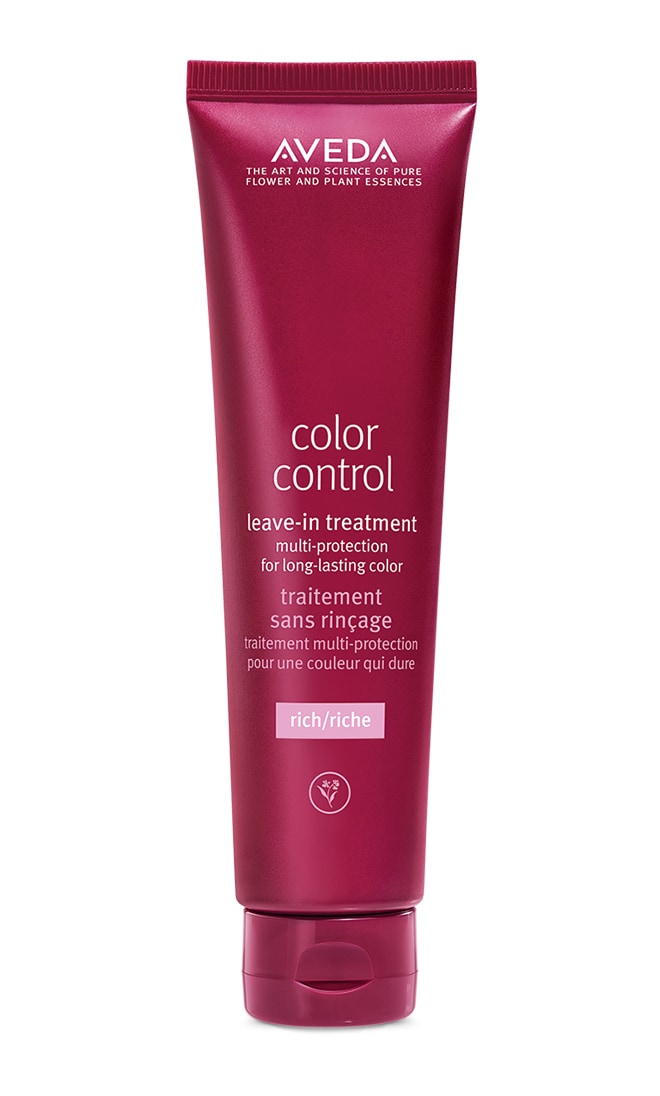
color control™
Color Control Leave In Treatment Rich
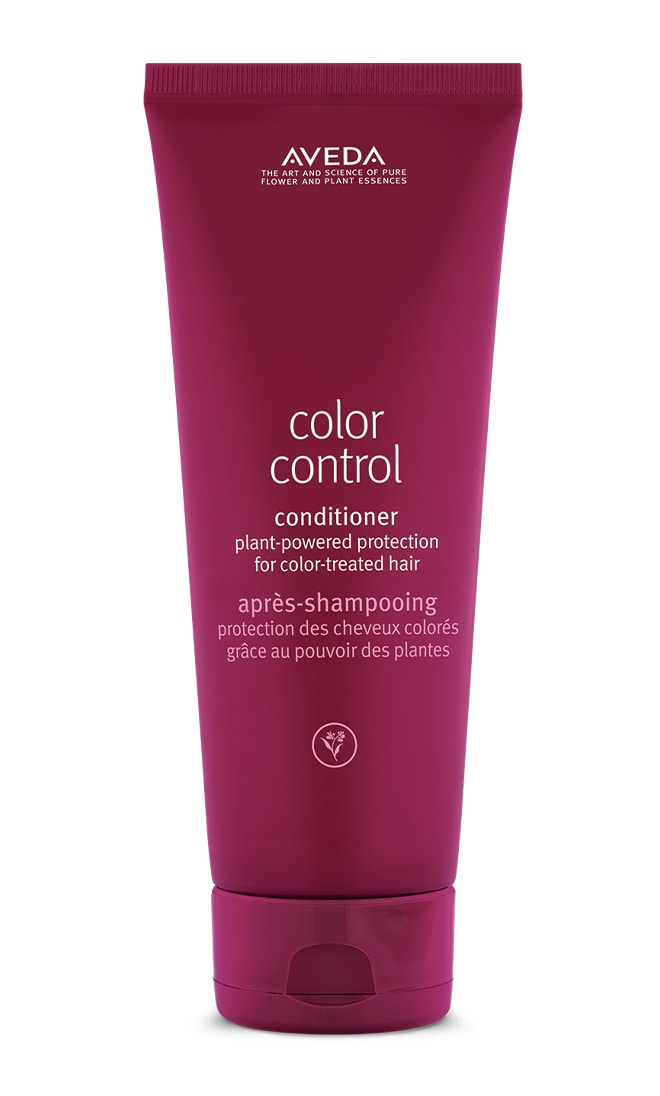
color control™
Color Control Conditioner To Help Fight Color Fade
Purchases made through these links support Lee Graves Salon through Aveda's A-Commerce program. Prices shown were checked on 2026-08-20; the current price always appears at aveda.com.
Common questions
How long should I wait to wash my hair after a color appointment?
Wait at least 48 hours before your first shampoo. Fresh color needs that window to finish oxidizing and settle into the hair shaft, and washing too soon is one of the most common reasons color fades early. If you work out during those two days, rinse your hairline with water or use dry shampoo instead of a full wash.
Does purple shampoo work on brown hair?
Purple shampoo neutralizes yellow, so it's built for blondes and highlights. Brunettes fighting orange or red undertones need a blue-toned shampoo instead, because blue sits opposite orange on the color wheel. Either way, use it once a week at most; overuse can leave a dull, muddy cast that only a clarifying wash or a salon visit will fix.
How often should I get a salon gloss or glaze?
Most of our color clients come in for a gloss every six to eight weeks, roughly the midpoint between full color appointments. A gloss re-deposits tone, seals the cuticle, and adds shine in about 20 minutes, so it keeps blonde from going brassy and brunette from going flat without committing you to a full color service.
Does hard water fade hair color?
Yes. Minerals like calcium and iron build up on the hair shaft, dulling tone, roughing up the cuticle, and pushing blonde toward brass. Many North Texas homes have hard water, so it's a real factor here. A shower filter helps day to day, and your stylist can do a chelating treatment to remove buildup before your next color.
Can I swim without ruining my color?
You can, with prep. Soak your hair with clean water before you get in the pool; saturated hair absorbs far less chlorine. A leave-in conditioner adds another barrier. Rinse thoroughly as soon as you're out and follow with conditioner. If you swim several times a week, tell your stylist so they can adjust your routine and formula.
From our blog
- Balayage vs Highlights Cost: Which Is More Expensive?
Balayage vs highlights cost, with real Plano prices: what each costs per appointment, what each costs per year, and which one is actually cheaper for you.
- Gray Coverage in Plano: Root Touch-Ups, Blending & Your Real Options
Full coverage, gray blending, or a gloss? What each option costs in Plano, how often you'll be back, and how to pick the right shade for gray hair.
- Are Highlights More Expensive Than Full Color?
Wondering if highlights cost more than full color? Here's the real price difference, why it exists, and which option is the better value for your hair goals.
- Why Does Blonde Hair Turn Brassy? (And How to Fix It)
Brassy blonde getting you down? Here's why blonde and highlighted hair turns warm, how to fix it, and what to do at home to keep your color cool and bright.
- What Are Money Piece Highlights? A Plano Stylist Explains
Money piece highlights frame your face with brighter color. Here's what they are, who they suit, how they're done, and how to keep them looking fresh.
- How Long Does a Hair Color Appointment Take?
Wondering how long you'll be in the salon chair for hair color? Here's a realistic time breakdown by service, covering single-process, highlights, balayage, and corrections.
Want this dialed in for your hair specifically?
Book with us in Plano at (972) 378-0091 and leave with a routine that fits your hair, your schedule and your budget.