Hair Color in Allen, TX: Root Touch-Ups, Gray Coverage, and the Half-Inch Rule
Allen sits seven miles north of our chairs, which makes it the closest of the cities we regularly serve outside Plano itself. The Census Bureau counted 104,627 residents in April 2020 and estimated 111,620 by July 2023, and a good share of them can be in the parking lot in under twenty minutes.
That distance matters more for color than it does for almost anything else on the menu, because single-process color is the highest-frequency service a salon offers. Balayage is painted every three to four months. A root touch-up comes due every four to six weeks. If you cover gray, or you keep an all-over shade, you are making that trip eight to twelve times a year — and the whole question is whether the cycle is built around your hair or around the calendar.
This guide covers what color costs for an Allen client, the half-inch rule that sets your rebooking date, why repeated touch-ups quietly flatten your ends and the line on our menu that prevents it, and how to build one appointment that does not need a second visit two weeks later.
The Half-Inch Rule That Sets Your Calendar
Our Root Touch-Up is written on the menu as one-step color covering half an inch of root grow-out with full gray coverage. That is not an arbitrary number. The National Library of Medicine's MedlinePlus puts hair growth plainly: "It takes about a month for healthy hair to grow half an inch."
So the service is priced, timed and formulated for roughly one month of regrowth. Four to six weeks is the honest window. What happens outside it is predictable:
- Four to five weeks. A quarter to half an inch of new growth. The fastest, cleanest version of the appointment, and the one where the blend is genuinely invisible.
- Six to eight weeks. Half an inch to three quarters. Still a standard touch-up for most clients, though a strong gray line at the part is visible in daylight for the last two weeks of it.
- Nine weeks and beyond. An inch or more. This is where a touch-up stops being a touch-up. An inch of regrowth has to be processed in sections because the half nearest the scalp develops faster in the heat coming off your head, and that is more chair time and sometimes a different price.
Stretching the cycle by waiting longer is the one strategy that does not work. If six weeks is more than you want to drive, the answer is to change the service rather than the interval — which is what the rest of this guide is about.
What Hair Color Costs for Allen Clients
These are our published starting rates. The range is our five-level stylist system, where Level 1 is the newest stylist on the floor and Level 5 is the most experienced and in demand.
| Service | Price by stylist level |
|---|---|
| Root Touch-Up (half inch of grow-out, full gray coverage, no foils) | $90 – $110 |
| Root Touch-Up & Freshen Ends | $135 – $155 |
| Gloss / Toner on its own | $65 – $85 |
| Illumination (face-framing brightness with gloss) | $100 – $120 |
| Partial Highlights (toning and shadow root included) | $190 – $230 |
| Full Highlights (toning and shadow root included) | $220 – $260 |
| Full Balayage (90g lightener, root smudge, gloss and tone) | $250 – $290 |
Two things in that table are worth reading twice. The first is the gap between the two touch-up lines — $45 — which is what it costs to take color through the lengths as well as the roots. The second is that toning is already inside the highlight and balayage prices rather than added at checkout, which is exactly where quotes from two salons stop being comparable. The full menu is on our pricing page, and our all-over hair color cost guide breaks down what single-process color includes and who it suits.
Why Your Ends Go Flat, and the Line on the Menu That Prevents It
This is the most common thing we see on a new color client's hair, and nobody books an appointment to fix it because it happens too slowly to notice.
Permanent color deposits pigment inside the hair shaft. That pigment does not leave when the next appointment comes around — it fades toward warm, but the bulk of it stays. So when color is pulled from root to tip at every visit, the lengths take a fresh coat on top of everything already in them. After a year of that, the ends are deeper than the roots, flatter in the light, noticeably more opaque, and more porous than they should be, because each application also lifts the cuticle again. People describe it as hair that has "gone dull" or "won't hold shine." It is usually not damage in the way they mean. It is layers.
The menu has two separate touch-up lines precisely because of this, and using both correctly is the whole trick:
- Roots only, most visits. A Root Touch-Up at $90 to $110 puts color on the regrowth and nowhere else. This should be your default appointment, four or five times out of six.
- Freshen the ends every second or third visit. Root Touch-Up & Freshen Ends at $135 to $155 adds a short refresh through the lengths at the end of the process, usually ten minutes of a diluted formula rather than a full second application. Once a quarter is plenty for most people.
- Use a gloss instead of color when all you want is shine. A standalone Gloss or Toner at $65 to $85 is demi-permanent — it sits on the hair rather than driving deeper into it, corrects the warmth that has crept in, and adds back the reflectiveness without adding another layer of pigment. Our guide to what a hair gloss costs in Plano covers when it is the right call and the three times it is not.
If your ends are already banded — visible horizontal lines where applications have stacked up at different points — that is a correction rather than a touch-up, and it is worth reading what hair color correction actually involves before you book. Banding from years of at-home kits is a particular case; why salon color beats box dye explains what makes it so stubborn.
Gray Coverage from Allen
Gray is the reason most people start a four-to-six-week cycle in the first place, and two things decide how your appointment is built: how much gray you have, and how resistant it is.
Percentage sets the method. Scattered gray through the part and temples often blends beautifully with demi-permanent color or with fine highlights and lowlights woven through it, both of which grow out softly and buy you weeks. Past roughly half gray, permanent color is usually what delivers the coverage people actually picture when they say "cover it."
Resistance sets the formula. The coarse, wiry grays that show up first at the temples and hairline have a tighter cuticle and less pigment to grab onto, so they need a longer processing time or a base-shade addition to hold. A colorist who notices that in your hair and says so at the consultation is reading your head rather than the chart.
We have a full breakdown of the four routes, their rebooking cadences and their real annual costs in our guide to gray coverage in Plano, and if you have decided to stop coloring altogether, transitioning to gray hair runs the grow-out math instead.
When Single-Process Color Is the Wrong Booking
Three situations where a root touch-up is not what you actually want, and booking one anyway wastes a trip:
- You want to be lighter. Single-process color deposits; it does not lift meaningfully on hair that is already colored. Going lighter needs lightener, which is a different service and sometimes a different number of appointments. The American Academy of Dermatology notes that lightening hair more than three shades requires higher volumes of peroxide, which causes more hair damage — which is why a colorist worth sitting with stages a significant lift across visits rather than chasing a photo in one.
- You want dimension, not coverage. All-over color is uniform by design. If what you are tired of is flatness, the answer is foils or paint, not a different brown. Our highlights versus full color cost comparison sets the two side by side, and balayage is the lowest-maintenance way to add movement if the four-week cycle is wearing on you.
- There is something in the way. Old box dye, a home toner, henna or a band through the mid-lengths will all fight a new formula and can produce a result nobody predicted. That is a consultation and a plan, not a walk-in.
Picking the shade itself is its own decision, and the one clients most often get wrong by a half-level. Hair color for your skin tone covers how undertone changes which browns and blondes read as natural on you.
Building One Appointment Around a Seven-Mile Drive
Seven miles is short enough that the four-week cycle is genuinely workable, which is the real advantage Allen clients have over our McKinney and Prosper guests. It is still worth getting everything done in one sitting:
- Book the haircut with the color. Stylists schedule by time, so a cut asked for at the shampoo bowl often cannot be fit in. A Women's Haircut and Style is $93 to $112; the Signature Haircut and Style at $148 to $168 already includes a conditioning treatment and a gloss, which makes it the better value on a color day.
- Add the treatment while you are already in the chair. A 30-Second Bonding Treatment is $15, Chroma ID Bonding with Tone is $40 and a Luxury Conditioning Treatment is $50. All of them take minutes and all of them do more for color-treated lengths than anything in your shower at home.
- Rebook before you leave. On a four-to-six-week cycle you will be back eight to twelve times a year, and holding the same stylist in the same slot is the difference between a standing appointment and taking whatever Saturday has left.
- Say how often you can realistically come in. It changes the formula. A colorist who knows you are a strict four-week client will place and tone differently than for someone who disappears for nine weeks each time, and it is the single most useful thing you can tell them.
Keeping the Color Between Visits
Most of North Texas runs moderately hard to hard water, and the mineral load is the quiet reason color fades faster here than the box on anyone's shelf suggests. Calcium and magnesium deposit on the cuticle with every wash, dulling shine and dragging warmth forward in brunettes and blondes alike. Texas sun does the rest, fading the lengths first because that is where the hair is oldest and most porous.
The fixes, ranked by how much they actually matter: wash less often and in cooler water; clarify or chelate before your color appointment rather than after it, so the color goes onto clean hair; use a color-safe cleanser rather than a clarifying one day to day; and keep heat protection on the lengths. Our guides to hard water and hair and caring for color-treated hair cover the routine in full.
Getting Here from Allen
We are at 6101 Chapel Hill Blvd, Suite 103, Plano, TX 75093, roughly seven miles south of Allen. Custer Road runs straight south out of west Allen and the Twin Creeks side of town. From the US 75 and Watters Creek side, come down Central and cut west on Park Boulevard or Legacy Drive. At rush hour, SH 121 west to the Dallas North Tollway and south is often the cleaner call. Figure fifteen to twenty minutes either way.
Parking is free, in a surface lot directly in front of the building. You can see everything we offer Allen clients on our Allen service area page, browse the full hair color menu, read about the colorists who would be doing the work, or check how long a color appointment really takes before you block out the morning.
Frequently Asked Questions
How much does hair color cost near Allen, TX? At Lee Graves Salon in West Plano, about seven miles south of Allen, a Root Touch-Up runs $90 to $110 and a Root Touch-Up with the ends freshened runs $135 to $155, set by your stylist's level from 1 to 5. A standalone Gloss or Toner is $65 to $85. Dimensional work costs more: Partial Highlights are $190 to $230, Full Highlights $220 to $260 and Full Balayage $250 to $290, all with toning included. Length and density move the quote, so you get an exact number at the consultation.
How often do I need a root touch-up? Every four to six weeks for most clients. Our Root Touch-Up is written on the menu as covering half an inch of grow-out, and MedlinePlus puts healthy hair growth at about half an inch a month, so the service is priced almost exactly for one month of regrowth. Stretch it to eight or nine weeks and you arrive with closer to an inch, which takes longer in the chair and is harder to blend invisibly. Clients who want to stretch the cycle are usually better served by adding some dimension rather than by waiting longer between the same appointment.
Why do my ends look darker and flatter than the rest of my hair? That is almost always color overlap. Every time permanent color is pulled from root to tip, the lengths take another coat of pigment on top of the pigment already there. Over a year of touch-ups the ends get progressively deeper, more opaque and more porous, until they stop reflecting light. The fix is on the menu: a Root Touch-Up covers only the regrowth, and the ends get refreshed every second or third visit instead of every one — often with a demi-permanent gloss rather than more permanent color.
Can you cover gray with a demi-permanent color? It depends on how much gray you have and how resistant it is. Demi-permanent color blends gray beautifully and adds shine, and it is the gentler option, but it deposits rather than fully covering, so it reads as softened gray rather than no gray. Past roughly half gray, or on the coarse wiry grays that run through the temples and part line, permanent color is usually what actually delivers the coverage people picture. Your colorist will tell you which one your hair is at the consultation.
How far is the salon from Allen, and how long does a color appointment take? About seven miles. Custer Road runs straight south out of west Allen; from the US 75 and Watters Creek side, Park Boulevard or Legacy Drive west gets you across. At rush hour, SH 121 west to the Dallas North Tollway and down is often cleaner. Figure fifteen to twenty minutes. A root touch-up is usually 90 minutes to two hours, a touch-up with the ends freshened a little longer, and a full dimensional service two and a half to three hours.
Can I get a haircut at the same appointment? Yes, but it has to be booked with the color rather than asked for on arrival, because stylists schedule by time rather than by service. A Women's Haircut and Style is $93 to $112. The Signature Haircut and Style at $148 to $168 already includes a conditioning treatment and a gloss, which makes it the better value on a color day and means you should never be charged separately for the gloss on top of it.
Sources: U.S. Census Bureau, QuickFacts: Allen city, Texas (April 1, 2020 census count of 104,627 and July 1, 2023 population estimate of 111,620). National Library of Medicine, MedlinePlus: Hair Problems (hair grows about half an inch per month). American Academy of Dermatology, Coloring and perming tips for healthier-looking hair. Prices quoted are starting rates from the Lee Graves Salon pricing menu and vary by stylist level, hair length and density.
Products for this
color control™
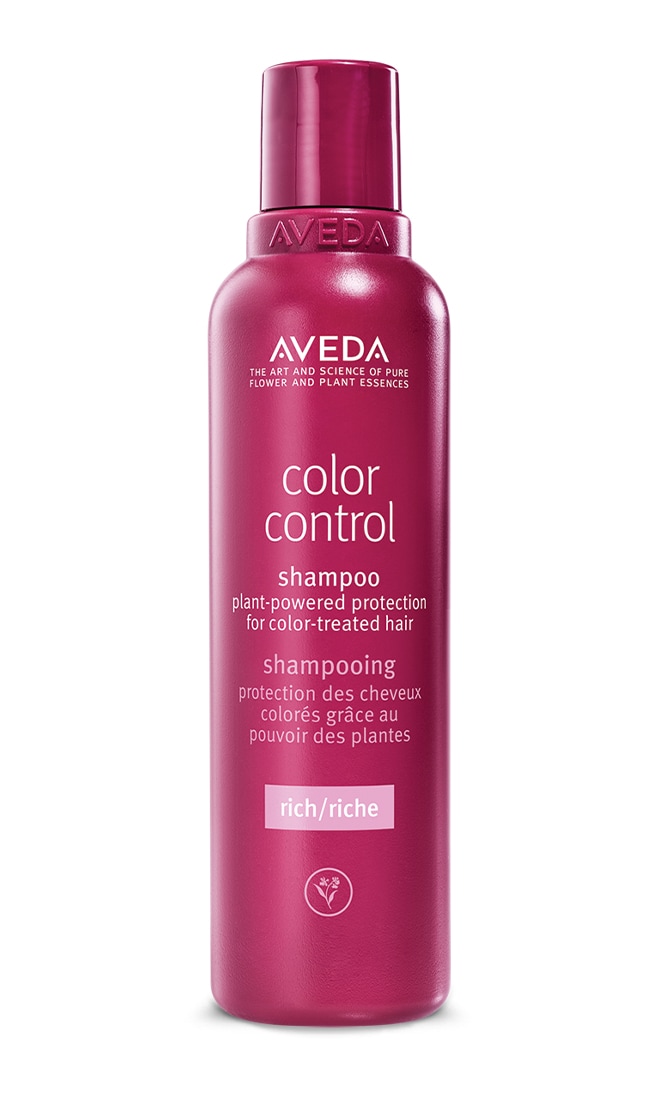
Color Control Rich Shampoo
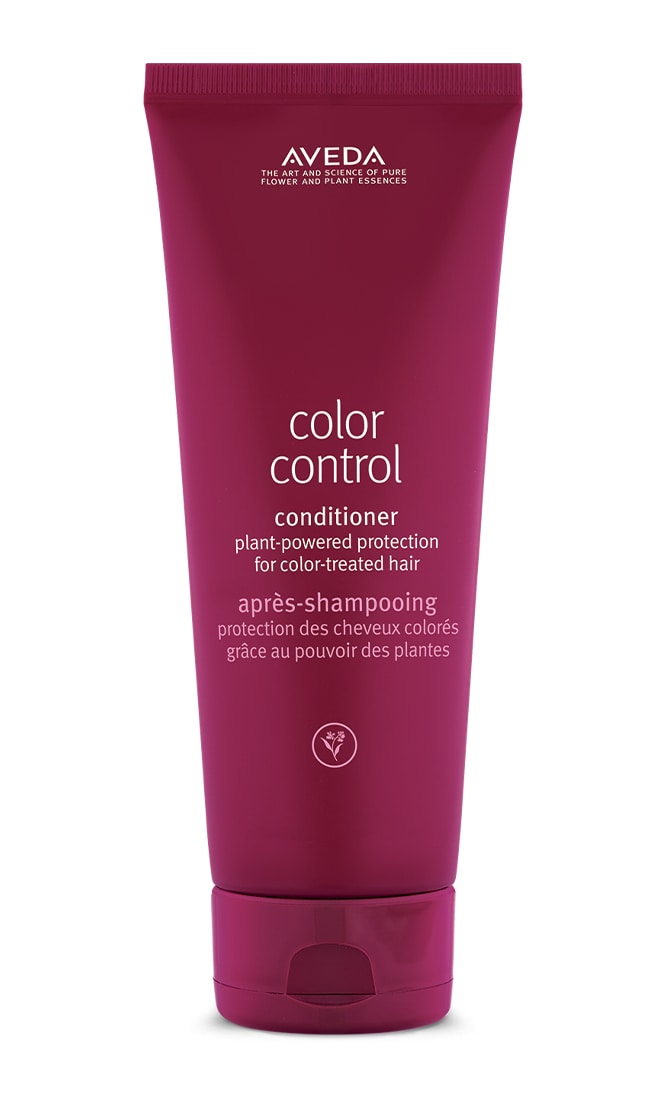
color control™
Color Control Conditioner To Help Fight Color Fade
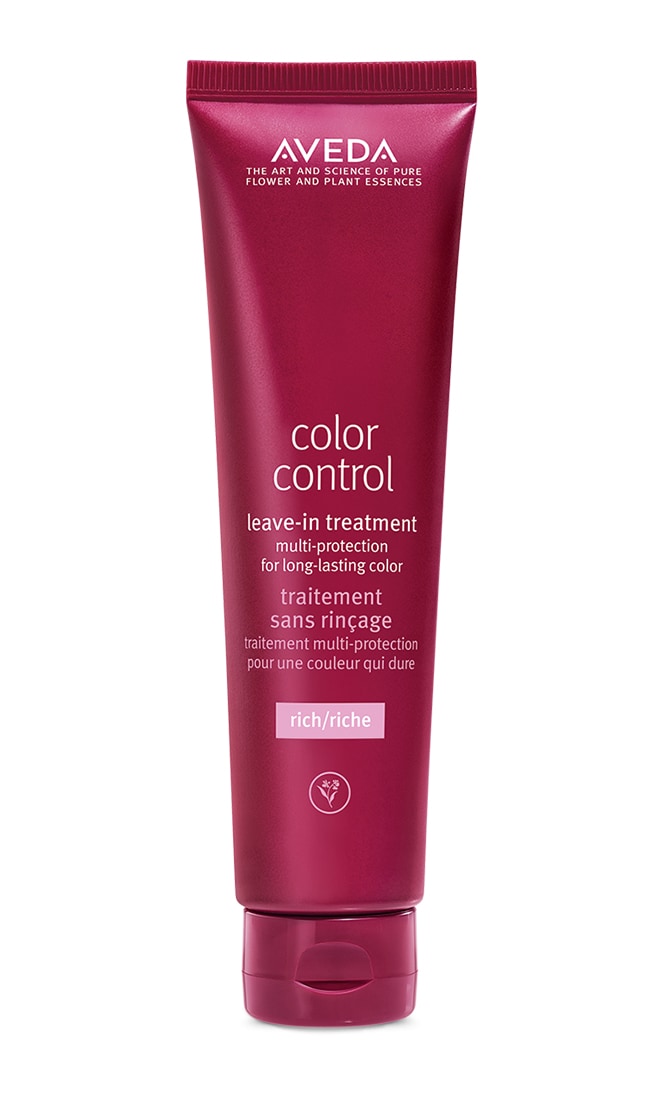
color control™
Color Control Leave In Treatment Rich
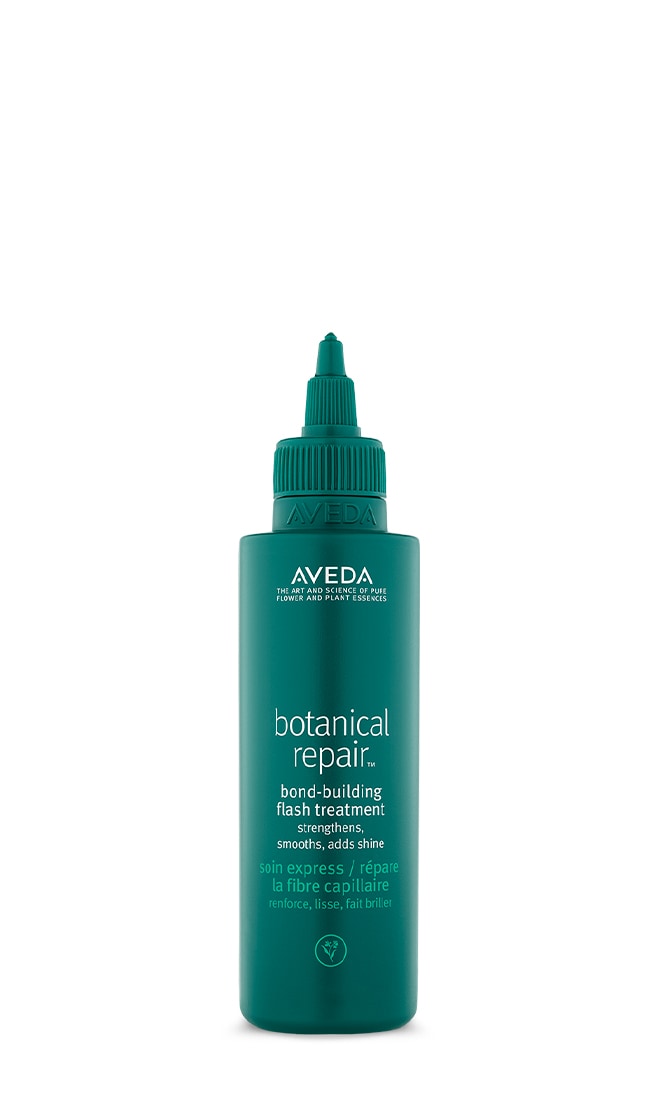
botanical repair™
Botanical Repair Bond Building Flash Treatment
Purchases made through these links support Lee Graves Salon through Aveda's A-Commerce program. Prices shown were checked on 2026-08-20; the current price always appears at aveda.com.
Ready to Get Started?
Book an appointment or call us for a personalized consultation.
Related Articles
Balayage in McKinney, TX: Cost, Trip Count, and Coming Off Foils
What balayage costs for McKinney clients, why painted color means four trips a year instead of nine, and how to move off a foil highlight cycle without a hard line.
How Much Does a Hair Gloss Cost in Plano, TX? (2026 Price Guide)
What a hair gloss and toner cost in Plano, why the price has a range, what a year of glossing actually adds up to, and the three times booking a gloss is the wrong call.
Balayage in Frisco, TX: Cost, Upkeep, and Changing Colorists
What balayage costs for Frisco clients, the eight-mile route south, and how a new colorist takes over painted color mid-grow-out without starting you back at square one.