Why Professional Hair Color Is Worth It (Box Dye vs Salon)
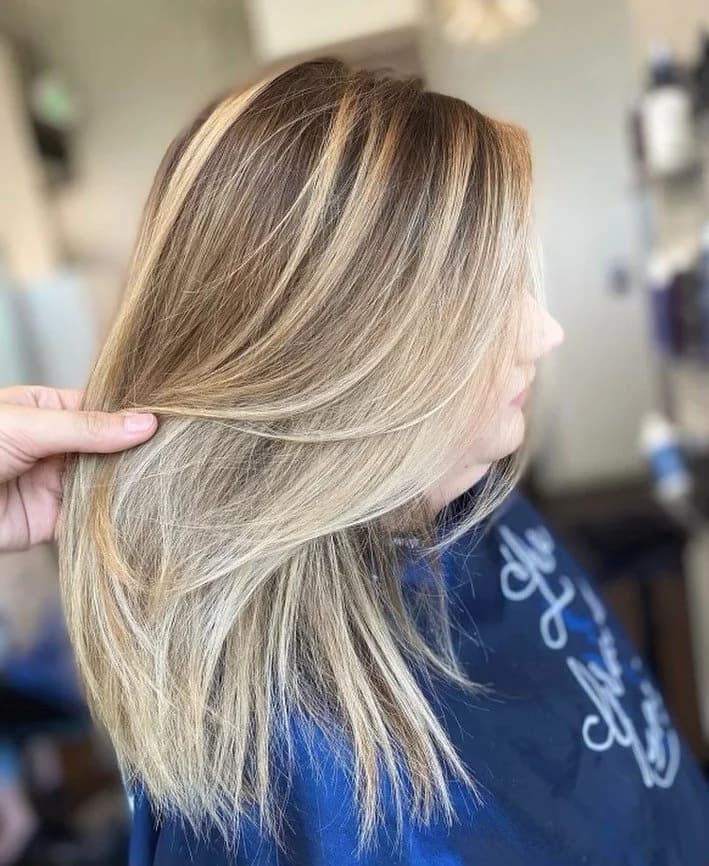
We get it. Box dye costs $12 at the drugstore. A professional color appointment costs significantly more. On the surface, the math seems obvious. Why pay ten times more for the same thing?
But it's not the same thing. Not even close. And we see the proof of that every week when clients sit in our chairs asking us to fix what went wrong at home.
This isn't a scare-tactics article. We're not here to make you feel bad about using box dye. We're here to explain, honestly and specifically, what the differences are, why they matter, and when professional color makes the most sense for your hair, your goals, and your budget.
What's Actually in a Box of Hair Dye
Before we compare the two approaches, it helps to understand what you're working with when you buy a box of hair color at the drugstore.
Every box of consumer hair dye contains:
- A one-size-fits-all formula. The developer strength, pigment concentration, and chemical balance are designed to produce an approximately similar result on as many hair types as possible. Your starting color, hair texture, porosity, previous chemical treatments, and natural undertones are not accounted for.
- A standardized developer. Most box dyes use a 20-volume developer because it works on the widest range of hair. But 20-volume is too strong for some hair types and not strong enough for others. Professional colorists choose from multiple developer strengths (10, 20, 30, 40 volume) based on your specific hair.
- Metallic salts (in many formulas). Some box dye brands contain metallic salts that coat the hair shaft and build up over time. These metallic salts react unpredictably with professional color products, which is why colorists always ask if you've used box dye before.
- Limited shade range. A drugstore shelf offers maybe 30-40 shades. A professional color line offers hundreds of shades that can be custom-blended in infinite combinations.
The Risks of Box Dye
Unpredictable Results
This is the number one problem with box dye: you don't know exactly what you're going to get.
The model on the box has professionally lit, professionally photographed, professionally colored hair. The shade guide on the side is an approximation. The actual result depends on variables that box dye can't account for:
- Your starting color. The same box of "medium brown" will produce dramatically different results on naturally dark brown hair versus previously highlighted hair.
- Your hair's porosity. Porous hair (from chemical processing, heat damage, or natural texture) absorbs color differently than virgin hair. Box dye doesn't adjust for this.
- Previous color buildup. If you've been box-dyeing for months or years, layers of color have built up on your hair. New color interacts with old color in ways you can't predict from the outside.
- Your natural undertones. Every person's natural hair has underlying warm or cool tones. Color theory matters, and box dye doesn't include a color theory consultation.
Damage to Hair Structure
Professional salon color and box dye both involve chemistry. The difference is precision.
A professional colorist assesses your hair's current condition and chooses products, developer strength, and processing time accordingly. If your hair is already compromised, they'll adjust. If certain areas need different treatment (roots vs. ends, for example), they'll apply different formulas to different sections.
Box dye gives you one formula and one instruction set. Apply everywhere. Process for 25 minutes. Rinse.
This one-size-fits-all approach frequently results in:
- Over-processing: the developer is too strong for your hair type, causing dryness, breakage, and damage
- Uneven saturation: the ends of your hair are more porous than the roots, so they absorb more color and process differently
- Band lines: visible lines where new color overlaps with old color, creating stripes of different shades
The Metallic Salt Problem
This is something most consumers have never heard of, but it matters enormously if you ever want to transition to professional color.
Many box dye formulas (particularly those that claim "gradual" or "natural" color buildup) contain metallic salts, which are compounds of lead, bismuth, or silver that coat the hair shaft. These metallic salts accumulate with each application and react unpredictably with the hydrogen peroxide in professional color products.
In some cases, this reaction can cause:
- Hair to heat up, smoke, or melt during professional color application
- Green or orange color results
- Severe damage that requires cutting off affected hair
This is why every professional colorist will ask you about your at-home color history before touching your hair. It's not judgment. It's safety.
Color Correction Is Expensive
Here's the irony of box dye saving money: when it goes wrong, fixing it costs far more than the salon appointment would have.
A standard color appointment might cost $150-$250. A color correction, which means fixing banding, removing unwanted tones, evening out patchy color, or reversing metallic salt buildup, can cost $300-$600+ and take multiple sessions over several weeks.
We've written a detailed guide on signs you need a color correction that covers what to look for and what the process involves.
What Professional Salon Color Offers
Custom Formulation
This is the biggest advantage of professional color and it's worth the price difference on its own.
When you sit in a professional colorist's chair, they evaluate:
- Your natural hair color and undertones
- Your current hair condition (moisture levels, elasticity, porosity)
- Any previous chemical treatments (color, bleach, keratin, relaxers)
- Your skin tone and eye color
- The specific result you want
Then they formulate a custom mixture. Not a pre-made box, but a formula mixed on the spot, specifically for your hair. They choose the right base color, the right tones, the right developer strength, and the right processing time.
If your roots need a different formula than your ends, they'll mix two or more formulas. If one section of your hair is more porous, they'll apply color there last so it doesn't over-process. If you have gray hair that's resistant to color, they'll adjust the formula to ensure full coverage.
This level of customization is simply impossible with a box.
Bond Protection Technology
Modern professional color lines include bond-building and bond-protecting technology that minimizes damage during the coloring process. Products like Olaplex, Redken pH-Bonder, and Schwarzkopf FIBREPLEX work at the molecular level to prevent the breakage of disulfide bonds in the hair during chemical processing.
These technologies are not available in box dye. They're professional-only products that require trained application.
The result: professional color that's significantly gentler on your hair than box dye, despite often being more effective at achieving the desired shade.
Professional Application Technique
Color application isn't as simple as squeezing a bottle over your head. Professional technique includes:
- Sectioning: the hair is divided into precise sections to ensure even, thorough coverage
- Root-to-end timing: roots process faster because of body heat from the scalp. A colorist applies to roots first (or last, depending on the technique) and times each section independently
- Foiling and balayage: dimension and highlights require placement skills that take years to develop
- Toning: after lightening, a separate toner is applied to achieve the exact final shade, neutralizing unwanted warm or cool tones
- Processing checks: your colorist monitors color development throughout the appointment and adjusts timing based on how your hair is responding
Color Theory Expertise
Professional colorists understand the color wheel, underlying pigments, and how tones interact. They know that:
- Lifting dark hair reveals warm undertones (orange, gold, yellow) that need to be neutralized
- Ash tones cancel out brassiness
- Purple neutralizes yellow
- Blue neutralizes orange
- The same shade looks completely different on different skin tones
This knowledge is what prevents the "it looked nothing like the picture on the box" disappointment. A professional colorist manages the entire color journey, not just the application, but the science of getting from point A to point B cleanly.
The Real Cost Comparison
Let's do honest math.
Box Dye Costs (Annual)
| Item | Frequency | Cost |
|---|---|---|
| Box dye | Every 4-6 weeks (8-12 boxes/year) | $96-$144 |
| Developer (if buying salon-quality from beauty supply) | As needed | $20-$40 |
| Gloves, bowls, brushes | As needed | $15-$25 |
| Color-correcting purple shampoo | Ongoing | $30-$50 |
| Deep conditioning treatments (to repair damage) | Monthly | $60-$120 |
| Annual total | $221-$379 |
Professional Salon Color Costs (Annual)
| Service | Frequency | Cost |
|---|---|---|
| Root touch-up or single-process color | Every 4-6 weeks (8-10 visits/year) | $960-$1,600 |
| OR balayage/highlights | Every 3-4 months (3-4 visits/year) | $570-$1,160 |
| Gloss/toner refresh | Every 6-8 weeks | $390-$680 |
| Annual total (single-process) | $960-$1,600 | |
| Annual total (balayage) | $960-$1,840 |
Yes, professional color costs more. We're not going to pretend otherwise. But consider what you're getting for that difference:
- Custom formulation every visit
- Bond protection during processing
- Professional application and timing
- Color theory expertise that prevents disasters
- No risk of metallic salt buildup
- Consistent, predictable results
- Hair that actually looks and feels healthy
And consider the cost you avoid: a single color correction to fix box dye damage can cost more than several months of professional color appointments. Check our pricing page for current rates on all color services at Lee Graves Salon.
Common Box Dye Disasters (And How We Fix Them)
We see these regularly:
Banding
Visible lines where new box dye overlaps with previous applications. The overlap zone is darker and sometimes a different tone entirely. This happens because box dye has no way to blend seamlessly with previously colored hair.
The fix: A professional colorist blends the bands using multiple formulas, sometimes requiring a full highlight to break up the lines.
Going Too Dark
"I just wanted to cover my gray but now my hair is black." Box dye in "dark brown" frequently deposits much darker than expected, especially on hair that's porous or fine. And dark box dye is one of the hardest colors to remove.
The fix: A gradual lightening process over 2-3 sessions. This is not a quick fix, because it takes patience to lift dark box dye without destroying the hair.
Brassiness
You wanted a cool, ashy blonde but ended up with warm, brassy orange or yellow. This happens because lightening hair reveals underlying warm pigments, and box dye doesn't include the toning step that neutralizes them.
The fix: Professional toning to neutralize the unwanted warmth, often followed by a maintenance plan to keep brassiness from returning.
Green or Orange Tones
This is the nightmare scenario, usually caused by metallic salts in box dye reacting with other products, or by attempting to go blonde over hair that has warm, reddish undertones that weren't neutralized first.
The fix: Depends on the cause. Metallic salt reactions may require specialized removal products. Orange tones from insufficient lifting need professional bleaching and toning.
Patchy Coverage
Uneven color leaves some sections darker, some lighter, and some barely colored at all. This results from inconsistent application, uneven porosity, or processing hair that's been differently treated in different areas.
The fix: Strategic sectioning and multiple formulas to even out the color. Sometimes requires both lifting and depositing in different sections during the same appointment.
For a deeper dive into these situations, read our guide on signs you need a color correction.
When Box Dye Is Okay (Honestly)
We believe in being fair. There are limited scenarios where box dye is reasonable:
- Temporary or semi-permanent fun color that washes out in a few weeks, where the stakes are low
- A true emergency touch-up (wedding tomorrow, visible roots, no salon availability) with a shade that closely matches your current professional color
- You have virgin hair, want a shade close to your natural color, and you're using a deposit-only (no-lift) formula: this is the lowest-risk box dye scenario
But for anything involving lightening, significant shade changes, gray coverage, or maintaining a specific tone, professional color is worth the investment.
Frequently Asked Questions
Can I switch from box dye to salon color? Yes, but be completely honest with your colorist about your box dye history, including which brands you've used, how long you've been using them, and when your last application was. Your colorist may need to do a strand test before proceeding, especially if metallic salts are a concern. The transition may take 2-3 appointments to fully correct and establish a professional color base.
Is salon color less damaging than box dye? In most cases, yes. Professional colorists use bond-protecting technology, adjust developer strength to your hair's needs, and apply with techniques that minimize over-processing. Box dye uses one formula at one strength with no customization, which frequently results in more damage, particularly to the ends, which are already the most fragile part of the hair.
How often do I need to come to the salon for color? It depends on your service. Single-process color and root touch-ups are typically every 4-6 weeks. Balayage and highlights can go 3-4 months between full appointments, with optional gloss refreshes every 6-8 weeks in between. Your colorist will recommend a maintenance schedule based on your specific color and hair type.
Why does my box dye color look different every time? Because your hair is different every time, even if you don't realize it. Sun exposure, heat damage, previous color buildup, and seasonal moisture changes all affect how the same formula interacts with your hair. Professional colorists adjust for these variables. Box dye doesn't.
Is it worth paying for salon color if I just want to cover gray? Absolutely. Gray hair is often resistant to color, meaning it needs a specific formulation to cover fully. Box dye frequently misses gray hairs or turns them an unnatural tone. Professional gray coverage is one of the services where the difference between box dye and salon color is most dramatic and most obvious.
Your Hair Deserves Better
We're not saying box dye is evil. We're saying your hair is a complex, unique material that responds best to customized treatment from someone who understands the chemistry, the technique, and the art of color.
At Lee Graves Salon, our colorists bring years of training and thousands of hours of experience to every appointment. Whether you're looking for your first professional color, transitioning away from box dye, or fixing a color situation that went sideways, we can help.
Explore our hair color services to see the full range of what we offer, or book a color consultation to talk through your goals with one of our colorists. We're located at 6101 Chapel Hill Blvd, Suite 103, Plano, TX 75093.
Products for this
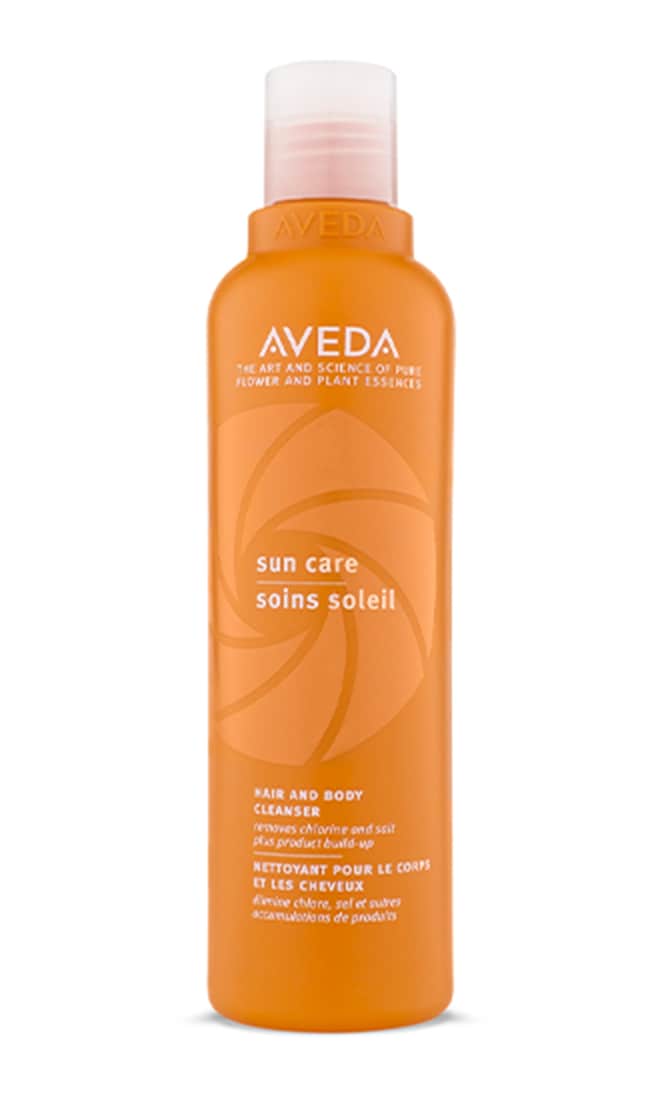
sun care
Sun Care Hair and Body Cleanser
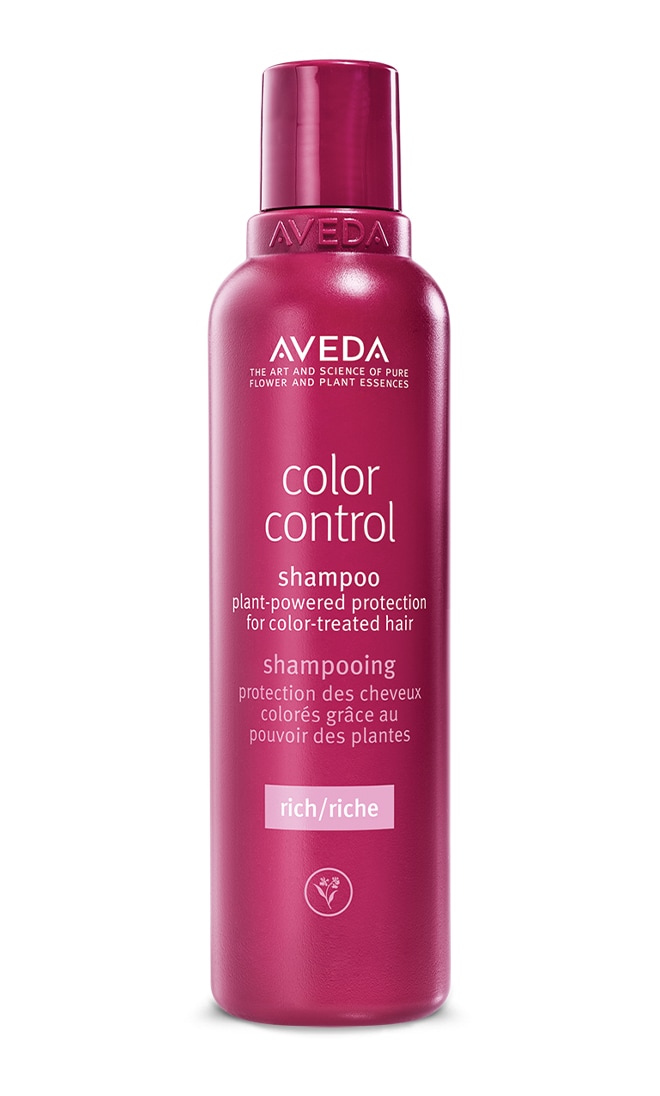
color control™
Color Control Rich Shampoo
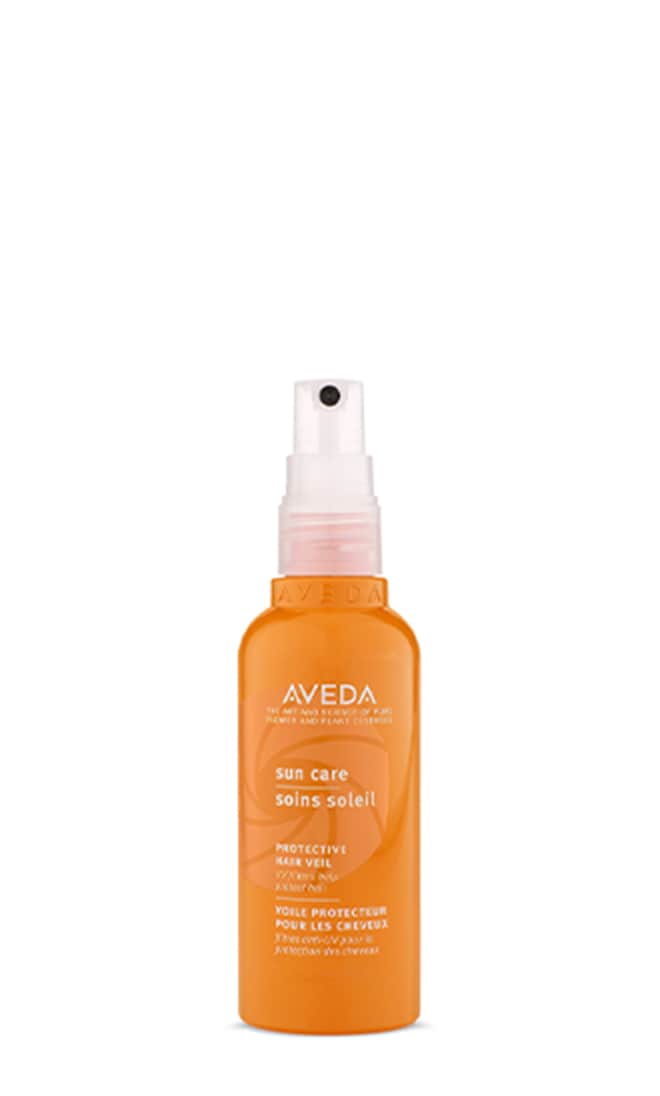
sun care
Sun Care Protective Hair Veil Uv Defense
Purchases made through these links support Lee Graves Salon through Aveda's A-Commerce program. Prices shown were checked on 2026-08-20; the current price always appears at aveda.com.
Ready to Get Started?
Book an appointment or call us for a personalized consultation.
Related Articles
Balayage vs Highlights Cost: Which Is More Expensive?
Balayage vs highlights cost, with real Plano prices: what each costs per appointment, what each costs per year, and which one is actually cheaper for you.
Gray Coverage in Plano: Root Touch-Ups, Blending & Your Real Options
Full coverage, gray blending, or a gloss? What each option costs in Plano, how often you'll be back, and how to pick the right shade for gray hair.
Are Highlights More Expensive Than Full Color?
Wondering if highlights cost more than full color? Here's the real price difference, why it exists, and which option is the better value for your hair goals.