Why Does Blonde Hair Turn Brassy? (And How to Fix It)
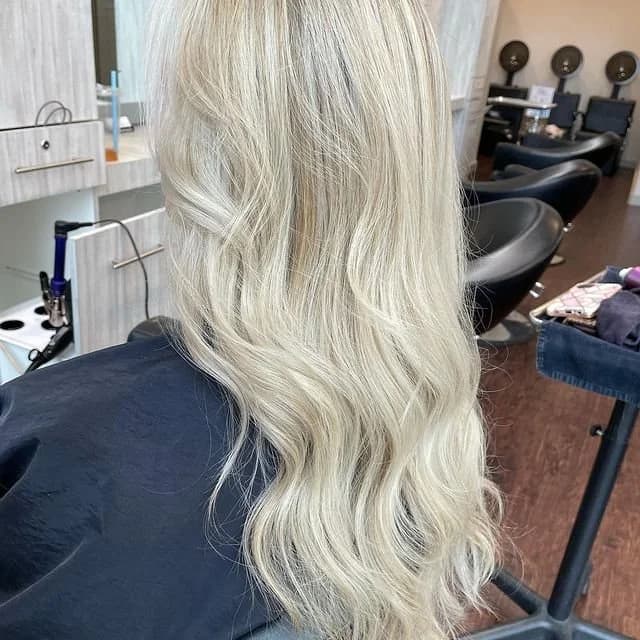
You left the salon with the perfect cool blonde. A few weeks later, it's looking warm, yellow, or even a little orange. That shift has a name, brassiness, and it's the number one complaint we hear from blondes. The good news: it's normal, it's predictable, and it's fixable.
Here's why it happens and what you can do about it, both in the chair and at home.
What "Brassy" Actually Means
Brassiness is the warm, golden, yellow, or orange tone that shows up in lightened hair over time. It's not your imagination and it's not bad color work. It's the natural underlying pigment of your hair coming through as the cool toner that was placed over it fades.
When your colorist lightens dark hair, the strand passes through stages of warmth. Dark brown lifts to red, then orange, then gold, then pale yellow. A toner or gloss is applied at the end to cancel out that warmth and give you the cool, bright blonde you wanted. But toner isn't permanent, and as it washes out, the warmth underneath starts to show again. That's brass.
Why Some People Go Brassy Faster
A few things speed up the process:
- Darker natural hair. The more underlying warm pigment you have, the more brass there is waiting to surface.
- Hard water and minerals. Mineral buildup from tap water and pool water deposits on the hair and pulls it warm.
- Sun exposure. UV oxidizes hair and brings out warmth, and a Texas summer is relentless on blonde hair.
- Hot tools and heat. High heat can degrade toner and the cuticle faster.
- Washing too often, or with the wrong products. Every wash fades toner a little, and sulfate shampoos strip it faster.
The Real Causes Behind Brassy Hair
Toner Always Fades
This is the big one. Toner and gloss are semi- or demi-permanent, designed to sit on top of the hair and gradually wash out over 4 to 8 weeks. There's no toner that lasts forever. The cooler and brighter you want your blonde, the more you're relying on toner, and the more noticeable it is when that toner fades. This is why blondes need more frequent maintenance than most other color clients.
Water Quality
North Texas has notably hard water. The minerals, iron and copper especially, bind to the hair and deposit a warm, dull cast over time. If your blonde goes brassy unusually fast, your water may be a bigger culprit than your products. A clarifying or chelating treatment can pull those minerals out.
Product and Heat
Sulfate shampoos strip toner. Heat styling without protection degrades the cuticle and lets color escape. Even some "purple" products, if overused, can leave a dull or muddy cast instead of a bright one. Balance matters.
How We Fix Brassy Hair in the Salon
The fastest, most reliable fix is a professional toner or gloss service. It's a short appointment, usually 30 to 45 minutes, where your colorist applies a cool-toned gloss to neutralize the warmth and restore brightness. No lightening required, so it's gentle on your hair, and it refreshes shine at the same time.
For deeper or more stubborn brassiness, say a blonde that's turned distinctly orange or banded, your colorist may recommend a more involved correction. Our guide on the signs you need a color correction explains when brass crosses the line into a bigger job.
If mineral buildup is the cause, we may do a chelating or clarifying treatment first to strip the minerals, then tone over clean hair so the result actually holds.
Most blondes settle into a rhythm of a full highlight or balayage every few months with a quick gloss in between to keep things cool. That gloss appointment is the single best thing you can do to stay out of brassy territory.
How to Fight Brassiness at Home
Your at-home routine is what carries your color between salon visits. The essentials:
Use a Purple Shampoo (Correctly)
Purple shampoo works on the color wheel: purple sits opposite yellow, so it neutralizes the yellow tones that make blonde look brassy. Use it once or twice a week, not every day. Overusing it can leave a dull, grayish cast. Lather, leave it on for a few minutes, and rinse.
Switch to Sulfate-Free, Color-Safe Products
Sulfates are harsh detergents that strip toner fast. A sulfate-free, color-safe shampoo and conditioner makes your toner last noticeably longer. We carry professional options at the salon and our stylists will match one to your hair, and you can also shop Aveda's color-safe shampoos online through our salon storefront. More in our color-treated hair care routine.
Wash Less, and Cooler
Every wash fades toner. Stretch your washes to every two or three days and use dry shampoo in between. When you do wash, skip scalding water, because it opens the cuticle and lets color leach out. Lukewarm is kinder to blonde.
Protect From Sun and Heat
Wear a hat in direct summer sun, or use a UV-protective leave-in. Always use a heat protectant before hot tools, and keep the temperature moderate. Per the American Academy of Dermatology, lower heat settings reduce cumulative damage that makes color fade faster.
Filter Your Water If You Can
A simple shower filter reduces the minerals that pull blonde warm. It won't replace an occasional clarifying treatment, but it slows the buildup between visits.
Frequently Asked Questions
How do I stop my blonde hair from turning brassy?
Use a purple shampoo once or twice a week, switch to sulfate-free color-safe products, wash less often with cooler water, and protect your hair from sun and heat. The most effective step is a professional gloss or toner every few weeks to neutralize warmth before it builds up.
How often should I tone my blonde hair?
Most blondes benefit from a gloss or toner every 4 to 8 weeks, depending on how cool they want to stay and how fast their toner fades. Clients with darker natural hair or hard water often need it on the shorter end.
Does purple shampoo really work?
Yes, when used correctly. Purple pigment cancels the yellow tones that cause brassiness. Use it once or twice a week and leave it on for a few minutes. Daily use can over-deposit and leave hair looking dull or grayish, so less is more.
Why does my hair turn brassy so fast?
Common reasons are darker underlying pigment, hard water with iron and copper, sun exposure, hot tools, and washing with sulfate shampoos. In North Texas, hard water is a frequent hidden cause, and a clarifying treatment often makes a big difference.
Can brassy hair be fixed without re-lightening?
Usually, yes. A toner or gloss neutralizes warmth without lightening, so it's gentle and quick. Re-lightening is only needed when the hair itself needs to be lifted further, not just toned.
Book a Toning Appointment
Tired of fighting brass? Our colorists at Lee Graves Salon will get your blonde back to bright and cool, and set you up with the right at-home routine to keep it that way.
Call us at (972) 378-0091 or book online. See all our color options on the hair color services page.
We're located at 6101 Chapel Hill Blvd, Suite 103, Plano, TX 75093, serving clients from Plano, Frisco, Allen, McKinney, Richardson, and across DFW.
Products for this
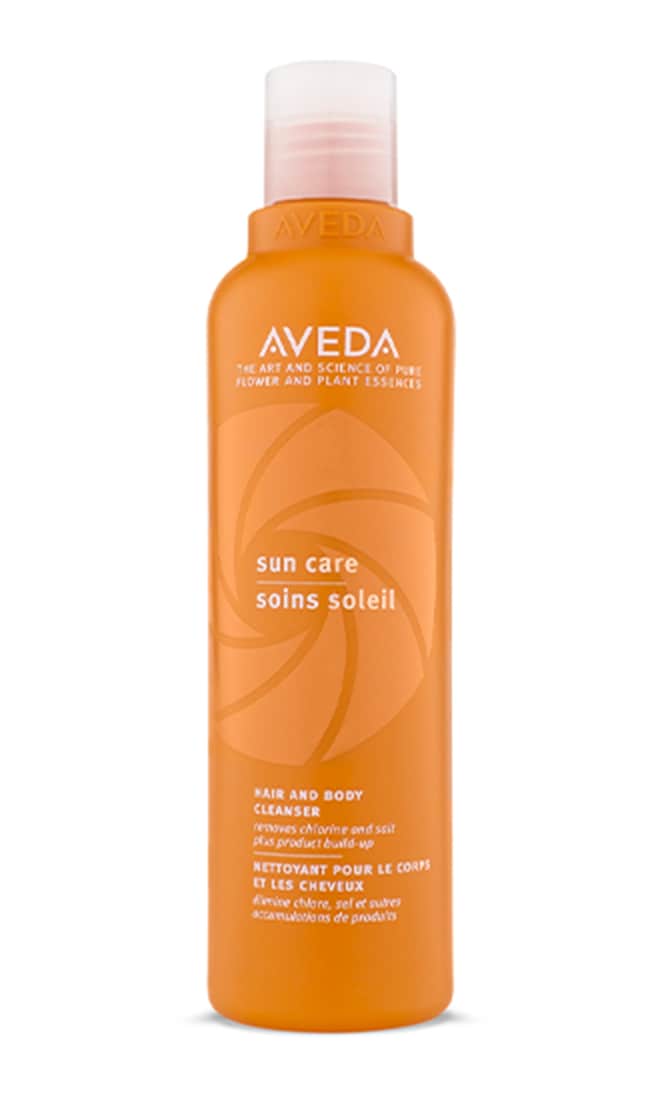
sun care
Sun Care Hair and Body Cleanser
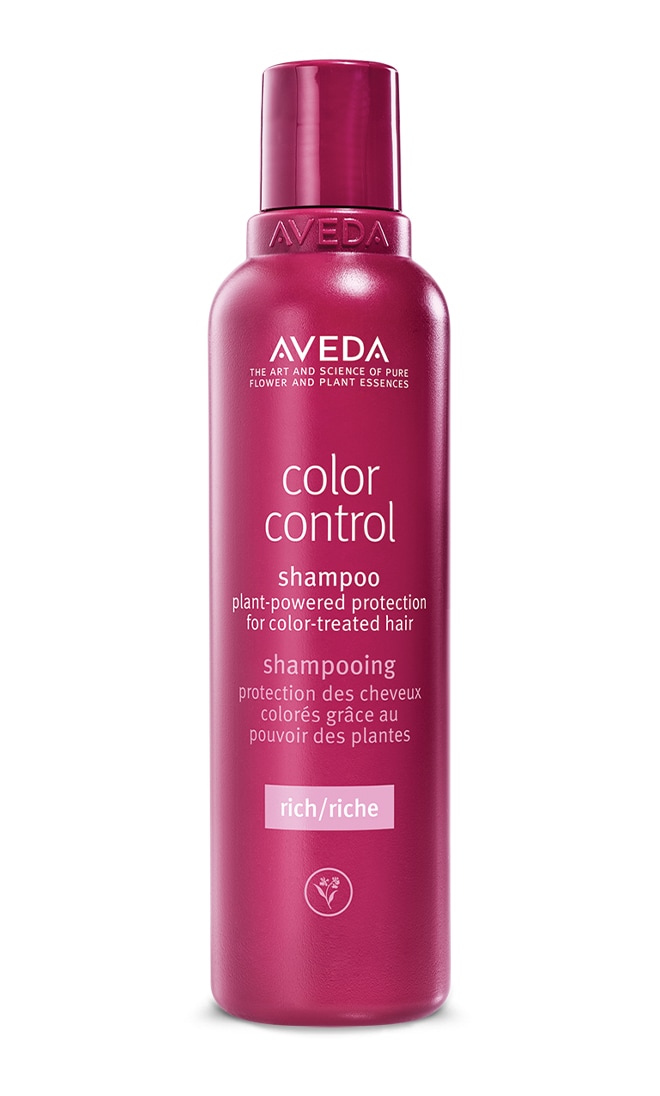
color control™
Color Control Rich Shampoo
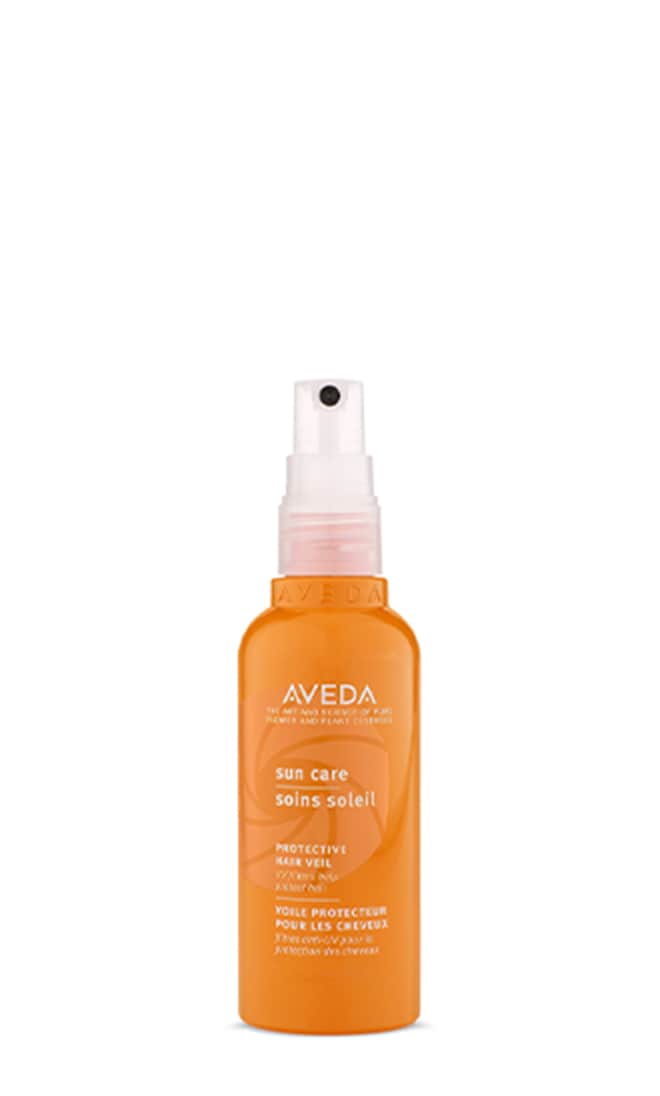
sun care
Sun Care Protective Hair Veil Uv Defense
Purchases made through these links support Lee Graves Salon through Aveda's A-Commerce program. Prices shown were checked on 2026-08-20; the current price always appears at aveda.com.
Ready to Get Started?
Book an appointment or call us for a personalized consultation.
Related Articles
Balayage vs Highlights Cost: Which Is More Expensive?
Balayage vs highlights cost, with real Plano prices: what each costs per appointment, what each costs per year, and which one is actually cheaper for you.
Gray Coverage in Plano: Root Touch-Ups, Blending & Your Real Options
Full coverage, gray blending, or a gloss? What each option costs in Plano, how often you'll be back, and how to pick the right shade for gray hair.
Are Highlights More Expensive Than Full Color?
Wondering if highlights cost more than full color? Here's the real price difference, why it exists, and which option is the better value for your hair goals.