How Much Does a Hair Gloss Cost in Plano, TX? (2026 Price Guide)
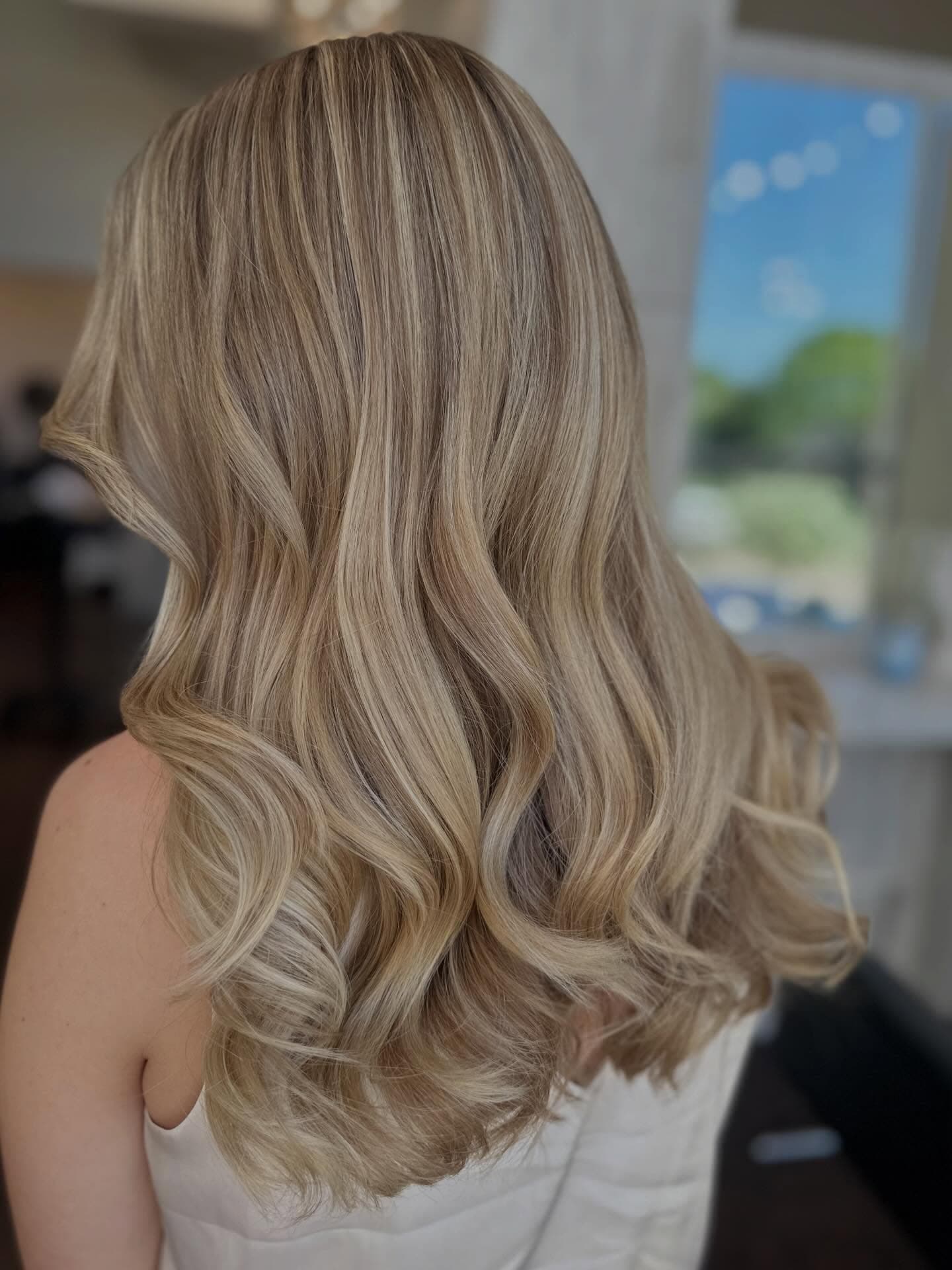
A gloss is the cheapest service on our color menu and the one that decides whether the expensive service you booked three months ago still looks expensive in week eight. It also goes by three different names depending on which salon you ask, which makes comparing prices across Plano harder than it should be.
Here is what a gloss costs at Lee Graves Salon, why the number has a range, what a year of glossing genuinely adds up to, and the three situations where booking one is the wrong call and a waste of your money.
Gloss and Toner Prices in Plano
| Service | Price by stylist level |
|---|---|
| Gloss / Toner on its own (60g) | $65 – $85 |
| Each additional 30g of product | +$10 |
That is the whole standalone price. The range is our five-level stylist system, where Level 1 is the newest stylist on the floor and Level 5 is the most experienced and in demand.
What matters just as much is the list of services where you should not be paying it separately, because toning is already in the price:
| Service that already includes toning | Price by stylist level |
|---|---|
| Full Highlights (includes all toning, gloss and shadow root) | $220 – $260 |
| Partial Highlights (includes all shadows, roots, gloss and tone) | $190 – $230 |
| Full Balayage (90g lightener, root smudge, gloss and tone) | $250 – $290 |
| Partial Balayage (45g lightener) | $210 – $250 |
| Bleach Retouch (30g lightener, root smudge, gloss and tone) | $180 – $220 |
| Illumination (face-framing highlights with gloss) | $100 – $120 |
| Signature Haircut & Style (includes conditioning and gloss) | $148 – $168 |
This is the single most useful thing to know when you are comparing two salon quotes. A lightening service that arrives with toning included and one that bills it as a separate line are not the same offer, even when the headline number looks lower. The full menu is on our pricing page, and the highlights pricing breakdown explains everything that moves a color quote.
Why the Price Has a Range
Two things move the number, and neither is negotiable at the chair.
Your stylist's level. Levels 1 through 5 reflect experience and demand, not a different product. The gloss a Level 1 stylist applies is the same formula a Level 5 applies.
How much product your hair takes. The base price covers 60 grams. Hair that is very long, very dense, or both will need more, and each additional 30 grams adds $10. Nobody can tell you over the phone which bracket you land in, which is why the price you are quoted at the chair is the real one.
Gloss, Toner, Glaze: Are You Paying for the Same Thing?
Usually, yes. This vocabulary is the reason gloss prices look so inconsistent across salons.
On our menu, gloss and toner are one line and one price. Both are demi-permanent color: they deposit tone and shine into the hair without removing any pigment. The practical difference people mean when they use the two words is usually formula rather than service — a toner is reached for when the goal is neutralizing unwanted warmth, and a gloss when the goal is refining shade and adding shine. Same chair time, same price.
"Glaze" is a marketing word, not a technical one. Some salons use it for a clear, pigment-free shine treatment; others use it for exactly the demi-permanent service described above. That is why the useful question when you book anywhere is not what do you call it but does it contain pigment. A clear gloss adds shine and nothing else. A pigmented one corrects tone. They are frequently sold at the same price, and only one of them fixes brassiness.
Our guide to root melt, shadow root and toning covers what each finishing service does to your color, and brassiness and toning explained breaks down how purple and blue pigments actually work.
What a Gloss Does, and What It Cannot
A gloss is good at four things: depositing tone, neutralizing unwanted warmth, adding shine to hair that has gone dull, and softening the line between a root and lightened lengths.
It cannot lighten anything. Demi-permanent color has no meaningful lift, so if your hair reads warm because the lightening stopped at an orange-gold stage rather than because the toner faded, a gloss will sit on top of that warmth and make it shinier. The American Academy of Dermatology notes that lightening hair more than three shades requires higher volumes of peroxide, which causes more hair damage — which is the reason a colorist stages lifting across appointments in the first place, and the reason glossing cannot substitute for it. Our guide to why blonde hair turns brassy explains how to tell the two causes apart in the mirror.
What a Year of Glossing Actually Costs
The gloss is cheap per visit, which is exactly why it is easy to underestimate across a year. These are straight multiplications of the published price, at the bottom and top of our level range.
| How often you gloss | Visits per year | At $65 (Level 1) | At $85 (Level 5) |
|---|---|---|---|
| Every 6 weeks | 8 | $520 | $680 |
| Every 8 weeks | 6 | $390 | $510 |
| Between balayage appointments | 3 – 4 | $195 – $260 | $255 – $340 |
| Only when the tone turns | 1 – 2 | $65 – $130 | $85 – $170 |
Two caveats worth reading before you use that table.
If you are on foil highlights every six to eight weeks, the top row mostly does not apply to you — your toning is already included in each service, and a standalone gloss is only for stretching an extra few weeks out of the service you already paid for.
If you wear balayage, the third row is the realistic one, and it is the cheapest color maintenance on the menu. A full balayage holds its shape three to four months precisely because there is no hard regrowth line; one gloss in the middle of that window is what keeps the tone honest while you wait. Our balayage versus highlights cost breakdown runs the full year-by-year math on both routes.
Three Times a Gloss Is the Wrong Thing to Book
This is the section that saves people money, so it is worth being blunt.
- You want to be lighter. A gloss cannot do it. What you need is a lightening service — a bleach retouch at $180 to $220 on grown-out lightened hair, or a full highlight or balayage service if the placement itself needs work.
- Your roots have grown out and you want them covered. That is a root touch-up at $90 to $110, which is one-step color with full gray coverage. A gloss will blend scattered gray and add shine, but on heavy or resistant gray it mostly slides off. Our gray coverage guide compares covering, blending and growing it out with real prices for each.
- There is old color, banding, or box dye in the way. Glossing over a band makes a shinier band. That is a color correction, which is quoted after a consultation because session count, not product, is what sets the price.
How to Get More Weeks Out of Each Gloss
Demi-permanent tone sits on the hair rather than inside it, which is why it is always the first part of a color service to go. Everything below buys you time, and the cheapest gloss is the one you do not need yet.
- Clarify or chelate before your color appointment, not after. Most of North Texas runs moderately hard to hard, and mineral buildup both dulls shine and makes fresh tone grab unevenly. Our guide to hard water and hair covers the rhythm.
- Wash less, and cooler. Hot water opens the cuticle and lets deposited tone rinse away faster. This is the single biggest controllable factor.
- Use purple or blue toning shampoo sparingly. Once or twice a week is a ceiling, not a target — daily use turns blonde dull and faintly gray. Our post on maintenance toners covers when to reach for one.
- Protect from heat and sun. Both fade the lightest, most porous parts of your hair first, which is exactly where your tone lives.
- Book the gloss before it turns, not after. Refreshing tone that has faded is a gloss. Rescuing tone that has gone fully brassy sometimes is not, and that is a more expensive appointment.
If you are building toward a blonde rather than maintaining one, blonding and lived-in color explains how the lightening and the toning work together across appointments, and our full hair color menu covers everything else.
Frequently Asked Questions
How much does a hair gloss cost in Plano, TX? At Lee Graves Salon a standalone gloss or toner runs $65 to $85, set by your stylist's level from 1 to 5. That covers 60 grams of product, with $10 added for each additional 30 grams, so very long or very dense hair costs a little more. It is the least expensive service on our color menu.
Is a gloss the same thing as a toner or a glaze? On our menu, gloss and toner are one service and one price. Both are demi-permanent color that deposits tone and shine without lifting. "Glaze" is a marketing word rather than a technical one, and salons use it to mean either of the above, which is exactly why you should ask what is in the service rather than compare the names. The useful question at booking is whether the product contains pigment, which corrects tone, or is clear, which only adds shine.
Do I have to pay extra for a gloss with my highlights or balayage? No. Toning is already built into our full and partial highlights, full and partial balayage, Illumination and bleach retouch services, and our Signature Haircut & Style includes a gloss as well. You should only be paying the standalone $65 to $85 when you come in for toning on its own between color appointments. If another salon quotes highlights and then adds toning as a separate line, the two quotes are not comparable.
How often do I need a gloss? Most blonde and highlighted clients get one every six to eight weeks, which is roughly the point where demi-permanent tone has faded enough to see. If you wear balayage, the more common rhythm is one gloss between each full service, so three or four a year. The honest answer is that your mirror decides: when the tone looks warmer or duller than the day you left, it is time.
Can a gloss make my hair lighter? No, and this is the most common misunderstanding about the service. A gloss deposits color and shine, it does not remove pigment. If your hair is warmer than you want because of where the lightening stopped rather than because the tone has faded, no amount of glossing will fix it. That is a lightening problem and needs a bleach retouch, a highlight service or, where there is old color in the way, a correction.
Will a gloss cover my gray? It can blend gray, but it will not cover it the way a root touch-up does. A demi-permanent gloss has no lift and limited deposit, so on scattered gray it softens the contrast and adds shine, while on heavy or resistant gray it mostly slides off. If full coverage is the goal, the service you want is a root touch-up at $90 to $110, not a gloss.
Source: American Academy of Dermatology, Coloring and perming tips for healthier-looking hair. All prices are current starting rates from the Lee Graves Salon pricing menu and vary by stylist level, hair length and density.
Products for this
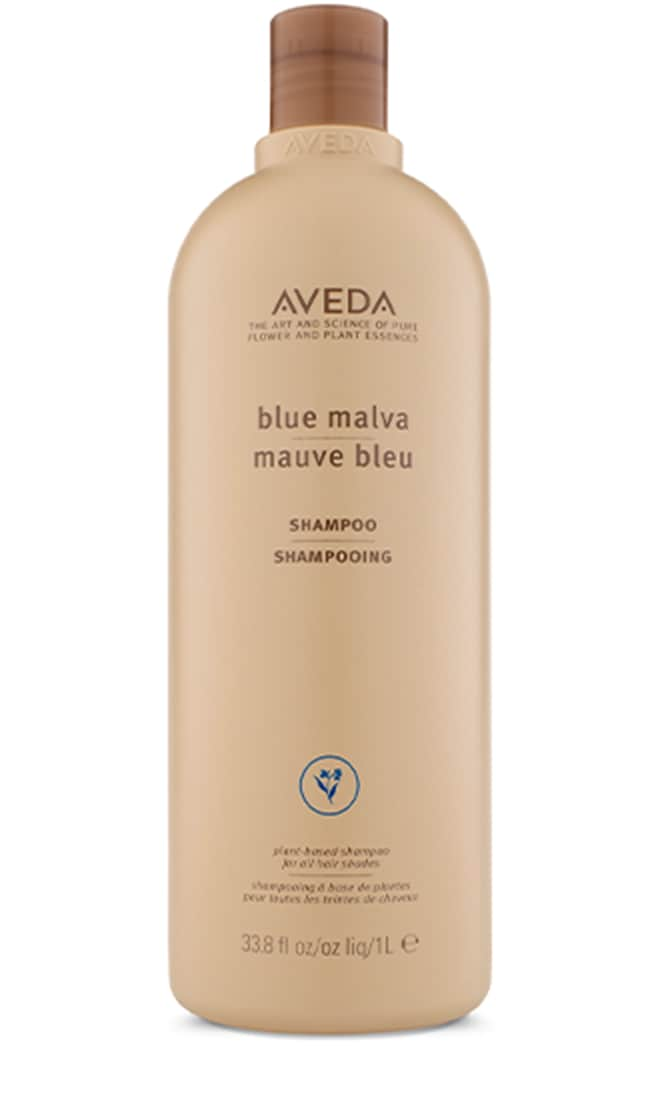
Blue Malva Color Shampoo for Silver and Blonde Tones
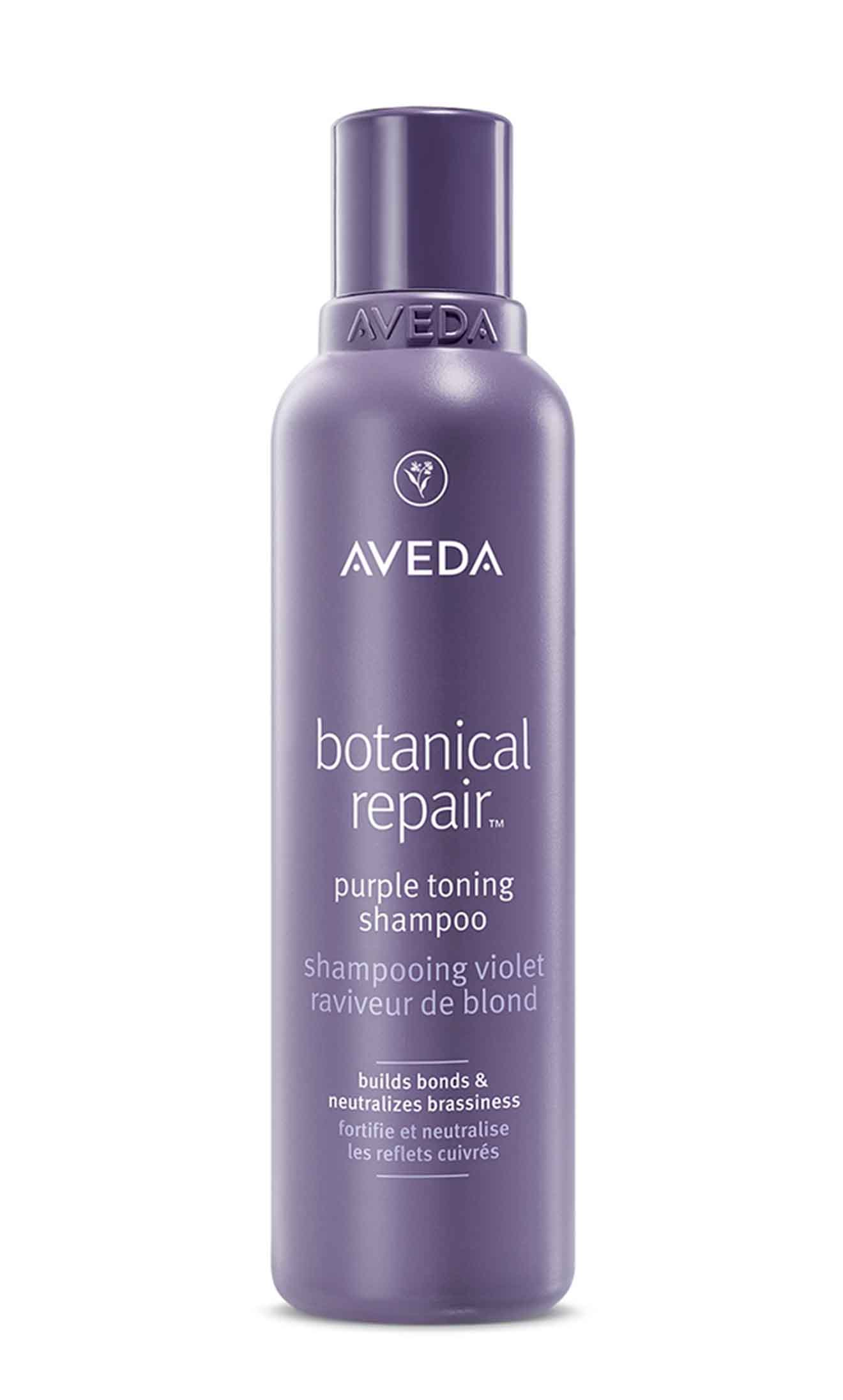
botanical repair™
Botanical Repair Purple Toning Shampoo

brilliant™
Brillianttm Shine Boosting Conditioner for Detangling and Shine
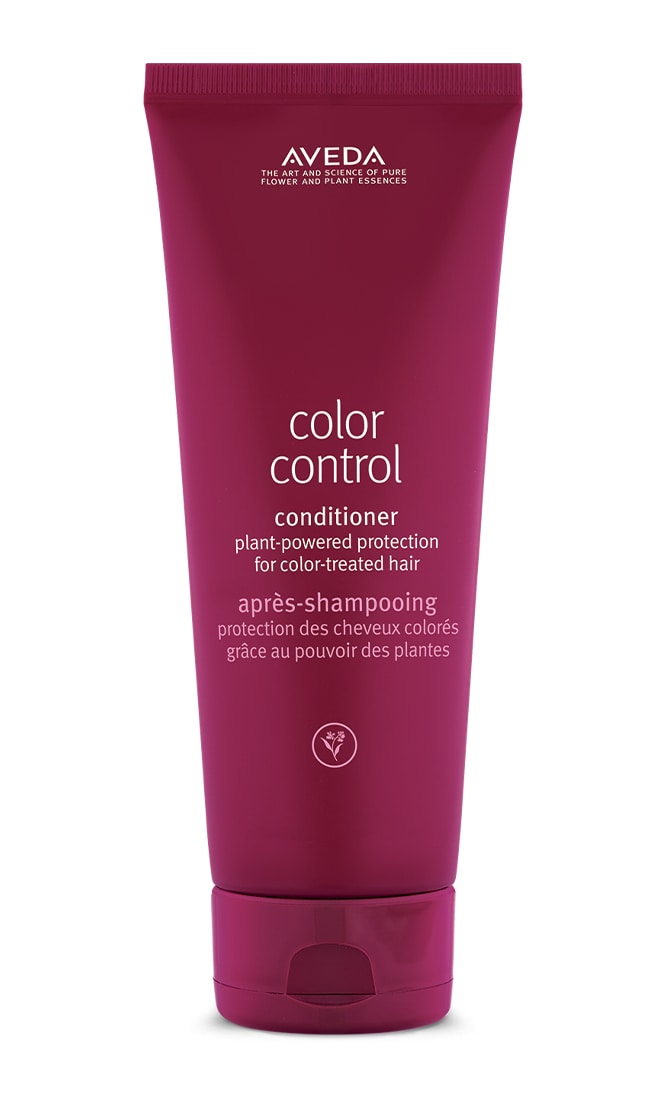
color control™
Color Control Conditioner To Help Fight Color Fade
Purchases made through these links support Lee Graves Salon through Aveda's A-Commerce program. Prices shown were checked on 2026-08-20; the current price always appears at aveda.com.
Ready to Get Started?
Book an appointment or call us for a personalized consultation.
Related Articles
Balayage in Frisco, TX: Cost, Upkeep, and Changing Colorists
What balayage costs for Frisco clients, the eight-mile route south, and how a new colorist takes over painted color mid-grow-out without starting you back at square one.
Balayage Near Carrollton, TX: Cost, Upkeep, and What to Expect
What balayage costs near Carrollton, TX, how many trips a year it actually takes, what it takes on dark hair, and how to keep the tone from going brassy in hard North Texas water.
What Is Color Correction for Hair? How the Process Works, Step by Step
A color correction is a sequence, not a single service. Here is how a colorist reads your hair, the order the steps happen in, why some corrections take several sessions, and what a correction genuinely cannot fix.