Brassy Hair & Toning: Why Hair Turns Orange and How to Fix It
Why lightened hair turns orange or yellow, how purple and blue pigments neutralize brass, and when to tone at home vs. in the salon, from our Plano colorists.
Reviewed by our stylists · updated 2026-08-21
Brass isn't a color your hair turns. It's the warm pigment that was inside your hair all along, showing through as toner fades. The fix is the color wheel: violet cancels yellow, blue cancels orange. A toning shampoo at home holds the line between appointments, and a salon toner or gloss re-deposits the neutralizing pigment properly and lasts weeks instead of washes. Here's how it all works, so you can stop fighting brass and start managing it.
Underlying Pigment 101: Why Lightened Hair Goes Orange or Yellow
Natural hair color is melanin, and melanin is warm at its core. When your colorist lightens hair, the pigment doesn't disappear all at once. It dissolves in stages, from dark brown through red, then orange, then yellow, then pale yellow. Wherever the lightener stops, that's your underlying pigment. A brunette lifted to caramel is sitting on orange. A blonde is sitting on yellow. That warm base never fully goes away; it's the foundation your finished color is built on.
The pretty, neutral tone you leave the salon with comes from toner layered over that base. Toner fades. All toner fades. As it does, the warm foundation reappears. So your hair isn't "turning" brassy; it's revealing what was underneath the whole time. We break down the blonde version of this in why blonde hair turns brassy, but the same physics applies at every level from platinum to lifted brunette.
The Color Wheel Does the Work
Neutralizing brass is just color theory: opposites on the wheel cancel each other. Match the neutralizer to the brass you actually see, not the one your favorite influencer uses.
| The brass you see | What cancels it | Who this usually is |
|---|---|---|
| Yellow | Violet / purple | Blondes, highlights, silver and gray hair |
| Orange | Blue | Lightened brunettes, balayage, caramel tones |
| Red-orange | Blue-green | Dark brunettes lifted only slightly |
This is why "just grab a purple shampoo" is half-right at best. Purple on orange brass barely moves it. Blue on a pale blonde can drag it murky. Look at your hair in daylight, name the warm tone honestly, and pick its opposite.
Toning at Home: Shampoos, Frequency, and the Gray Trap
Toning shampoos work by depositing a small amount of pigment every time you use them. They can't lift or lighten anything, and they only neutralize what's there, which makes them a maintenance tool, not a correction.
If your brass is yellow: use a purple shampoo about once a week, with your normal shampoo in between. If your hair is lightened and fragile, use one that repairs while it tones. A bond-building formula like botanical repair purple toning shampoo tones the yellow and strengthens the strand in the same wash, which matters because lightened hair is exactly the hair that needs both.
If your brass is orange, or your hair is silver: you want blue pigment, not purple. Something like blue malva color shampoo for silver and blonde tones knocks back orange in lightened brunettes and keeps gray and silver hair bright instead of yellow-dull.
Now the trap. Toning pigment builds up cumulatively, and porous, lightened hair drinks it in fast. Go past neutral and blonde stops looking brighter. It goes flat, smoky, gray, sometimes outright lilac. This is the single most common toning mistake we correct at the chair. If your hair looks duller after toning washes, that's not more brass, that's too much pigment. Stop toning, wash a few times with a clarifying or everyday shampoo, and it will lift back out.
On the days you're not toning, wash with something formulated to protect the toner you've got. A color-safe wash like color control light shampoo cleans without stripping the pigment you're working to keep.
Salon Toners and Glosses: Why They Last Longer
A salon toner (or gloss, which is the same family with a glossier finish) is a demi-permanent color your colorist custom-mixes to sit exactly opposite your underlying pigment at your specific level. Applied with a low-volume developer, it deposits pigment into the hair rather than resting on the surface the way a shampoo does. That's the whole difference: a toning shampoo tints the outside and rinses forward a wash or two at a time, while a toner settles under the cuticle and holds for four to six weeks.
Glosses also do something shampoos can't: they smooth the cuticle flat, which is why hair leaves a gloss appointment looking reflective and expensive even when the tone barely changed. It's a quick, inexpensive add-on to a haircut, and it's the backbone of low-maintenance color; we've covered how they fit between color appointments in our guide to maintenance toners.
Water and Heat: The Fade Accelerants
Whatever tone you have, whether from the salon or a shampoo, two things wash it out faster than anything else.
Water. Hot water swells the cuticle open, and open cuticles let toner molecules escape. Wash warm, rinse cool, and wash less often overall. Water chemistry matters too: Plano's water is hard, and mineral deposits both dull your tone and add their own brassy, orange-tinged cast on top. If your color fades warm faster than it should, our hard water guide is worth ten minutes.
Heat and sun. UV breaks toner pigment down faster than any shampoo, and a North Texas summer delivers months of it, plus pool chlorine, which shifts tone all on its own. Before long days outside or an afternoon at the pool, mist through a UV protectant like sun care protective hair veil and re-apply the way you would sunscreen.
Hot tools count as heat, too. Every high-temperature pass bakes a little tone out of the hair, so use a heat protectant and the lowest setting that gets the result. For the complete fade-prevention playbook, see how to keep your color from fading.
Mistakes That Keep Hair Brassy
- Toning daily. More is not brighter. It's grayer. Once a week, then reassess.
- Wrong pigment for the brass. Purple fights yellow. Blue fights orange. Match it to what you see.
- Hot showers. The cuticle opens, the toner leaves. Rinse cool.
- Stretching toner too far. Booking a gloss at week five beats fighting brass at week ten.
- Expecting shampoo to fix orange. Toning shampoo maintains a tone; it can't correct a lift that stopped too warm. That's a colorist conversation.
- Swimming and sunbathing unprotected. Chlorine and UV undo weeks of careful toning in a weekend.
If your hair keeps sliding warm no matter how faithfully you tone, the answer usually isn't more purple shampoo. It's a formulation fix, and that takes a colorist's eye. Come see us in Plano; a fifteen-minute gloss appointment resets your tone and lets your home routine do what it does best: maintain.
What we recommend from Aveda
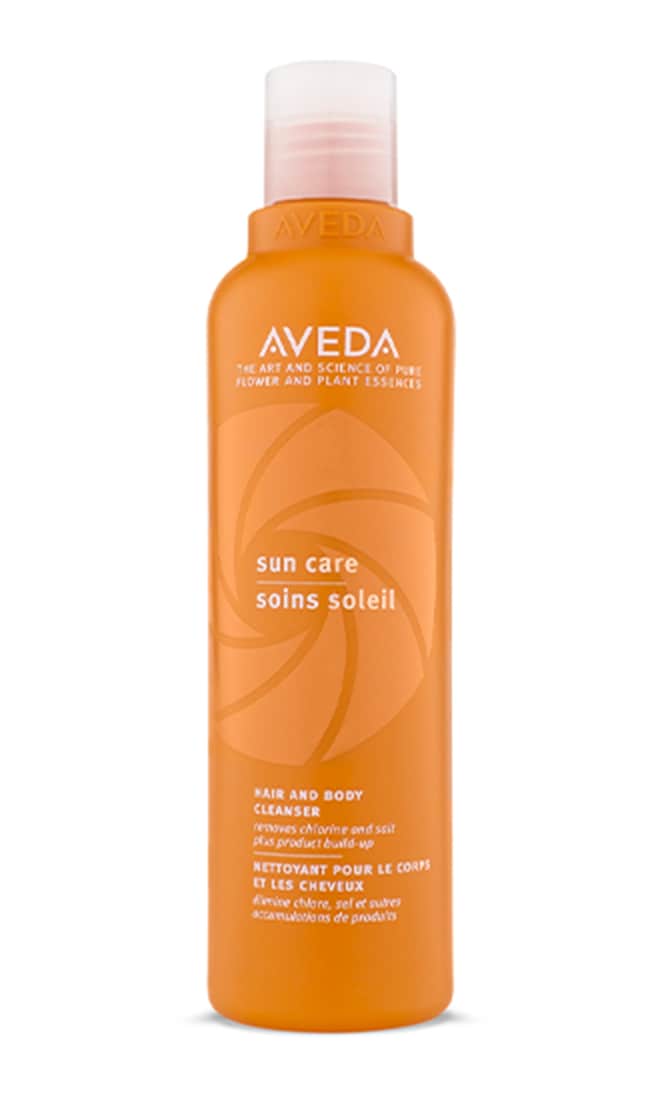
sun care
Sun Care Hair and Body Cleanser
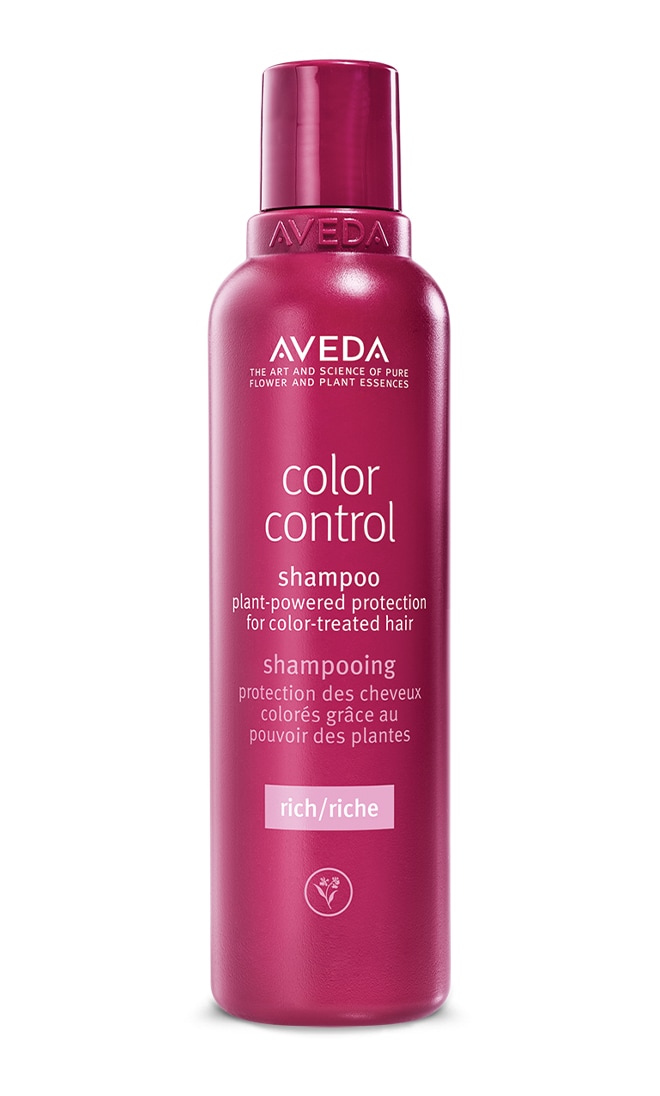
color control™
Color Control Rich Shampoo
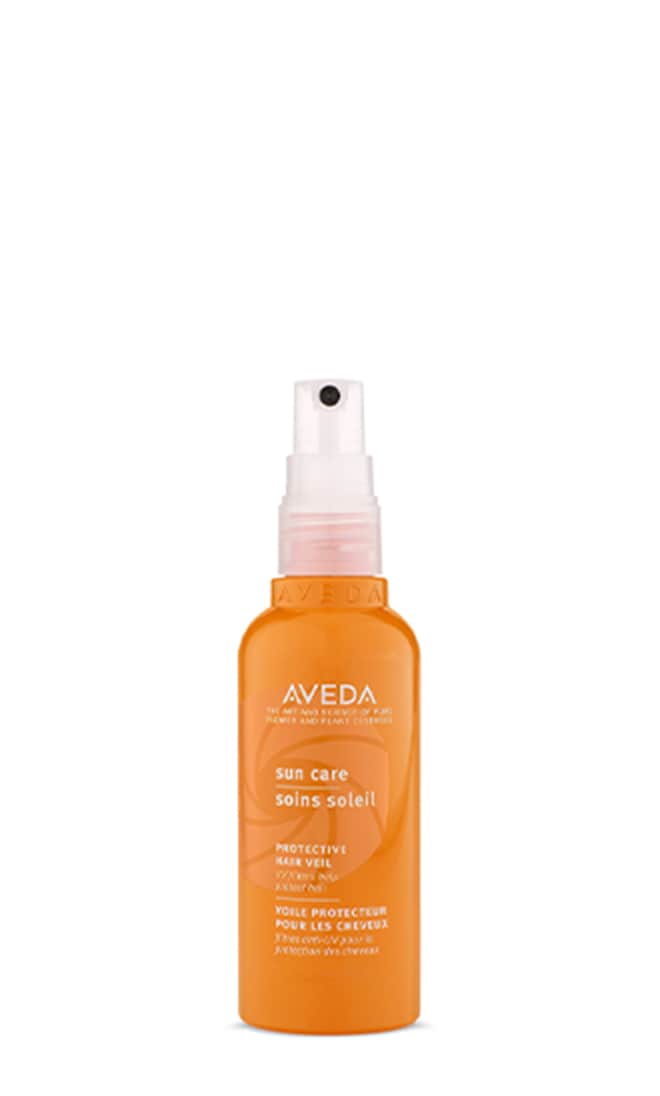
sun care
Sun Care Protective Hair Veil Uv Defense
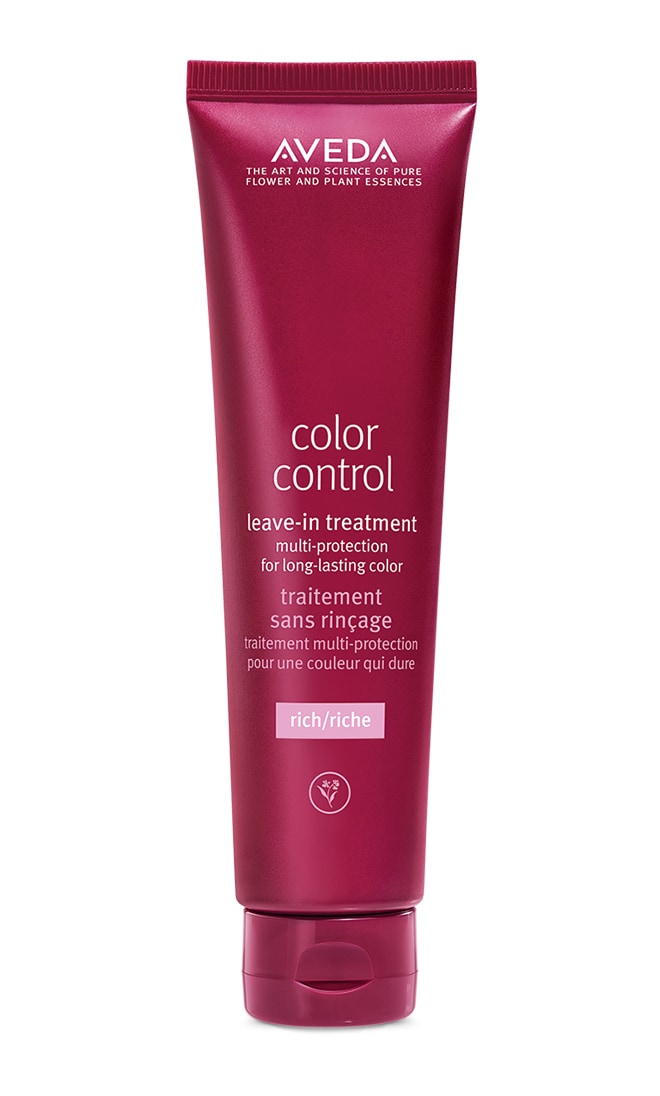
color control™
Color Control Leave In Treatment Rich
color control™
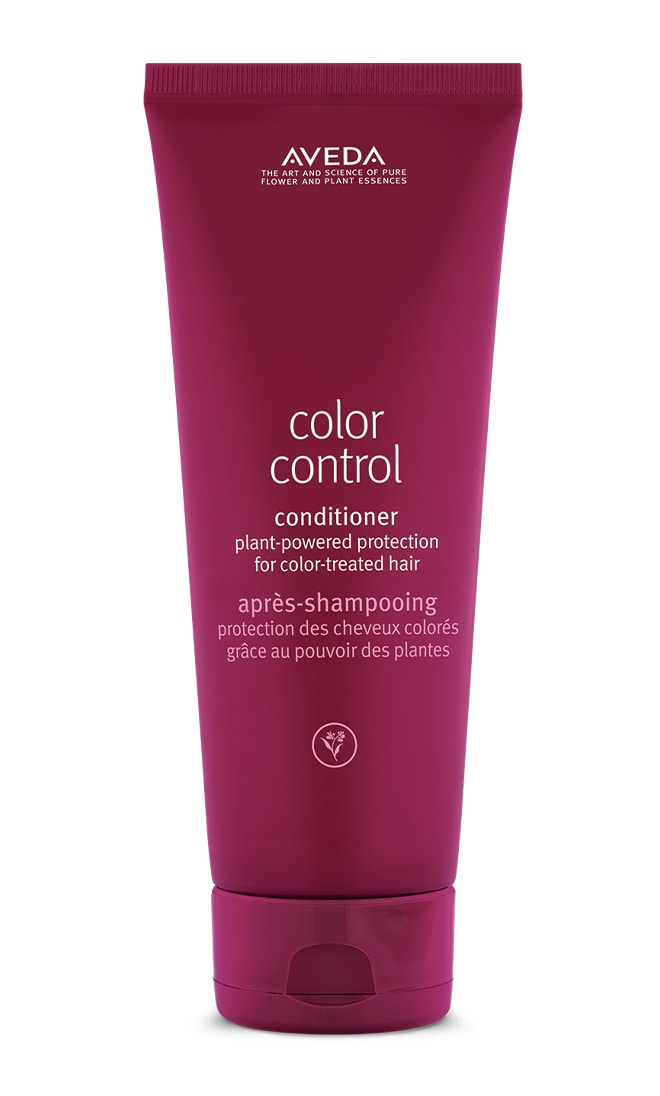
Color Control Conditioner To Help Fight Color Fade
Purchases made through these links support Lee Graves Salon through Aveda's A-Commerce program. Prices shown were checked on 2026-08-20; the current price always appears at aveda.com.
Common questions
How often should I use purple shampoo?
Once a week is plenty for most blondes, and you can use your regular color-safe shampoo the rest of the time. If your hair is very porous or your water is hard, you might stretch to twice a week, but watch the mirror, not the calendar. The moment your blonde starts looking dull or smoky instead of bright, you've deposited enough violet. Skip a week or two and let it rebalance.
What's the difference between purple shampoo and blue shampoo?
They neutralize different kinds of brass. Purple sits opposite yellow on the color wheel, so it's for blondes, highlights, and silver hair that's gone yellow. Blue sits opposite orange, so it's for brunettes and darker blondes whose lightened pieces pull orange or caramel-warm. Using purple on orange brass does almost nothing, and blue on a pale blonde can leave it looking murky.
How long does a salon toner or gloss last?
Four to six weeks for most clients, depending on how often you wash, how hot the water is, and how much sun and chlorine your hair sees. Toner molecules are small and rinse out a little with every shampoo, which is why it fades gradually warmer rather than changing all at once. Cool rinses, fewer washes, and heat protection all stretch the life of a gloss.
Why did purple shampoo turn my hair gray or lilac?
You over-toned. Violet pigment builds up wash after wash, and porous, lightened hair grabs it fast. Past the point of neutral, blonde starts reading smoky, gray, or lavender and loses its brightness. It's not permanent. Pause the toning shampoo, wash with a clarifying or regular shampoo a few times, and the excess pigment lifts back out within a week or two.
Does toner damage your hair?
A professional toner or gloss is a demi-permanent color with a very low-volume developer, and it's one of the gentlest services on our menu. It doesn't lift or lighten, it only deposits, and most formulas leave hair shinier and smoother-feeling than before because they help the cuticle lie flat. Toning shampoos are simply shampoos with pigment; used as directed, they don't harm hair either.
Want this dialed in for your hair specifically?
Book with us in Plano at (972) 378-0091 and leave with a routine that fits your hair, your schedule and your budget.