Hard Water and Hair: Fixing Mineral Buildup in North Texas
North Texas water is hard. What mineral buildup does to hair feel, color and lather, plus the clarify, chelate, moisturize fix our Plano stylists teach.
Reviewed by our stylists · updated 2026-08-21
If your hair feels coated and dull no matter what you buy, stop blaming your products and look at your water. Plano and most of North Texas sit squarely in hard-water country, which means every shower deposits a little calcium and magnesium onto your hair. The fix isn't a new conditioner. It's removing the mineral buildup that's already there, then keeping ahead of it with a simple clarify-and-chelate rhythm.
What Hard Water Actually Does to Hair
Hard water is just water carrying a lot of dissolved minerals, mostly calcium and magnesium, with sometimes traces of copper and iron depending on your pipes. Those minerals don't rinse away clean. They bond to the hair shaft, layer by layer, wash after wash. Three things follow:
Feel. Mineral deposits are rough and chalky. They lift and stiffen the cuticle, the shingle-like outer layer of each strand, so hair loses its slip. It tangles faster, feels straw-like even after conditioning, and goes dull because a rough surface can't reflect light the way a smooth one does.
Color. Minerals carry a charge, and color-treated hair grabs them readily. The result is brass creeping into blondes and brunettes, silver turning yellow, and fresh color fading faster than it should. Buildup also forms a film that new color has to punch through, which is why hard-water hair can process unevenly at the bowl. Our color-treated hair care guide covers the rest of the color-protection picture.
Lather. Calcium reacts with the cleansers in shampoo the same way it reacts with bar soap, forming a scummy residue instead of foam. So you use more shampoo to get the lather you expect, which leaves more residue behind. It's a slow spiral: harder to clean, more product, more buildup.
Signs Your Hair Has Mineral Buildup
- Hair feels coated or waxy even minutes after washing
- Shampoo won't lather the way it does at the salon or on vacation
- Dullness and tangles that conditioner doesn't fix
- Color fades fast, pulls brassy, or grabs unevenly at appointments
- A dry, tight, or flaky scalp, because buildup sits on skin too (our scalp care guide digs into that side)
- White crust on your faucets and showerhead, because whatever's on your fixtures is on your hair
The Fix Ladder
Work through these in order. Most people never need all four rungs.
Step 1: Clarify on a schedule
A purifying shampoo with stronger cleansers strips away the surface layer of minerals, oil, and product residue in one wash. Once a week is the sweet spot for most hair in our water, and we like rosemary mint purifying shampoo because it deep-cleans with white vinegar-derived cleansers without leaving hair stripped bare. Lather it twice: the first pass loosens buildup, the second actually cleans.
Always follow a clarifying wash with conditioner, because a freshly deep-cleaned cuticle is wide open and thirsty. Something light like rosemary mint weightless conditioner closes the cuticle back down and restores slip without starting a new layer of residue.
One more angle on cadence: every wet wash is another hard-water rinse. Stretching wash days with a dry shampoo means fewer mineral deposits to fight in the first place, and shampowder dry shampoo is a powder, so it refreshes roots without adding the film aerosols can leave.
Step 2: Chelate when clarifying isn't enough
Clarifying cleans the surface; chelating goes after the minerals themselves. Chelating agents, which you'll see on labels as EDTA, citric acid, or phytic acid, chemically bind to calcium, magnesium, and copper and carry them off the hair when you rinse. If your hair still feels coated after a proper clarifying wash, or your color has been fading fast, chelate about once a month. And always chelate the week before a color appointment: your colorist gets a clean canvas, and your color lasts noticeably longer. Ask us about an in-salon detox treatment if home versions aren't cutting it, because professional strength genuinely is stronger.
Step 3: Shower filters, the honest take
Here's what a shower filter will and won't do. It will reduce chlorine and catch sediment and some metals, which is real and worth having, and chlorine is its own drying, color-fading problem, as anyone who's read our Texas summer hair guide knows. It won't soften your water. Removing dissolved calcium requires an ion-exchange softener plumbed into the house; no cartridge that fits on a shower arm can do that, whatever the box says. So: a filter is a reasonable upgrade that takes the edge off, a whole-house softener is the full fix if you own your home and want one, and neither replaces the wash routine above.
Step 4: Put the moisture back
Clarifying and chelating are deep cleans, and deep cleans are drying by nature. Balance them with a weekly conditioning masque on the mid-lengths and ends, and cooler rinses to keep the cuticle flat. If your hair is also color-treated or fragile, make your everyday wash on the non-clarifying days a gentle strengthening formula like botanical repair strengthening shampoo, so the hair rebuilding happens between the deep cleans rather than being undone by them.
Mistakes That Keep the Cycle Going
- Clarifying daily. A purifying shampoo used every day dries hair out and makes you reach for heavier products, which builds up again. Once or twice a week, maximum.
- Moisturizing harder instead of clarifying. Conditioner can't penetrate a mineral film. If hair feels coated, piling on richer masques just adds more residue on top. Remove first, then moisturize.
- Leaning on DIY vinegar rinses. A diluted apple cider vinegar rinse has mild, real benefits for shine and light residue, but it's not a substitute for a true chelator on genuinely hard water, and undiluted vinegar is too acidic to use casually.
- Endlessly switching shampoos. If every product "stops working" after a few weeks, that's not the products. That's buildup muting them all equally.
- Skipping the pre-color chelate. Coming to a color appointment with months of mineral buildup means your color fights the film instead of the hair. One chelating wash the week before changes the outcome.
Give the routine three or four weeks and you should feel the difference at the first rung, with softer, shinier hair and lather that behaves. If your hair still feels coated after that, or your color keeps pulling brassy, book in with us and we'll assess the buildup at the bowl and pair an in-salon detox with a plan for your water at home.
What we recommend from Aveda
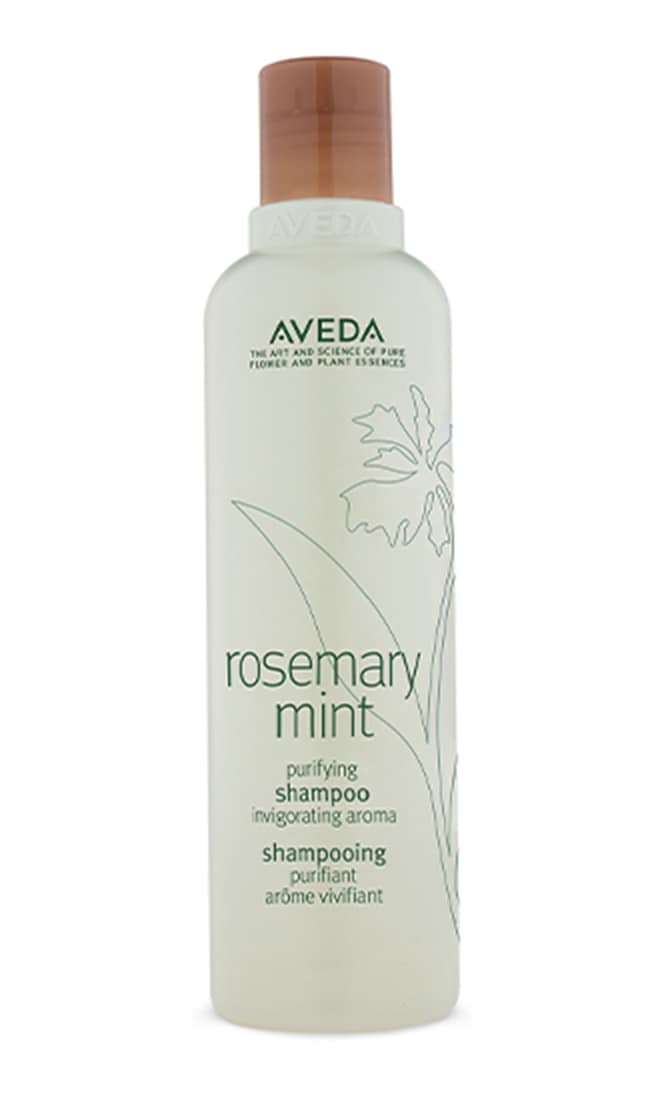
rosemary mint
Rosemary Mint Purifying Shampoo
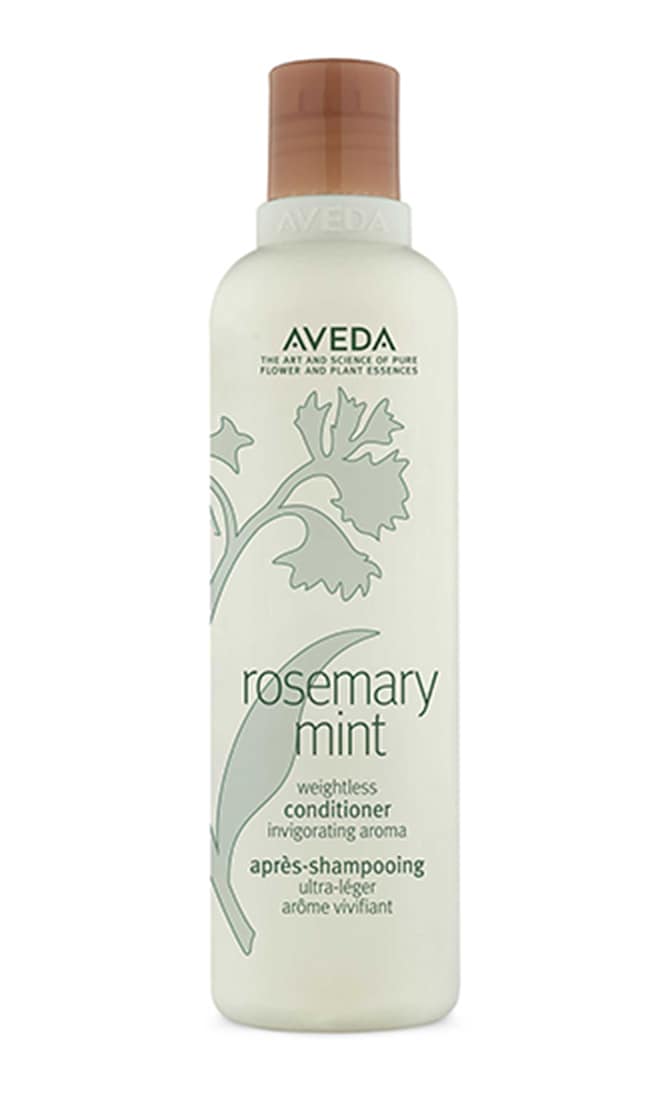
rosemary mint
Rosemary Mint Weightless Conditioner
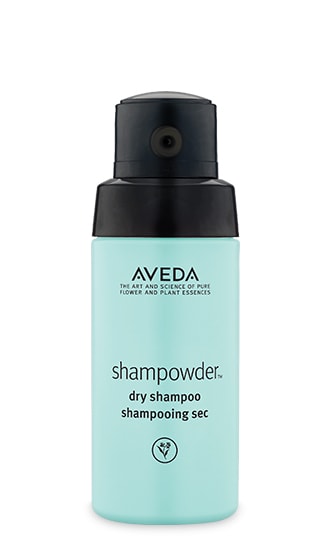
shampowder™
Shampowder Dry Shampoo
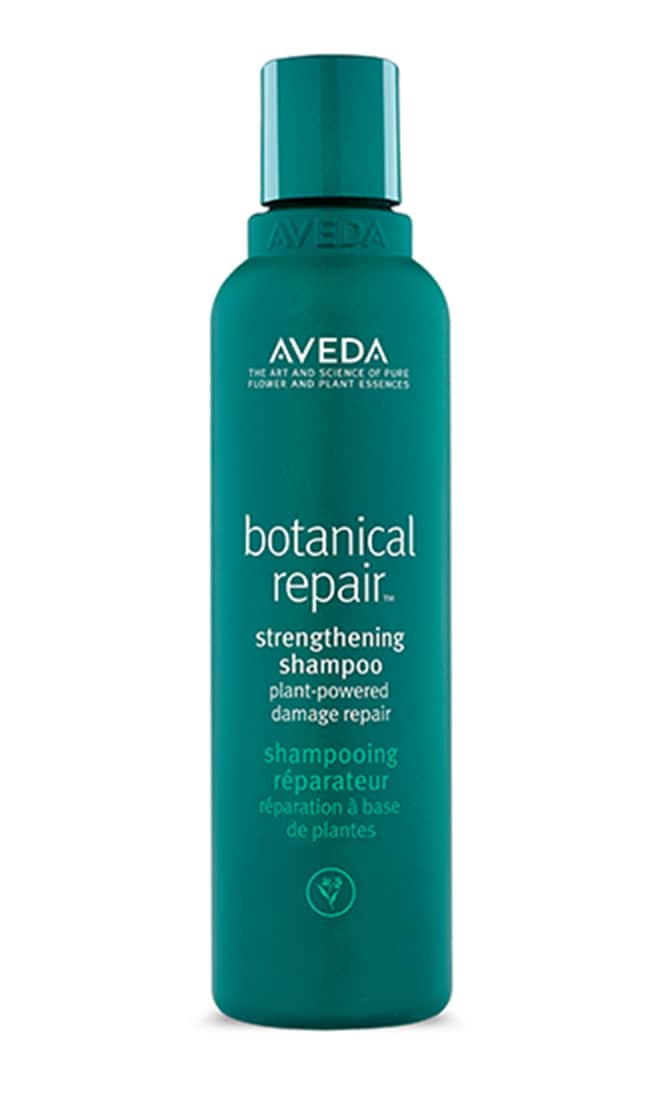
botanical repair™
Botanical Repair Strengthening Shampoo
Purchases made through these links support Lee Graves Salon through Aveda's A-Commerce program. Prices shown were checked on 2026-08-20; the current price always appears at aveda.com.
Common questions
How do I know if my water is hard?
Look around your house before you look at your hair. White crust on faucets and showerheads, cloudy spots on glasses out of the dishwasher, and soap that won't lather are all calcium at work. Most of North Texas runs moderately hard to hard, so if you live in Plano or anywhere nearby, it's safe to assume your hair is picking up minerals with every wash. Your city's annual water quality report lists the exact hardness.
What's the difference between clarifying and chelating?
Clarifying shampoos use stronger cleansers to strip away product residue, oil, and light surface buildup, so think of it as a deep clean. Chelating goes further: chelating agents chemically grab dissolved minerals like calcium, magnesium, and copper and pull them off the hair so they rinse away. Clarifying handles most weekly maintenance; chelating is for stubborn mineral buildup that a regular deep clean won't budge, and before color services.
Does hard water cause hair loss?
Not directly. Hard water doesn't affect the follicle, but mineral buildup makes strands rough, tangly, and brittle, so hair snaps mid-strand and breaks off, which can look a lot like thinning. Fixing the buildup usually fixes the breakage. If you're seeing true shedding from the root, meaning more hair in the drain and on your pillow, that's a different problem, and it's worth talking to your doctor.
Will hard water ruin my hair color?
It won't ruin it, but it works against it every single wash. Mineral deposits dull shine, drag warm brassy tones into blondes and brunettes, and form a film that fresh color has to fight through, which is why color can grab unevenly or fade faster on hard-water hair. Regular chelating, especially the week before a color appointment, keeps your color truer for longer and gives your colorist a clean canvas.
Do shower head filters actually soften water?
No, and any package that claims otherwise is overselling. Truly softening water means removing dissolved calcium and magnesium, which takes an ion-exchange system, not a cartridge in your shower arm. What a good shower filter does do is reduce chlorine and catch sediment, which is genuinely worth having. Think of a filter as taking the edge off, and let your wash routine handle the minerals.
How often should I clarify my hair in North Texas?
For most people here, once a week with a purifying shampoo keeps buildup from ever getting ahead of you, with a true chelating treatment about once a month. If your hair is fine or oily, you may want to clarify twice a week; if it's dry, curly, or color-treated, every ten days to two weeks is plenty. Watch how your hair feels right after washing: coated means clarify sooner, and squeaky means back off.
Want this dialed in for your hair specifically?
Book with us in Plano at (972) 378-0091 and leave with a routine that fits your hair, your schedule and your budget.