How to Choose the Right Hair Color for Your Skin Tone
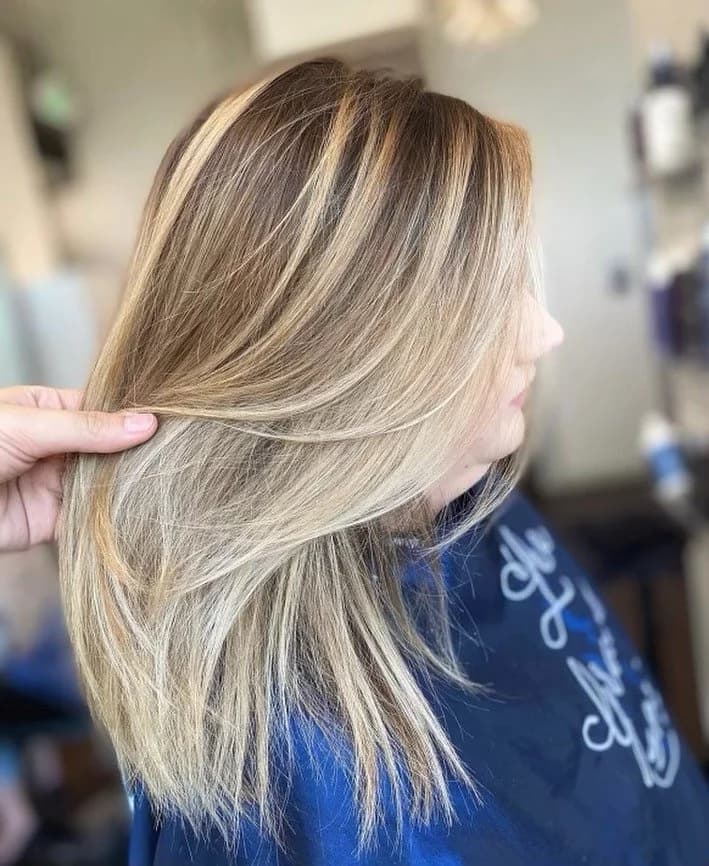
Choosing a new hair color is exciting, but it can also feel risky. You see a gorgeous shade on someone else (or on Pinterest) and wonder whether it'll look just as good on you. The truth is, the same shade of blonde, brunette, or red can look completely different from person to person, and the biggest reason comes down to one thing: your skin's undertone.
Understanding your undertone is the single most useful thing you can do before booking a color appointment. It's the difference between a color that makes you look radiant and one that makes you look washed out.
What Is an Undertone?
Your skin tone is the surface color, whether fair, light, medium, olive, tan, or deep. Your undertone is the color beneath the surface that never changes, regardless of how tan you get or how much sun you've had.
There are three categories:
- Warm undertones: Yellow, golden, or peachy hues beneath the skin
- Cool undertones: Pink, red, or bluish hues beneath the skin
- Neutral undertones: A balanced mix of both warm and cool
Your undertone stays consistent throughout your life. You might get darker in summer and lighter in winter, but whether you lean warm or cool doesn't change.
How to Determine Your Undertone
There are several easy tests you can do at home. Try a few of these for the most accurate result:
The Vein Test
Look at the veins on the inside of your wrist in natural daylight.
- Green veins = warm undertone
- Blue or purple veins = cool undertone
- Mix of both = neutral undertone
The Jewelry Test
Which metal looks more flattering on you?
- Gold looks better = warm undertone
- Silver looks better = cool undertone
- Both look equally good = neutral undertone
The White Paper Test
Hold a piece of pure white paper next to your face in natural light.
- If your skin looks yellowish or warm next to the paper = warm undertone
- If your skin looks pinkish or rosy = cool undertone
- If you can't tell either way = neutral undertone
The Sun Test
How does your skin react to sun exposure?
- Tans easily, rarely burns = likely warm
- Burns first, then tans = likely cool
- Sometimes burns, sometimes tans = likely neutral
The Clothing Test
Do you look better in:
- Earth tones (olive, mustard, rust, warm red) = warm
- Jewel tones (sapphire, emerald, plum, cool pink) = cool
- Both families look good = neutral
No single test is definitive on its own, but when multiple tests point the same direction, you can feel confident about your undertone. And if you're still unsure, that's exactly what a professional color consultation is for.
Best Hair Colors for Warm Undertones
Warm undertones harmonize with hair colors that have golden, copper, and honey tones. The goal is to complement the warmth in your skin rather than fight against it.
Warm Blondes
- Honey blonde
- Golden blonde
- Strawberry blonde
- Butter blonde
- Caramel blonde
Warm Brunettes
- Caramel brown
- Chestnut
- Toffee
- Golden brown
- Warm chocolate
Warm Reds
- Copper
- Auburn
- Warm cinnamon
- Ginger
- Strawberry
Colors to Approach with Caution
Ashy, silvery, or icy tones can clash with warm skin, making it look sallow or overly yellow. That doesn't mean they're off limits, since a skilled colorist can add warm face-framing pieces to bridge the gap, but they require more careful placement.
Best Hair Colors for Cool Undertones
Cool undertones pair beautifully with hair colors that have ash, violet, or blue-based tones. These shades complement the pink and blue tones in cool skin.
Cool Blondes
- Ash blonde
- Platinum
- Champagne blonde
- Icy blonde
- Sandy blonde (with ash tone)
Cool Brunettes
- Ash brown
- Dark chocolate (neutral-cool)
- Espresso
- Mushroom brown
- Cool mocha
Cool Reds
- Burgundy
- Mahogany
- Violet-red
- Berry tones
- Wine
Colors to Approach with Caution
Very warm, golden, or brassy tones can make cool skin look ruddy or washed out. If you have cool undertones and your blonde is turning brassy, that clash between your cool skin and warm hair is exactly why it doesn't feel right.
Best Hair Colors for Neutral Undertones
If you have neutral undertones, you have the most flexibility. Both warm and cool shades tend to look good, and the key is balancing them and avoiding extremes in either direction.
Flattering Shades for Neutral Undertones
- Beige blonde
- Bronde (brown-blonde)
- Soft caramel
- Natural medium brown
- Soft auburn
- Rose gold
- Taupe
Neutral undertones can pull off colors that might be tricky for strongly warm or cool skin. This is actually an advantage, because you have a wider range to choose from.
Quick Reference: Undertone and Hair Color Pairings
| Undertone | Best Hair Color Family | Specific Shades | Tones to Avoid |
|---|---|---|---|
| Warm | Golden, copper, caramel | Honey blonde, golden brown, auburn, toffee | Icy platinum, blue-black, ash grey |
| Cool | Ash, violet, platinum | Ash blonde, espresso, burgundy, mushroom brown | Orange-copper, golden blonde, warm caramel |
| Neutral | Balanced, soft tones | Bronde, beige blonde, soft caramel, rose gold | Extreme warm or extreme cool tones |
Beyond Undertone: Other Factors That Matter
Undertone is the foundation, but it's not the only factor your colorist considers. Here's what else plays a role:
Your Natural Hair Color
Your natural base color affects how hair color processes. Going from very dark to very light (or vice versa) involves more steps, more processing, and more maintenance. Working within 2-3 shades of your natural color is typically the most flattering and lowest maintenance option.
Your Eye Color
Hair color and eye color work together to create your overall look:
- Blue eyes pop with cool tones, and ash blonde, cool brown, and warm copper all work
- Green eyes are enhanced by reds, coppers, and warm chocolate browns
- Brown eyes are versatile, and warm caramels, cool espressos, and auburn all look beautiful
- Hazel eyes can go either warm or cool depending on which tones you want to bring out
Your Lifestyle and Maintenance Tolerance
The most flattering color in the world isn't worth it if you can't maintain it. Consider:
- High-maintenance colors: Platinum, vivid reds, and fashion colors require touch-ups every 4-6 weeks
- Medium-maintenance: Full highlights and all-over color need touch-ups every 6-8 weeks
- Low-maintenance: Balayage, rooted looks, and colors close to your natural shade need touch-ups every 3-4 months
At Lee Graves Salon, we discuss maintenance expectations at every color consultation. A balayage ($250-$290) grows out more gracefully than full highlights ($190-$260), which is why it's become the most popular color service for clients who want beautiful color without constant upkeep.
Your Skin Concerns
Hair color sits next to your face all day long, so it interacts with your complexion in ways that matter:
- Redness or rosacea: Avoid warm reds and coppers near the face, as they can amplify redness. Cool, ashy tones or neutral browns tend to be more flattering.
- Hyperpigmentation: Rich, dimensional colors draw attention to your hair rather than your skin.
- Sallowness: Avoid ash tones if your skin leans yellow, because they can make you look more washed out. Warm, bright tones add life.
The Role of a Professional Color Consultation
While understanding your undertone gives you a great starting point, a professional color consultation takes the guesswork out entirely. Here's what happens during a consultation at Lee Graves Salon:
- Assessment: Your colorist examines your natural hair color, texture, condition, and any previous color history.
- Skin and eye analysis: They look at your undertone, eye color, and how different color swatches look against your face.
- Lifestyle discussion: How much time are you willing to spend on maintenance? What's your daily styling routine? Do you heat style frequently?
- Goal setting: What do you love about your current color? What do you want to change? Are there photos of looks you love?
- Custom formula: Based on all of the above, your colorist creates a custom formula and placement plan designed specifically for you.
This is why the same shade of "caramel balayage" looks different on every client, because it should. A good colorist adapts the formula to flatter each individual.
Visit our hair color services page to learn about the color techniques we offer, or meet our team to find a colorist who specializes in the look you're going for.
Common Color Mistakes (and How to Avoid Them)
Going Too Far from Your Natural Color
A dramatic change can be fun, but it comes with higher maintenance and more potential for damage. If you're making a big shift, plan to do it gradually over 2-3 appointments.
Ignoring Your Undertone
Choosing a color solely based on a celebrity photo without considering your own undertone is the most common reason clients end up unhappy with their color. That's not a reflection on the color. It's a mismatch.
Skipping Toner
If you're going blonde, toner is not optional. It's the step that takes brassy, yellow-orange lifted hair and transforms it into the cool, warm, or neutral blonde you actually wanted. Without toner, your blonde will almost always lean warmer than intended.
Box Color Over Professional Color
Applying box color over existing professional highlights or balayage creates unpredictable results because box color deposits color uniformly, while your highlighted hair has multiple levels of lightness. This often leads to banding, uneven color, and the need for a color correction.
Not Maintaining Between Appointments
A gloss treatment or toner refresh between full color appointments maintains vibrancy and fights brassiness. At Lee Graves Salon, a gloss treatment starts at $65 and can be done in under an hour, a small investment that keeps your color looking fresh.
Seasonal Color Adjustments
Many clients adjust their hair color seasonally, and that's a great approach when done thoughtfully:
- Spring/Summer: Lighter, brighter, more sun-kissed. Add face-framing highlights or lighten your balayage by half a shade.
- Fall/Winter: Richer, deeper, warmer. Add a glaze or toner to deepen your color, or add lowlights for dimension.
These seasonal shifts are easy for your colorist to manage and keep your look feeling current without dramatic changes.
Frequently Asked Questions
How do I know if I have warm or cool undertones? The easiest home test is the vein check, so look at the veins on the inside of your wrist in natural light. Green veins suggest warm undertones, blue or purple veins suggest cool undertones, and a mix of both suggests neutral. For the most accurate assessment, book a color consultation where your stylist can evaluate your undertone, eye color, and natural hair color together.
Can I pull off blonde if I have a dark complexion? Absolutely. Rich, warm blondes like honey, caramel, and golden tones look stunning on deeper skin tones with warm undertones. For cool undertones and deeper skin, consider champagne blonde or sandy tones. The key is choosing the right shade and placement, since a balayage or money piece rather than an all-over blonde often looks the most natural and flattering.
Why does my hair color always turn brassy? Brassiness happens when the warm underlying pigments in your hair are exposed during lightening. All hair has warm pigment beneath the surface, so when you lighten, those warm tones emerge. The solution is proper toning during your appointment and using a purple or blue shampoo at home to neutralize warmth between visits. Your colorist can recommend the right maintenance products for your specific shade.
Should I bring photos to my color consultation? Yes. Photos are incredibly helpful. Bring 3-5 images of colors you love, and also bring 1-2 images of colors you don't want. This gives your colorist a clear picture of your vision. Just keep in mind that lighting, filters, and the model's natural hair and skin will affect how a color looks in a photo versus in person.
How often should I change my hair color? There's no rule. Some clients keep the same color for years and simply maintain it. Others enjoy seasonal shifts, going lighter in summer and richer in winter. The most important thing is to make changes gradually and maintain the health of your hair throughout. Your colorist can help you plan changes that work with your hair's condition and your maintenance preferences.
Find Your Perfect Color
Choosing the right hair color is part science and part artistry. Understanding your undertone gives you a strong foundation, but working with an experienced colorist brings it all together.
At Lee Graves Salon, every color service begins with a consultation to make sure we're creating the right shade for your skin, your lifestyle, and your goals. Whether you're thinking about a subtle change or a complete transformation, we're here to help you find a color you love.
Book a color consultation to get started, or explore our color services to learn about balayage, highlights, and more.
Products for this
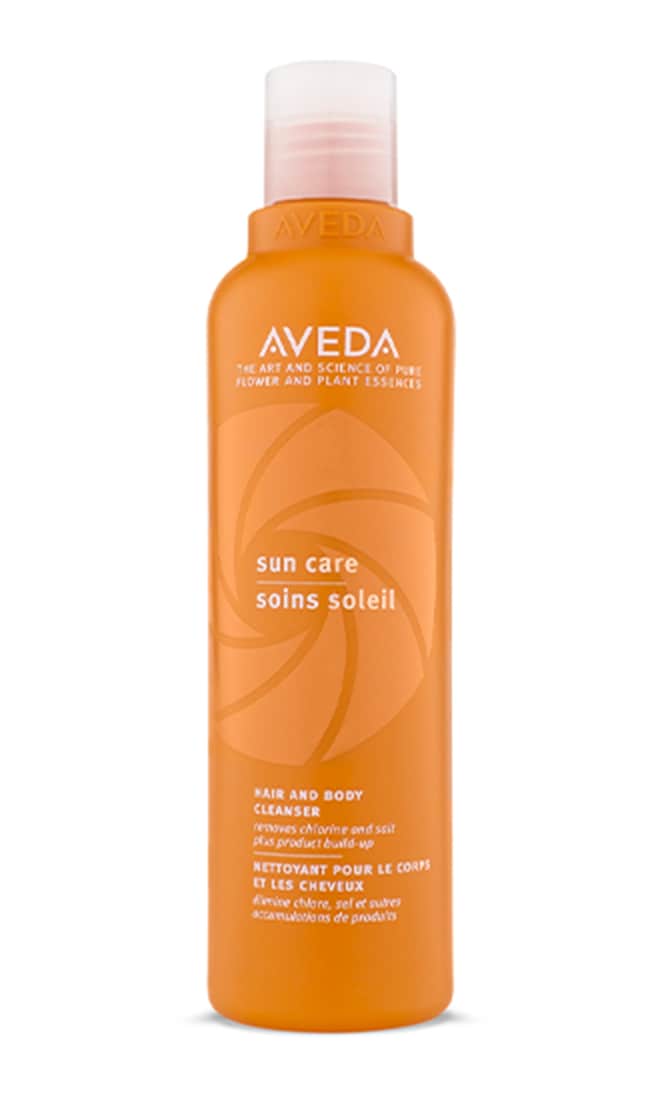
sun care
Sun Care Hair and Body Cleanser
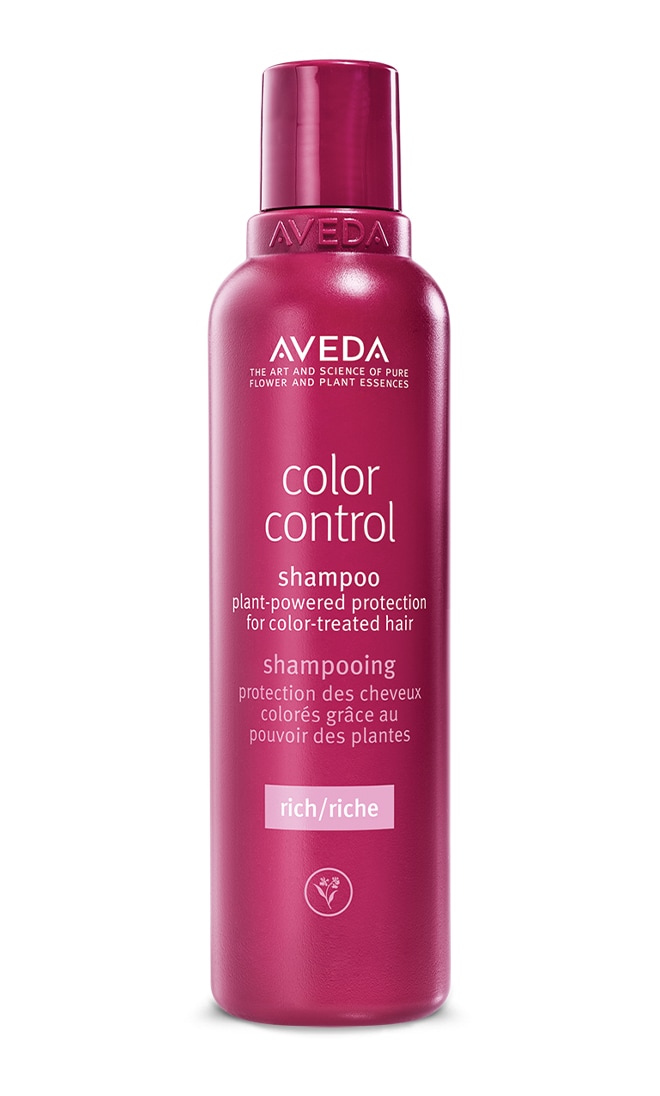
color control™
Color Control Rich Shampoo
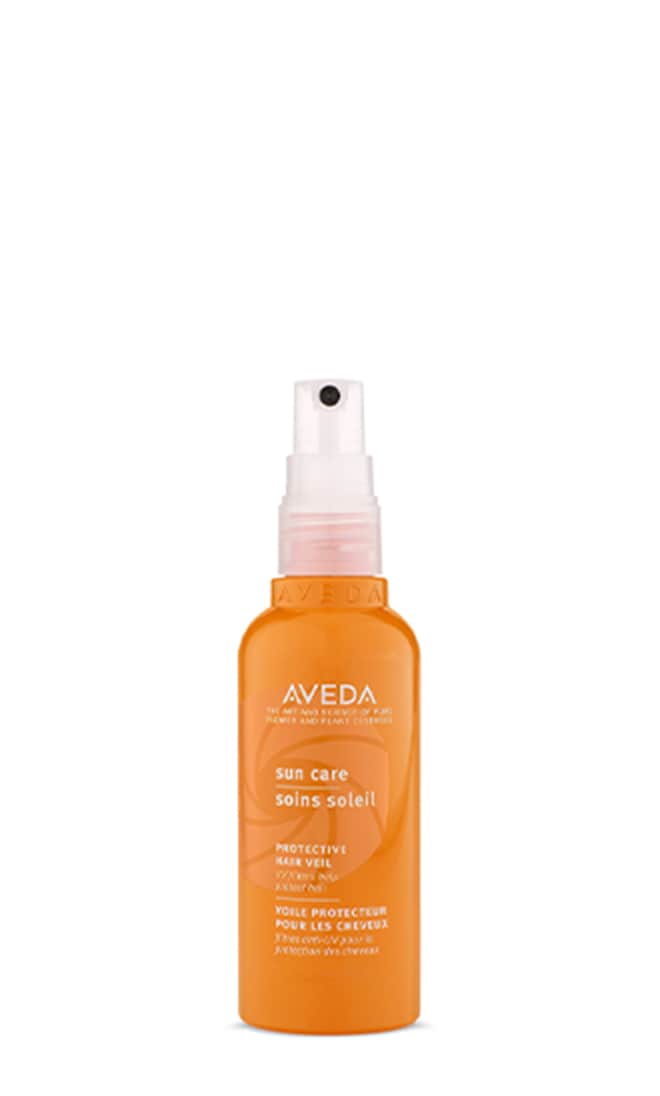
sun care
Sun Care Protective Hair Veil Uv Defense
Purchases made through these links support Lee Graves Salon through Aveda's A-Commerce program. Prices shown were checked on 2026-08-20; the current price always appears at aveda.com.
Ready to Get Started?
Book an appointment or call us for a personalized consultation.
Related Articles
Balayage vs Highlights Cost: Which Is More Expensive?
Balayage vs highlights cost, with real Plano prices: what each costs per appointment, what each costs per year, and which one is actually cheaper for you.
Gray Coverage in Plano: Root Touch-Ups, Blending & Your Real Options
Full coverage, gray blending, or a gloss? What each option costs in Plano, how often you'll be back, and how to pick the right shade for gray hair.
Are Highlights More Expensive Than Full Color?
Wondering if highlights cost more than full color? Here's the real price difference, why it exists, and which option is the better value for your hair goals.