Babylights vs Balayage: Which Technique Suits Your Hair?
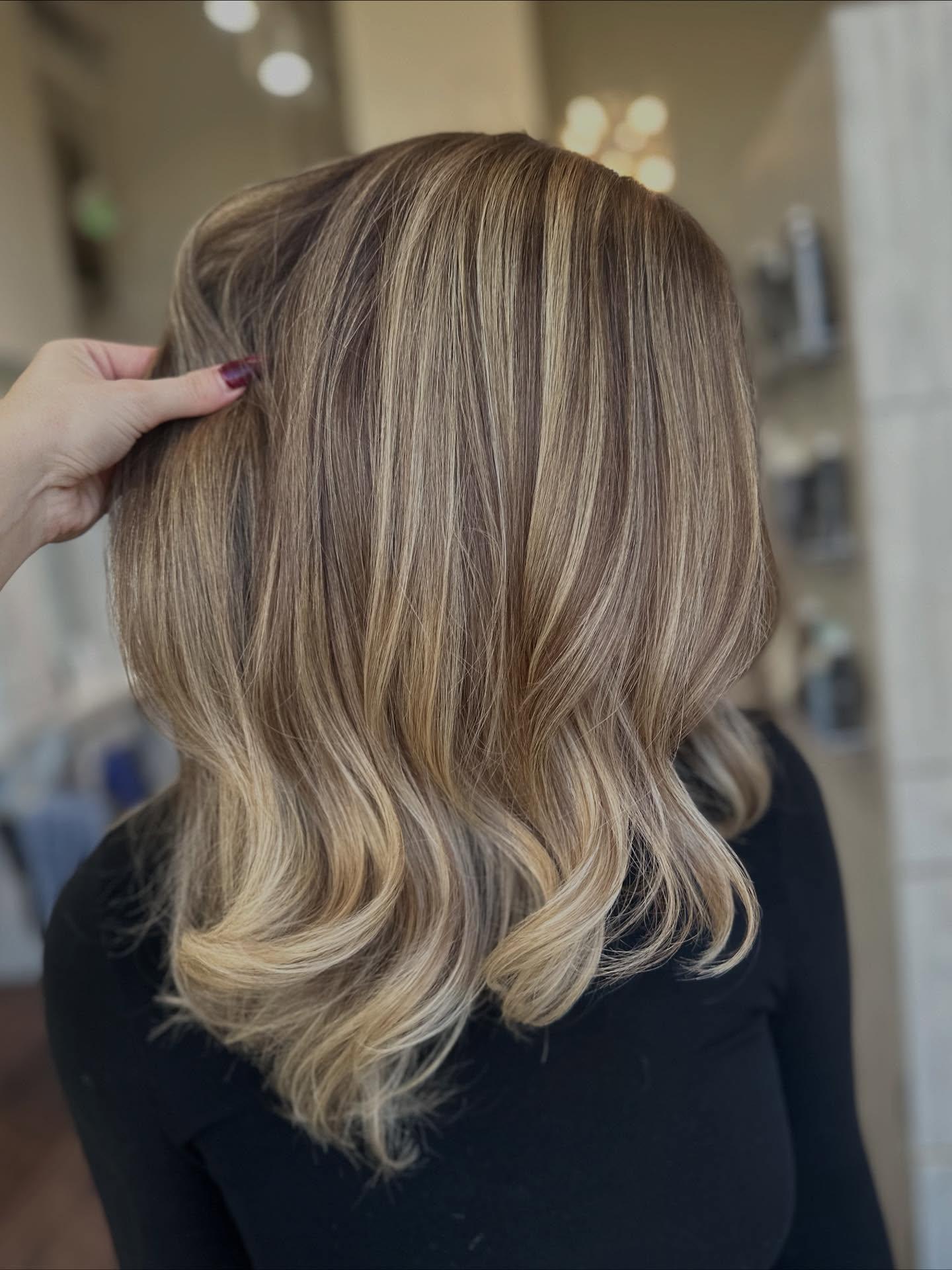
Most people arrive at this decision having seen both words on a booking menu and assumed they describe the same thing at two different strengths — as if babylights were balayage's quieter cousin. They are not on the same scale at all, and once you see why, the choice usually makes itself.
Here is the whole thing in one line: balayage is how the lightener goes on. Babylights are how finely the hair is sectioned before it does.
One Is a Method. The Other Is a Weave Size
Balayage comes from the French word meaning "to sweep," and that is literally the technique. Your colorist hand-paints lightener onto the surface of the hair, freehand, building brightness through the mid-lengths and ends where the sun would naturally land. No foils. Critically, the paint is kept off the scalp.
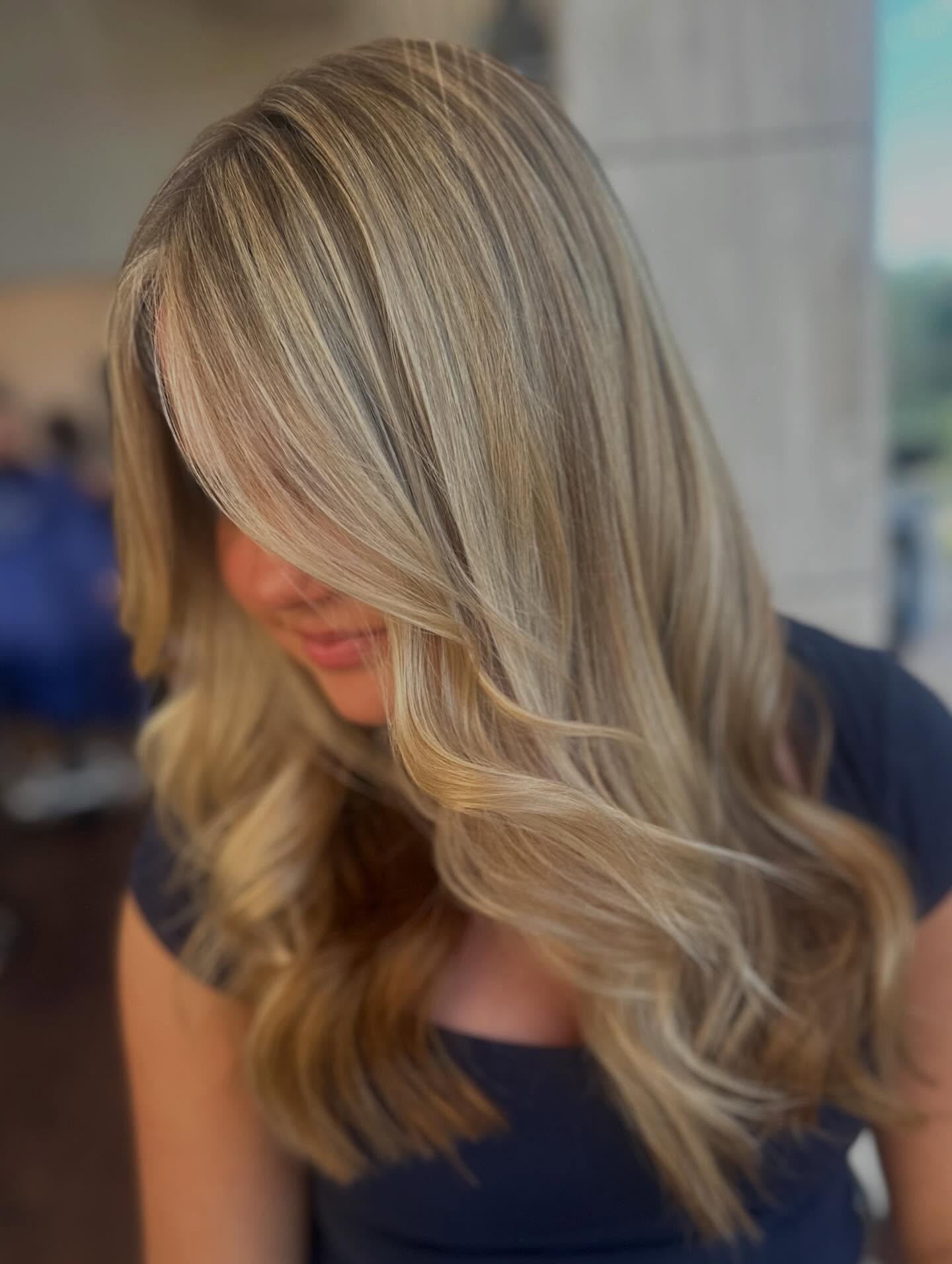
Babylights are a foil service. Your colorist weaves out very small, delicate sections — far more of them, far finer, than in a standard foil — wraps each one, and lifts it from the root down. The name comes from the fine, soft brightness children's hair gets around the face and part over a summer.
So "babylights versus balayage" is a slightly odd comparison on paper, the way "baked versus thinly sliced" is odd. In practice it is the right question, because the two produce genuinely different results and suit different heads of hair. It just means the deciding factor is not which one is "softer." Both are soft. It is something more specific.
Where the Brightness Starts
This is the difference that decides everything downstream.
Babylights are foiled, which means the lightener sits against the hair from the root. Your hair is brighter starting at the scalp. Balayage is painted, and painted off the scalp on purpose, which means the first inch or so stays at your natural depth and the brightness builds as it travels down.
Follow that one fact out and you get the entire comparison:
- Grow-out. Balayage has no line to grow out, because there was never any lift at the root. Babylights do eventually show regrowth — just far less obviously than chunky foils, because the woven pieces are so fine that the line is scattered rather than solid.
- Rebooking. Most balayage clients come in every three to four months. Babylights clients commonly stretch to eight to twelve weeks, which is unusually long for a foil service but still roughly twice as often as balayage.
- Gray. Painted color does not touch the root, so it does not touch root gray. Fine foils do.
- How bright you can get at the top of your head. If you want your part and your roots to read light, that is a foil job. Painting cannot do it without losing the thing that makes it balayage.
Everything else people argue about — which looks more natural, which is more damaging, which is more expensive — is downstream of that, and much less decisive than it sounds.
Side by Side
| Babylights | Balayage | |
|---|---|---|
| How it is applied | fine weaves wrapped in foil | hand-painted, freehand |
| Where the lift starts | at the root | off the scalp, through the lengths |
| Price (by stylist level 1–5) | $190 – $230 partial, $220 – $260 full | $210 – $250 partial, $250 – $290 full |
| Toning, gloss and shadow root | included | included |
| Rebooking cadence | every 8 – 12 weeks | every 3 – 4 months |
| Blends scattered gray at the root | yes | no |
| Time in the chair | long — the fine sectioning is slow | about 2 hours partial, 2.5 – 3 hours full |
| Best at | seamless, sun-lightened dimension including at the root | low-maintenance brightness with a soft grow-out |
Two notes on that table. Babylights are priced as a foil highlight service rather than carrying a line of their own, so the partial and full highlight rates are what you will see on the menu — the extra detail work shows up as time, which your colorist confirms at consultation rather than as a surprise at checkout. And the toning line is the one worth checking against any other salon you are comparing: a quote that looks cheaper often adds the gloss separately. The full menu is on our pricing page, and the highlights pricing breakdown covers everything that pushes a color quote above its starting rate.
Book Babylights If
- You want brightness at your part, not just through your ends. This is the single most common reason people who booked balayage come back slightly disappointed.
- Your hair is fine. More on this below, because it is the least obvious thing on this page and the most useful.
- You have scattered early gray you would rather blend than cover. Fine lightened pieces camouflage it without creating a hard color line you then have to maintain forever.
- You want it to look like nothing was done. Many more, much smaller weaves means no identifiable stripe anywhere — the result reads as hair that spent a summer outdoors.
- You are going lighter for the first time and want it gradual. Babylights build toward brightness over a couple of sessions rather than announcing the change in one.
Book Balayage If
- You would rather come in three or four times a year than eight. This is balayage's entire reason for existing, and for a lot of people it outweighs everything else on this page.
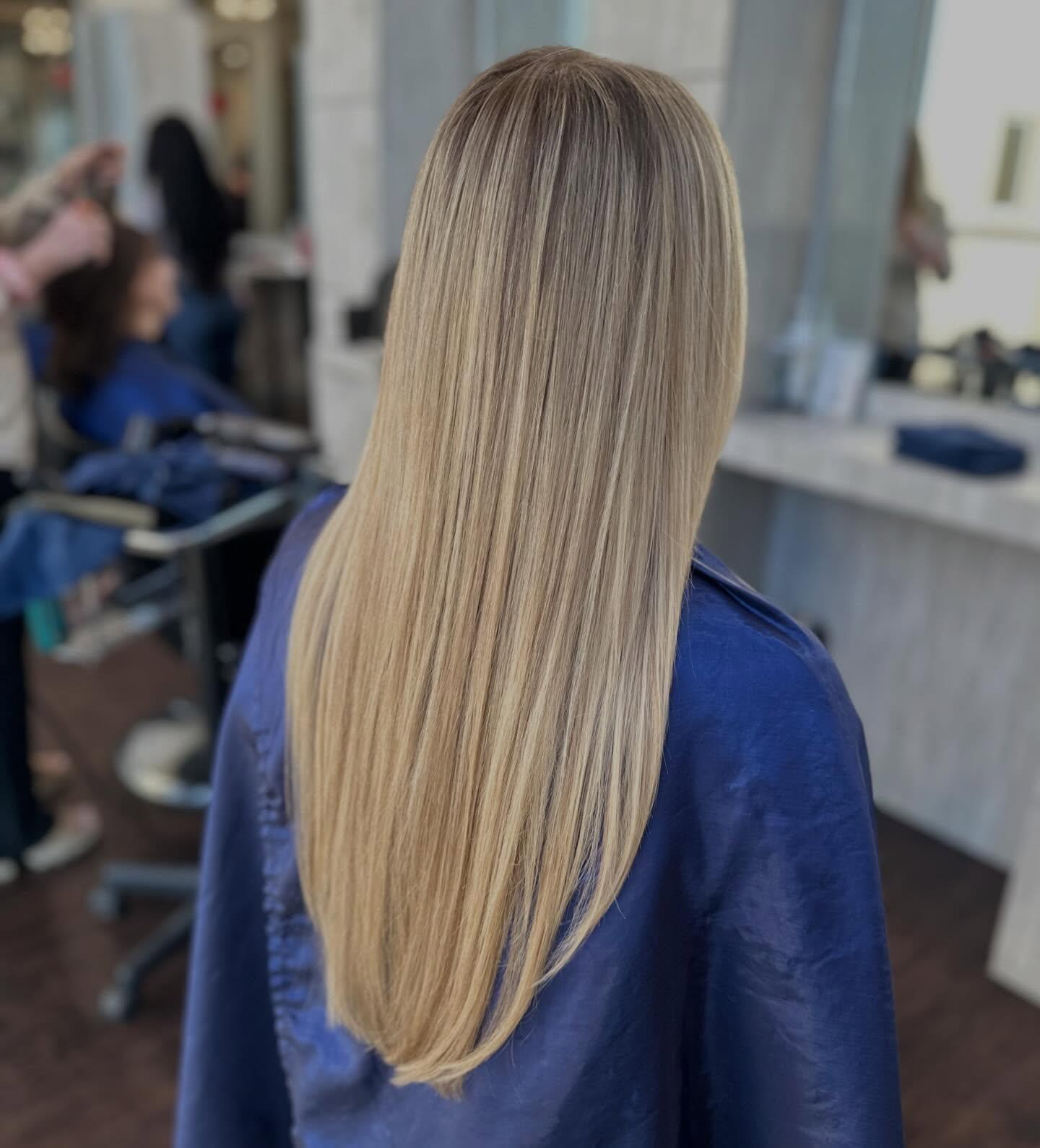
- You like a deeper root. A shadowed root is not a compromise in balayage, it is the design.
- Your base is dark and you want dimension rather than blonde. Soft caramel and honey movement through the lengths of brunette hair is painted color's best work.
- You are tired of chasing a regrowth line. If you are currently on a six-to-eight-week foil cycle and resenting it, this is the service that ends that.
- Your hair is thick or dense. Density is what makes painted placement read as dimension rather than as streaks.
The Fine Hair Question
Here is the part that rarely gets explained, and it reverses what most people assume.
Balayage is painted onto the surface of the hair. That means the finished effect depends on the hair underneath diffusing it — the painted pieces catch the light, the unpainted hair behind them gives the result depth, and together they read as dimension. On thick hair there is plenty of hair doing that second job.
On genuinely fine hair there is not. The painted pieces have less to sit against and less to disappear into, so they can read as separate marks rather than as movement, particularly when the hair is up or moving. It still works — plenty of fine-haired clients wear balayage happily — but it is less forgiving than its reputation suggests.
Fine foiled weaves solve this differently. Because the sections are tiny and numerous, the brightness is distributed strand by strand through the whole head rather than laid on top of it. There is no "underneath" being relied on to do anything. That is why babylights are one of the first techniques we suggest when someone with fine hair wants to look brighter, and it is worth knowing before you book the service with the more fashionable name.
If your hair is fine and you specifically want the low-maintenance grow-out that balayage is famous for, say exactly that at the consultation. There are ways to place fine foils lower and softer so they behave more like painted color at the root — but that is a conversation, not a drop-down menu choice.
Gray at the Root Settles It Fast
If you have gray coming in at the hairline or the part, this decision is usually already made for you, and it is the one thing on this page that is not a matter of taste.
Balayage is painted off the scalp. That is the feature. It is also, unavoidably, the reason it does nothing whatsoever for root gray — you will walk out with beautiful lengths and the same silver line you walked in with. Babylights, foiled from the root, lift those pieces along with everything else, which is why fine weaves are a long-standing answer for blending early, scattered gray softly.
The honest limit: blending works while the gray is scattered. Once it is dense enough that you are looking at a percentage rather than a few strands, you are in root coverage territory, which is a different service with a different cadence. Our guide to gray coverage in Plano lays out where that line falls and what each route costs.
You Do Not Actually Have to Choose
This is how a good share of the color in our chairs is built, and almost nobody asks for it by name: fine foils through the top and around the face, painted balayage through the lengths underneath.
The foils give you brightness that starts at the root where people look at you, and around the face where it does the most work. The painted sections below keep the regrowth soft so you are not back in eight weeks. It costs more than either one alone and takes longer than either one alone, but for anyone who has bounced between the two services wanting half of each, it is usually the answer they were describing without knowing the words for it.
Ask for it at the consultation rather than at the bowl. Stylists are scheduled by time, not by service, and a combination needs the time booked for it up front.
If you want the face-framing brightness specifically rather than the whole top, the money piece and face-framing highlights service does that on its own from $100, and pairs with painted color beautifully.
What Each Costs Across a Year
The two services refresh on different cycles, which is where the real cost difference lives — not in the price on the menu.
| Babylights (full) | Balayage (full) | |
|---|---|---|
| Per appointment | $220 – $260 | $250 – $290 |
| Typical appointments a year | 4 – 6 | 3 – 4 |
| Annual color | $880 – $1,560 | $750 – $1,160 |
| Gloss between visits | $65 – $85 each | $65 – $85 each |
Balayage costs more per visit and less per year. That is worth sitting with for a second, because the menu price points the opposite way and that is the number most people decide on. If your budget is the constraint rather than the look, a partial of either service is the lever worth pulling first — our guide to partial versus full balayage runs that math in detail, and balayage versus highlights cost compares painted work against foils across a full year.
One caveat that applies to both: if you are starting from a dark base and want to end up significantly lighter, neither service gets there in one appointment, and a colorist worth sitting with will say so. The American Academy of Dermatology notes that lightening hair more than three shades requires higher volumes of peroxide, which causes more hair damage — which is why a big change is staged across sessions rather than chased in a single afternoon.
How to Ask for What You Want
Saying "babylights" or "balayage" at the consultation is the least useful thing you can say, because both words have been used to sell roughly everything at some point. Four things that work better:
- Say where you want to see brightness. "At my part" and "through my ends" are two different services, and naming which one you mean settles this entire page in a sentence.
- Say how often you can realistically come in. Four visits a year and eight visits a year are designed completely differently, and placement kept softer and lower at the root stretches further.
- Bring two photos. One of the brightness you want, and one of hair that starts at roughly your depth. A goal photo on a base three levels lighter than yours is the most common source of a disappointing appointment.
- Mention your hair's density, or let your colorist feel it. It matters more than your hair color for this particular decision, and it is the one thing a photo cannot tell us.
Between appointments, both services are maintained the same way: a gloss or toner every six to eight weeks keeps the tone from drifting warm, cooler water and color-safe products slow the fade, and purple shampoo once or twice a week is a ceiling rather than a target. Our highlight maintenance guide has the full routine, how long balayage lasts covers the painted-color side specifically, and what a gloss costs in Plano explains the between-visit service both techniques rely on. If you are still weighing fine foils against standard ones, balayage vs. highlights is the wider comparison, and every technique we offer is laid out on the highlights hub.
Frequently Asked Questions
What is the difference between babylights and balayage? They are not two versions of the same thing. Balayage is an application method — lightener hand-painted onto the surface of the hair, freehand, kept off the scalp. Babylights are a weave size — very fine sections wrapped in foil, placed close together, and lifted from the root down. So balayage describes how the color goes on, and babylights describe how finely the hair is sectioned before it does.
Which is better for fine hair, babylights or balayage? Usually babylights. Painted balayage sits on the surface of the hair and relies on the density underneath to diffuse it, so on genuinely fine hair the painted pieces have less to blend into and can read as patchy when the hair moves. Fine foiled weaves spread the brightness strand by strand instead, which is why babylights are one of the techniques we recommend most often for fine hair.
Do babylights or balayage last longer? Balayage, by a clear margin. It is painted off the scalp, so there is no regrowth line to chase and most clients go three to four months between full appointments. Babylights are foiled from the root, so regrowth does eventually show — though because the weaves are so fine it is far less obvious than with chunky highlights, and many clients stretch to eight to twelve weeks.
How much do babylights and balayage cost in Plano? Babylights are priced as a foil highlight service at Lee Graves Salon: partial highlights start at $190 and full highlights at $220, rising to $230 and $260 at our most experienced stylist levels. Balayage is $210 to $250 for a partial and $250 to $290 for a full. Every one of those prices already includes the toning, gloss and shadow root rather than adding them at checkout.
Will balayage cover my grays? Not at the root, and this is the detail that settles the decision for a lot of clients. Balayage is deliberately painted off the scalp, which is exactly what gives it the soft grow-out — but it also means the first inch stays whatever color it already is. Fine foiled babylights lift from the root, so scattered early gray gets blended rather than left sitting there. If the gray is dense rather than scattered, root coverage is a different service again.
Can you do babylights and balayage together? Yes, and it is one of the most common ways we build color here. Fine foils through the top and around the face give brightness that starts at the root, and painted balayage through the lengths underneath keeps the grow-out soft. You get root-level brightness where people actually look and a forgiving regrowth everywhere else. Ask for it as one service at your consultation so the time is booked correctly.
Sources: American Academy of Dermatology, Coloring and perming tips for healthier-looking hair (lightening more than three shades requires higher volumes of peroxide and causes more hair damage). Prices are from the Lee Graves Salon pricing menu and vary by stylist level, hair length and density. Technique and cadence detail is from our babylights and balayage service pages.
Products for this
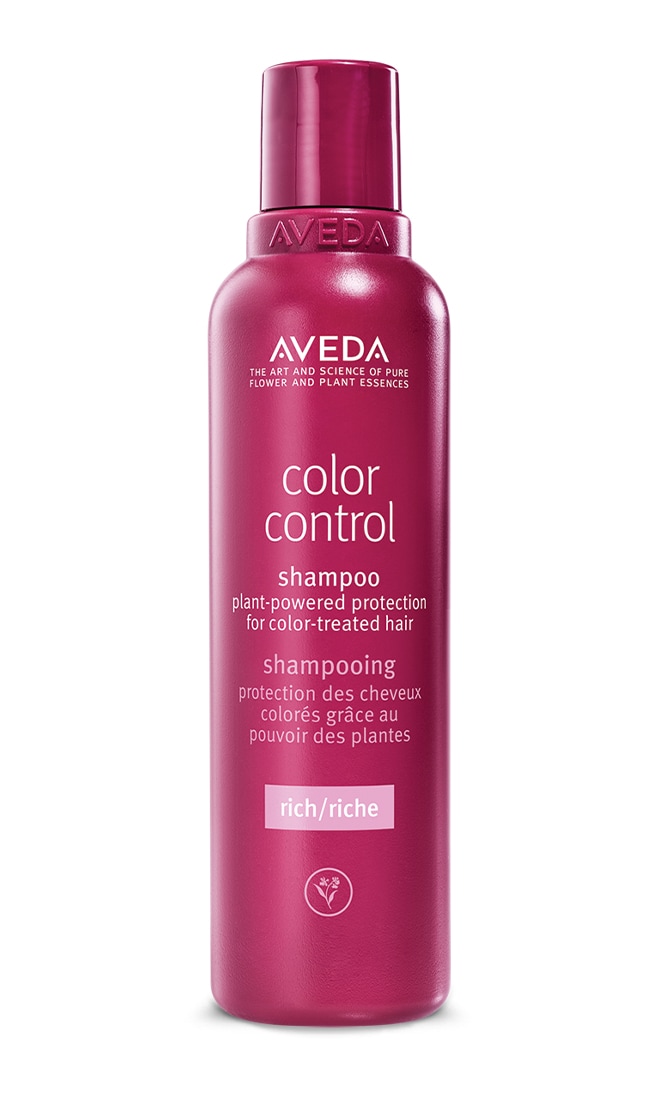
color control™
Color Control Rich Shampoo
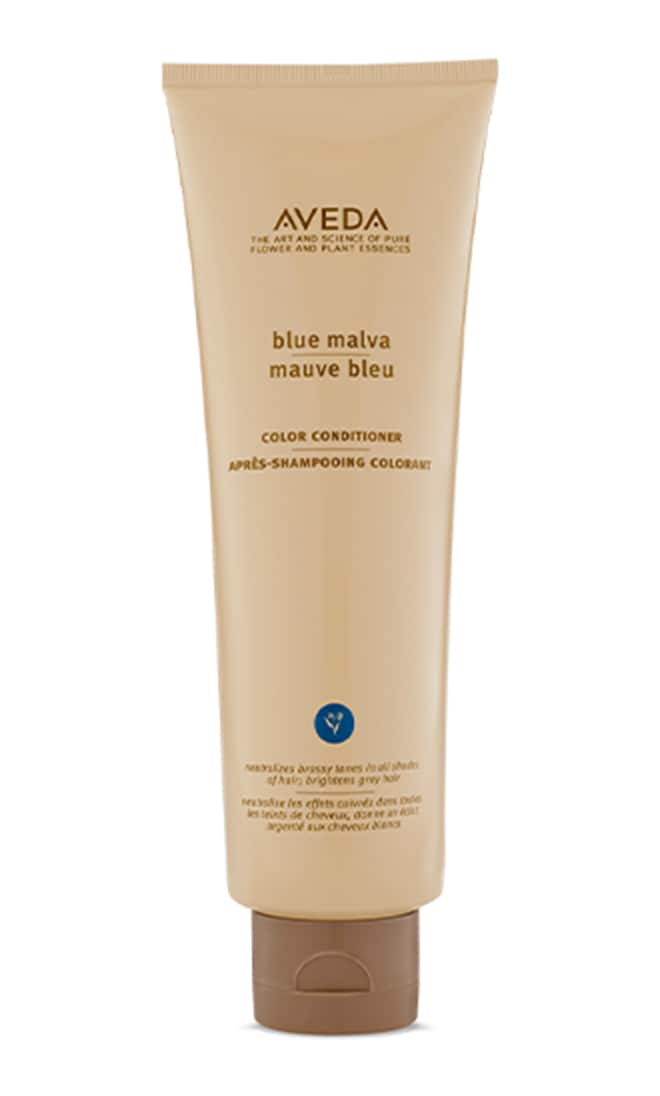
Blue Malva Color Conditioner for Silver and Blonde Tones
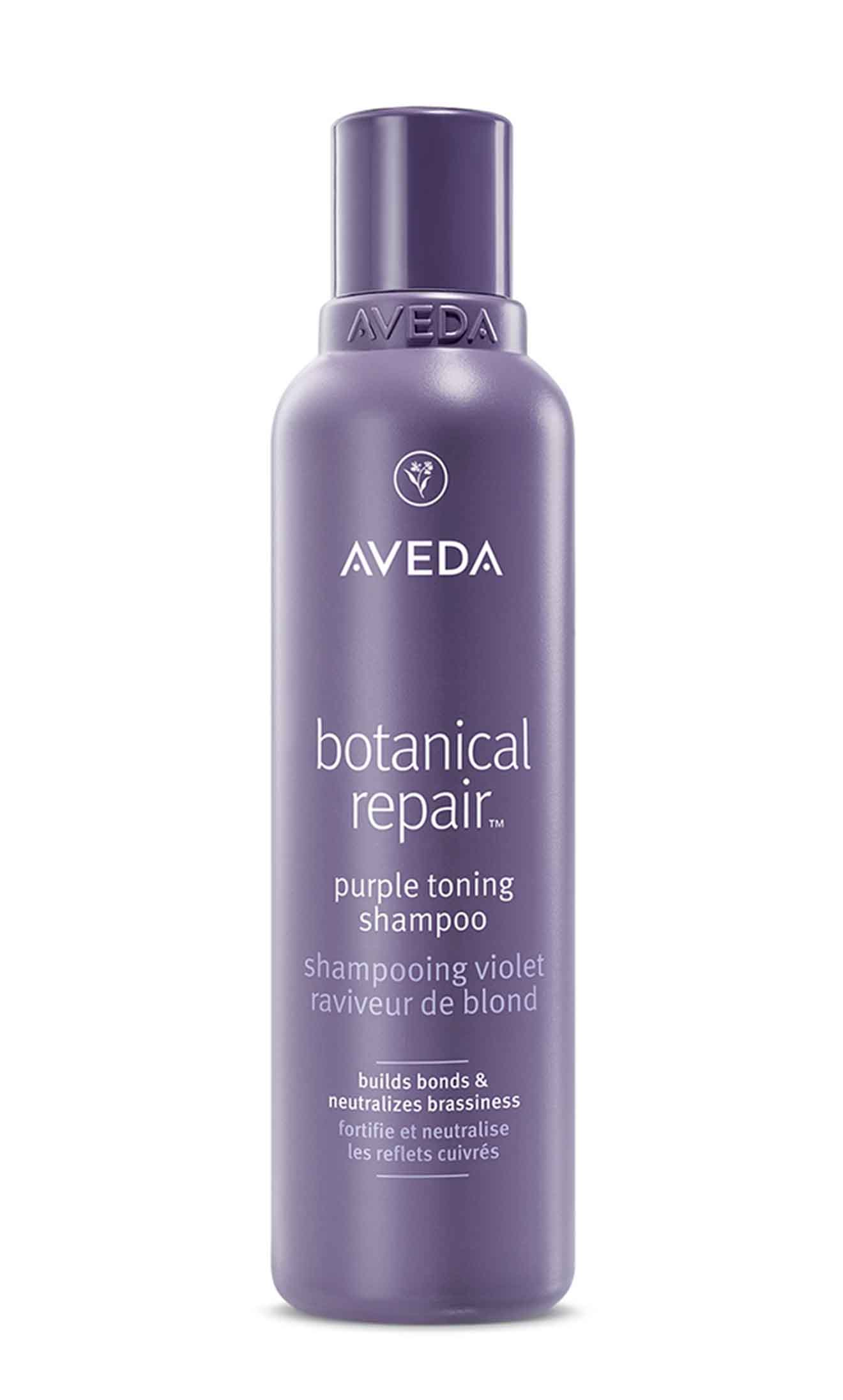
botanical repair™
Botanical Repair Purple Toning Shampoo
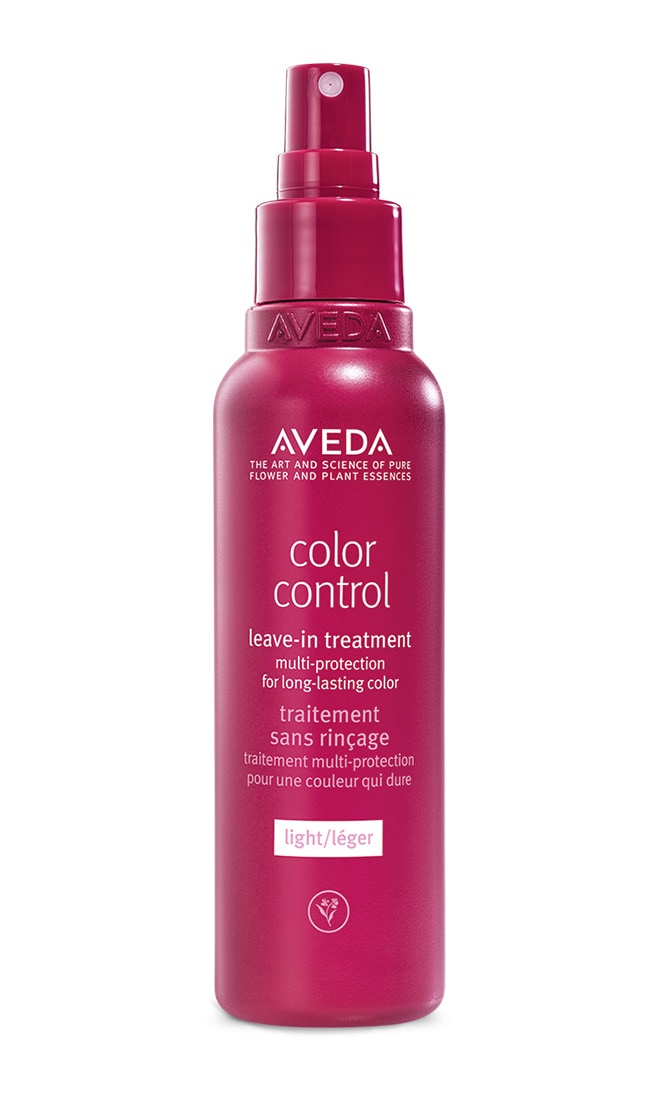
color control™
Color Control Leave In Treatment Light
Purchases made through these links support Lee Graves Salon through Aveda's A-Commerce program. Prices shown were checked on 2026-08-20; the current price always appears at aveda.com.
Ready to Get Started?
Book an appointment or call us for a personalized consultation.
Related Articles
Partial vs Full Balayage: Which One Should You Book?
Partial balayage is $210-$250 and full is $250-$290 at our Plano salon. Here is what the 45-gram difference actually buys, who each one suits, and when booking the cheaper one ends up costing more.
Hair Color in Allen, TX: Root Touch-Ups, Gray Coverage, and the Half-Inch Rule
What hair color costs for Allen clients seven miles from the salon, why a root touch-up is priced for half an inch of grow-out, and how to keep repeated color from flattening your ends.
Balayage in McKinney, TX: Cost, Trip Count, and Coming Off Foils
What balayage costs for McKinney clients, why painted color means four trips a year instead of nine, and how to move off a foil highlight cycle without a hard line.