Everyday Hair Care Essentials: A Simple Routine That Works
How often to wash, the three-step minimum routine, brushing basics, silk pillowcases, and simple seasonal tweaks for healthy hair through Texas heat.
Reviewed by our stylists · updated 2026-08-21
Healthy hair doesn't require a ten-step routine. It requires three things done consistently: a gentle cleanse on a schedule that fits your hair type, conditioner every single wash, and protection from heat, sun, and friction. Everything past that is fine-tuning, worth doing, but only once the basics are locked in.
Why Less, Done Consistently, Beats More
Here's the plain-English science: once a strand of hair leaves your scalp, it's no longer living tissue. It can't heal itself the way skin does. So everyday hair care isn't really about fixing hair. It's about not damaging it in the first place, and protecting the outer layer that's already there.
That outer layer, the cuticle, is a stack of overlapping scales, like shingles on a roof. When the shingles lie flat, hair looks shiny, feels smooth, and holds on to moisture. Hot water, rough towels, harsh brushing, cotton pillowcases, and sun all lift and chip those shingles. Every habit below either keeps the cuticle flat or roughs it up. That's the whole game.
Your scalp also produces its own conditioner, a natural oil called sebum. How fast that oil travels down the strand is what makes wash frequency personal, which brings us to the question everyone asks.
How Often Should You Wash? There's No One Answer
Anyone who gives you a universal number is guessing. Wash frequency depends on how quickly oil moves from your scalp down your hair, and that's driven by texture, density, and what your week looks like.
- Fine or straight hair: oil slides down a smooth, straight strand fast, so roots can look flat and greasy within a day. Daily or every-other-day washing is completely reasonable here.
- Medium, thick, or wavy hair: two to three washes a week suits most people. The oil takes longer to travel, so you get more mileage between washes.
- Curly and coily hair: every bend in the strand slows oil down, which is why curly lengths run dry even when the scalp doesn't. Once or twice a week is common, with conditioner doing most of the work.
- Color-treated hair: every wash costs you a little pigment, so stretching the interval protects your investment, and our color-treated hair care routine covers that in detail.
- Daily workouts or a sweaty Texas commute: wash by your scalp, not the calendar. On in-between days, a plain water rinse plus conditioner on the ends clears sweat without stripping anything, and when a rinse isn't practical, a pass of shampowder dry shampoo at the roots buys you a day.
The rule that works for everyone: wash your scalp when it needs it, and condition your ends every time water touches them. If your scalp gets itchy, oily, or flaky before your next planned wash, wash sooner. If your lengths feel like straw, you're likely washing more than your hair can afford.
The Minimum Viable Routine
If you do nothing else, do these three things.
1. Cleanse: shampoo is for your scalp
Lather at the roots with your fingertips, not your nails, and let the suds rinse down through your lengths on the way out. That's enough cleansing for the ends, which don't produce oil and don't need scrubbing. A gentle, sulfate-free formula like shampure nurturing shampoo cleans without stripping, a difference you'll feel most if you color or heat-style.
2. Condition: every wash, no exceptions
Apply from roughly ear level down, comb it through with a wide-tooth comb, give it a minute or two, and rinse with the coolest water you can tolerate. If your hair runs fine or gets greasy fast, a lightweight option like rosemary mint weightless conditioner gives you the slip without the weight. Cool water helps the cuticle lie flat; hot water props it open. Skipping conditioner to "save time" costs you more time later in detangling and frizz control.
3. Protect: from heat, sun, and friction
Heat protectant before every hot tool, every time, with no exceptions and no "just a quick pass." Air-dry when you can. For sun, which is a year-round consideration in Plano, a hat or a UV-protective leave-in on long outdoor days keeps the cuticle and your color from cooking. Friction protection is what most of the low-effort wins below are really about.
Brushing: Technique Over Tools
The old hundred-strokes-a-night advice is out; brushing is for detangling and distributing oil, not exercise. Start at the ends and work upward in sections, so you're untangling small knots instead of dragging them all down the strand and ripping through at the bottom.
On wet hair, be gentle, because hair is stretchier and weaker when wet. A wide-tooth comb or flexible wet brush with conditioner in the shower is the safest approach. The exception is curly hair, which should almost always be detangled wet with plenty of slip, then left alone once dry.
Low-Effort Wins
None of these takes more than a few seconds a day, and they add up.
- A silk or satin pillowcase. Cotton is absorbent and slightly rough; your hair drags against it for hours every night. Silk lets hair slide, which means fewer tangles, less overnight frizz, and less breakage over time.
- Sleep with long hair contained. A loose braid or a soft scrunchie, rather than a tight elastic, keeps hair from tangling against the pillow.
- Blot, don't scrub. Swap the aggressive towel-turban rub for squeezing water out with a microfiber towel or a soft T-shirt.
- Loosen the ponytail. Tight elastics in the same spot every day stress the same strands every day. Use coil or fabric ties and move the placement around.
- Keep your trim schedule. Ends that split keep splitting upward, and preventing split ends is far cheaper than cutting them off later. Every 8 to 12 weeks works for most people.
- Finish your rinse cool. Ten seconds of cooler water at the end of every shower helps seal the cuticle. Free, and it works.
Adjusting for Texas Seasons
The three core steps never change, but North Texas asks for seasonal tweaks.
Summer is the hard season here: months of intense UV, triple-digit heat, sweat, pool chlorine, and bone-dry air conditioning. Rinse or wash more often if your scalp demands it, add a UV-protective leave-in, saturate your hair with fresh water before swimming so it drinks less chlorine, and bump deep conditioning to weekly. Our guide to summer hair care in Texas walks through the whole season.
Winter flips the problem: dry outdoor air plus indoor heating pulls moisture out and cranks up static. Stretch your washes a little further, trade up to a richer conditioner, and keep a leave-in like cherry almond softening leave-in conditioner in rotation, and winterizing your hair covers the swap list.
Spring and fall are humidity whiplash. Keep a light leave-in or smoothing cream on hand for the sticky days and don't overreact by changing everything at once.
Mistakes to Avoid
- Washing daily out of habit rather than need, because your scalp and calendar should agree first.
- Hot showers. The single most common self-inflicted dryness. Wash warm, rinse cool.
- Conditioner on the roots (greasy fast) or no conditioner at all (tangles, frizz, breakage).
- Brushing from the roots down, especially on wet hair.
- Sleeping on soaking-wet hair: maximum fragility meets maximum friction.
- Buying more products instead of building consistency. Three steps done daily beat ten steps done occasionally.
When you're ready to build past the minimum with masks, leave-ins, and styling order, our full haircare routine guide shows how to layer it without overcomplicating things. And if your hair still isn't cooperating after a few consistent weeks, your stylist can look at what's actually going on, including texture, porosity, scalp, and water, and tune this routine to your exact hair at your next visit.
What we recommend from Aveda
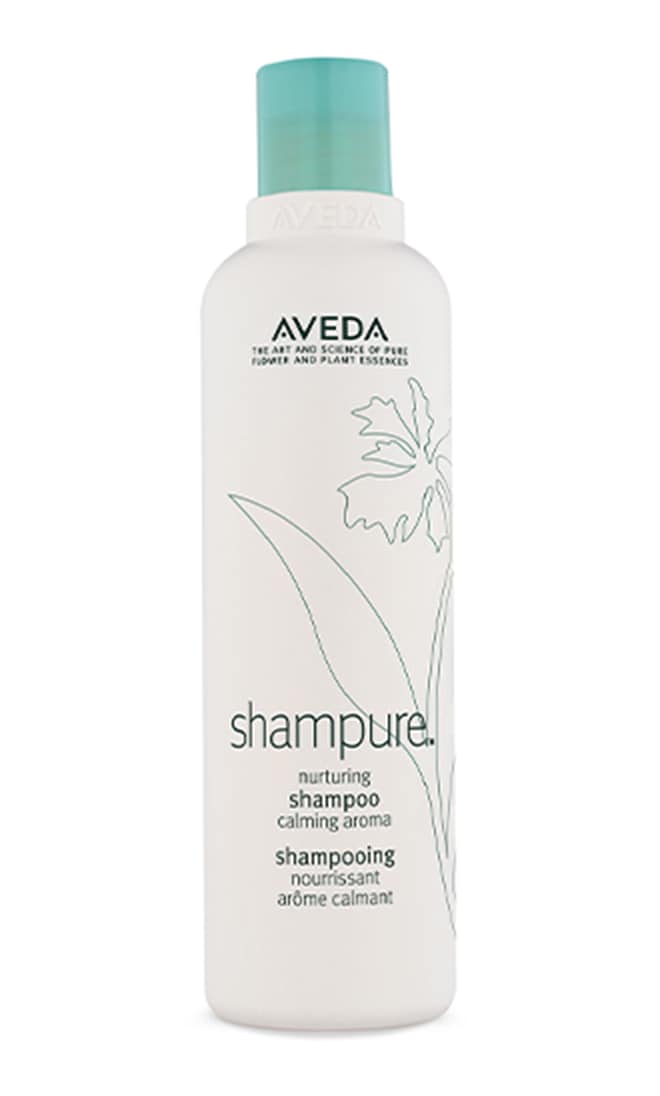
shampure™
Shampure Nurturing Shampoo
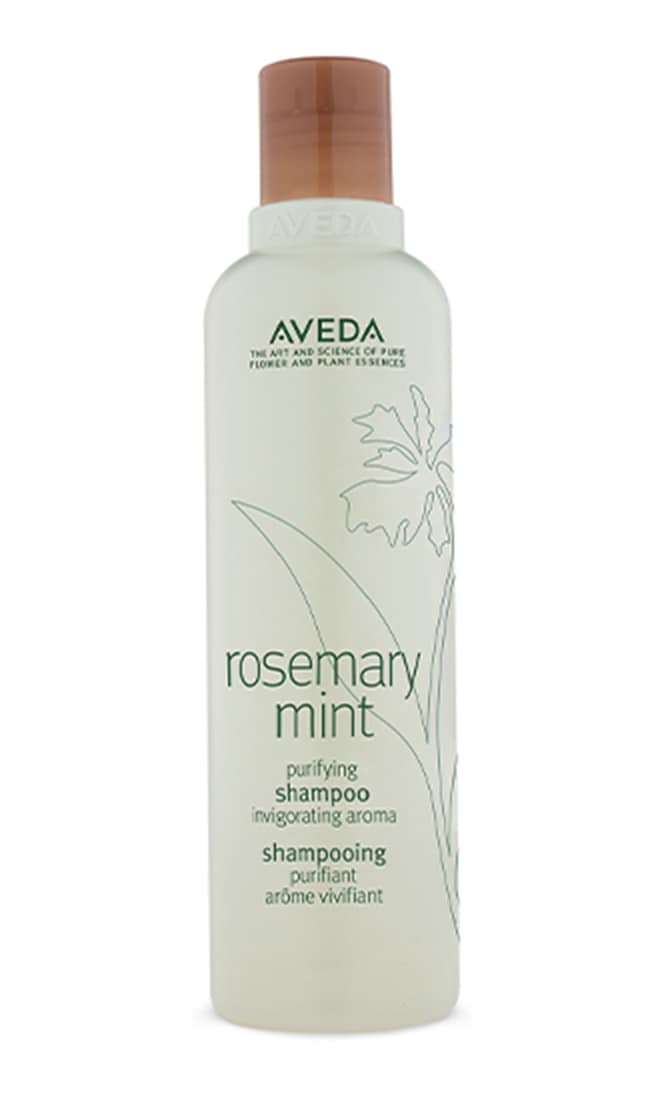
rosemary mint
Rosemary Mint Purifying Shampoo
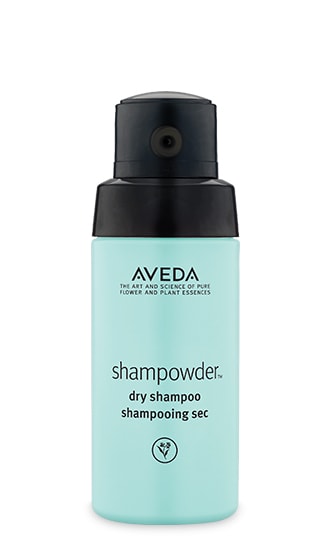
shampowder™
Shampowder Dry Shampoo
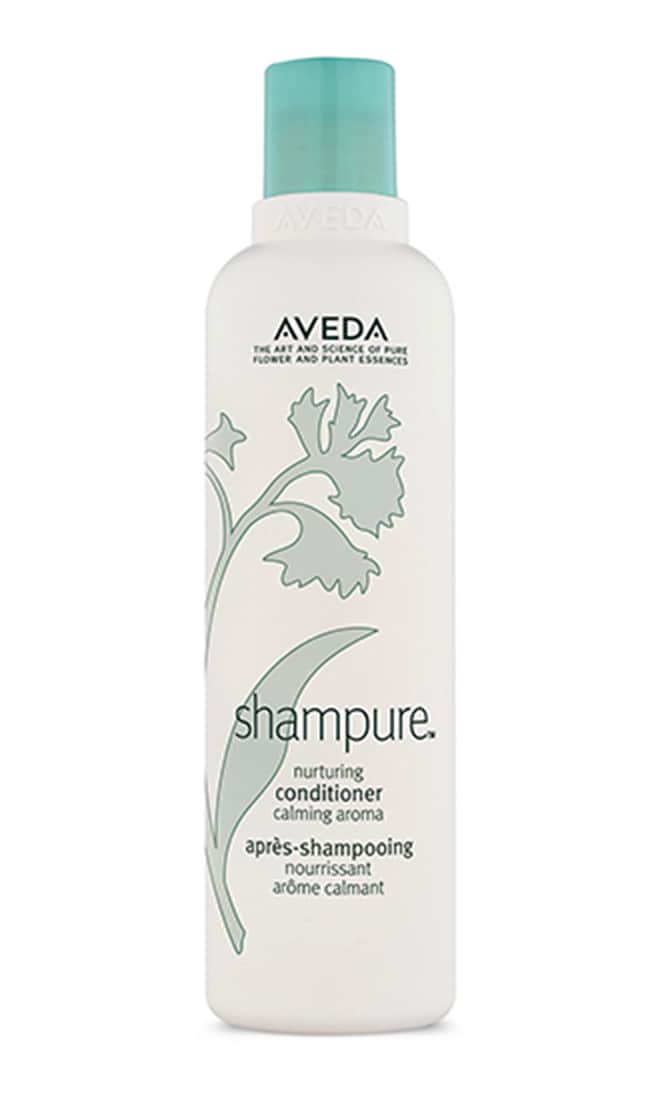
shampure™
Shampure Nurturing Conditioner
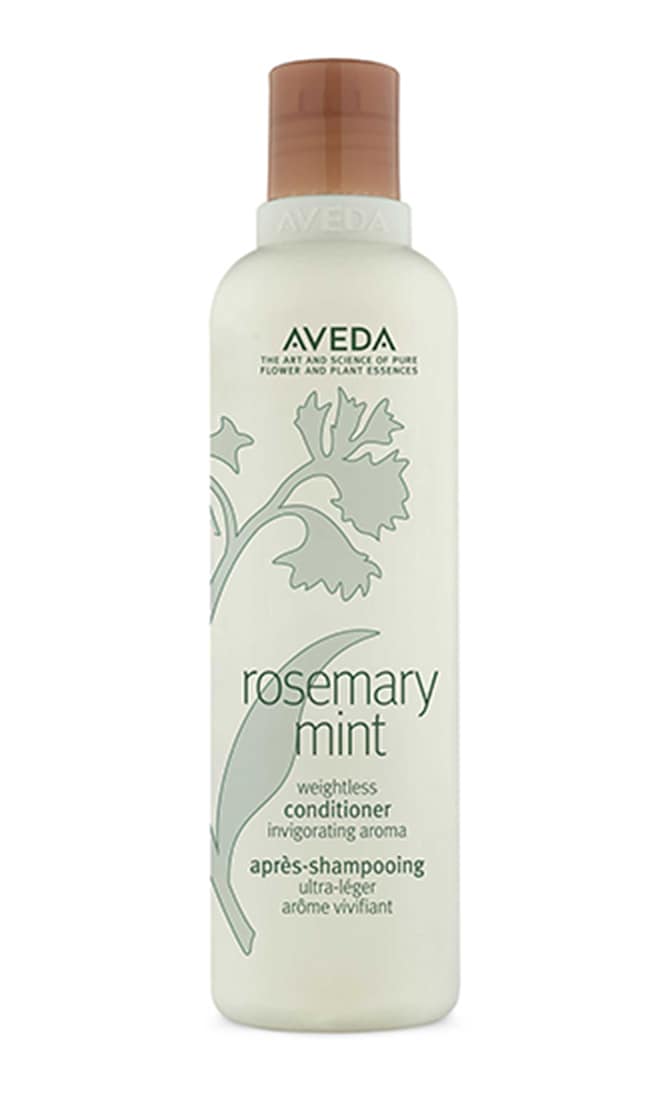
rosemary mint
Rosemary Mint Weightless Conditioner
Purchases made through these links support Lee Graves Salon through Aveda's A-Commerce program. Prices shown were checked on 2026-08-20; the current price always appears at aveda.com.
Common questions
How often should you wash your hair?
There's no single right number, because it depends on your hair type, scalp, and lifestyle. Fine or straight hair often needs washing every day or two because scalp oil travels down it quickly. Thicker, wavy, or color-treated hair usually does well at two to three washes a week. Curly and coily hair often thrives on one or two. Wash when your scalp feels oily or itchy, not by the calendar.
Do silk pillowcases really make a difference for your hair?
They help more than most quick fixes. Cotton is absorbent and slightly rough, so hair drags against it all night, which roughs up the cuticle and creates tangles, frizz, and breakage over time. Silk and satin are smoother, so hair slides instead of snagging. A pillowcase won't repair existing damage, but it quietly prevents new damage every night, and that's a good trade for the cost.
Is it bad to brush wet hair?
Wet hair stretches further and snaps more easily than dry hair, so aggressive brushing straight out of the shower causes breakage. If you need to detangle wet, and curly hair should be detangled wet, use a wide-tooth comb or a flexible wet brush with conditioner or leave-in for slip, and work from the ends up toward the roots in small sections.
Do I need conditioner every time I shampoo?
Yes. Shampoo lifts the cuticle and removes oil; conditioner smooths the cuticle back down, replaces lost moisture, and cuts the friction that causes tangles and breakage. Apply it from the mid-lengths to the ends, keep it off the roots if your hair gets oily fast, leave it in for a minute or two, and rinse with the coolest water you can stand.
Should my hair routine change with the Texas seasons?
Yes. North Texas summers and winters stress hair in opposite ways. Summer brings months of strong UV, sweat, chlorine, and refrigerated air conditioning, so add a UV-protective leave-in, rinse before swimming, and deep condition more often. Winter's dry air and indoor heat bring static and dryness, so wash a little less and reach for a richer conditioner. The three core steps stay the same year-round.
From our blog
- Hair Tips to Keep Your Hair Looking Fresh All Year Long
A complete guide to washing, conditioning, and drying your hair the right way, plus salon services that help you relax and maintain healthy hair year-round.
- Is Hairspray Right for You?
A guide to the different types of hairspray and how to choose the right one for your hair type and lifestyle, from firm hold to humidity resistant formulas.
Want this dialed in for your hair specifically?
Book with us in Plano at (972) 378-0091 and leave with a routine that fits your hair, your schedule and your budget.