How to Protect Your Hair in Texas Heat and Humidity
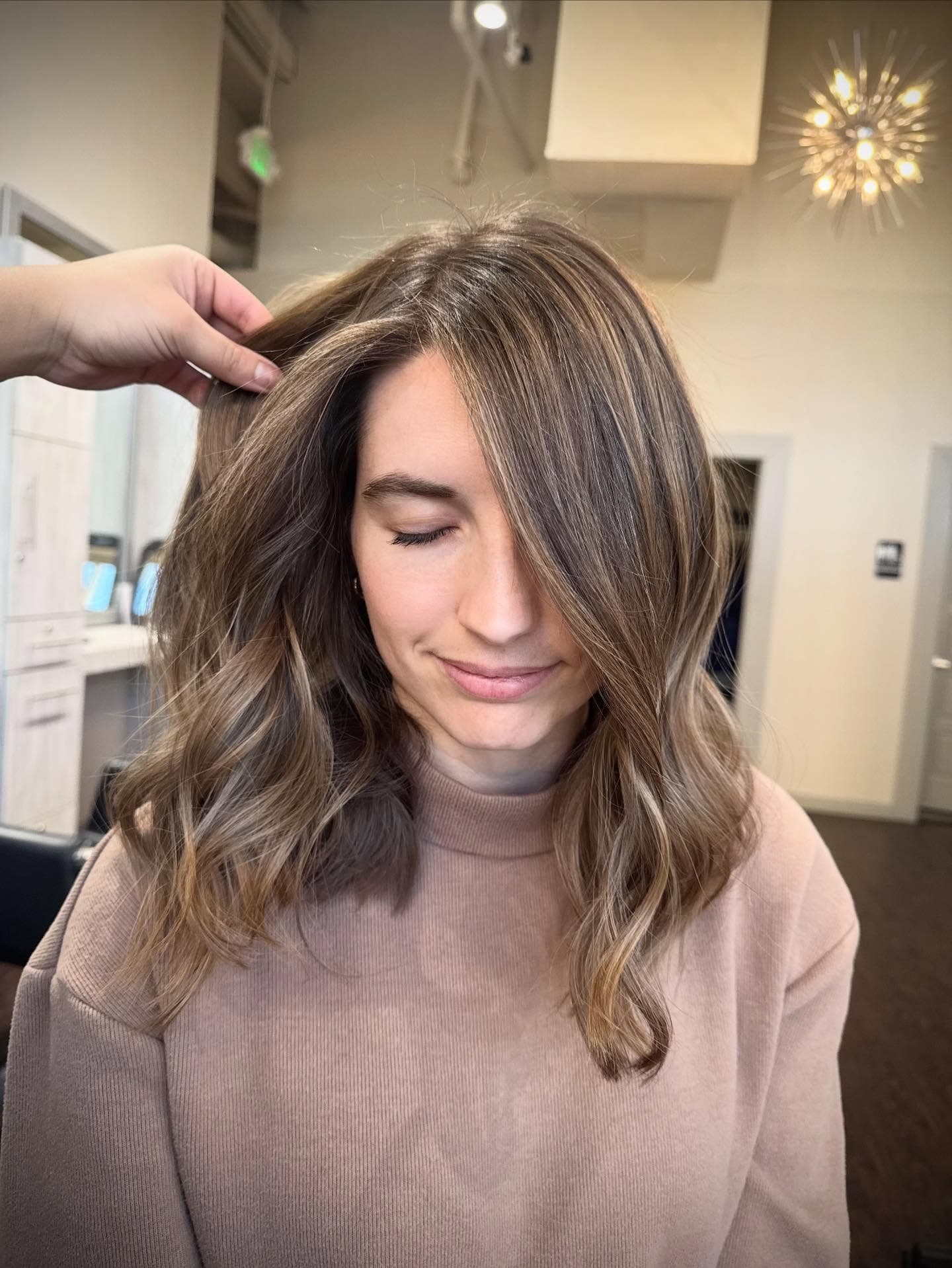
If you've lived through even one summer in North Texas, you know what happens to your hair the moment you step outside. The humidity swells your cuticle, the heat saps your moisture, the UV rays bleach your color, and by August you're wondering why you bothered styling at all.
Plano summers routinely hit 100+ degrees with humidity levels that make every day a bad hair day. But the damage goes beyond frizz and flat styles. Without proper care, summer conditions can cause real, lasting damage, including color fading, dryness, breakage, and split ends that follow you well into fall.
Here's how to protect your hair from everything a Texas summer throws at it.
UV Protection: Your Hair Needs Sunscreen Too
Most people apply sunscreen to their skin without a second thought but never consider that UV rays damage hair just as aggressively. Prolonged sun exposure breaks down the protein structure of hair, degrades color molecules, and dries out the cuticle layer.
The effects are especially noticeable on color-treated hair. Blonde and highlighted hair turns brassy. Brunettes get warm, reddish tones they didn't ask for. Vivid fashion colors fade dramatically.
How to protect your hair from UV damage:
- Wear a hat whenever you'll be outdoors for more than 20-30 minutes. Wide-brim hats protect both your hair and your face.
- Use a UV-protection spray. Several professional hair care lines offer leave-in sprays with UV filters. Apply before outdoor exposure, just like you'd apply sunscreen.
- Look for products with UV filters. Some shampoos, conditioners, and styling products include UV protection as an ingredient. Check labels for phrases like "UV defense" or "sun protection."
- Avoid peak sun hours. If you're planning outdoor activities, early morning or late afternoon is gentler on both your skin and your hair.
Blonde and highlighted hair is the most vulnerable to UV damage. If you've recently had hair color services, sun protection should be a priority, not an afterthought.
Humidity Defense: Winning the Frizz Battle
Humidity is the defining challenge of Texas hair care. When the air is saturated with moisture, hair absorbs that moisture through the cuticle, causing it to swell, lose shape, and frizz. This is especially true for hair that's already dry or damaged, because porous hair absorbs more humidity, leading to more frizz.
The key to beating humidity is sealing the cuticle so moisture can't get in.
Professional Treatments for Humidity Control
Keratin treatments are the gold standard for humidity defense. A professional keratin treatment smooths the hair cuticle by depositing a layer of protein that blocks humidity from penetrating the hair shaft. The results typically last 3-5 months, easily getting you through an entire Texas summer.
Benefits of keratin treatments for summer:
- Eliminates frizz even in extreme humidity
- Reduces blow-dry time by 40-60%
- Makes hair smoother, shinier, and more manageable
- Works on all hair types and textures
Our keratin treatment services include several options depending on your hair type and how much smoothing you're looking for. Many of our clients book their keratin treatment in late April or May to carry them through the entire summer season.
At-Home Anti-Frizz Strategies
If a keratin treatment isn't in the cards, these at-home strategies can help:
- Use an anti-frizz serum or cream after every wash. Apply to damp hair, focusing on the mid-lengths and ends. Silicone-based serums are effective at sealing the cuticle.
- Avoid touching your hair once it's styled. Every time you run your fingers through your hair, you disrupt the cuticle and invite frizz.
- Don't skip conditioner. Ever. Conditioner smooths the cuticle and reduces porosity.
- Try a microfiber towel or cotton t-shirt for drying. Regular terry cloth towels rough up the cuticle and create frizz. Microfiber absorbs water without the friction.
- Apply a light hairspray or anti-humidity finishing spray as the final step in your styling routine.
Swimming: Chlorine, Saltwater, and Sun
Texas summers mean pool days, lake trips, and vacations. All of them can wreck your hair if you're not prepared.
Chlorine Damage
Chlorine is a chemical designed to kill bacteria, and it's not gentle on your hair. It strips natural oils, dries out the cuticle, and can turn blonde hair green (yes, this really happens, and the green comes from copper compounds in pool water reacting with chlorine).
How to protect your hair from chlorine:
- Wet your hair with fresh water before getting in the pool. Hair is like a sponge, so if it's already saturated with clean water, it absorbs less chlorinated water.
- Apply a leave-in conditioner or coconut oil before swimming. This creates a barrier between your hair and the pool water.
- Wear a swim cap if you're swimming regularly (daily swimmers, lap swimmers, swim team parents who end up in the pool).
- Rinse immediately after swimming. Don't let chlorinated water sit in your hair while you sunbathe.
- Use a chelating or clarifying shampoo once a week during swimming season to remove chlorine and mineral buildup. (Use it sparingly, because it's strong.)
Saltwater
Saltwater is less chemically harsh than chlorine but still dries hair out significantly. The salt draws moisture out of the hair shaft, leaving it dry, crunchy, and prone to tangling.
- Rinse with fresh water before and after ocean swimming
- Apply a leave-in conditioner after rinsing
- Deep condition within 24 hours of a beach day
Color-Treated Hair and Swimming
If you have color-treated hair, swimming is one of the fastest ways to fade your color. Chlorine and saltwater both accelerate color loss. The combination of sun, chlorine, and saltwater on a pool day can undo weeks of color vibrancy in a single afternoon.
For detailed strategies on maintaining your color, read our guide on caring for color-treated hair.
Preventing Color Fade in Summer
Texas summers are particularly hard on hair color. The combination of UV exposure, humidity, swimming, and increased washing (because heat and sweat make you wash more often) creates a perfect storm for rapid color fading.
How to keep your color vibrant through summer:
- Wash less often. Every wash strips a small amount of color. Aim for every 2-3 days instead of daily. Use dry shampoo between washes.
- Use sulfate-free, color-safe shampoo. Sulfates are aggressive detergents that strip color fast. Switching to sulfate-free makes a measurable difference in color longevity, and Aveda's shampoos are available online through our salon storefront.
- Rinse with cool water. Hot water opens the cuticle, allowing color molecules to escape. Cool water seals the cuticle.
- Apply UV protection before going outside. UV-protective sprays and leave-ins shield color from sun-induced fading.
- Schedule a gloss or toner refresh mid-summer. A professional gloss treatment takes 15-20 minutes, costs $65-$85, and refreshes faded tone while adding incredible shine. It's the most efficient way to keep color vibrant between full color appointments.
- Avoid clarifying shampoo unless necessary. Clarifying shampoo is designed to strip buildup, and it strips color along with it.
Check out our pricing page for current rates on gloss treatments and color services.
Hydration: Feed Your Hair From the Inside Out
Heat and humidity dehydrate your hair just like they dehydrate your body. In summer, your hair needs more moisture than any other time of year.
Weekly Deep Conditioning
Switch from monthly deep conditioning to weekly during the summer. Look for masks with:
- Hyaluronic acid: attracts and retains moisture
- Argan oil: penetrates the hair shaft without heavy buildup
- Hydrolyzed keratin: rebuilds damaged protein bonds
- Shea butter: seals moisture in and smooths the cuticle
Apply to clean, damp hair. Leave on for 10-15 minutes (or longer under a shower cap for deeper penetration). Rinse with cool water.
Leave-In Conditioner
A leave-in conditioner is non-negotiable in a Texas summer. Apply to damp hair after every wash. It provides a continuous moisture barrier throughout the day and helps detangle without pulling or breaking hair.
Drink Water
This is basic but frequently overlooked. Hydrated hair starts with a hydrated body. In a Texas summer, you need significantly more water than the standard recommendation. Dehydration shows up in your skin and hair before you feel thirsty.
Heat Styling Tips for Hot Weather
It seems counterintuitive to use a blow dryer or flat iron when it's 100 degrees outside, but many people still need heat tools for their daily styling routine. Here's how to minimize damage in summer:
- Always use a heat protectant. This is year-round advice, but it's especially critical in summer when your hair is already stressed from UV and humidity exposure.
- Lower your temperature settings. Most hair types don't need temperatures above 350 degrees Fahrenheit. Blonde, fine, or damaged hair should stay at 300 degrees or below.
- Reduce heat styling frequency. Embrace air-drying, heatless curls (braiding damp hair overnight), and natural texture days. Every day you skip the hot tools is a day your hair recovers.
- Invest in quality tools. Professional-grade flat irons and curling irons with ceramic or titanium plates distribute heat more evenly, reducing hot spots that cause localized damage.
Consider a professional blowout and styling service for special events rather than fighting the humidity yourself. Our stylists use professional products and techniques designed to hold up in North Texas conditions.
Professional Summer Treatments
Beyond daily maintenance, several professional salon treatments can provide long-lasting summer protection:
Keratin Treatments
As mentioned above, keratin treatments are the most effective professional solution for summer humidity. A single treatment lasts 3-5 months, eliminating frizz and cutting styling time dramatically.
Gloss Treatments
A mid-summer gloss refreshes faded color, adds shine, and seals the cuticle, providing both cosmetic and protective benefits. It's one of the highest-value services we offer for summer maintenance.
Deep Conditioning Treatments
In-salon deep conditioning treatments use professional-grade products and processing techniques (heat, steam) that penetrate more deeply than anything you can do at home. Consider scheduling one every 6-8 weeks during summer.
Bond-Repair Treatments
Treatments like Olaplex, K18, or similar bond-repair systems rebuild the internal bonds of the hair that are damaged by heat, chemicals, and environmental exposure. If your hair feels dry, brittle, or has lost elasticity, a bond treatment can restore strength.
Building a Summer Hair Care Routine
Here's a simple, effective summer routine you can start today:
Daily
- Apply UV-protection spray or leave-in conditioner before going outside
- Use anti-frizz serum or cream on damp or dry hair
- Drink plenty of water
Every Wash (2-3 Times Per Week)
- Use sulfate-free, color-safe shampoo
- Condition every time, focusing on mid-lengths and ends
- Rinse with cool water
- Apply leave-in conditioner to damp hair
- Use heat protectant before any heat styling
Weekly
- Deep conditioning mask (10-15 minutes)
- Clarifying shampoo if you've been swimming (only once per week maximum)
Monthly
- Trim split ends to prevent them from traveling up the hair shaft
- Gloss or toner refresh (if color-treated)
- Professional deep conditioning treatment
Pre-Summer (April/May)
- Schedule a keratin treatment if humidity is your main concern
- Get your color freshened up before the summer fading cycle begins
- Stock up on UV-protection and anti-frizz products
Frequently Asked Questions
How often should I wash my hair in the Texas summer? Even though you may feel like you need to wash daily because of heat and sweat, every 2-3 days is ideal. Over-washing strips natural oils and accelerates color fading. Between washes, use dry shampoo at the roots and rinse with water only if you've been sweating.
Will a keratin treatment protect my hair color from fading? Yes. Because keratin treatments seal the hair cuticle, they help lock in color and prevent the cuticle from opening in humidity. Many of our clients notice their color lasts significantly longer after a keratin treatment. Visit our keratin treatment page for details on the options we offer.
Can I swim with color-treated hair without ruining my color? You can, but you need to take precautions. Wet your hair with fresh water before getting in the pool, apply a leave-in conditioner or oil as a barrier, and rinse immediately after swimming. Avoid spending long periods in chlorinated water with color-treated hair, and use a chelating shampoo once a week during swimming season.
What's the best hairstyle for Texas humidity? Styles that work with texture rather than against it tend to hold up best. Braids, low buns, textured waves, and half-up styles all handle humidity well. Sleek, straight styles are the hardest to maintain in high humidity without a keratin treatment.
How do I fix hair that's already been damaged by summer? Start with a professional bond-repair treatment to rebuild internal structure, followed by consistent deep conditioning. Get a trim to remove damaged ends. Then follow the protective routine outlined above to prevent further damage. If your color has faded or gone brassy, a professional gloss or color correction will bring it back.
Keep Your Hair Healthy All Summer
A Texas summer doesn't have to mean three months of bad hair days. With the right products, routine, and professional support, your hair can look as good in August as it does in April.
At Lee Graves Salon, we help clients throughout Plano, Frisco, Allen, Richardson, and the DFW area prepare their hair for every season. Whether you need a keratin treatment, a color refresh, or just advice on the right products for your hair type, our team is here to help.
Book an appointment or visit us at 6101 Chapel Hill Blvd, Suite 103, Plano, TX 75093.
Products for this
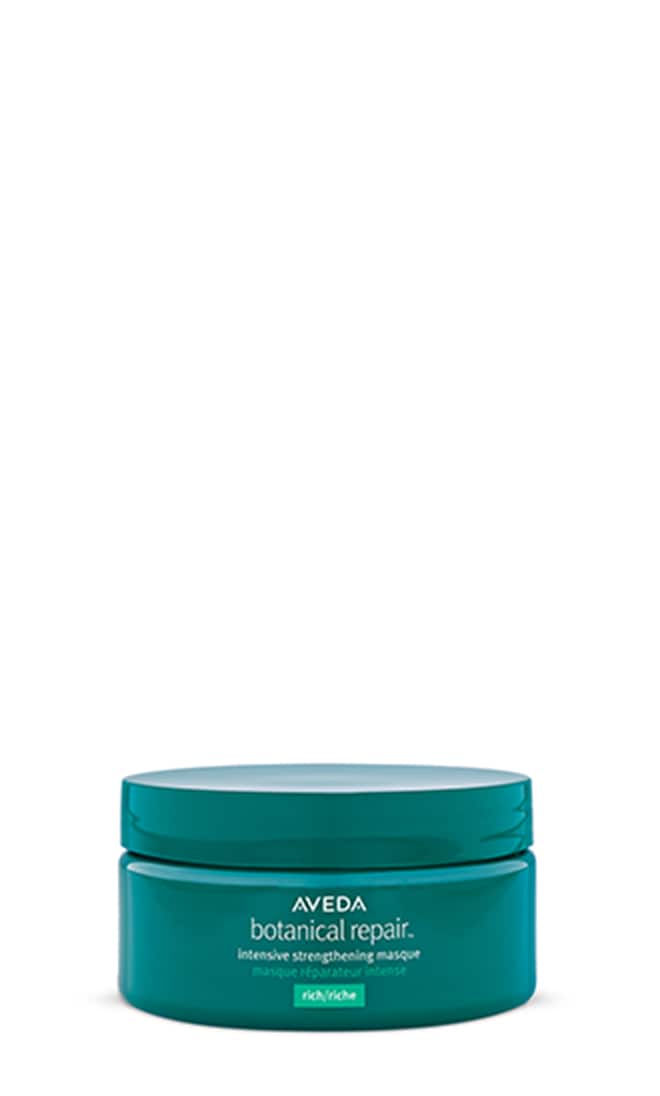
botanical repair™
Botanical Repair Intensive Strengthening Masque Rich
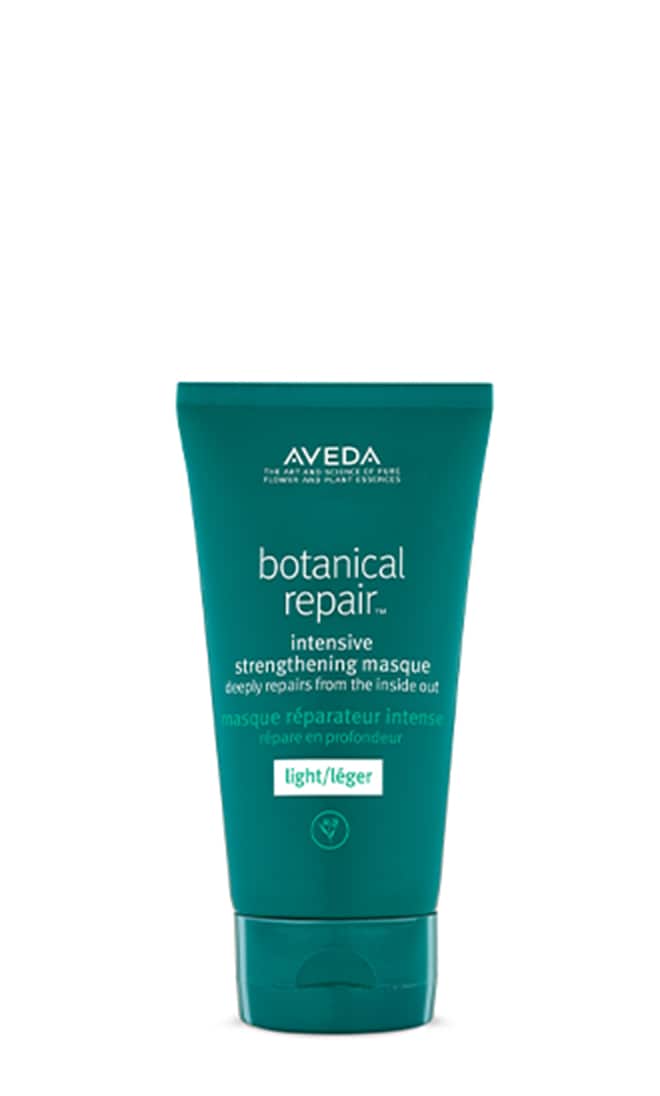
botanical repair™
Botanical Repair Intensive Strengthening Masque Light
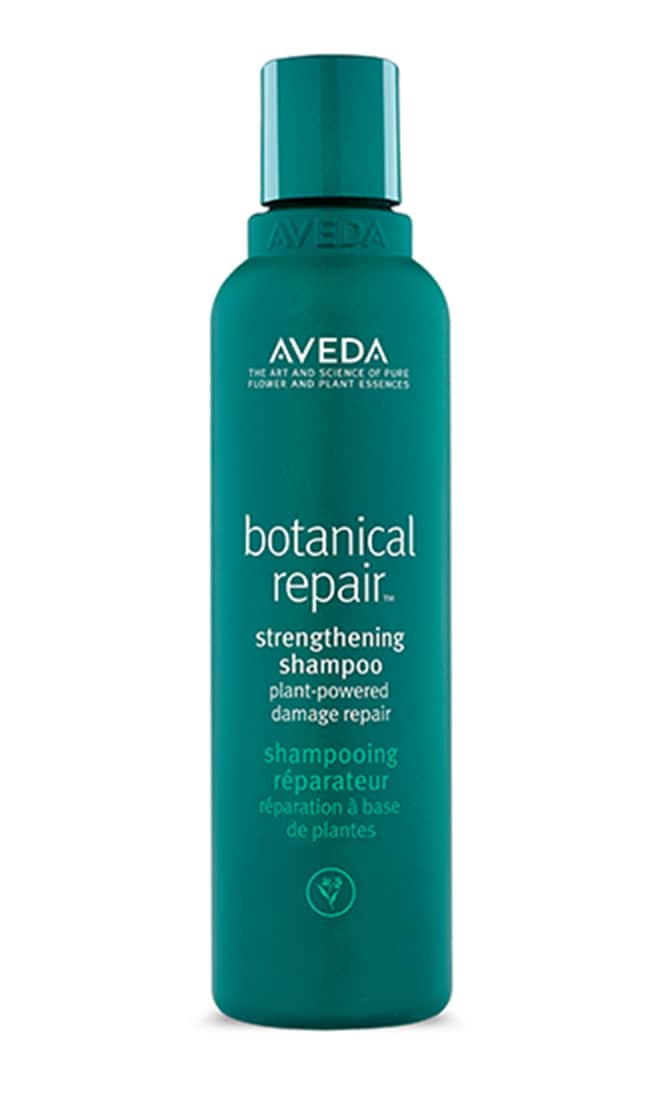
botanical repair™
Botanical Repair Strengthening Shampoo
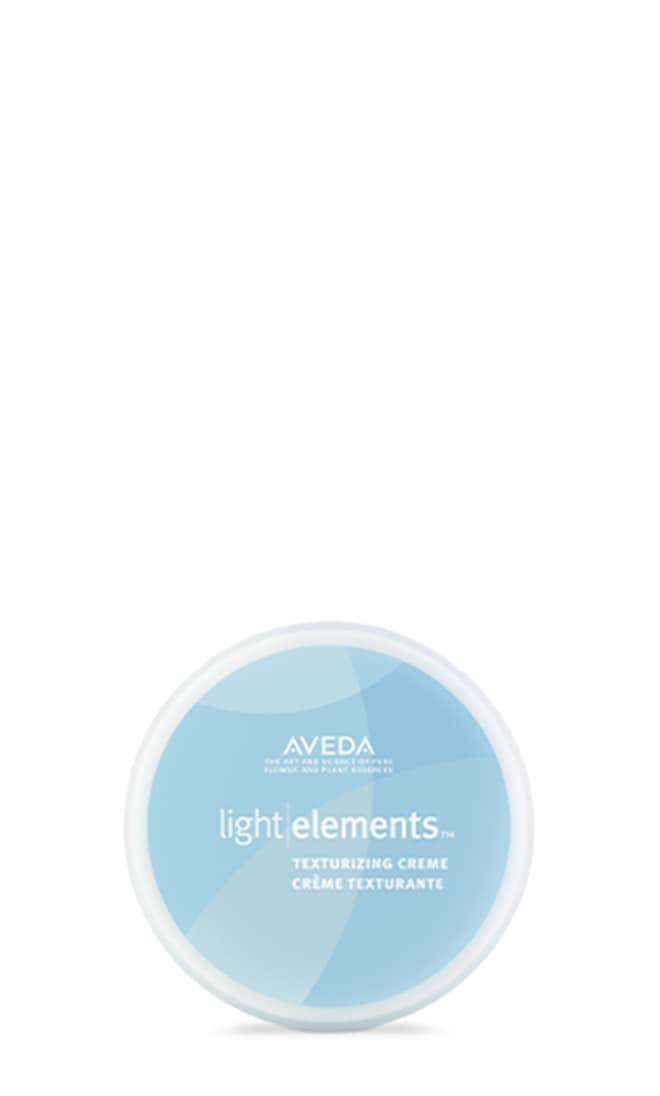
light elements™
Light Elementstm Texturizing Creme
Purchases made through these links support Lee Graves Salon through Aveda's A-Commerce program. Prices shown were checked on 2026-08-20; the current price always appears at aveda.com.
Ready to Get Started?
Book an appointment or call us for a personalized consultation.
Related Articles
Best Hair Care Routine for Color-Treated Hair
Keep your hair color vibrant and your hair healthy with this expert-recommended care routine, from washing and conditioning to heat protection and salon maintenance.
New Year, New You: Fresh Looks and Winter Hair Care
Start the new year with healthy hair using these winter care tips, from moisturizing treatments and regular trims to heat protection and the right products.
Self Care During the Holidays
Six relaxing salon services to help you practice self-care during the busy holiday season, from conditioning treatments and scalp massages to quick beauty touch-ups.