How to Build a Hair Care Routine: The 5 Steps That Matter
Build a five-step hair care routine of cleanse, condition, treat, style, and protect, with one product per step, a weekly schedule, and a 4–6 week check.
Reviewed by our stylists · updated 2026-08-21
A working hair care routine is five steps, namely cleanse, condition, treat, style, and protect, with exactly one product doing each job. You don't need a shelf full of bottles; you need the right four or five, used on a schedule your hair actually likes. Here's how our stylists build that routine with clients, and how to tell within a month whether yours is working.
Why Five Steps Cover Everything
The part of your hair you can see is not alive. Each strand is a protein fiber wrapped in overlapping cuticle scales, like shingles on a roof, and once it leaves the scalp, it can't heal itself. Everything a routine can do falls into five jobs:
- Cleanse clears oil, sweat, and product residue off your scalp so it stays comfortable and your roots have lift.
- Condition smooths the cuticle back down and replaces the surface moisture that washing removes.
- Treat goes deeper, patching the moisture or protein deficits that a two-minute conditioner can't reach.
- Style shapes the hair for volume, smoothness, curl definition, and hold.
- Protect stands between your hair and the things that wreck it: hot tools, sun, and the wall of humidity waiting outside every Plano door from May through September.
Every product you own is doing one of those five jobs. If two products are doing the same one, one of them is redundant.
The Five Steps: How to Pick One Product for Each
1. Cleanse: choose by your scalp, not your lengths
Shampoo is a scalp product; the lather cleans your lengths on the way down. Pick the one shampoo that matches how your scalp behaves: gentle and lightweight if you wash often (a nurturing daily wash like shampure nurturing shampoo), moisturizing and sulfate-free if your scalp runs dry, and always sulfate-free if you color, for the reasons we walk through in our color-treated hair routine. A clarifying shampoo isn't a sixth step; it's an occasional reset for buildup, once or twice a month at most.
2. Condition: choose by your hair's weight
Conditioner belongs on mid-lengths and ends, never the scalp. Fine hair wants something lightweight that rinses clean, like rosemary mint weightless conditioner; thick, coarse, or dry hair wants something rich enough that strands feel slippery before you rinse. If your hair goes flat by lunchtime, your conditioner is too heavy. If it tangles the second it dries, it's too light.
3. Treat: choose moisture or protein, not both
Once a week, a mask takes the conditioner's slot. The choice is a fork: hair that feels dry, rough, and thirsty needs a moisture mask; hair that feels stretchy, mushy when wet, or snaps easily needs protein or bond repair. Pick one mask for the problem you actually have. Owning both "just in case" is how hair ends up overloaded.
4. Style: choose by the finish you want most days
Decide what you're aiming for on a typical day, whether volume, smoothness, or defined curl, and buy one primary styler for that goal: a mousse or root spray for lift, a cream or serum for smoothness, a curl cream or gel for definition. One. If three stylers live on your counter, they're either fighting each other or gathering dust.
5. Protect: choose by your biggest threat
If you blow-dry, flat iron, or curl, a heat protectant is non-negotiable, applied before the tool every single time. If your damage mostly comes from outside, meaning sun, sweat, chlorine, and Texas humidity, a UV or humidity-blocking finishing product earns the slot instead, and our guide to summer hair care in Texas covers that battle in detail.
Wash-Day Routine vs. Morning Routine
These are two different routines, and mixing them up is where most people go wrong.
Wash day is the full sequence: cleanse, condition (or treat), then style and protect on damp hair. It takes ten minutes and does the heavy lifting for the next two or three days.
Every other morning is a refresh, not a redo. No cleansing, no new layers of product. Mist the hair with water or a bit of leave-in to reactivate yesterday's styler, smooth or rescrunch, hit the roots with shampowder dry shampoo if they need it, and apply heat protectant only if a hot tool is coming out. That's it, and it takes under five minutes.
A Simple Weekly Schedule
Here's the template for someone washing every two to three days. Slide the days around to fit your life; the pattern is what matters.
| Day | Routine |
|---|---|
| Sunday | Wash day + treatment: cleanse, mask instead of conditioner, style, protect |
| Monday | Morning refresh: water mist, smooth the ends, protect if heat styling |
| Tuesday | Morning refresh; dry shampoo at the roots if needed |
| Wednesday | Wash day: cleanse, condition, style, protect |
| Thursday | Morning refresh |
| Friday | Wash day: cleanse, condition, style, protect |
| Saturday | Morning refresh; give your hair and hot tools the day off |
When to Add Treatments and When to Back Off
Weekly is the default treatment cadence, but your hair will tell you when to adjust. Move to twice a week temporarily when it's taken a beating from a fresh color service, a week at the lake, or an August of ponytails and sweat. Drop to every other week once hair feels consistently soft and behaves itself.
Watch for over-treating, too: hair that suddenly feels limp, coated, or mushy is getting more than it needs. And if your ends stay rough and snappy no matter how faithfully you mask, that's beyond routine maintenance, so start with our guide to dryness and damage, and know that stubborn frizz has a professional option we cover in our keratin treatment guide.
The 4–6 Week Check: Is It Working?
Hair changes slowly, so judge your routine at the one-month mark, not after one wash. Signs it's working:
- Detangling is faster, wet or dry
- Fewer short, broken pieces in your brush and around your hairline
- Your style holds noticeably longer between washes
- Your scalp feels comfortable, with no tightness, itch, or midday grease
- Color-treated hair is holding its tone between appointments
If you're not seeing movement, change one step and wait again. Flat, heavy hair usually means the conditioner or styler is too rich. Frizz that wins by 10 a.m. usually means the protect step is missing. Tight scalp and parched ends usually mean the cleanse step is too harsh.
Mistakes That Sink a Routine
- Overhauling everything at once: you learn nothing about what's working
- Buying by trend instead of by step: if you can't name which of the five jobs it does, skip it
- Doubling up: two products in the same slot cancel out or overload
- Shampooing your ends and conditioning your scalp: each one backward
- Skipping the protect step because the damage isn't visible yet
- Quitting after a week when the honest verdict takes four to six
If you'd rather skip the trial and error, tell your stylist at your next appointment what your hair does that drives you crazy, because mapping your exact hair to five products is a ten-minute conversation in the chair.
What we recommend from Aveda
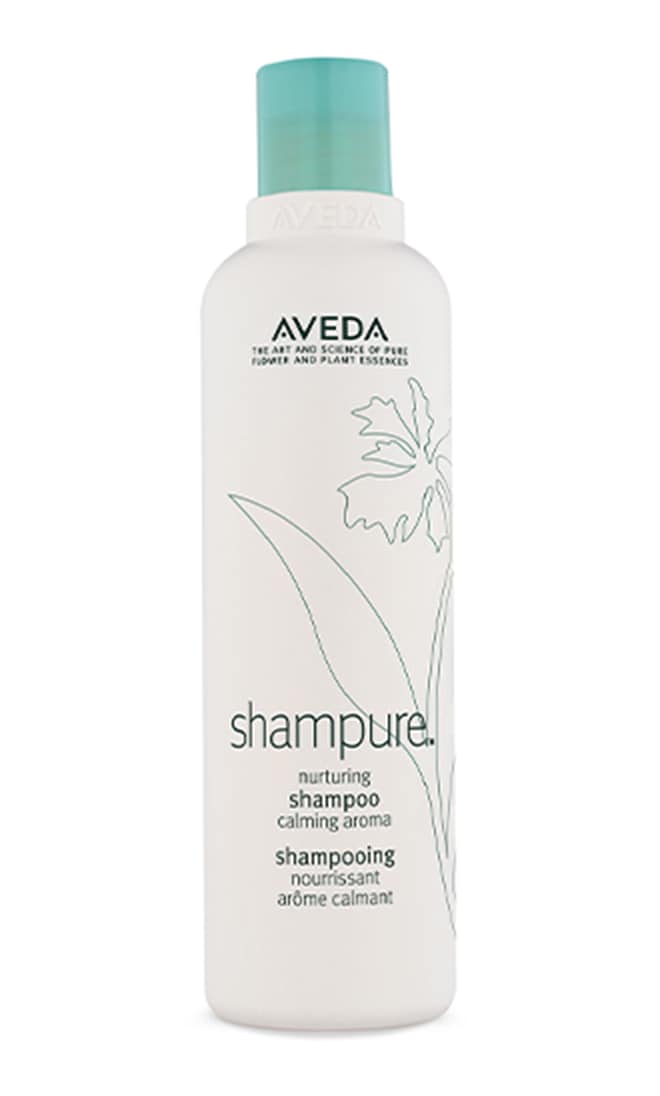
shampure™
Shampure Nurturing Shampoo
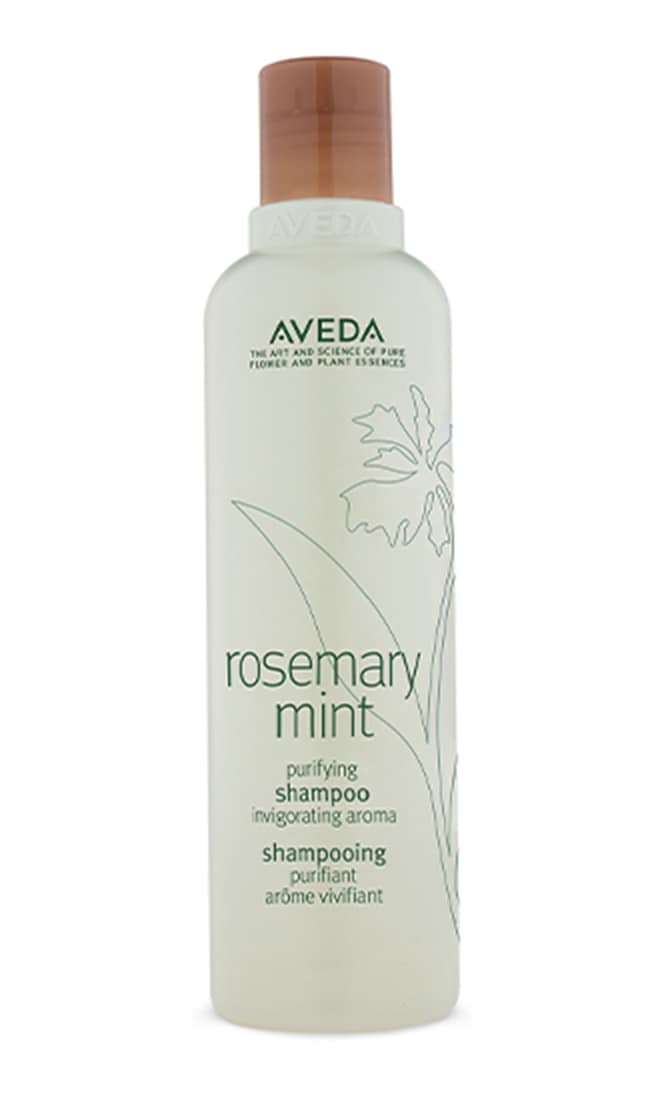
rosemary mint
Rosemary Mint Purifying Shampoo
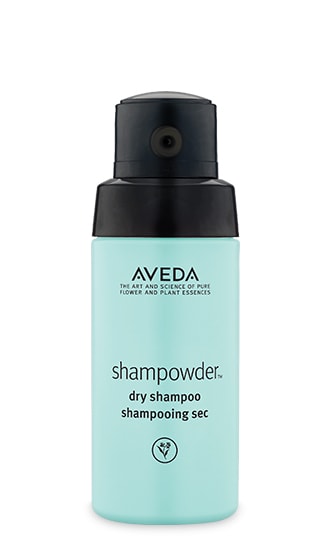
shampowder™
Shampowder Dry Shampoo
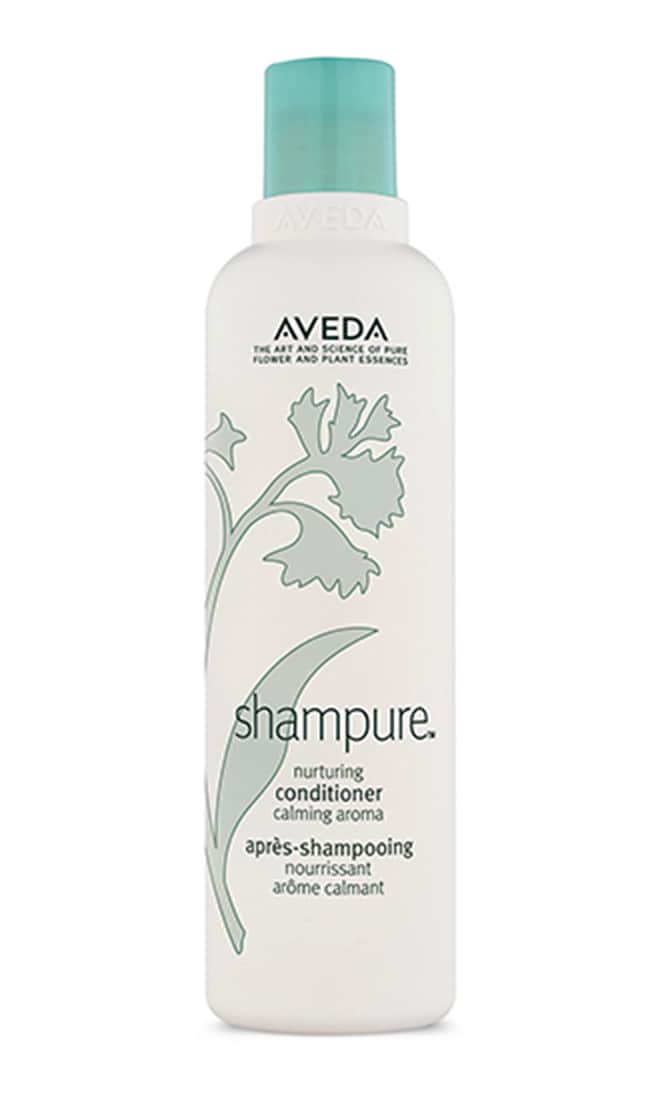
shampure™
Shampure Nurturing Conditioner
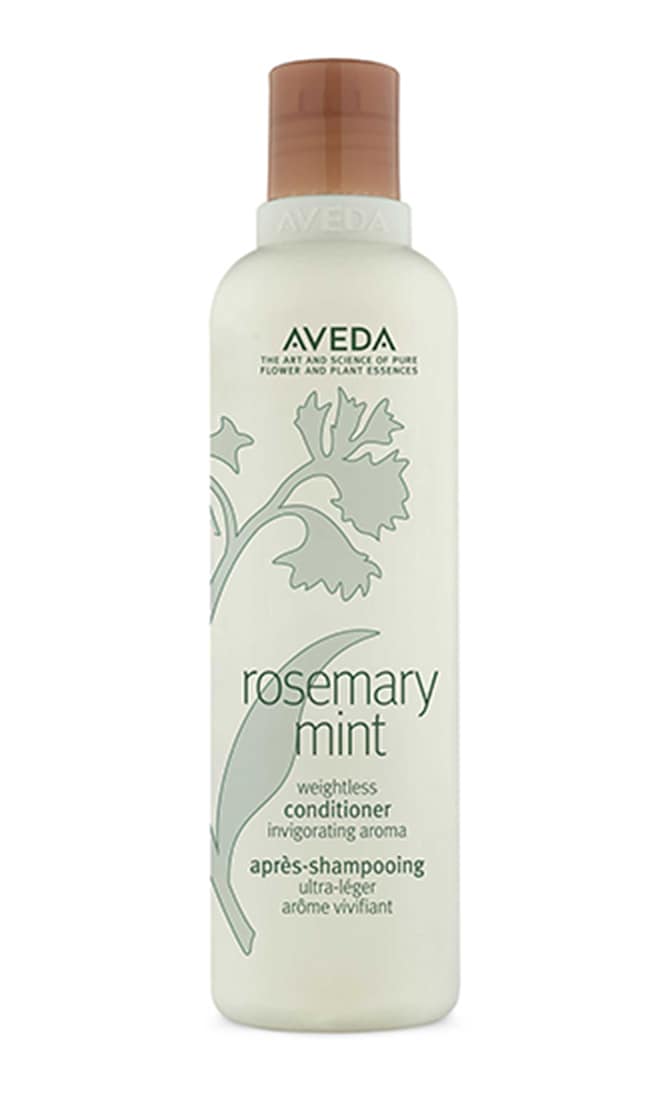
rosemary mint
Rosemary Mint Weightless Conditioner
Purchases made through these links support Lee Graves Salon through Aveda's A-Commerce program. Prices shown were checked on 2026-08-20; the current price always appears at aveda.com.
Common questions
How many hair products do I actually need?
Five, give or take: a shampoo, a conditioner, one weekly treatment, one styler, and a heat protectant. Fine, low-maintenance hair might merge styler and protectant into a single product; very dry or color-treated hair might add a leave-in. If you own three products doing the same job, such as two masks or two creams, pick the one that works and set the rest aside.
What order should I apply hair products in?
On wash day: shampoo, then conditioner or a mask, then, on damp hair, your leave-in or styling product, then heat protectant before any hot tool. Lightest to heaviest is the rule for stylers, and protectant always goes on before heat, never after. On non-wash mornings, skip cleansing entirely and just refresh: a light mist of water, a touch of styler on the ends, done.
How often should I wash my hair?
Let your scalp decide, not the calendar. Oily scalps usually need washing every day or two; normal scalps every two to three days; dry, curly, or coarse hair can often go three to five. If your roots look flat and feel greasy, wash. If your scalp feels tight and your ends look parched, stretch it. Most people land on two to three washes a week.
How long should I try a routine before changing it?
Give it four to six weeks. Hair responds slowly, since you're waiting on cumulative changes like less breakage, easier detangling, and styles that hold, and most products need several washes to show what they can really do. Judge one change at a time: if you swap shampoo, mask, and styler in the same week, you'll never know which one helped. The exception is irritation, because itching, stinging, or flaking means stop now.
Do I need a heat protectant every time I use hot tools?
Yes, every time, no exceptions. Heat protectants coat the strand with a thin film that slows heat transfer and cuts moisture loss, and that only works if it's on the hair before the tool touches it. One application covers one styling session; it doesn't carry over from yesterday. If you heat-style daily, look for a styler with built-in heat protection so one product handles both jobs.
Want this dialed in for your hair specifically?
Book with us in Plano at (972) 378-0091 and leave with a routine that fits your hair, your schedule and your budget.