Thinning Hair: What Actually Helps (and What Doesn't)
Shedding, breakage or true thinning? How to tell the difference, what scalp-first routines can realistically do, and when to see your doctor, from our Plano stylists.
Reviewed by our stylists · updated 2026-08-21
If your hair feels thinner than it used to, the first job is figuring out which problem you actually have, because shedding, breakage and true thinning look similar in the mirror and need completely different fixes. The second job is starting sooner rather than later: every version of this problem is easier to address early.
Here's how we walk clients through it at the chair.
First, name the problem
Shedding is hair leaving the follicle at the end of its natural cycle. Everyone sheds 50–100 hairs a day. Big life events such as childbirth, illness, surgery, intense stress, or rapid weight loss can push a wave of follicles into their resting phase at once, and two or three months later you see a dramatic increase in the drain. This is called telogen effluvium, it's usually temporary, and the hair typically returns as the trigger resolves.
Breakage is hair snapping off along the strand rather than falling from the root. The tell: short hairs with no white bulb at the end, often concentrated where you use hot tools, where highlights sit, or where your ponytail holder lands. Breakage isn't hair loss at all. It's damage, and it responds to the repair playbook in our dryness and damage guide.
True thinning means the follicles themselves are producing fewer or finer hairs. The most common cause by far is hereditary pattern hair loss, and in women it usually shows as a gradually widening part and a thinner ponytail rather than a bald spot. Hormonal shifts (postpartum, perimenopause, thyroid conditions), iron deficiency and some medications also drive it.
One sentence we say to every client, and we mean it: talk to your doctor about medical causes. Blood work that checks iron, thyroid and vitamin D rules out the fixable medical drivers in one appointment, and prescription options for pattern loss work far better started early. Nothing on a shelf, ours included, substitutes for that conversation.
The scalp-first approach
Whatever the cause, the routine that supports the hair you're growing starts at the scalp, because that's where the hair is actually made.
- Wash regularly. Letting oil, product and dead skin sit on a thinning scalp helps nothing. Most people fighting thinning do better washing every day or every other day with a lightweight scalp-focused shampoo like invati ultra advanced exfoliating shampoo light, because the "wash less" advice that helps dry hair works against you here.
- Exfoliate weekly. A scalp exfoliant or gentle scrub once a week keeps follicle openings clear of buildup. If you're a heavy dry-shampoo user, this matters double.
- Massage while you wash. A few minutes of firm fingertip massage boosts circulation to the follicles and costs nothing. The evidence is modest but real, and it makes the wash more thorough anyway.
- Handle wet hair gently. Thinning hair can't afford bonus breakage. Condition with something light that gives real slip, such as invati ultra advanced thickening conditioner light, which detangles without weighing roots down, then a wide-tooth comb, no aggressive towel-scrubbing, no tight styles on damp hair.
Our scalp care guide goes deeper on buildup, flaking and wash technique.
What products can and can't do
Be suspicious of anything that promises regrowth from a bottle. Here's the honest version:
What topical routines can do: keep the scalp environment healthy, reduce breakage so the hair you grow actually reaches length, thicken the appearance of existing strands, and support follicles with ingredients like caffeine and densifying plant compounds, which is the job of a daily leave-on like invati ultra advanced revitalizing scalp serum. Aveda's invati line, the one we carry, is built around exactly this: exfoliate the scalp, thicken the strand, reduce hair lost through breakage. That last number is real and meaningful, and it is still not the same claim as growing new hair.
What they can't do: restart dead follicles or override hormones. The treatments with strong evidence for regrowth, including minoxidil, prescription options, and in-office procedures, live at the pharmacy and the dermatologist, not the salon shelf. A good salon routine pairs with those; it doesn't replace them.
Styling tricks that buy you density today
While the long game runs, styling closes the visual gap:
- Change your part. Hair flattened in the same part line for years shows more scalp. Flipping or zig-zagging the part adds instant lift and coverage.
- Blow-dry against gravity. Rough-dry the roots upward or upside down before finishing. Root lift reads as density.
- Use volumizers, skip heavy products. Creams and oils glue fine strands together, which shows more scalp. Foams like invati ultra advanced thickening foam and root sprays hold strands apart. Our fine hair and volume guide covers the full technique.
- Rethink the cut. Blunt, shorter shapes make thin ends look fuller; long layers on thinning hair do the opposite. A strategic color placement can also visually blur the scalp-to-hair contrast at the part.
Mistakes that make thinning worse
- Tight ponytails, buns and extensions worn daily, because traction is a genuinely preventable cause of loss, especially at the hairline.
- Crash diets. Hair is protein; follicles are among the first things your body deprioritizes.
- Panic-buying five products at once. Change one variable at a time or you'll never know what worked.
- Judging results week to week. Follicles cycle over months, so commit to 12 weeks minimum and track with monthly photos, not the mirror.
- Skipping the doctor because the shampoo aisle felt easier. Check the medical causes first; everything else works better once they're ruled out.
Thinning is one of the most personal things we talk about in the chair, and the clients who do best treat it as a project with several fronts: medical checkup, scalp-first routine, protective styling, and patience measured in months. If you'd like a second set of eyes on what your hair is doing, your stylist can look at your scalp and part pattern and tell you honestly which kind of problem they see.
What we recommend from Aveda
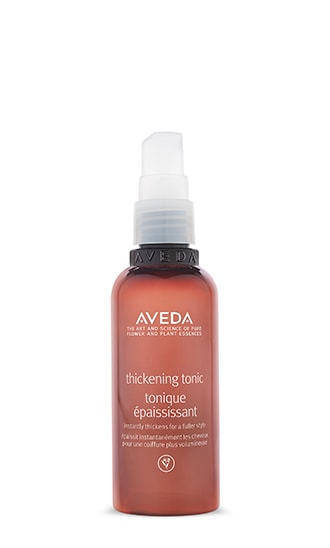
thickening
Thickening Tonic Styling Spray
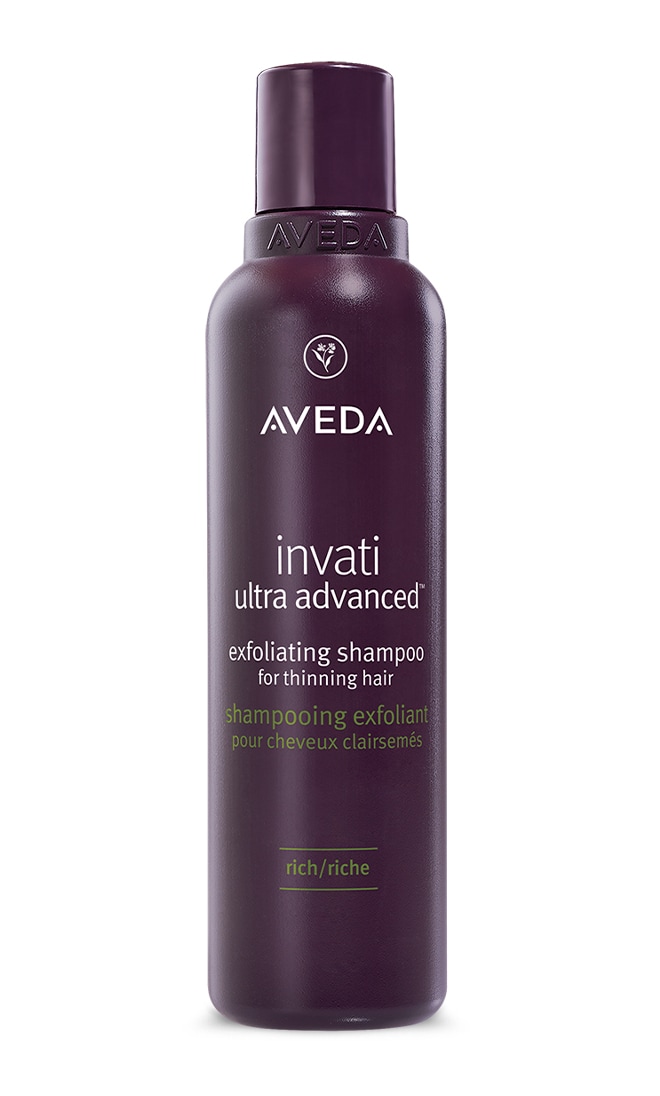
invati
Invati Ultra Advanced Exfoliating Shampoo Rich
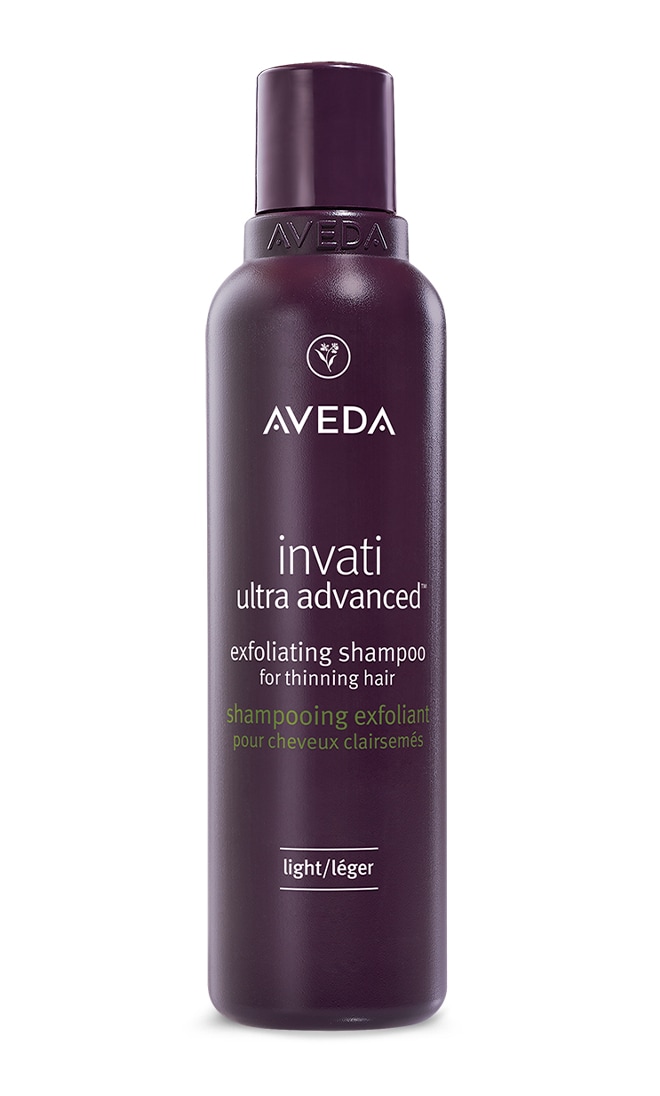
invati
Invati Ultra Advanced Exfoliating Shampoo Light
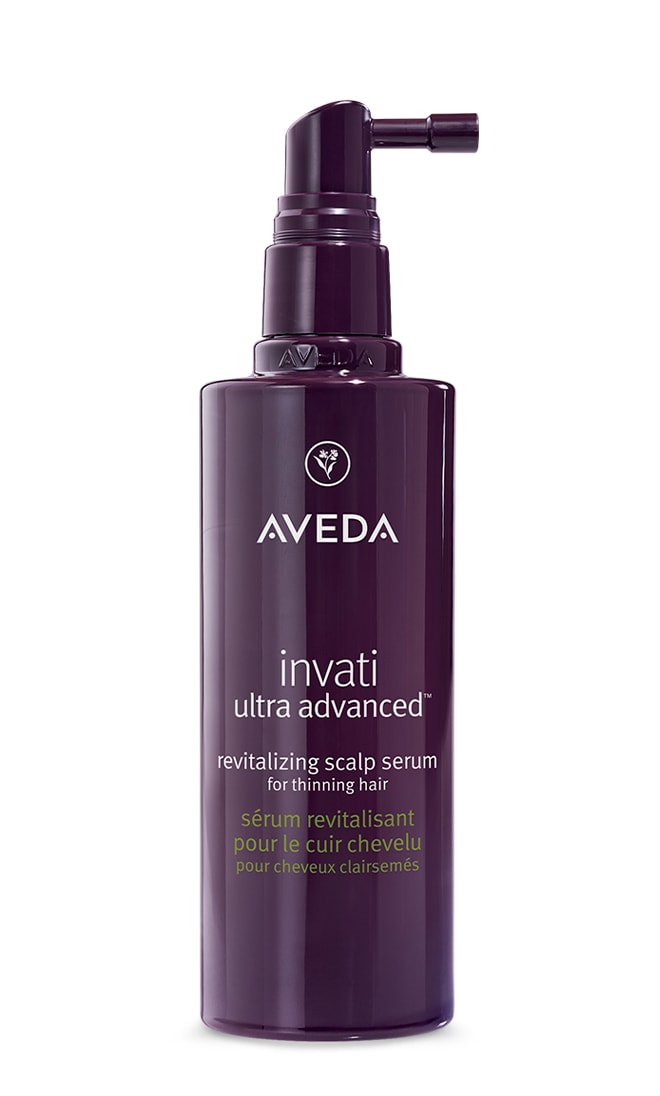
invati
Invati Ultra Advanced Revitalizing Scalp Serum
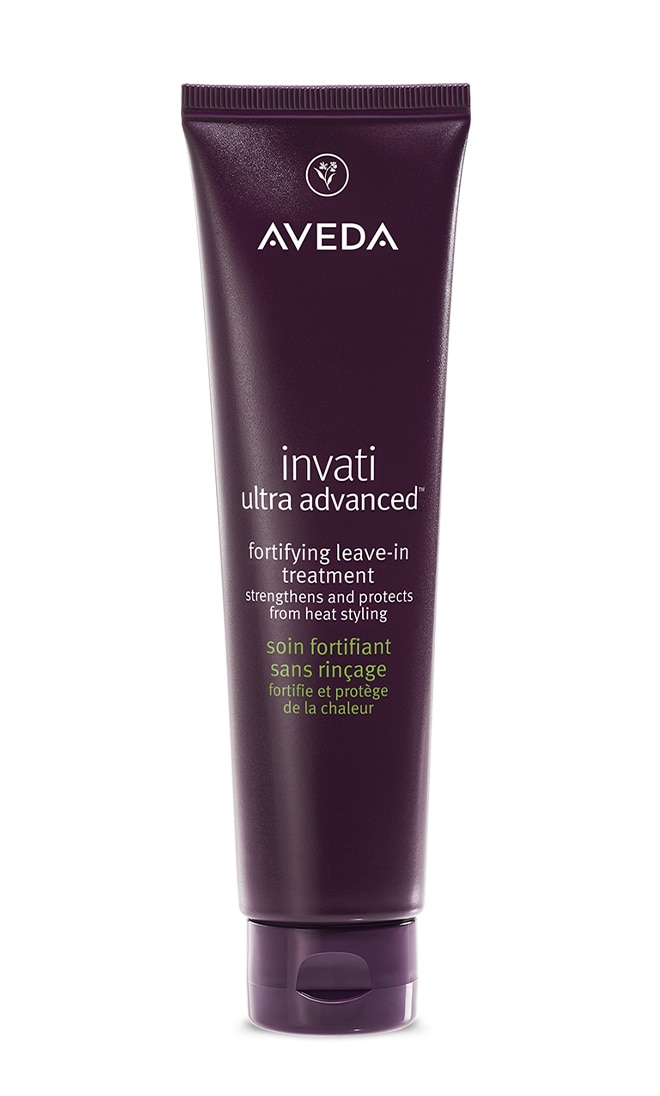
invati
Invati Ultra Advanced Fortifying Leave In Treatment

thickening
Pure Formancetm Men Thickening Paste
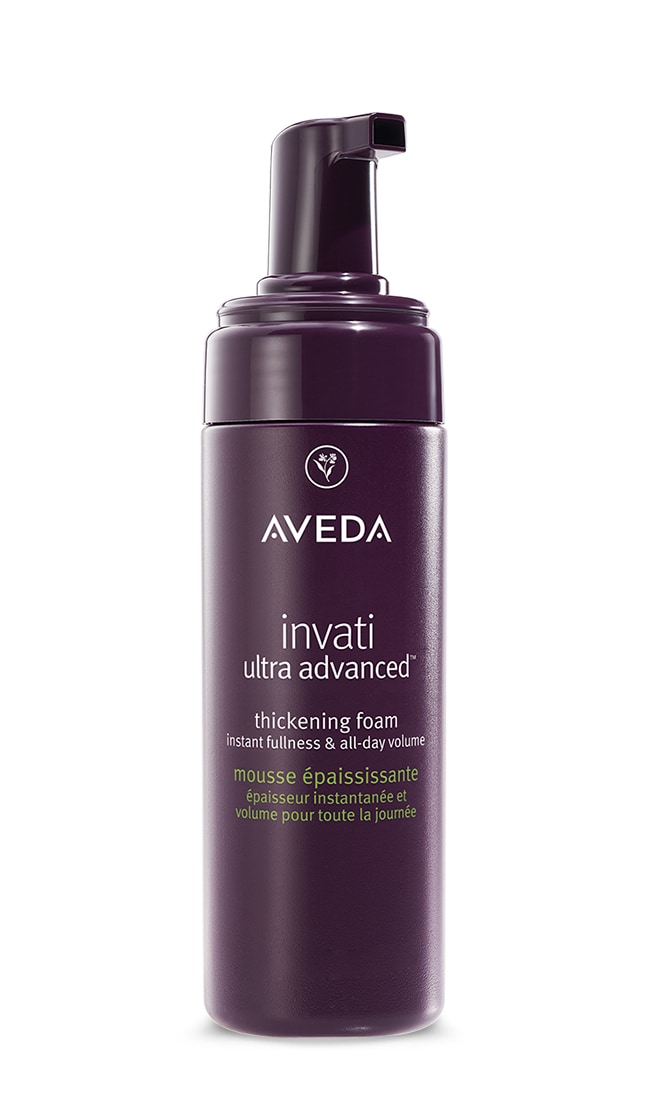
invati
Invati Ultra Advanced Thickening Foam
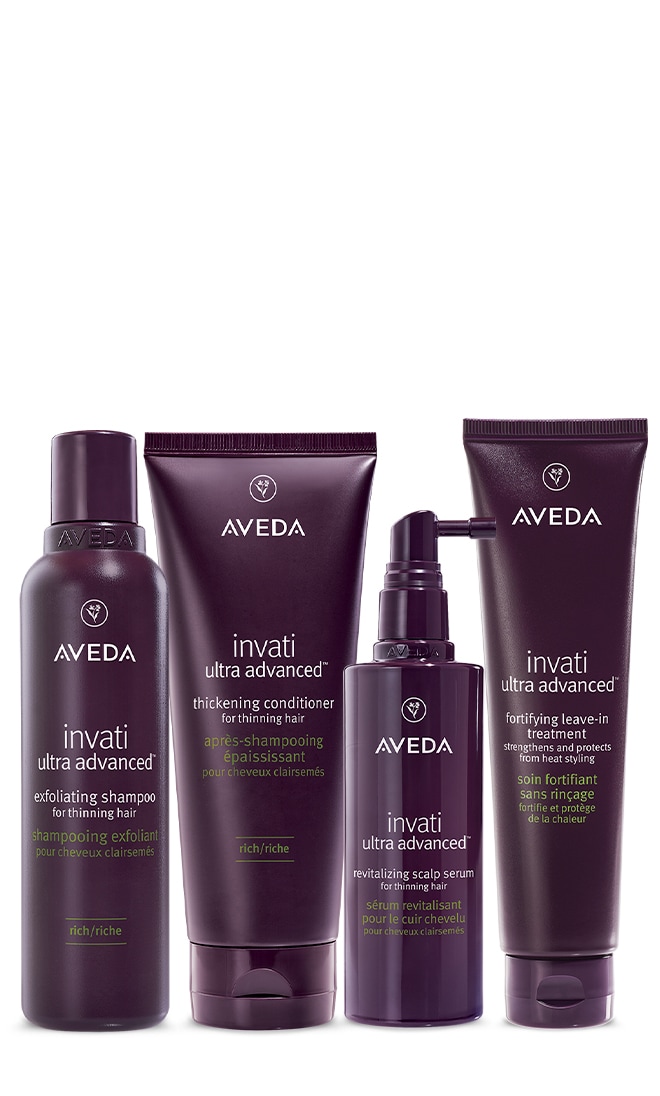
invati
Invati Ultra Advancedtm Rich System for Thinning Hair
Purchases made through these links support Lee Graves Salon through Aveda's A-Commerce program. Prices shown were checked on 2026-08-20; the current price always appears at aveda.com.
Common questions
How much daily hair shedding is normal?
Losing roughly 50 to 100 hairs a day is normal, and you'll see them in your brush and shower drain. What's worth attention is change: noticeably more hair coming out than is usual for you, a widening part, a thinner ponytail, or more scalp showing at your hairline. Those are the signals to bring up with your stylist and your doctor rather than a number on its own.
Is my hair thinning or just breaking?
Look at the hairs you're losing. A shed hair is full length with a tiny white bulb at the root. Breakage is short pieces with no bulb, often the same length in one area, with visible mid-shaft splits. Breakage points to damage from heat, tension or chemical processing and responds to repair care. True thinning means fewer or finer hairs growing, which is a different problem with different fixes.
Do thickening shampoos actually work?
They do two honest things: keep the scalp environment clean and healthy, and plump the strands you already have so hair looks and feels fuller. What no shampoo can do is create new follicles or reverse hormonal hair loss. Think of them as a supporting habit inside a bigger routine, worth using, as long as your expectations match what a rinse-off product can deliver.
How long before I see results from a thinning-hair routine?
Plan on 12 weeks minimum, and closer to six months for a fair verdict. Hair grows about half an inch a month, and follicles cycle slowly, so any routine, product or treatment needs multiple growth cycles to show a visible difference. Take a photo of your part and hairline in the same light each month; that beats memory, which adjusts to gradual change and hides progress in both directions.
Can tight hairstyles cause thinning?
Yes. It's called traction alopecia, and we see it in the salon more than people expect. Ponytails, buns, braids and extensions that pull at the same spots day after day can damage follicles over time, especially around the hairline. Caught early it reverses when the tension stops; left for years it can become permanent. Varying your styles and loosening the pull is genuine prevention, not just comfort.
From our blog
- Hand-Tied vs Tape-In vs Keratin Bond: Which Is Best for Fine Hair?
A method-by-method comparison for fine and thinning hair: how each attachment distributes weight, which shows through, and what we actually recommend at consultation.
Want this dialed in for your hair specifically?
Book with us in Plano at (972) 378-0091 and leave with a routine that fits your hair, your schedule and your budget.