Scalp Care: How to Fix Flaking, Oil, and Buildup
Learn to tell dry scalp from dandruff and product buildup, how often to exfoliate, the washing technique stylists use, and when flaking needs a dermatologist.
Reviewed by our stylists · updated 2026-08-21
A flaky, itchy, or greasy scalp almost always comes down to one of three things: a dry scalp, oily dandruff, or product buildup, and each one needs a different fix. Get the diagnosis wrong and the usual remedies backfire: moisturizing an oily, flaky scalp feeds the problem, and scrubbing a dry scalp harder makes it flake more. Here's how to tell the three apart and build a wash routine that keeps your scalp calm.
Your Scalp Is Skin First
It's easy to think of your scalp as "where hair comes from," but it's skin, the same kind you have on your face, just with more oil glands and a lot more hair in the way. Like the skin on your face, it has a protective barrier: a thin layer of natural oil and skin cells that holds moisture in and keeps irritants out.
Everything that goes wrong up there is a barrier story. Overwashing, hot water, harsh cleansers, and scratching strip the barrier and leave your scalp dry and reactive. Underwashing lets oil, sweat, dead skin, and styling product pile up on top of it until your scalp is suffocating under a film. Healthy scalp care is just keeping that layer in balance: clean enough, never stripped.
Step One: Figure Out Which Problem You Actually Have
Before you change anything, look closely at your flakes and how your scalp feels. The three culprits look similar from a distance but behave very differently up close.
Dry scalp
- Flakes: small, white, powdery; they drift off easily onto your shoulders
- Feel: tight and itchy, often worst right after washing
- Clues: your hair tends to be dry too, and it flares when something strips your scalp, whether that's hot showers, harsh shampoo, or living under blasting AC all summer, which is basically a Plano lifestyle requirement
The fix: wash less often with a gentle, sulfate-free shampoo, turn the water temperature down, and add a hydrating scalp treatment like scalp solutions hydrating scalp hair masque. Treat it like dry facial skin: less stripping, more moisture.
Oily dandruff
- Flakes: larger, yellowish, waxy or greasy; they stick to your scalp and cling to strands
- Feel: oily again within a day of washing, often itchy, sometimes red at the roots
- Clues: commonly linked to a yeast that lives on everyone's scalp and feeds on oil, and in some people it irritates the skin and speeds up flaking
The fix: the opposite of dry scalp. Wash more often, and use a dandruff shampoo with a proven active such as zinc pyrithione, selenium sulfide, or ketoconazole, following the label, which usually means letting it sit a few minutes before rinsing. Oil masks and rich scalp treatments make this type worse, not better.
Product buildup
- Flakes: little clumps or balls of residue rather than true skin flakes; often appear after you switch to heavier products
- Feel: coated and filmy; roots go flat fast and hair looks dull no matter what you do
- Clues: the usual suspects are dry shampoo layered for days, heavy creams or oils applied at the root, conditioner worked into the scalp, and hard water
The fix: one thorough reset wash with a clarifying shampoo like rosemary mint purifying shampoo, then change the habit that caused it. Buildup always comes back if the routine doesn't change.
Wash Technique: Where Most Scalp Problems Start and End
How you wash matters as much as what you wash with, and for most scalps, a gentle daily wash like scalp solutions balancing shampoo plus the technique below is the whole fix.
- Fingertips, never nails. Scratching feels amazing and tears up your barrier. Massage shampoo in with the pads of your fingers in small, slow circles.
- Shampoo is a scalp product. Concentrate it at the roots and let the lather clean your lengths on the way down. Conditioner is the opposite: mid-lengths and ends, not scalp.
- Lather twice on heavy days. After workouts, dry-shampoo days, or a week of styling products, the first lather breaks up oil and residue and the second actually cleans.
- Rinse longer than you think. A slow count of 30, minimum, until the water runs completely clean and your scalp feels squeaky under your fingertips. Leftover shampoo is one of the most common causes of itching and mystery flakes we see in the chair.
- Warm, not hot. Hot water strips the barrier and ramps up both dryness and oil rebound.
One Texas-specific note: summer sweat dries on your scalp as a salty film, and covering it with dry shampoo just seals it in. On heavy-sweat days, a quick water rinse and conditioner on the ends beats another layer of powder, and there's more on that in our guide to protecting your hair in Texas heat and humidity.
How Often to Exfoliate
A scalp scrub or a liquid exfoliator with salicylic acid, the workhorse ingredient in scalp solutions exfoliating scalp treatment, clears dead skin and stubborn residue that shampoo leaves behind.
- Oily or buildup-prone scalp: once a week, on wash day
- Dry or sensitive scalp: every other week, or less
- Irritated, broken, or freshly colored scalp: skip it until things calm down
Exfoliation removes buildup, but it does not treat dandruff. If your flakes are the yellow, waxy kind, you still need an active-ingredient shampoo doing the real work. And if exfoliating leaves your scalp tight, stinging, or flakier, that's your barrier waving a white flag. Back off.
Protecting Your Scalp Barrier Between Washes
- Keep hot tools and their heat blast away from your roots, so style the lengths and spare the scalp.
- Don't apply oils, conditioners, or heavy stylers directly to the scalp unless the product is specifically made for it.
- Use dry shampoo from several inches away, brush it through, and never let it stack for days.
- Your part line can sunburn. In summer, wear a hat or move your part around.
- If your hair is color-treated, the gentle sulfate-free washing in our color-treated hair routine happens to be exactly what your scalp barrier wants too.
Mistakes That Keep Scalps Angry
- Treating every flake as "dry" and adding oil to a scalp that's already too oily
- Scratching with nails or hard brush bristles
- Rushing the rinse and leaving shampoo residue behind
- Ignoring your scalp type: washing an oily scalp twice a week, or a dry one every day
- Scalding showers, which strip the barrier and make both dryness and oiliness worse
- Exfoliating irritated skin, which turns a bad week into a bad month
When Flaking Needs a Dermatologist
Most flaky scalps respond to the routines above within a few weeks. See a dermatologist instead when you notice:
- Flaking with significant redness, thick scaly patches, or crusting
- Itching intense enough to interrupt sleep, or sores from scratching
- Flaking that extends past your hairline, into your brows or around your nose
- No improvement after several weeks of using a dandruff shampoo as directed
- Noticeable hair shedding along with the scalp symptoms
Conditions like seborrheic dermatitis, psoriasis, and fungal infections respond to prescription treatments that nothing on the shampoo aisle can match, and there's no reason to white-knuckle through months of guessing. And if thinning is part of the picture, talk to your doctor about medical causes, since our thinning-hair guide covers what a healthy scalp can and can't do for regrowth.
If you're not sure which category your scalp falls into, your stylist can take a close look at your next appointment and set you up with a wash routine and cadence that actually fits it.
What we recommend from Aveda
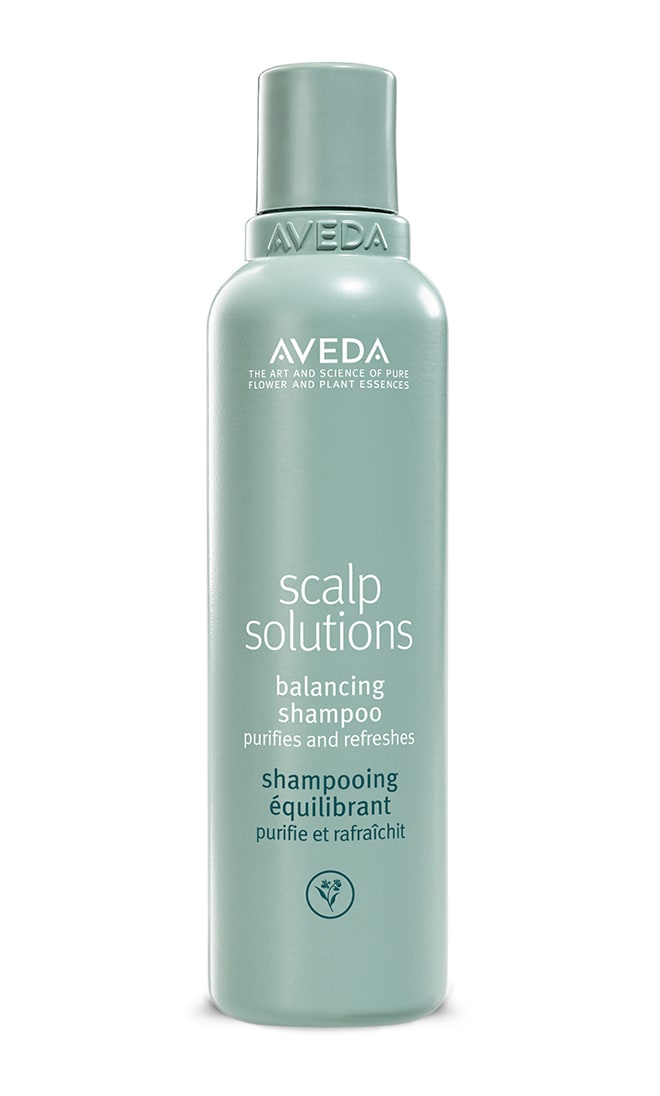
scalp solutions
Scalp Solutions Balancing Shampoo
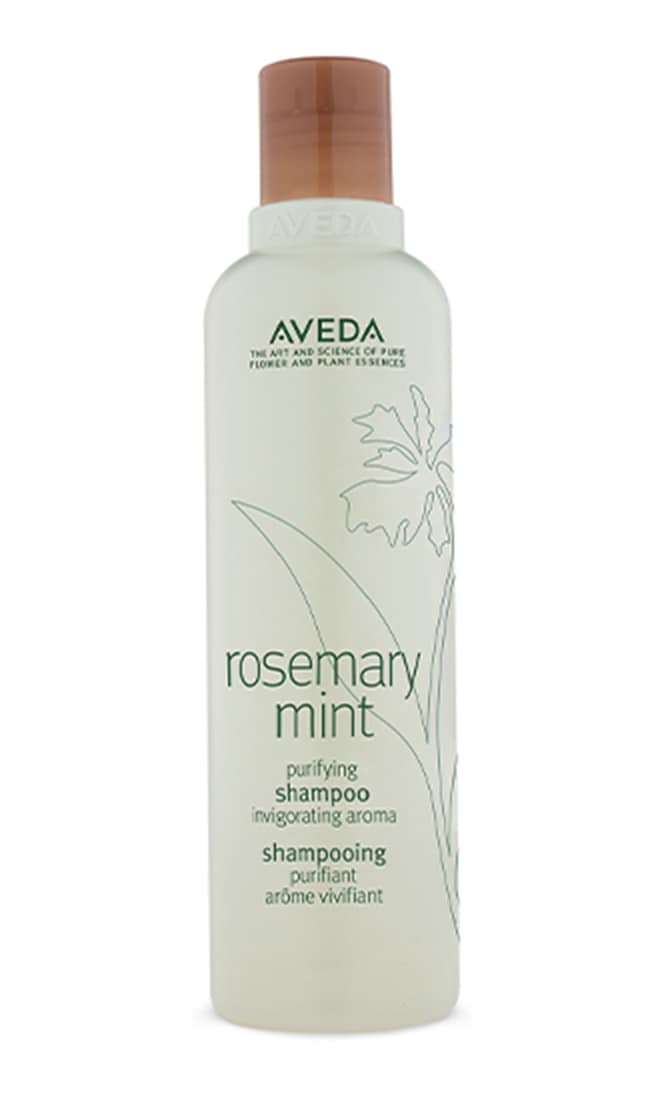
rosemary mint
Rosemary Mint Purifying Shampoo
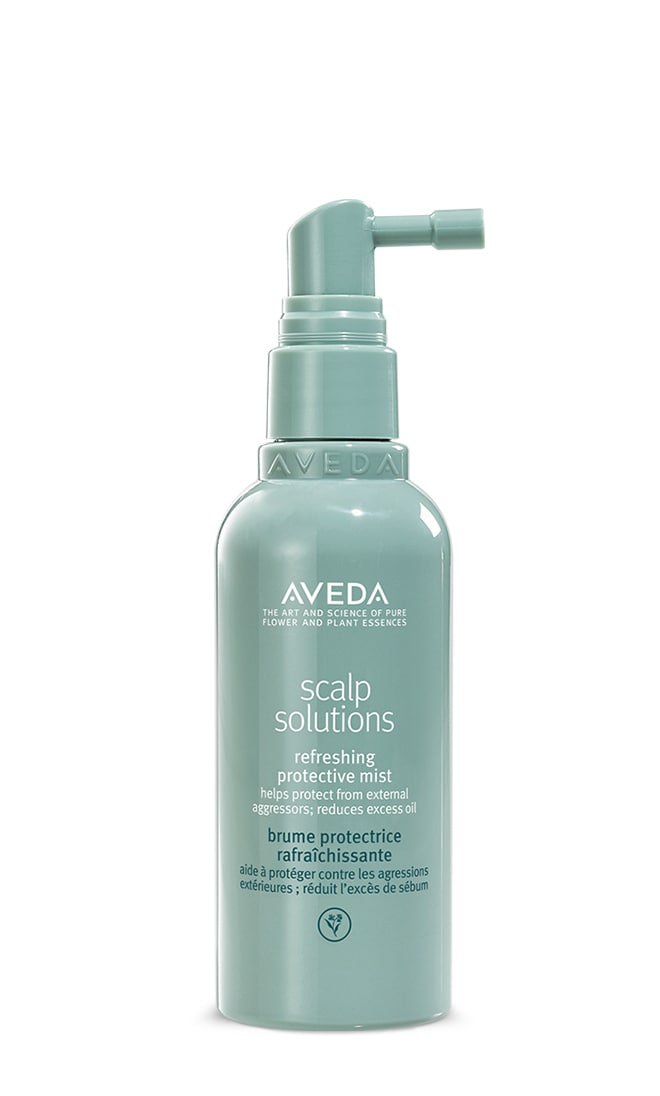
scalp solutions
Scalp Solutions Refreshing Protective Mist
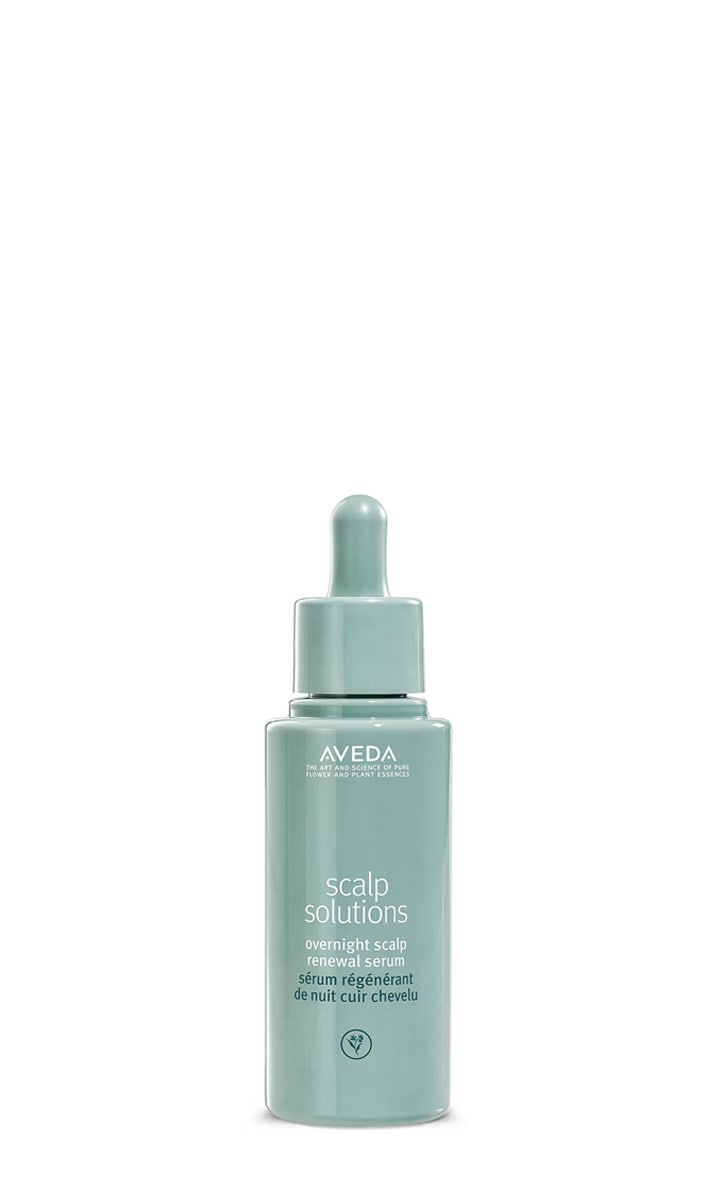
scalp solutions
Scalp Solutions Overnight Scalp Renewal Serum
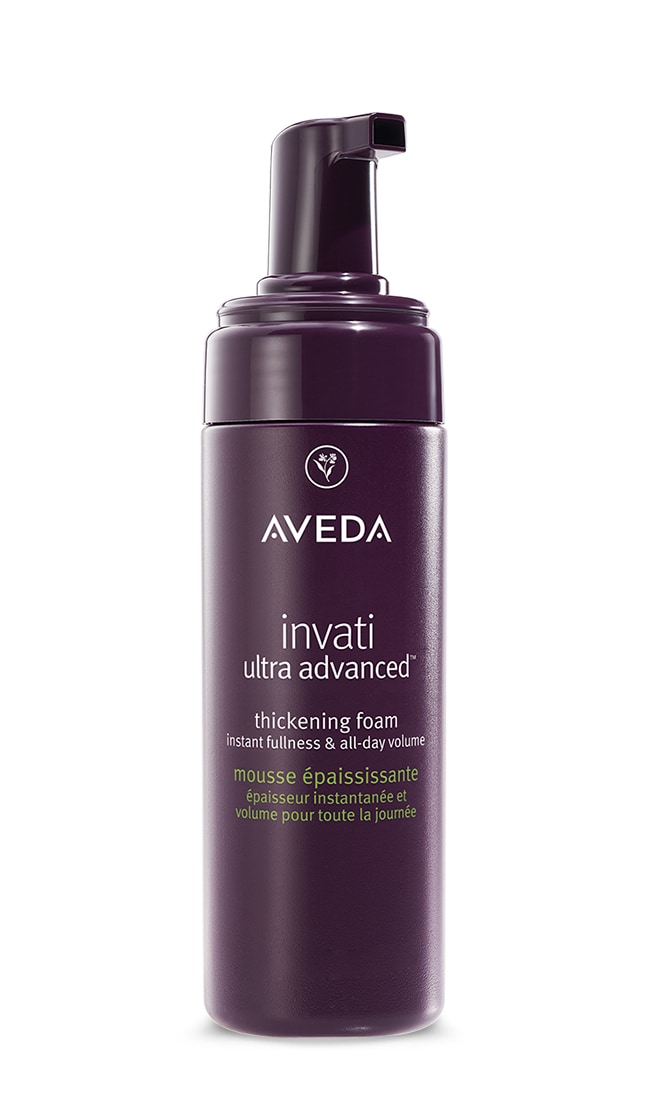
invati
Invati Ultra Advanced Thickening Foam
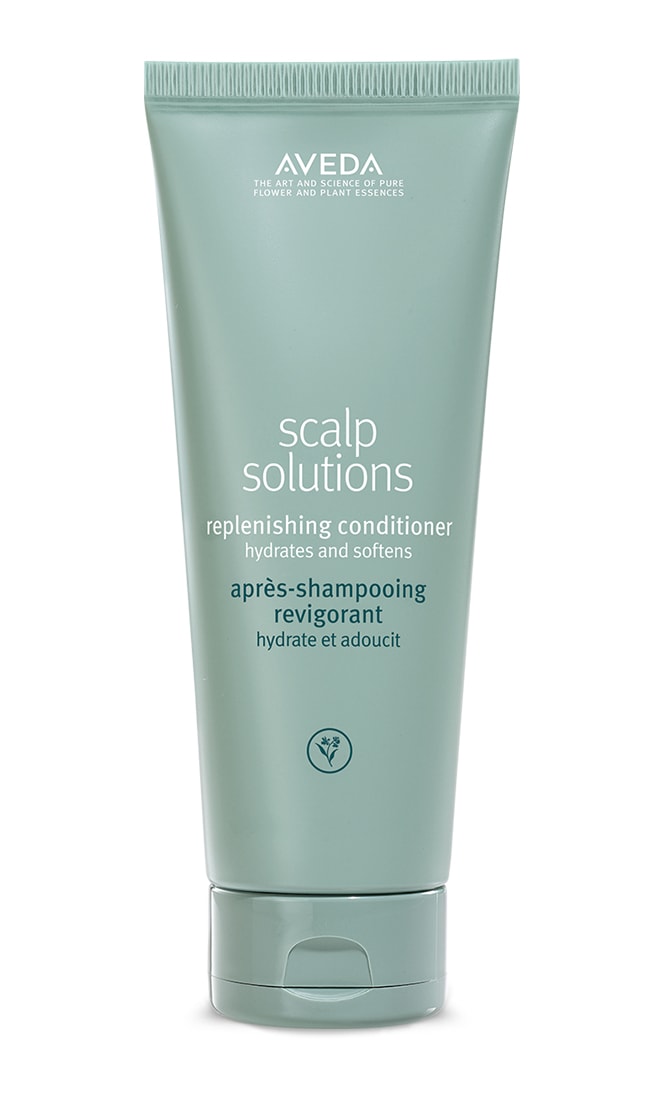
scalp solutions
Scalp Solutions Replenishing Conditioner
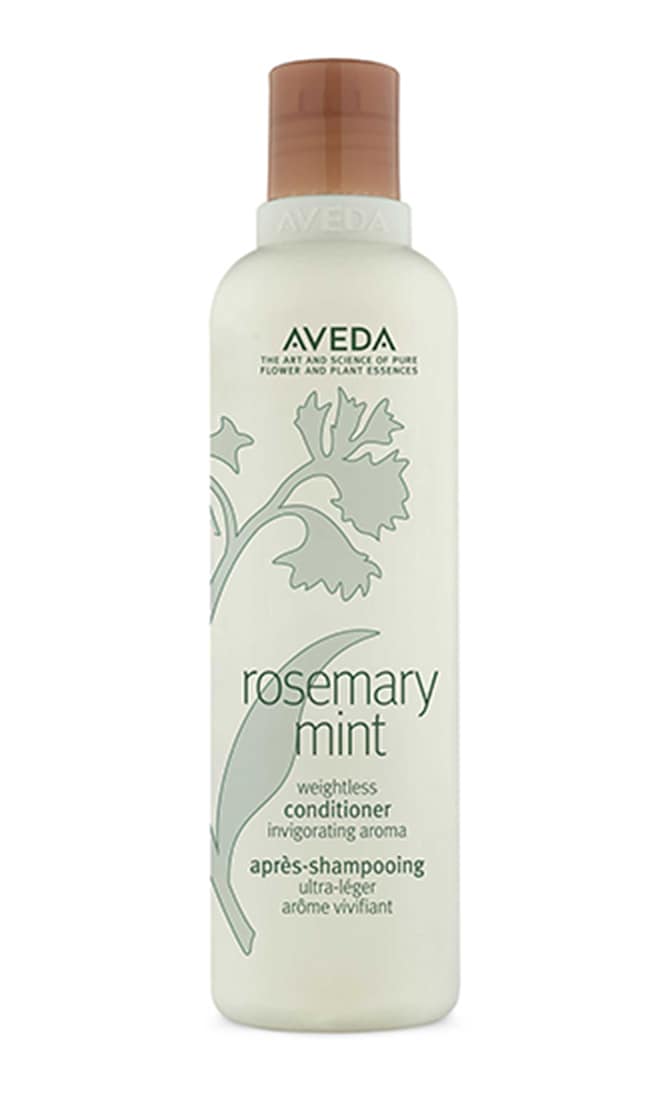
rosemary mint
Rosemary Mint Weightless Conditioner
Purchases made through these links support Lee Graves Salon through Aveda's A-Commerce program. Prices shown were checked on 2026-08-20; the current price always appears at aveda.com.
Common questions
How can I tell if I have dandruff or just a dry scalp?
Look at the flakes. Dry-scalp flakes are small, white, and powdery, and they fall away easily, usually with tightness or itch after washing. Dandruff flakes are larger, yellowish, and oily, and they stick to your scalp and hair. Dry scalp improves with gentler washing and more moisture; dandruff needs more frequent washing with a shampoo that contains an active like zinc pyrithione.
How often should I exfoliate my scalp?
Once a week is plenty for most oily or buildup-prone scalps, and every other week is enough for dry or sensitive ones. Use a scalp scrub or a salicylic-acid treatment on wash day, following the product's directions. If you notice stinging, tightness, or more flaking afterward, you're overdoing it, so cut back and let your scalp recover for a week or two.
Can dry shampoo cause scalp buildup?
Yes. Dry shampoo absorbs oil but doesn't remove anything, so layering it for days leaves a film of starch, oil, and sweat on your scalp. That film can flake off in clumps that look like dandruff and leave roots flat and dull. Use it as a one-day bridge between washes, spray from several inches away, brush it through, and wash it out thoroughly on wash day.
Should I wash more or less often if my scalp is oily?
More often. An oily scalp with waxy, yellowish flakes usually needs frequent washing, because stretching washes lets oil accumulate and feeds the yeast linked to dandruff. Use a gentle or dandruff-active shampoo, massage with your fingertips, and rinse completely. Skipping washes won't train an oily scalp to produce less oil; oil production is driven mostly by hormones and genetics, so stretching washes just lets the problem build.
When should I see a dermatologist about scalp flaking?
See a dermatologist if flaking comes with significant redness, thick scaly patches, crusting, sores, or intense itching, or if it spreads past your hairline to your brows or around your nose. Also go if a dandruff shampoo used as directed for several weeks hasn't helped, or if you're shedding more hair than usual. Conditions like psoriasis and seborrheic dermatitis often need prescription treatment.
Want this dialed in for your hair specifically?
Book with us in Plano at (972) 378-0091 and leave with a routine that fits your hair, your schedule and your budget.