How to Add Volume to Fine Hair: A Stylist's Guide
Real volume for fine hair starts with weightless washing, smart blow-dry technique, and the right cut. Our Plano stylists share what actually works.
Reviewed by our stylists · updated 2026-08-21
Volume on fine hair comes down to three things: a scalp that's truly free of buildup, products from the light end of the weight ladder, and lift built into the roots while your hair dries and cools. Get those three right and fine hair can hold its shape all day, even through a Plano summer. Get any one of them wrong, and no amount of spray will rescue the style by lunchtime.
Fine vs. Thin: They're Not the Same Thing
This is the first thing we clear up at the chair, because the fix is different for each.
- Fine hair means each individual strand has a small diameter. It's about the width of the hair itself.
- Thin hair means fewer strands per square inch of scalp. It's about density, meaning how many hairs you have.
You can have fine, dense hair or coarse, sparse hair, because the two traits are independent. Most of the clients who tell us "my hair is so thin" actually have fine hair at normal density, and it just behaves flat, so it reads thin.
Why it matters: fine hair responds beautifully to technique and lightweight product. Thinning, meaning a real drop in density over time, more visible scalp, and a widening part, is a different conversation. If that sounds like you, start with our thinning hair guide and talk to your doctor about medical causes, because things like hormones, medications, and nutrition can play a role.
The rest of this guide is for fine hair. Here's how to make it act fuller.
Why Fine Hair Goes Flat
A fine strand has less internal structure than a coarse one, so it's simply less stiff. It bends under its own weight, collapses under heavy product, and can't hold a curl or a root lift without help.
Two more forces work against you:
- Oil moves fast. Sebum from your scalp travels down a fine, smooth strand quickly, so roots look greasy, and lie flat, sooner than they would on thicker hair.
- Humidity undoes your work. When you blow-dry hair into a shape, you're setting temporary bonds inside the strand. Moisture in the air breaks those bonds and lets hair relax back toward flat. In North Texas, that's not a hypothetical, so see our guide to protecting your hair in Texas heat and humidity for the full picture.
The Wash: Go Weightless
Volume starts in the shower, not at the styling station.
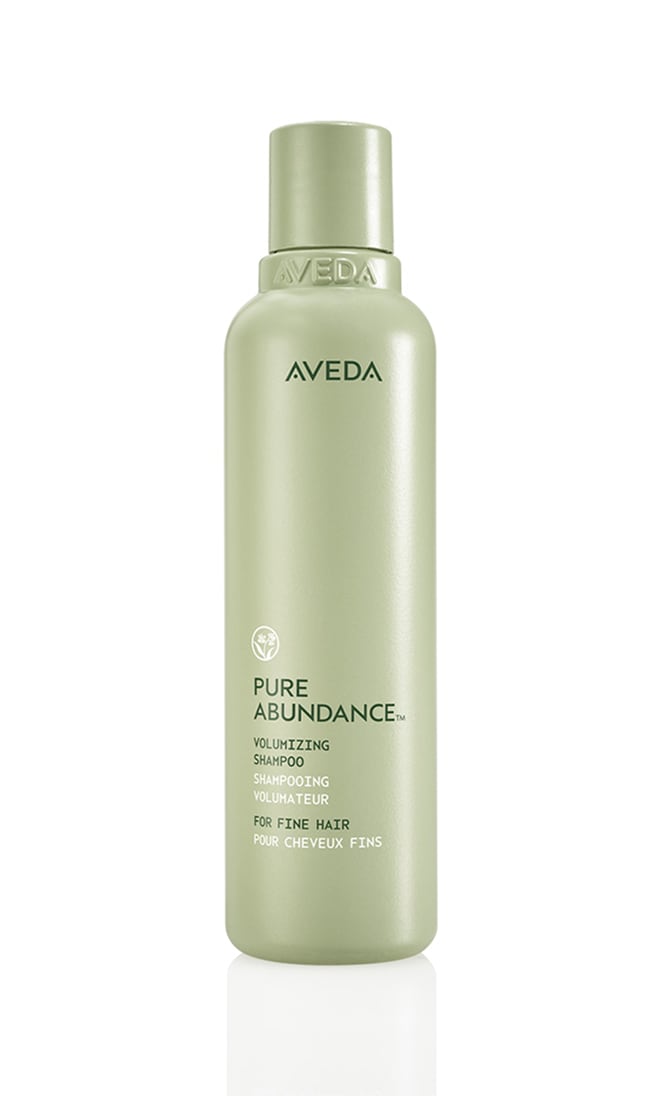
- Use a lightweight or volumizing shampoo: something like pure abundance volumizing shampoo, and actually work it into the scalp with your fingertips. The scalp is where oil and buildup live.
- Condition from the ears down only. Fine hair still needs conditioner, because dry ends look wispy and sparse, but it never belongs at the roots. Use a weightless formula like pure abundance volumizing conditioning rinse and rinse thoroughly.
- Rinse longer than feels necessary. Half-rinsed conditioner is invisible weight you'll fight all day.
- Clarify every week or two. A clarifying wash resets your hair to zero. If you use dry shampoo regularly, this step is not optional.
The Blow-Dry: Lift Lives at the Root
This is where fine hair is won or lost. Air-drying lets hair set in its natural fall, which is flat to the head. A five-minute blow-dry with intention changes everything.
Direction is everything
Mist damp roots with a lightweight lift spray like abundant blowout all over volumizing spray, then rough-dry to about 80 percent, flipping your hair side to side and upside down. Then, for the last stretch, dry your roots in the opposite direction of how they naturally fall, so pull sections up and over, or drop your head forward and dry underneath. When you flip back, the roots stand away from the scalp instead of lying against it. Aim the nozzle down the strand to keep the mid-lengths smooth while the root stays lifted.
Velcro rollers: the fine-hair secret weapon
Here's the part most people skip, and it's the part that makes lift last. Hair takes its shape as it cools, not just as it heats. So while your hair is still warm from the dryer:
- Take the sections along your part and crown, roll them back and away from your face on large velcro rollers, and set them right at the root.
- Leave them in for 10–15 minutes while you finish getting ready.
- Hit each roller with a blast of cool air before you remove it, then unwind gently and don't pull.
Cooling in a lifted position locks that shape in far better than heat alone. If you like the look, heatless curl methods work on the same set-while-cool principle.
The Product Weight Ladder
Think of styling products as a ladder from lightest to heaviest. Fine hair should start on the bottom rung and climb only if needed:
- Sprays and mists: root-lift spray, texturizing spray. Weightless grip; this is home base for fine hair.
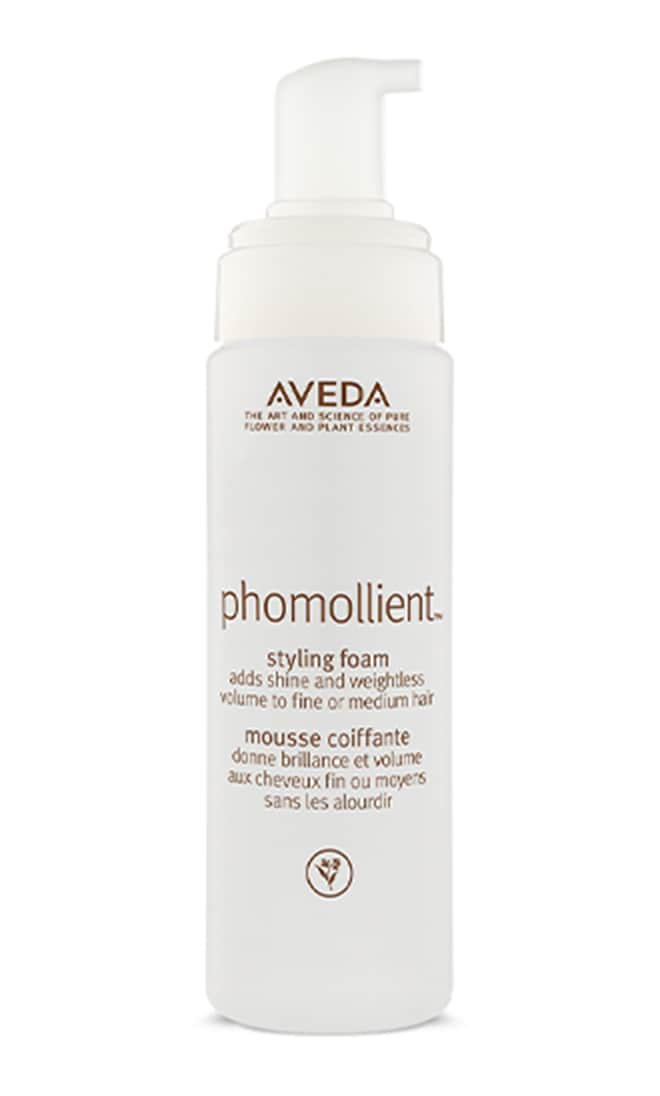
- Mousse: a foam like phomollient styling foam adds body and hold with very little weight. Apply at the roots on damp hair.
- Light creams and lotions: occasionally useful on ends, sparingly.
- Serums and oils: one or two drops, ends only, never near the roots.
- Butters, waxes, and pastes: almost never for fine hair.
Two rules make the ladder work: placement (root products at the roots, ends products at the ends, nothing heavy near the scalp) and quantity (start with half of what the bottle suggests). Finish with a light, flexible hairspray, and our hairspray guide covers how to pick one that holds without helmet stiffness.
Buildup: The Silent Volume Killer
If your hair used to have bounce and slowly lost it, buildup is the most likely culprit. Dry shampoo, leave-ins, hairspray, and conditioner residue accumulate on fine strands layer by layer, and each layer adds weight. Hard water minerals can add to the film, too.
The signs: hair that looks dull, feels coated, gets greasy faster than it used to, and won't hold a style even on wash day. The fix is that regular clarifying wash, plus being honest about how much dry shampoo you're using between washes.
Cut and Color Tricks That Read as Density
Technique gets you daily volume; your stylist can build fullness into the hair itself.
- Keep the perimeter blunt. A strong, clean bottom line makes ends look dense. Heavily thinned or razored ends do the opposite on fine hair.
- Mind your length. Fine hair past the collarbone tends to drag itself flat. Chin-to-collarbone is often the sweet spot for movement and fullness.
- Use long, soft layers rather than short, choppy ones. A few face-framing pieces add shape without stealing weight from the ends.
- Add dimension with color. Alternating lighter and darker tones creates shadow and depth, so hair reads fuller than a single flat shade. Balayage or traditional highlights both work; your colorist will place them where your hair needs the illusion most.
- Shadow the root. A slightly deeper root color makes the scalp less visible where hair parts, which reads as density at the crown.
Mistakes to Avoid
- Conditioning or applying oils at the roots
- Air-drying flat, then trying to add volume to cold, set hair
- Skipping the cool-down by removing rollers or dropping sections while they're still warm
- Doubling up on heavy products instead of starting at the bottom of the ladder
- Living on dry shampoo without a regular clarifying reset
- Growing fine hair long and expecting it to hold body it can't support
If you've dialed in the routine and your hair still won't cooperate, bring it to us. Your Lee Graves stylist can rework your cut, place dimension where it counts, and build a product ladder for your exact hair.
What we recommend from Aveda
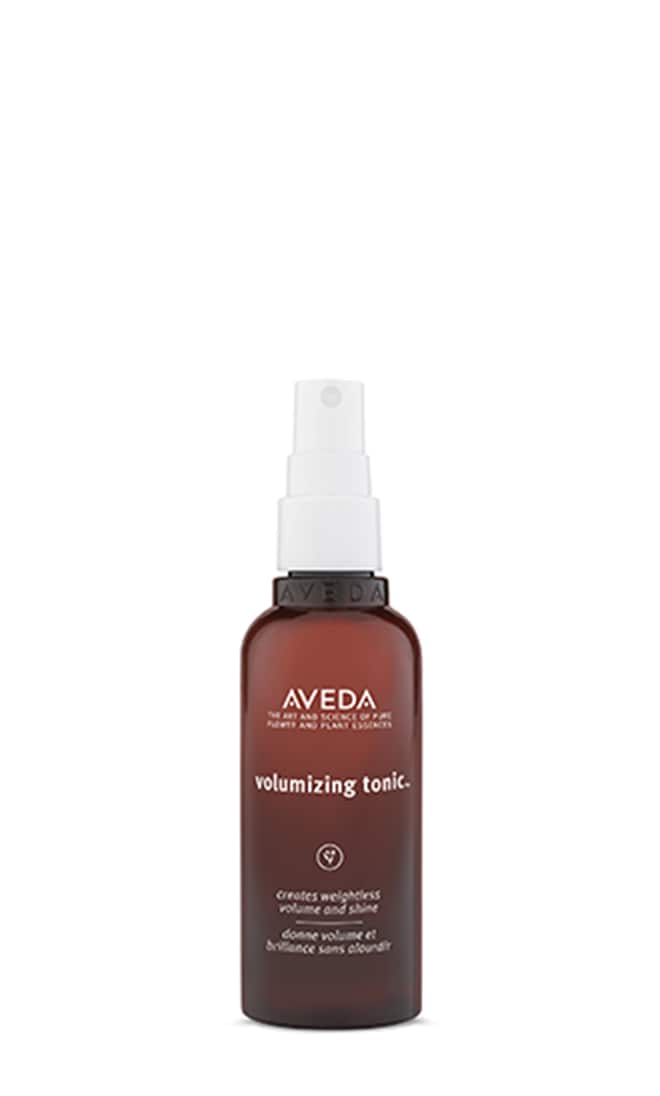
pure abundance™
Volumizing Tonictm Volume Styling Spray
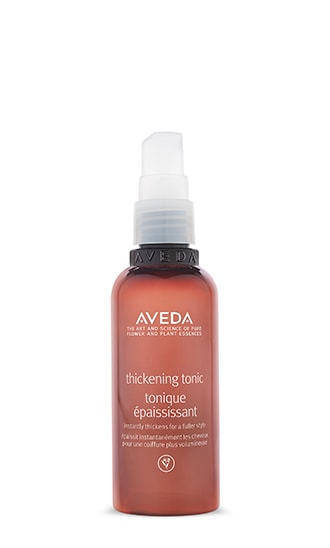
thickening
Thickening Tonic Styling Spray
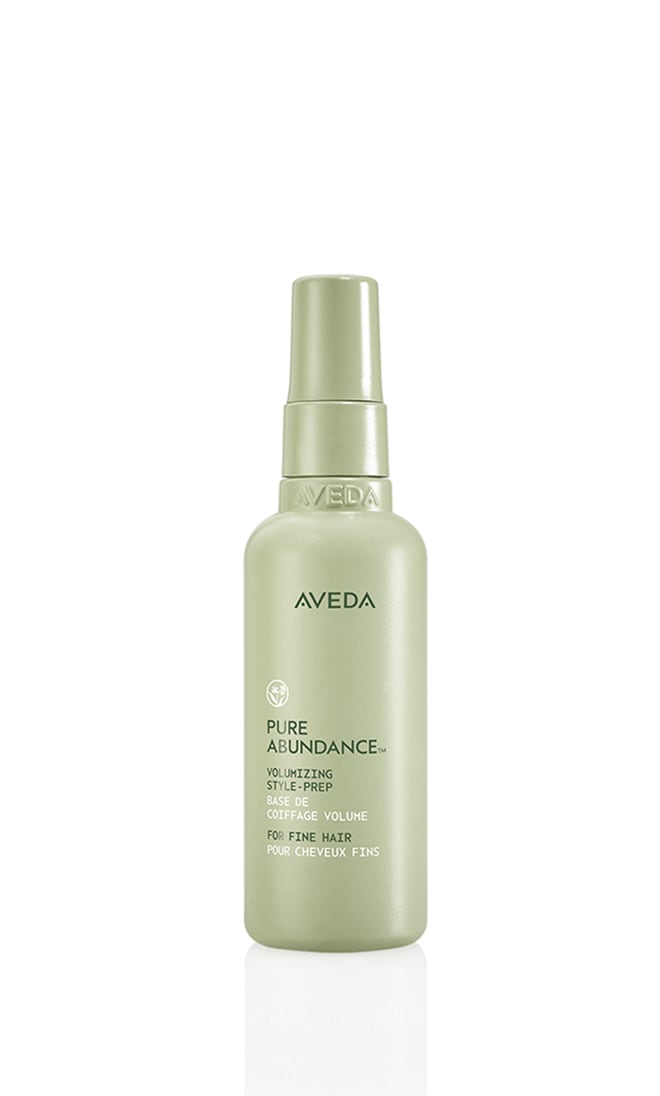
pure abundance™
Pure Abundancetm Volumizing Style Prep
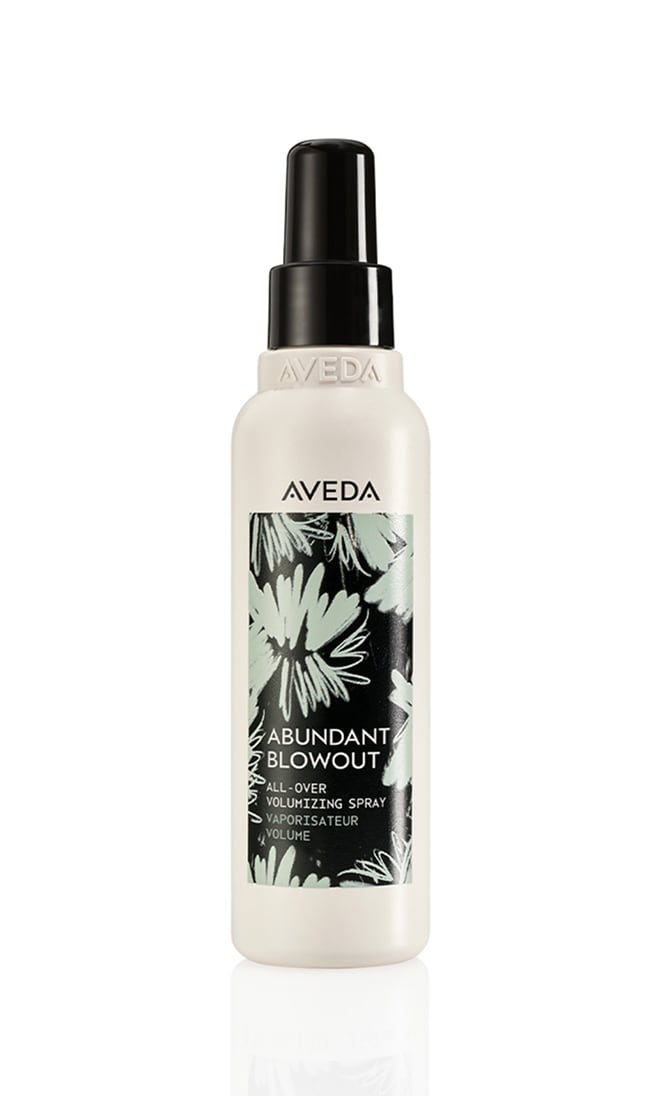
pure abundance™
Abundant Blowout All Over Volumizing Spray
pure abundance™
Pure Abundancetm Volumizing Shampoo
phomollient™
Phomollienttm Styling Foam for Hair Volume
thickening
Pure Formancetm Men Thickening Paste
shampowder™
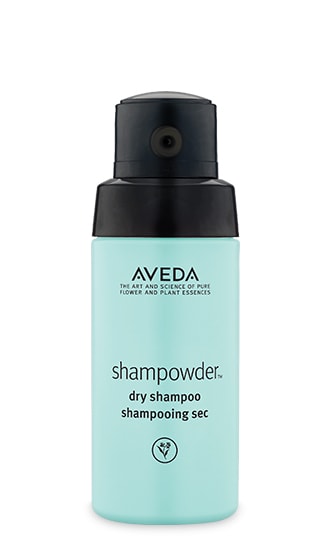
Shampowder Dry Shampoo
Purchases made through these links support Lee Graves Salon through Aveda's A-Commerce program. Prices shown were checked on 2026-08-20; the current price always appears at aveda.com.
Common questions
What is the difference between fine hair and thin hair?
Fine describes the width of each individual strand; thin describes how many strands you have per square inch of scalp. Fine hair can be very dense, and coarse hair can be thin. The distinction matters because fine hair needs lightweight products and root lift, while genuine thinning is a density change over time that's worth discussing with your stylist and your doctor.
How often should I wash fine hair?
Most fine-haired clients do best washing every day or every other day with a lightweight shampoo. Fine hair shows oil faster because sebum travels quickly down smaller strands, and oily roots flatten volume instantly. If daily washing feels like too much, alternate a full shampoo with a water rinse, and add a clarifying wash every week or two to clear buildup.
Do volumizing products actually work on fine hair?
Yes, when they're light enough and applied at the root. Root-lift sprays and mousses coat strands with flexible polymers that add stiffness and grip, which helps fine hair hold a lifted shape. The catch is quantity and placement: too much product, or product applied to mid-lengths, adds weight and does the opposite. Start with less than you think you need.
Will cutting my hair shorter make it look thicker?
Usually, yes. Long fine hair pulls itself flat under its own weight, and wispy ends make the whole head look sparse. A blunt or softly layered cut that ends between the chin and collarbone keeps weight where it reads as fullness and gives the ends a dense, healthy line. Your stylist can find the exact length that suits your face and lifestyle.
Why does my volume fall flat by midday?
Three usual suspects: product buildup weighing hair down, humidity relaxing the shape you set with heat, and natural oils traveling down the strand. Clarify regularly, always finish your blow-dry with a cool shot so the style sets as hair cools, and lock the root area with a light, flexible hairspray. In humid Plano summers, a smoothing or anti-humidity finishing mist helps the set last.
Want this dialed in for your hair specifically?
Book with us in Plano at (972) 378-0091 and leave with a routine that fits your hair, your schedule and your budget.