Dry, Damaged Hair: How to Repair It and Rebuild Moisture
What dry, damaged hair actually needs, covering porosity, moisture vs. protein, bond repair, and the step-by-step routine our Plano stylists recommend.
Reviewed by our stylists · updated 2026-08-21
Dry hair and damaged hair get treated like the same problem, but they're not, and the fix depends on which one you have. Surface dryness responds quickly to gentler washing and real conditioning; structural damage from bleach, heat, or chemical services needs bond repair and a trim plan on top of that. Here's how to tell the difference and rebuild from there.
First, Figure Out Which Problem You Have
Surface dryness is a moisture problem. The outer layer of your hair, the cuticle, is made of overlapping scales, like shingles on a roof. When those scales are roughed up by hot water, sun, or friction, moisture escapes and hair feels rough, looks dull, and frizzes the second you walk outside. The structure underneath is still intact. Dry hair is thirsty, not broken.
Bond damage goes deeper. Inside every strand, protein chains are held together by chemical bonds, the same bonds that lightener, color, relaxers, and very high heat break apart. When enough of them snap, hair loses its strength and elasticity. It stretches like gum when wet, snaps when you brush, and won't hold a style. No amount of conditioner alone fixes that, because conditioner works on the surface and the problem is inside.
Most damaged hair has both going on at once, which is why the routine below layers moisture and repair rather than picking one.
The Science, Minus the Jargon
Porosity: how thirsty is your hair?
Porosity just means how easily your hair absorbs and loses water. Healthy, low-porosity hair has a tight, flat cuticle, so water beads up on it, and products take a while to sink in. High-porosity hair (usually from lightening, color, or heat) has a raised, gappy cuticle, so it soaks up water instantly and loses it just as fast. That's why damaged hair can feel like a sponge in the shower and straw an hour later, especially in a Plano summer where 100-degree air pulls moisture out all day.
High-porosity hair needs richer conditioners, a leave-in to slow evaporation, and cooler water to help the cuticle lie flat.
The moisture/protein balance
Hair is mostly protein; water gives it softness and bend. The two work as a team. Too little moisture and hair feels brittle and crunchy. Too little protein and it feels mushy, limp, and overly stretchy. Damaged hair usually needs both: hydration most days, with a strengthening or bond-building treatment layered in every week or two. If your hair ever starts feeling stiff or straw-like after strengthening treatments, that's your cue to back off the protein and add moisture.
The Repair Routine
1. Cleanse gently and less often
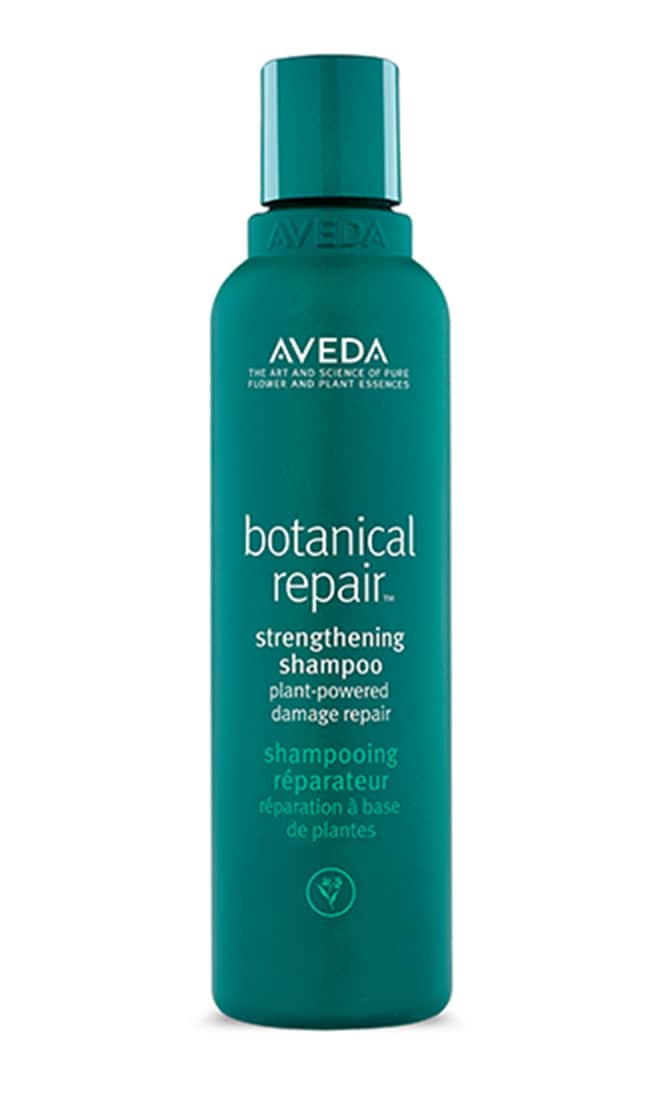
Swap to a sulfate-free shampoo, and on damaged hair we reach for botanical repair strengthening shampoo, and wash two to three times a week, not daily. Every wash lifts the cuticle a little; over-washing keeps it lifted and strips the natural oils your hair badly needs right now. Lather at the scalp, let the suds rinse through the ends, and skip the aggressive scrubbing on your lengths. If you also color your hair, this same habit protects your investment, and our color-treated hair care routine goes deeper on that.
2. Deep condition weekly
Once a week, trade your regular conditioner for a masque, and for thirsty, high-porosity hair we like nutriplenish treatment masque deep moisture. Apply to clean, damp hair from the ears down, comb it through with a wide-tooth comb, and give it five to ten minutes, since shower steam helps it penetrate. Rinse with the coolest water you can stand to seal the cuticle back down.
3. Bond-build every week or two
This is the step that addresses damage rather than just dryness. Bond-building treatments work inside the strand, reconnecting broken bonds so hair regains strength and elasticity. Use one at home every one to two weeks, and botanical repair bond building flash treatment does its work in the shower in a few minutes. Also consider an in-salon version, which is stronger than anything on your bathroom shelf, and we've written before about what a professional conditioning and bonding treatment can do in a single visit. If your hair is lightened or heavily heat-styled, this step is non-negotiable.
4. Leave-in, every single time
On damp hair, every wash day: a leave-in like nutriplenish leave-in conditioner from mid-length to ends. It slows moisture loss all day, cuts friction from brushing, and buffers your hair against sun and dry air. For high-porosity hair, this one habit changes more than almost anything else.
5. Trim on a schedule
Damaged ends don't heal. They split, and split ends travel up the strand until they're cut off. While you're repairing, book a dusting every six to eight weeks. You'll lose a quarter to half an inch and keep everything above it stronger. Skipping trims to "keep length" is how people end up needing a big chop later.
Living With Texas Heat
North Texas is its own hair category. Months of intense UV break down protein and fade pigment; triple-digit heat evaporates moisture; then you walk into refrigerated air conditioning, which is drier still. Pools add chlorine on top. Wear a hat for long stretches outdoors, use a leave-in with UV protection, saturate your hair with fresh water before swimming so it absorbs less chlorine, and expect to deep condition more in July than you do in January. Our guide to protecting your hair through a Texas summer covers the season in detail.
Mistakes That Keep Hair Dry and Damaged
- Hot showers. Hot water blasts the cuticle open and strips oils. Wash warm, rinse cool.
- Washing every day. Your hair never gets to hold on to its own moisture. Two to three times a week.
- Brushing soaking-wet hair. Wet hair stretches and snaps easily. Detangle with a wide-tooth comb and conditioner in the shower, or wait until it's mostly dry.
- Rough towel-drying. Scrubbing with a bath towel roughs up the cuticle. Blot and squeeze with a soft towel or T-shirt instead.
- High heat, no protectant. Every pass of a hot tool on bare hair breaks bonds. Always use heat protectant and the lowest temperature that gets the job done, and our heat styling guide breaks down the numbers.
- Skipping trims. Splits climb. Cutting a little often beats cutting a lot later.
Repair is a season, not a single product, so expect real improvement in four to six weeks of consistency. If your hair is snapping, gummy when wet, or just not responding, your stylist can assess exactly where the damage sits and build you an in-salon treatment and trim plan at your next visit.
What we recommend from Aveda
botanical repair™
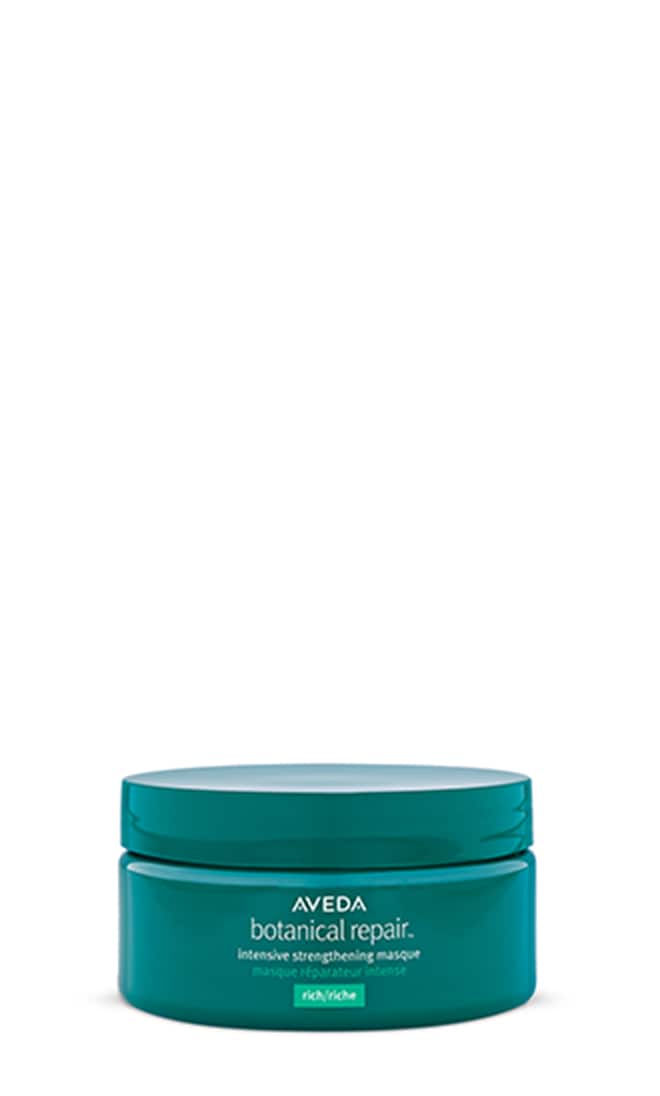
Botanical Repair Intensive Strengthening Masque Rich
botanical repair™
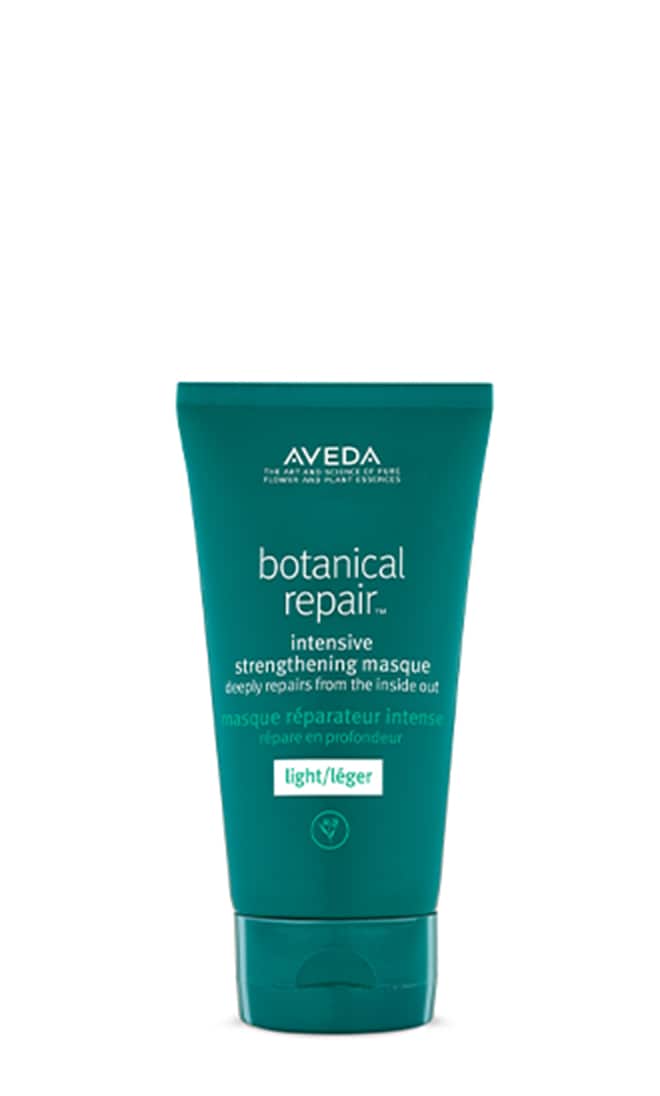
Botanical Repair Intensive Strengthening Masque Light
botanical repair™
Botanical Repair Strengthening Shampoo
botanical repair™
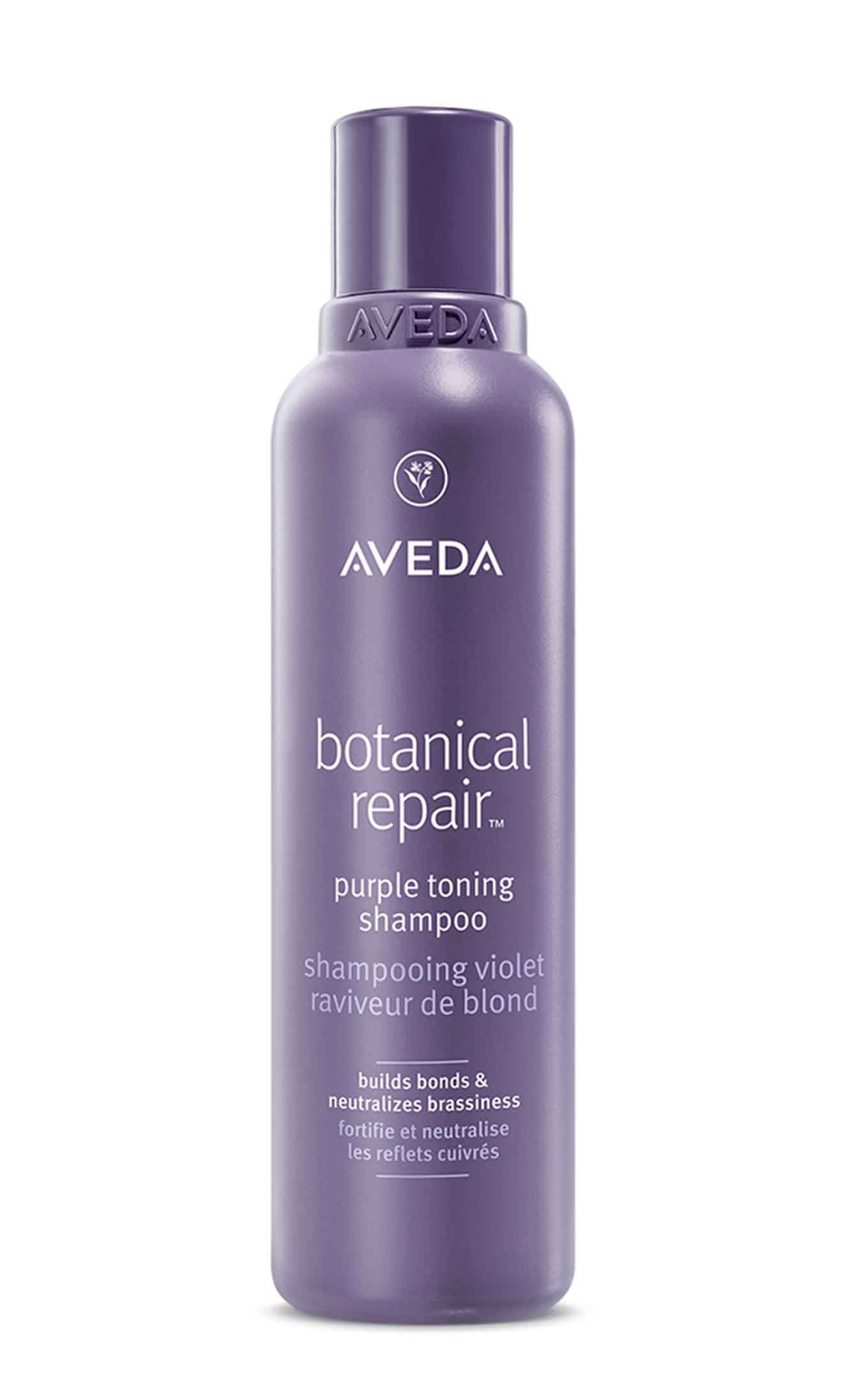
Botanical Repair Purple Toning Shampoo
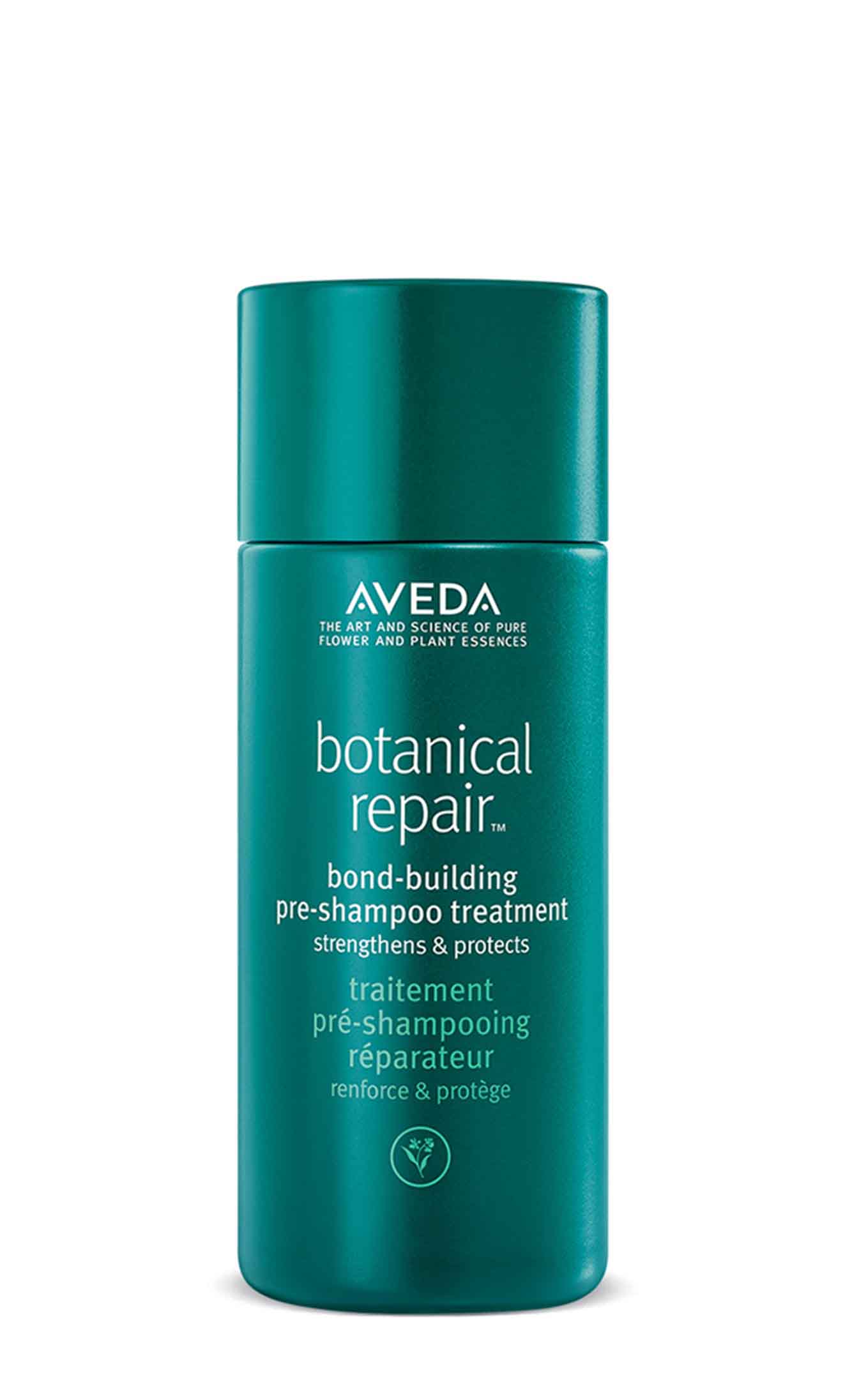
botanical repair™
Botanical Repair Bond Building Pre Shampoo Treatment
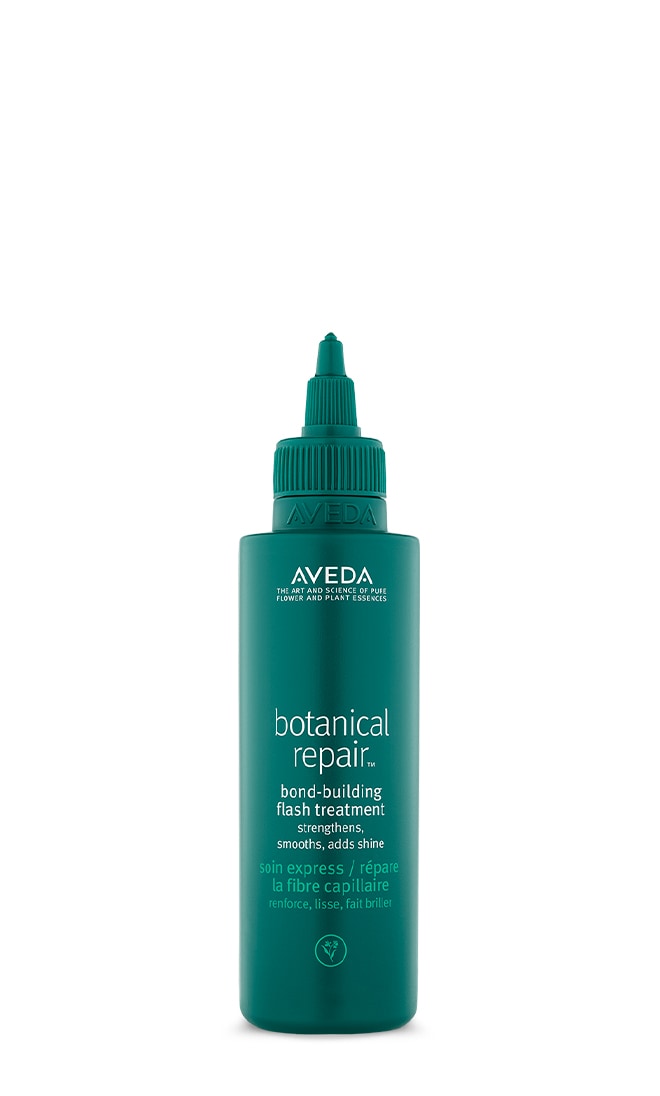
botanical repair™
Botanical Repair Bond Building Flash Treatment
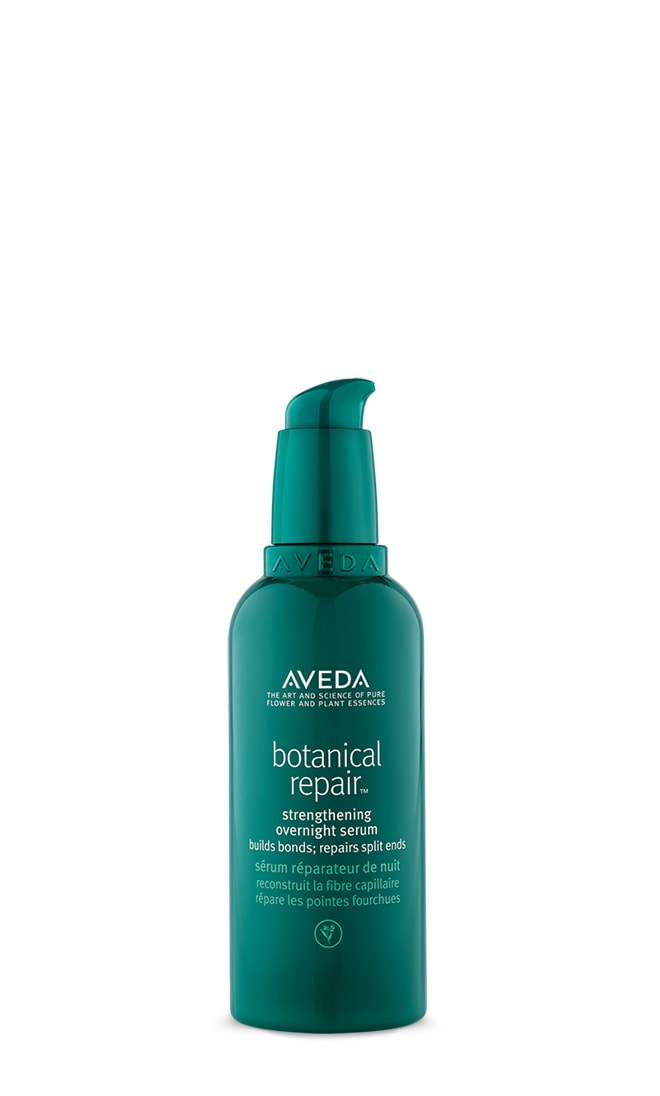
botanical repair™
Botanical Repair Strengthening Overnight Serum
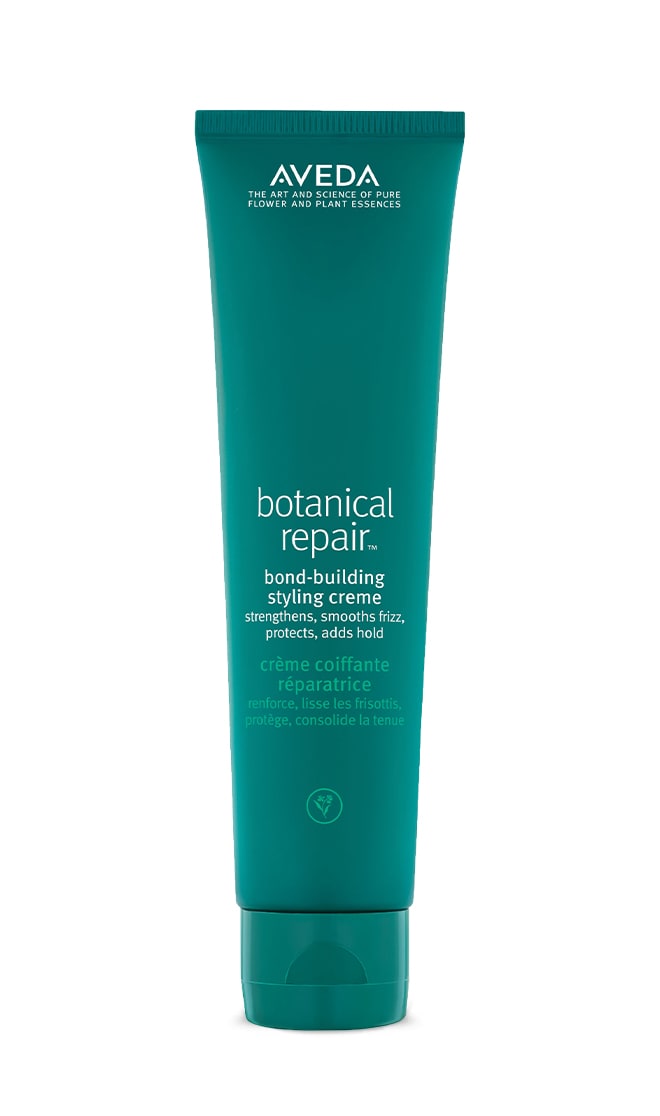
botanical repair™
Botanical Repair Bond Building Styling Creme
Purchases made through these links support Lee Graves Salon through Aveda's A-Commerce program. Prices shown were checked on 2026-08-20; the current price always appears at aveda.com.
Common questions
Can damaged hair actually be repaired?
Partly. Bond-building treatments reconnect some of the broken bonds inside the hair, and conditioners smooth and reinforce the surface, so hair genuinely behaves better. But hair isn't living tissue, so badly compromised lengths can be improved, not made new. A realistic plan combines bond repair, consistent moisture, and gradual trims so healthy new growth replaces the damaged ends over time.
How do I know if my hair needs moisture or protein?
Stretch a damp strand. If it stretches and stretches without bouncing back, it's over-moisturized or protein-starved and needs strength. If it snaps immediately and feels dry, rough, or crunchy, it needs moisture. Most dry, damaged hair needs both in rotation: hydrating conditioners most of the time, with a protein or bond-building treatment every week or two. Your stylist can read this in seconds at the shampoo bowl.
How often should I deep condition dry or damaged hair?
Once a week is the sweet spot for most dry or damaged hair. Apply a masque to clean, damp hair, focus on the mid-lengths and ends, leave it on for five to ten minutes, and rinse cool. If your hair is fine or gets weighed down easily, every other week may be enough, so use a lighter conditioner on the off weeks.
Does the Texas sun really damage hair?
Yes. UV exposure breaks down the proteins and pigment in hair much the way it fades outdoor fabric, and North Texas delivers a long season of intense sun. Add triple-digit heat, pool chlorine, and bone-dry air conditioning, and summer here is genuinely hard on hair. Hats, UV-protective leave-ins, and rinsing your hair before you swim make a real difference.
How often should I trim damaged hair?
Every six to eight weeks while you're actively repairing damage, with small dustings of a quarter inch to half an inch, not big chops. Split ends can't be sealed; once a strand splits, the split keeps traveling up the shaft until it's cut off. Frequent small trims remove splits before they climb, so you keep your length overall while the hair gets healthier.
From our blog
- Hair Botox vs. Keratin Treatment: What's the Difference?
Hair botox isn't botox, and it isn't keratin. What the name actually means, how it differs from a keratin smoothing treatment, and which one solves your problem.
- How to Protect Your Hair in Texas Heat and Humidity
Texas summers are tough on hair. Learn how to keep your color vibrant, fight frizz, and protect your hair from sun, humidity, and chlorine.
- New Year, New You: Fresh Looks and Winter Hair Care
Start the new year with healthy hair using these winter care tips, from moisturizing treatments and regular trims to heat protection and the right products.
- How to Keep Your Hair Fresh All Summer Long
Essential summer hair care tips including gentle shampoos, heat protection, hair masks, and hydration to keep your hair looking great through the hot Texas months.
- Heat Wave and Hair: Protecting Your Hair in Extreme Texas Heat
How to keep your hair healthy during Texas heat waves with UV protection, leave-in conditioners, and professional product recommendations.
- Flyaways: Why You Have Them and How to Tame Them
Wondering why you have those little hairs standing up on top of your head? Learn what causes flyaways and the best products and techniques to smooth them down.
Want this dialed in for your hair specifically?
Book with us in Plano at (972) 378-0091 and leave with a routine that fits your hair, your schedule and your budget.