Pool & Sun Hair Protection: Chlorine, UV Fade & Summer Repair
What chlorine really does to hair, why blondes turn green, how to protect color from Texas sun, and the after-swim repair routine our Plano stylists use.
Reviewed by our stylists · updated 2026-08-21
Summer hair survival in North Texas comes down to four habits: soak your hair with fresh water before you swim, rinse it the minute you get out, put something between your hair and the sun, and repair weekly instead of waiting for straw. Do those four things from May to September and your color and your ends will come out the other side intact. Here's the why behind each one.
What Chlorine Actually Does
Chlorine is an oxidizer, and that's the whole job. In your hair, that means it strips the thin layer of natural oil that keeps the cuticle sealed, then keeps working on the cuticle itself, lifting and roughening those overlapping scales. Swim often enough without protection and it starts nibbling at the pigment and protein inside the strand too. That's why pool-season hair feels dry, tangly, and squeaky: the protective layer is gone and the surface is raised.
The damage is cumulative. One unprotected swim is nothing; a summer of them is how highlighted hair ends up gummy by August.
The green-tint truth: it's copper, not chlorine
Blondes don't turn green because of chlorine itself. Pool water carries trace copper from pipes, from the fill water, and from copper-based algaecides, and chlorine oxidizes that copper into a compound that bonds to hair. Porous hair grabs it best, which is exactly what blonde, highlighted, and gray hair is. The green cast is essentially the same chemistry that turns a penny or a copper roof green, happening on your hair.
Two useful conclusions follow. First, prevention is about keeping pool water out of the strand, which is very doable. Second, if you're already green, you need a chelating treatment that lifts the metal out, because more purple shampoo won't touch it, and neither will regular conditioner.
Before You Swim: Pre-Wet, Then Pre-Oil
Hair is a sponge with a limit. If it hits the pool dry, it drinks pool water, chlorine and copper and all, deep into the strand. If it's already saturated with clean water, there's almost no room left. So the rule is simple: thirty seconds under the shower, a hose, or the pool deck rinse before you get in, every single time. This is the highest-value, lowest-effort protection in this entire guide.
Then add a barrier. A few drops of a lightweight oil like nutriplenish multi-use hair oil smoothed over the wet lengths, or a palmful of your regular conditioner left in, coats the cuticle so pool water slides off instead of soaking in. If you swim laps regularly, do both and add a swim cap over the top; oiled, wet hair also makes a cap far easier to pull on.
The Rinse-Immediately Rule
Whatever pool water did get in keeps working as long as it sits there, and it concentrates as your hair dries in the sun. So rinse with fresh water the moment you're out, not after the drive home and not after one more hour on the tanning ledge. Most of the chlorine and copper leaves in that first rinse if it never gets the chance to dry down.
On heavy swim days, rinse first and then wash with something built for the job. Sun care hair and body cleanser removes chlorine, salt, and sunscreen residue in one gentle lather without stripping hair that's already had a hard day. Follow with conditioner every time; freshly de-chlorinated hair is wide open and thirsty.
What the Texas Sun Does to Color
UV light breaks down pigment, both your natural melanin and the artificial dye molecules your colorist placed. It's the same physics that fades a porch flag or the dash of your car, and North Texas delivers one of the longest, most intense UV seasons in the country. Reds and coppers fade fastest because their dye molecules are the smallest and most fragile; brunettes oxidize warm and brassy; blondes drift dull and yellow. Sun also degrades the protein of the hair itself, which is why sun-fried hair is both lighter and weaker. If your brunette or blonde is pulling orange, our post on why hair turns brassy explains that half of the problem.
Between color appointments, faded is faded, because pigment that UV destroyed doesn't come back until your next gloss or color service. Protection is the whole game.
Hats vs. UV Sprays: The Honest Comparison
Clients ask which one they actually need. Fair answer: they solve different problems.
| Wide-brim hat | UV-protective spray | |
|---|---|---|
| Protection level | Near-total, where it covers | Partial, since it slows UV damage but doesn't block it |
| Coverage | Crown and part only; lengths hang in the sun | Every strand, root to end |
| Effort | Put it on once | Reapply every couple of hours and after swimming |
| Bonus | Protects your scalp and face too | Doubles as light conditioning; no hat hair |
Our take: for a long day outside at the lake, a tailgate, or a kids' tournament, wear the hat and mist the lengths. For everyday errands and patio hours, a spray like sun care protective hair veil is the realistic habit: it's a weightless mist with UV filters you can keep in your pool bag and reapply like sunscreen. A hat you left at home protects nothing.
The After-Sun Repair Routine
Even well-protected hair ends a Texas summer drier than it started, so build repair into the week rather than waiting for damage to announce itself.
- Wash smart. Two to three washes a week, sulfate-free, cool-ish rinse. After pool or lake days, use your chlorine-removing cleanser instead of your everyday shampoo.
- Masque weekly. Once a week, swap conditioner for a strengthening masque. Something like botanical repair intensive strengthening masque light rebuilds bonds inside the strand while it conditions, and the "light" version won't weigh down fine or highlighted hair. Five to ten minutes on damp hair, ears down, rinse cool.
- Leave-in every wash day. A leave-in slows moisture loss in 100-degree air and gives sun and wind something to hit that isn't your cuticle.
- Seal the ends. A drop or two of oil on dry ends after styling keeps the oldest, most sun-exposed inches from splitting.
- Trim before school starts. A late-August dusting removes the summer's casualties before splits climb.
If your ends are past dry and into snapping, the full rebuild plan lives in our dryness and damage guide.
Mistakes That Make Summer Worse
- Swimming with dry hair. The sponge fills with pool water instead of clean water. Pre-wet, always.
- Letting chlorine dry in. Sun-baking pool water into your hair concentrates everything you were trying to avoid.
- Clarifying daily. Harsh cleansers every day strip hair that's already under attack. Chelate weekly, cleanse gently otherwise.
- Fighting green with purple shampoo. Purple pigment neutralizes yellow, not green. Copper needs a chelator, or a quick fix at the salon.
- Skipping protection on cloudy days. UV comes through cloud cover; your color fades on overcast pool days too. The rest of the season's habits are in our Texas summer hair care guide.
If your blonde has already gone green, your color has flattened out, or your ends feel like August, come see us. A chelating treatment, a gloss, and a fifteen-minute plan for the rest of the season is an easy fix at the chair.
What we recommend from Aveda
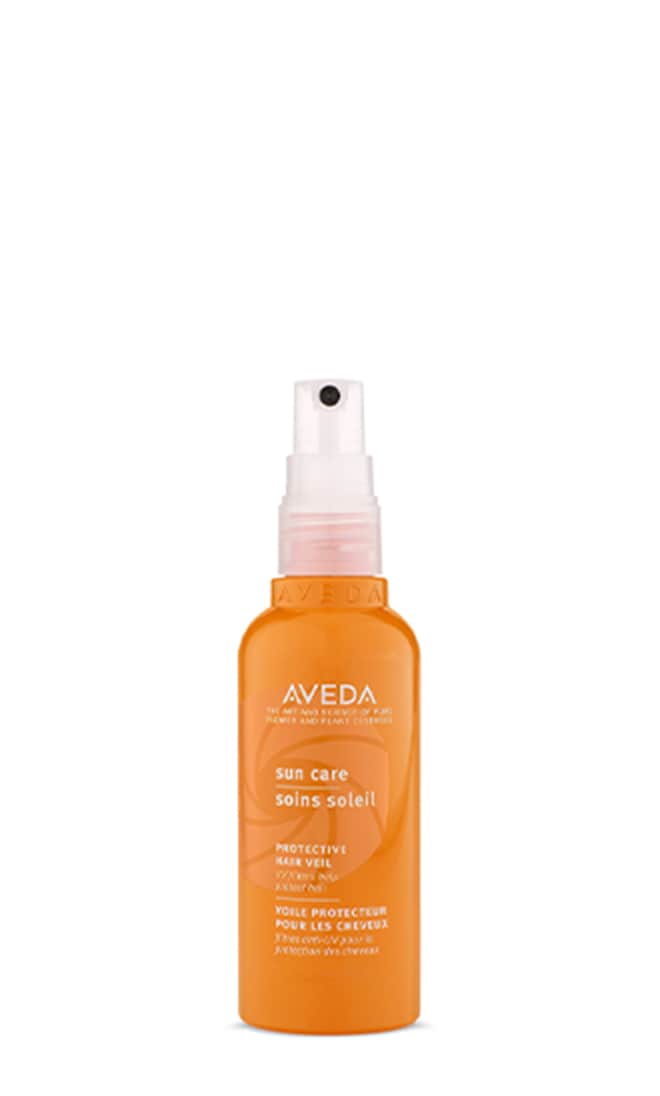
sun care
Sun Care Protective Hair Veil Uv Defense
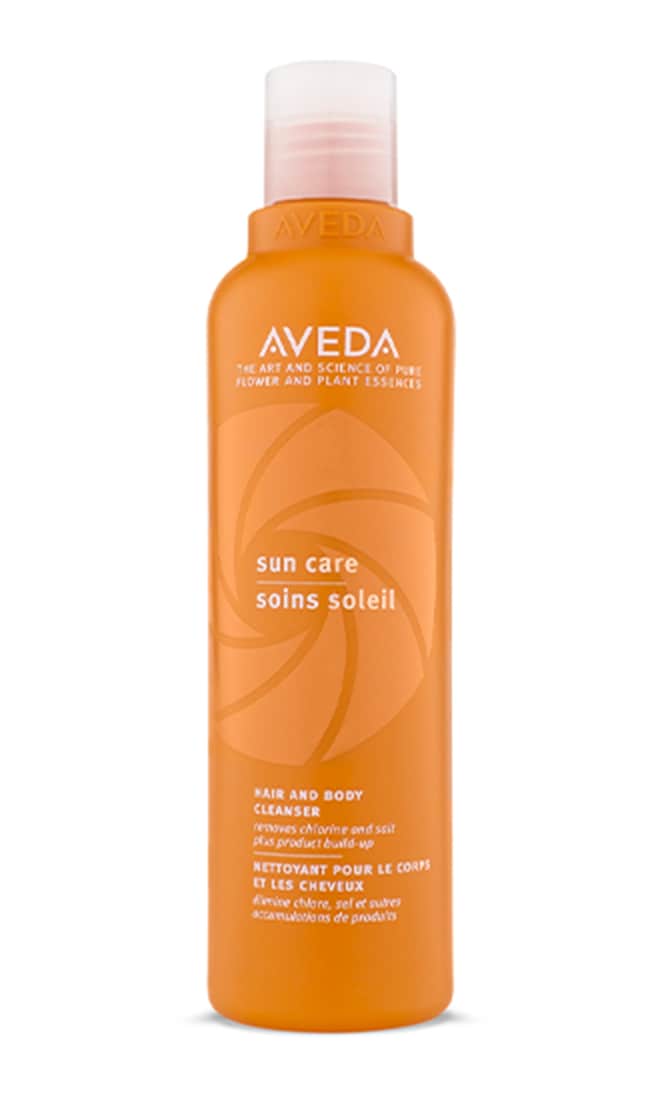
sun care
Sun Care Hair and Body Cleanser
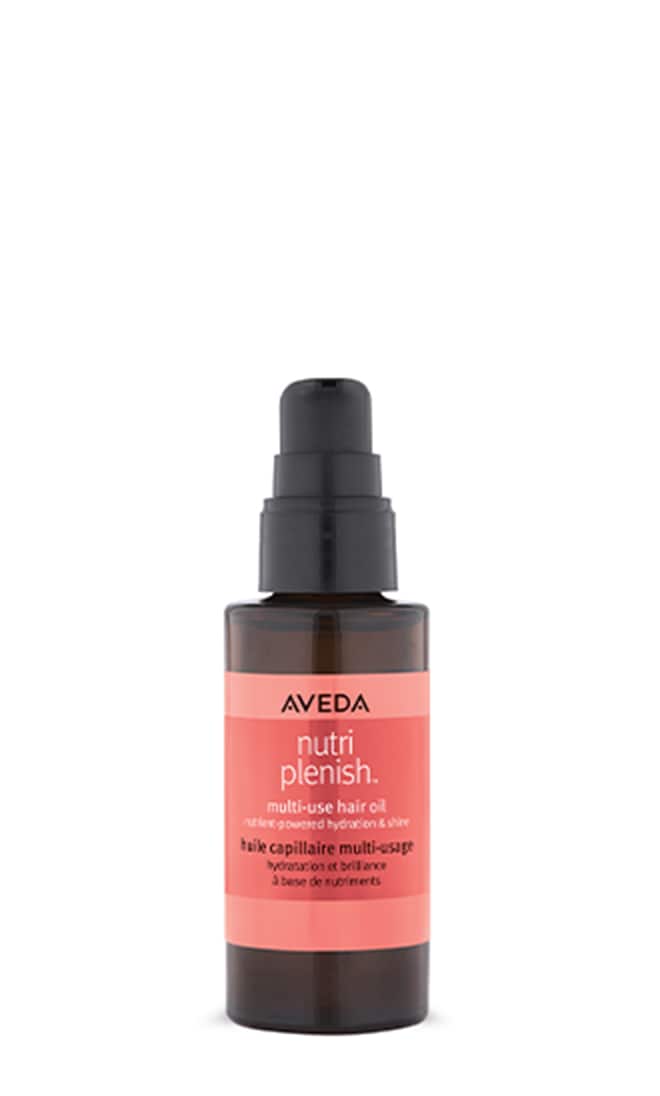
nutriplenish™
Nutriplenishtm Multi Use Hair Oil
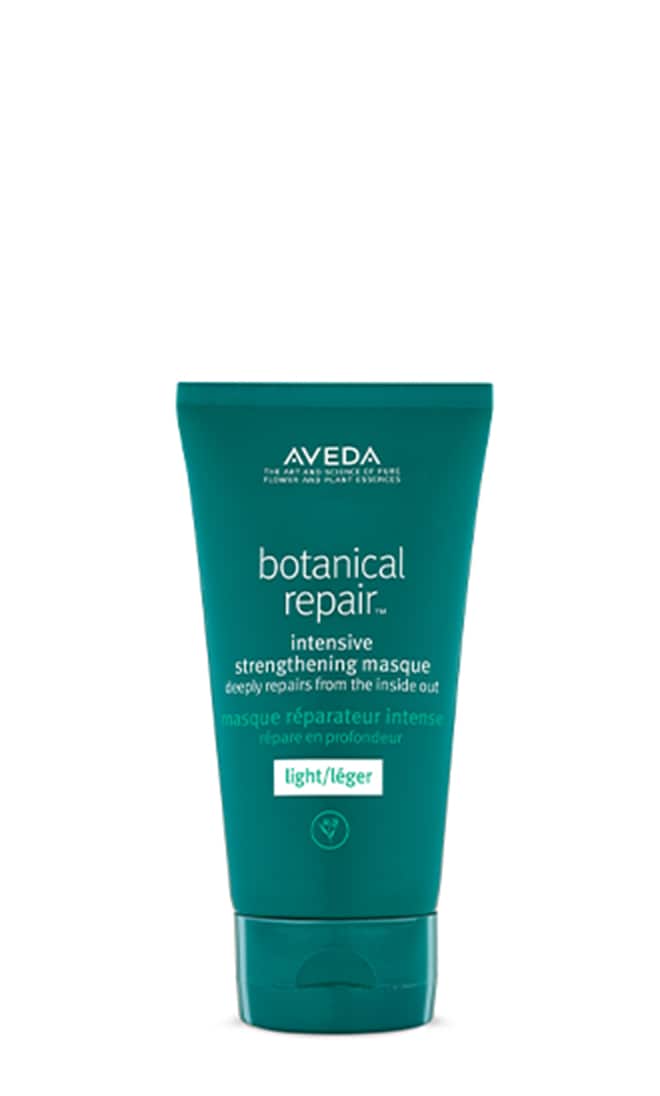
botanical repair™
Botanical Repair Intensive Strengthening Masque Light
Purchases made through these links support Lee Graves Salon through Aveda's A-Commerce program. Prices shown were checked on 2026-08-20; the current price always appears at aveda.com.
Common questions
Does chlorine turn blonde hair green?
Not directly. Copper does. Pool water carries trace copper from pipes, source water, and algaecides, and chlorine oxidizes it into a form that binds to hair. Porous blonde and highlighted hair grabs it readily, and that oxidized copper is the green tint. Pre-wetting your hair, rinsing immediately after swimming, and using a chelating cleanser in heavy pool season keeps the copper from ever settling in.
Should I wet my hair before swimming?
Yes, every time. Hair works like a sponge, and once it's full of fresh water, it physically can't absorb much pool water. Thirty seconds under a shower or hose before you get in is the single cheapest piece of swim protection there is. Add a light coat of oil or conditioner over the wet hair and you've built a second barrier that keeps chlorine and copper on the outside.
Do UV protection sprays for hair actually work?
They help, with honest limits. Hair sprays aren't SPF-rated the way sunscreen is, but UV-filtering ingredients measurably slow the breakdown of pigment and protein, which means slower fading and less dryness. They need reapplying every couple of hours and after swimming. For long hours outside, a hat still protects better where it covers, and the spray earns its keep on the lengths a hat can't reach.
How do I get chlorine out of my hair after swimming?
Rinse thoroughly with fresh water as soon as you're out, because most of the chlorine leaves in that first rinse if you don't let it dry in. On swim-heavy days, follow with a gentle cleanser made to remove chlorine and salt rather than your everyday shampoo, then condition. If your hair sees the pool several times a week, add a weekly chelating or clarifying wash to clear what daily rinsing misses.
Does the sun fade colored hair?
Yes. UV light breaks down both your natural melanin and the dye molecules from salon color, the same way it fades a flag left outside. Reds and coppers fade fastest, brunettes shift warm and brassy, and blondes go dull and yellow. Shade, hats, and UV-protective leave-ins slow it dramatically, and a color-safe routine between visits protects the investment the rest of the way.
Want this dialed in for your hair specifically?
Book with us in Plano at (972) 378-0091 and leave with a routine that fits your hair, your schedule and your budget.