How to Tame Frizzy Hair: Causes, Routine, and Smoothing Fixes
What frizz actually is, why Plano humidity makes it worse, and the prep-smooth-seal routine our stylists use to keep hair sleek in Texas weather.
Reviewed by our stylists · updated 2026-08-21
Frizz is what hair does when its outer layer is raised and thirsty: each strand lifts its cuticle, pulls moisture out of the air, swells, and bends away from its neighbors. The fix isn't fighting the weather. It's giving hair the water it wants before you walk outside, then sealing the cuticle so the Texas air can't get in. That's the whole game: prep, smooth, seal.
What Frizz Actually Is
Picture the cuticle, the outermost layer of each strand, as overlapping shingles on a roof. When those shingles lie flat, hair reflects light, feels smooth, and strands lie together in the same direction. When they lift, hair turns porous: it loses moisture quickly, grabs moisture from the air just as quickly, and every strand starts doing its own thing.
Hair is hygroscopic, which is a science word for "drinks from the air." When a dry, porous strand absorbs water vapor, the water disrupts the temporary bonds that hold the strand in its styled shape. The strand swells, those bonds re-form in new positions, and the hair kinks in a slightly different direction than it dried in. Multiply that by a hundred thousand strands and you get frizz, a halo of hair that's all reaching for moisture at once.
That's why frizz is rarely a styling problem at its root. It's a hydration and cuticle problem. Anything that lifts the cuticle makes it worse: heat damage, rough towel-drying, brushing dry hair, and chemical lightening. If your hair is color-treated, especially lightened with balayage or highlights, the cuticle has already been opened on purpose to do its job, so lightened hair is more porous and grabs humidity faster.
The Dew Point Problem (Hello, Plano)
Humidity percentage isn't actually the number that matters. Dew point is, because it measures how much water the air is really carrying. When the dew point climbs into the 70s, which describes most of a Plano summer, the air is holding far more moisture than your hair is. Thirsty hair can't resist that gradient; it drinks until it swells.
You can't lower the dew point. What you can do is shrink the gap: hair that's already well hydrated has less reason to grab water from the air, and hair that's sealed with a smoothing product physically can't. That's the logic behind everything below.
The Prep-Smooth-Seal Routine
Prep: Hydrate in the Shower
Frizz control starts before styling products ever touch your head.
- Use a hydrating or smoothing shampoo: something like smooth infusion anti frizz shampoo, and don't wash daily; every wash lifts the cuticle a little, and over-washed hair is thirsty hair.
- Condition every single wash, focused on mid-lengths and ends, and give it two or three minutes to work.
- Finish with the coolest rinse you can stand. Cool water helps the cuticle lie back down before you ever pick up a towel.
- Deep condition weekly. A mask is the single highest-impact habit for frizz-prone hair, because hydrated hair simply doesn't reach for humidity the way dry hair does.
If your frizz comes with snapping, split ends, or a straw-like feel, you're dealing with damage, not just dryness, and our dryness and damage guide covers the repair side.
Smooth: Style on Wet Hair
Apply your leave-in conditioner, curl cream, or a smoothing cream like smooth infusion perfectly sleek styling cream while hair is still very damp, almost dripping. Product distributes evenly through wet hair and locks the strand pattern in place as it dries; the same product raked through half-dry hair just disturbs it. Detangle with a wide-tooth comb, starting at the ends and working up, while the conditioner or leave-in gives it slip.
Then decide your finish and commit: air-dry completely hands-off, or blow-dry with intention. The in-between, letting hair air-dry while you touch it, tuck it, and re-part it, is where frizz is born.
Seal: Lock the Cuticle Down
Sealing means physically closing the surface so humid air can't get in.
- If you blow-dry, mist a heat-prep spray like smooth infusion perfect blow dry through damp hair first, then keep the nozzle on and point it down the strand, from roots toward ends, with light tension from a brush. Aiming down the shaft smooths the shingles flat; blasting hair from underneath ruffles them.
- Use the cool-shot button at the end of each section. Hair holds the shape and cuticle position it cools in.
- Finish with a few drops of oil: a shine oil like miraculous oil high shine hair concentrate, on dry hair, mid-lengths and ends only. This is the raincoat layer; on a July day in Plano, it's the difference between a style that survives the parking lot and one that doesn't.
- Then leave it alone. Every pass of your hands transfers moisture and friction to the surface you just sealed.
Towel and Brush Technique
More frizz is created in the sixty seconds after the shower than in the rest of the day combined.
- Never rub with a terry towel. The loops snag and lift the cuticle. Squeeze and blot with a microfiber towel or a soft cotton T-shirt instead.
- Never brush dry curls or waves. Brushing dry textured hair separates clumped strands and breaks the pattern, which is frizz by definition. Detangle wet, with slip.
- Save the smoothing brush for the blow-dry. A round or paddle brush is a tension tool for directing heat down the shaft, not an all-day touch-up tool.
- Sleep smart. A silk or satin pillowcase creates less overnight friction than cotton, so you wake up with a cuticle that's still lying down.
Silicones: The Fair Version
Silicones get accused of "suffocating" hair or causing damage. Neither is true. They're inert ingredients that coat the strand, seal the cuticle, and block humidity, which is precisely what frizzy hair is asking for.
The fair criticisms are narrower. Heavier, non-water-soluble silicones can build up over weeks, leaving fine hair limp and dull, which is solved by an occasional clarifying wash. And a silicone serum seals in whatever is underneath it: put it over hydrated, conditioned hair and it locks moisture in; put it over dry, neglected hair and it locks the dryness in too. Silicones are a raincoat, not a drink of water. Use them as the last step, not the whole routine.
When a Smoothing Service Makes Sense
If you're winning the frizz fight with the routine above, you don't need anything else. But if you're flat-ironing daily just to leave the house, a professional smoothing treatment is often the gentler path, one salon service versus three hundred mornings of high heat. Smoothing treatments seal the cuticle for a few months, cut dry time dramatically, and keep hair calm through the worst of a North Texas summer. For a lighter commitment, a gloss adds shine and helps seal the cuticle between visits. Which one fits depends on your hair's texture, color history, and how much daily effort you actually want to spend.
Frizz Mistakes to Avoid
- Rubbing hair with a bath towel
- Brushing curls or waves once they're dry
- Washing in hot water and rinsing hot, too
- Air-drying with no leave-in product at all
- Touching, twirling, or re-parting hair while it dries
- Fighting humidity with more heat instead of more moisture
- Using serum as a substitute for conditioning rather than a seal over it
If you're still battling a halo every morning, book a quick consultation. Your stylist can tell you in ten minutes whether the fix is a trim, a gloss, a routine adjustment, or a smoothing treatment.
What we recommend from Aveda
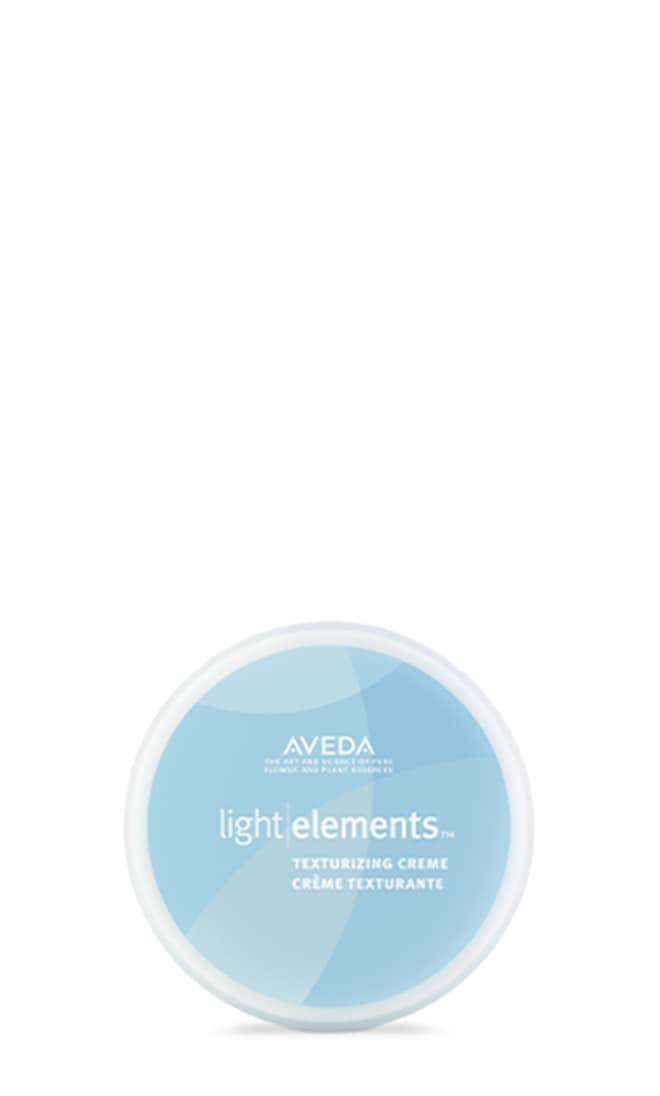
light elements™
Light Elementstm Texturizing Creme
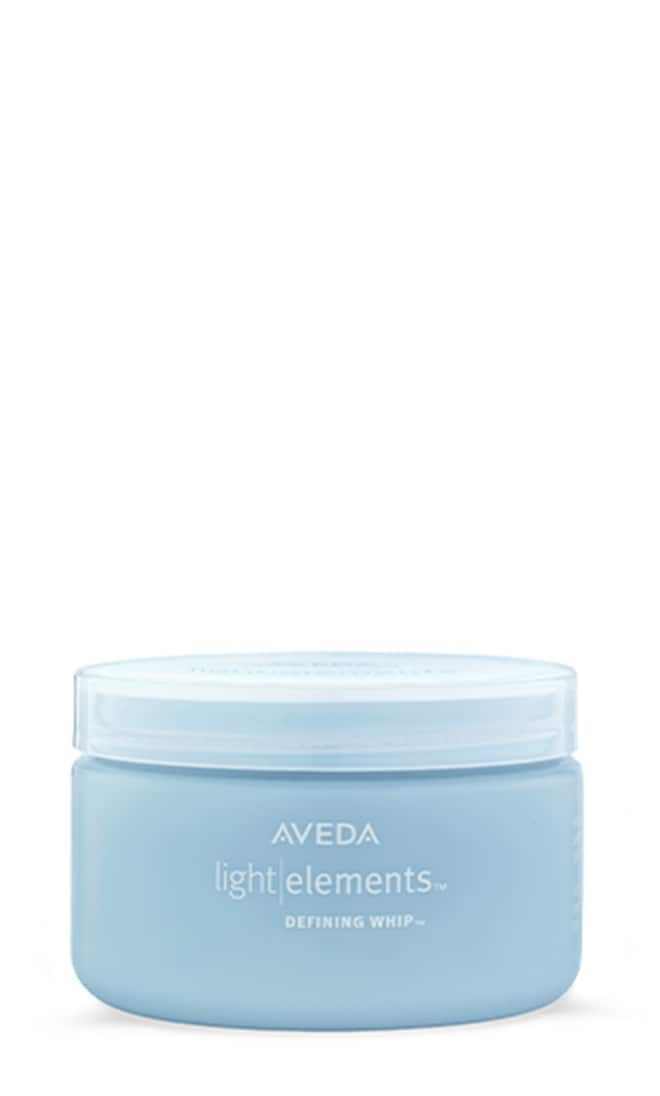
light elements™
Light Elementstm Defining Whiptm Creamy Hair Wax for Texture and Medium Hold
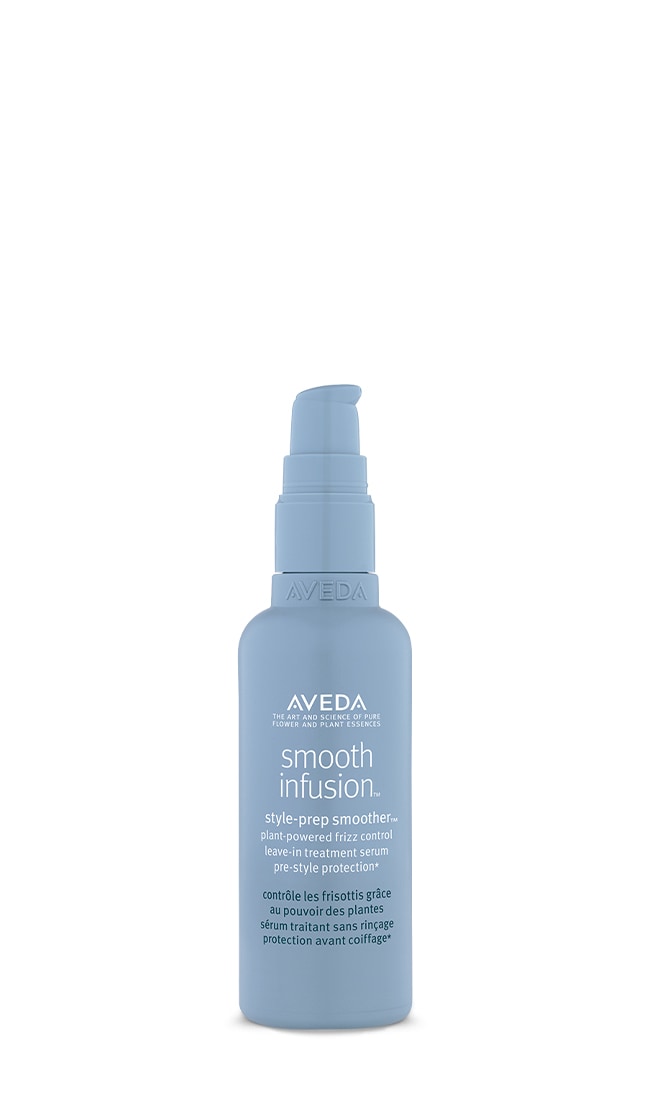
smooth infusion™
Smooth Infusion Style Prep Smoother

one for all
One for All Leave In Elixir
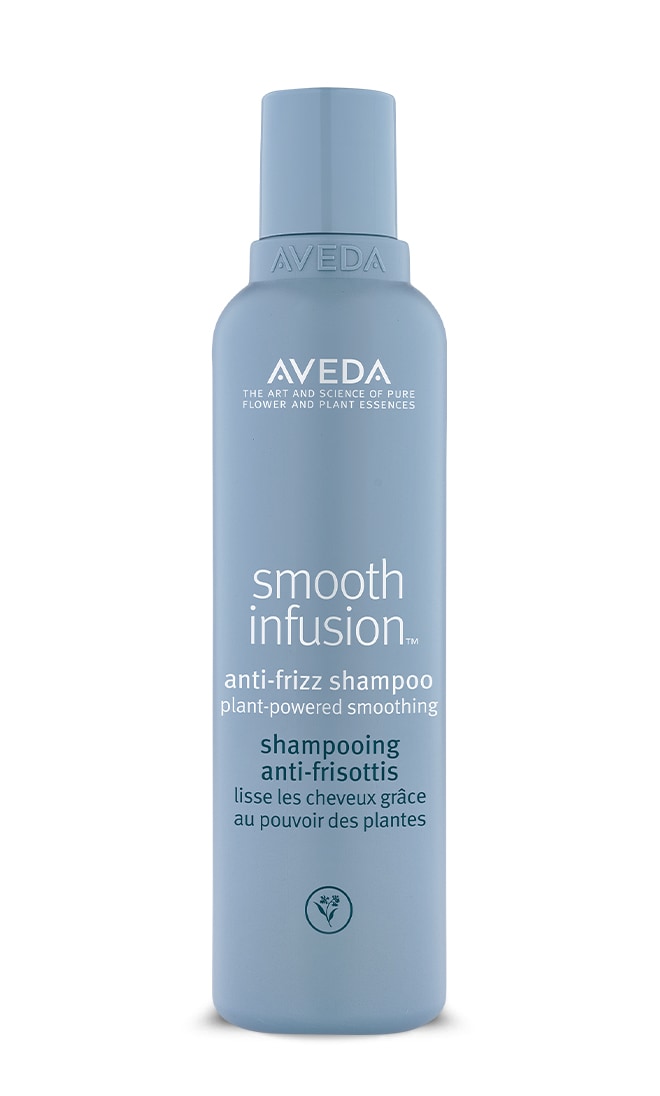
smooth infusion™
Smooth Infusion Anti Frizz Shampoo
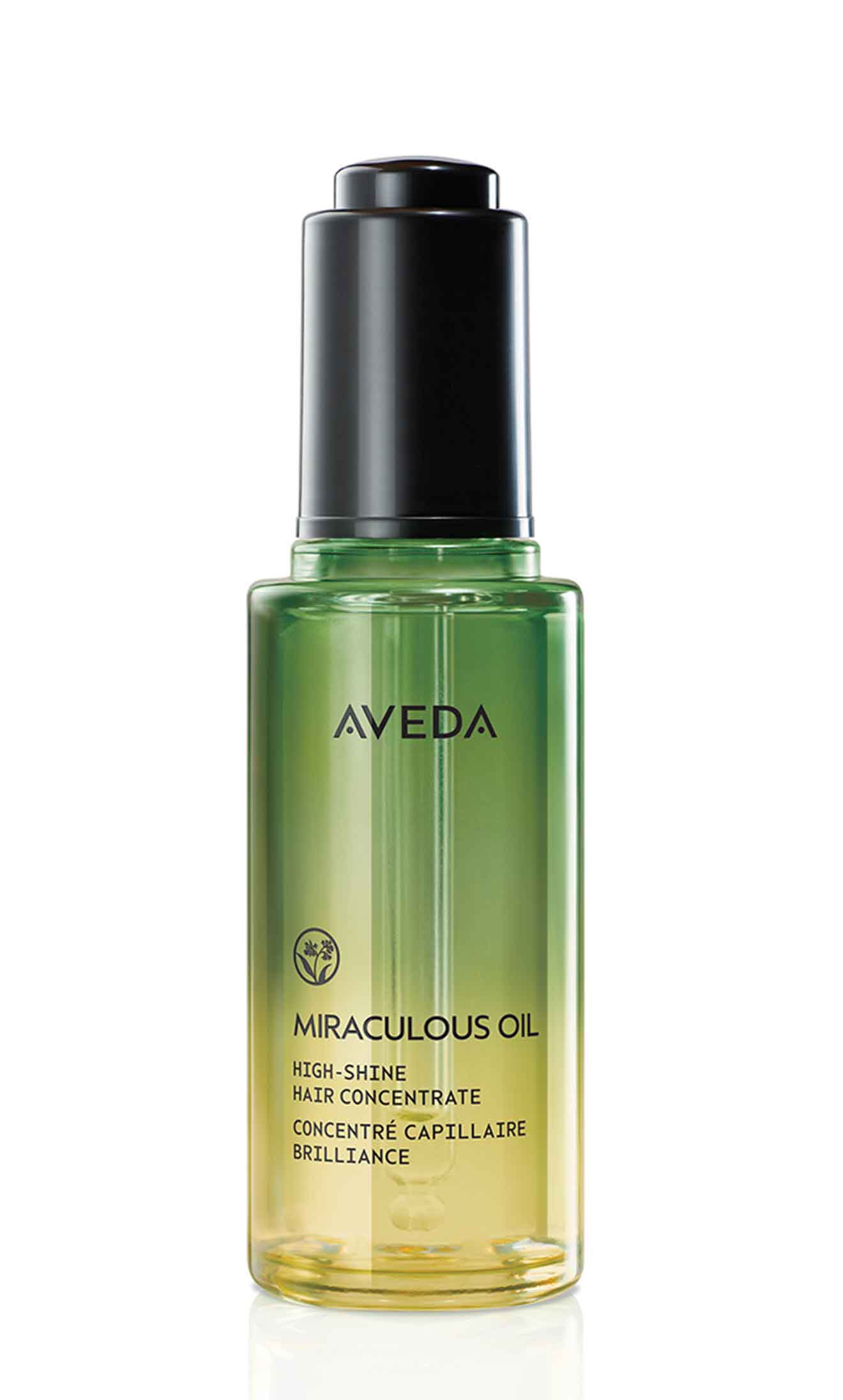
miraculous oil
Miraculous Oil High Shine Hair Concentrate
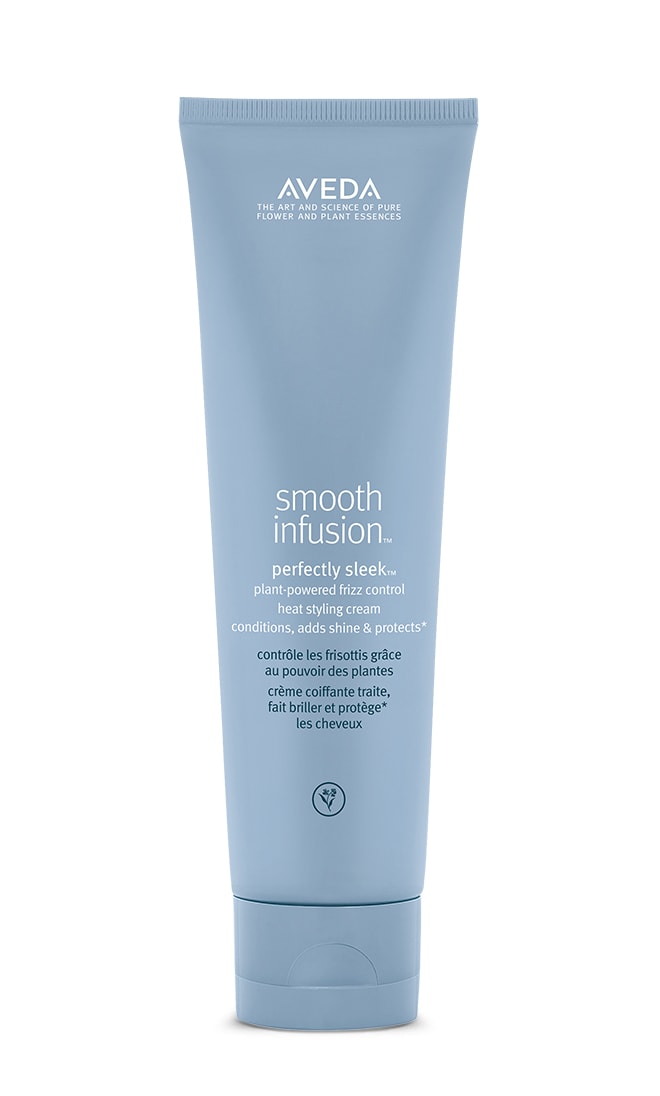
smooth infusion™
Smooth Infusiontm Perfectly Sleektm Styling Cream
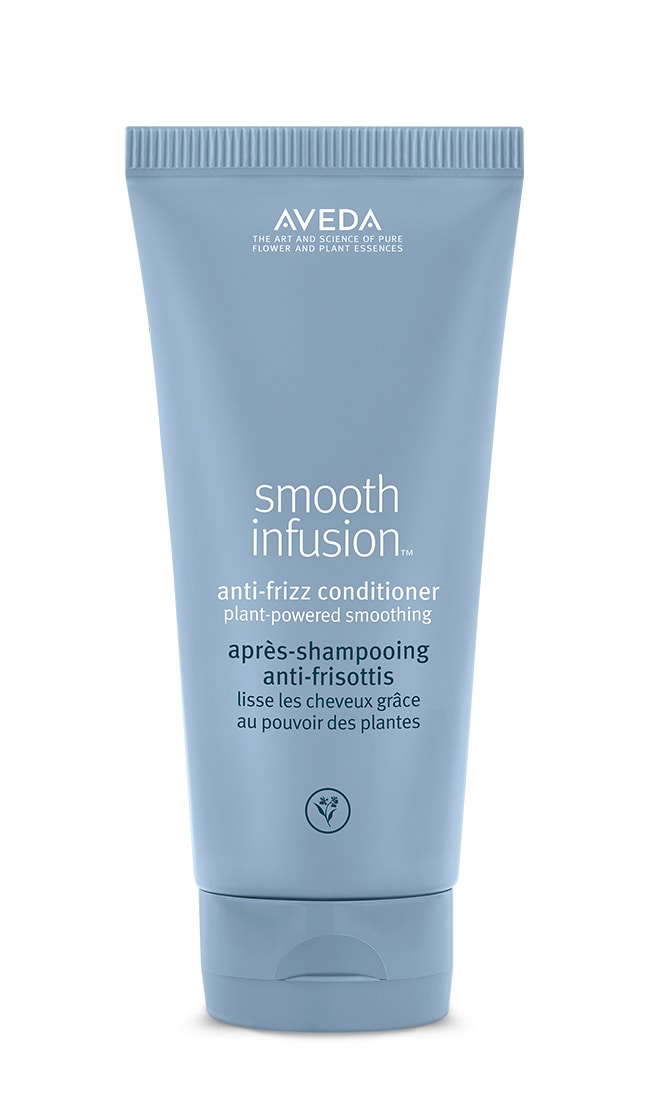
smooth infusion™
Smooth Infusion Anti Frizz Conditioner
Purchases made through these links support Lee Graves Salon through Aveda's A-Commerce program. Prices shown were checked on 2026-08-20; the current price always appears at aveda.com.
Common questions
Why is my hair so much frizzier in the summer?
Humidity. When the dew point is high, which is most of a Plano summer, the air holds more water than dry hair does, so thirsty strands pull that moisture in, swell, and bend. The drier and more damaged your hair is, the more it grabs. Hydrating hair well and sealing the cuticle with a cream or serum before you leave the house narrows that gap and keeps frizz down.
Are silicones bad for my hair?
No. Silicones are inert and don't damage hair. They coat the strand, seal the cuticle, and block humidity, which is exactly what frizzy hair needs. The honest caveats: heavier silicones can build up and dull fine hair over time, and a silicone serum seals in whatever is underneath, so it can't replace actual conditioning. Use them over hydrated hair and clarify occasionally.
What's the best way to dry hair without causing frizz?
Blot, don't rub. A regular terry towel roughs up the cuticle and starts frizz before you've even styled. Squeeze water out with a microfiber towel or a soft cotton T-shirt, apply your leave-in while hair is still very damp, then either air-dry hands-off or blow-dry with the nozzle pointing down the strand. Finish with the cool-shot button to help set the cuticle flat.
Can I fix frizz without using heat?
Yes. Most frizz control happens in the shower and in the first five minutes after it: a hydrating conditioner, a leave-in cream applied to soaking-wet hair, gentle blotting, and hands off while it dries. Air-dried hair frizzes when it's touched, rubbed, or left bare of product, not because you skipped the blow-dryer. A weekly mask does more than any hot tool.
Will a keratin or smoothing treatment get rid of frizz for good?
Not permanently. Smoothing treatments coat and seal the hair that's currently on your head, and results soften gradually over a few months as hair grows and the treatment washes out. Within that window, though, most clients see dramatically less frizz and faster styling, even in August humidity. Whether it's worth it depends on your hair's history and texture, which is a quick consultation conversation.
From our blog
- Hair Botox vs. Keratin Treatment: What's the Difference?
Hair botox isn't botox, and it isn't keratin. What the name actually means, how it differs from a keratin smoothing treatment, and which one solves your problem.
- Silk Press in Plano: What to Expect and How Long It Lasts
What a silk press is, how it differs from a blowout or a keratin treatment, how long it survives Texas humidity, and what one costs in Plano ($120).
- Going Out Hairstyles That Last All Night
Going out hairstyles that hold up to heat, humidity, and dancing, from sleek low buns to half-up twists and glam waves, with photos of our team's work.
- Curly Hair Salon in Plano, TX: How to Find the Right Stylist for Your Curls
Looking for a curly hair salon in Plano, TX? Here's how to find a stylist who understands curl patterns, dry cutting, frizz, and Texas humidity, plus what to ask before you book.
- How Much Does a Keratin Treatment Cost in Plano, TX?
Wondering what a keratin treatment costs in Plano? Here's a clear price breakdown by type, what affects the cost, and how long results last between treatments.
- Everything You Need to Know About Keratin Treatments
A complete guide to keratin treatments, covering how they work, how long they last, cost, maintenance, and whether a keratin treatment or Brazilian blowout is right for your hair.
Want this dialed in for your hair specifically?
Book with us in Plano at (972) 378-0091 and leave with a routine that fits your hair, your schedule and your budget.