Dandruff vs Dry Scalp: How to Tell Which One You Have
Dandruff usually comes from an oily scalp, not a dry one. How to tell dandruff from dry scalp by flake type, itch, and timing, plus the right fix for each.
Reviewed by our stylists · updated 2026-08-21
Dandruff and dry scalp leave the same evidence on your shoulders, but they're usually opposite problems. Classic dandruff comes from an oily scalp, where a normal skin yeast overgrows and speeds up skin shedding. Dry scalp is exactly what it sounds like: skin that lacks moisture, flaking the way dry skin flakes anywhere else. Get the diagnosis wrong and the "fix" backfires: oiling a dandruff-prone scalp feeds the problem, and scrubbing a dry scalp with harsh shampoo strips it further. Here's how to tell which one you have and what to do about each.
The Oil Paradox
Everyone's scalp hosts a yeast called malassezia. It's harmless for most people, and it eats one thing: scalp oil. On some scalps, its byproducts irritate the skin, and the skin responds by shedding cells much faster than normal. Those cells clump together with oil into the flakes you recognize as dandruff, which is why dandruff flakes are typically larger, yellowish, and greasy, and why they stick to the scalp and hair instead of falling away.
So the flaky scalp that looks "dry" is often an oily scalp with an irritated surface. That's the paradox, and it's why the instinct to skip washes or add oil so often makes dandruff worse.
Dry scalp is simpler. Cold weather, indoor heat, air conditioning, hot showers, harsh shampoos, and age all pull moisture out of the skin. The scalp feels tight and itchy, and it sheds small, white, powdery flakes that dust off easily.
How to Tell Which One You Have
| Clue | Dandruff | Dry scalp |
|---|---|---|
| Flake size & color | Larger, yellowish or off-white, oily | Small, white, dry and powdery |
| Where flakes sit | Stick to the scalp and hair | Fall away easily, dust the shoulders |
| Scalp feel | Oily or greasy, especially by day two | Tight, rough, parched |
| Itch pattern | Worse as oil builds between washes | Worse right after washing, in dry air |
| Timing | Year-round; flares with stress and sweat | Worse in winter and heavy AC season |
| Rest of your skin | Often an oilier face, flaky brows or nose creases | Often dry skin elsewhere too |
The quick test: if the flakes are big and sticky on a scalp that gets greasy fast, treat it as dandruff. If the flakes are fine and powdery on a scalp that feels tight, treat it as dryness. And check the itch clock, because dandruff itch tends to build the longer you go between washes, while dry-scalp itch often spikes right after a hot shower.
If It's Dandruff: Wash More, Feed It Less
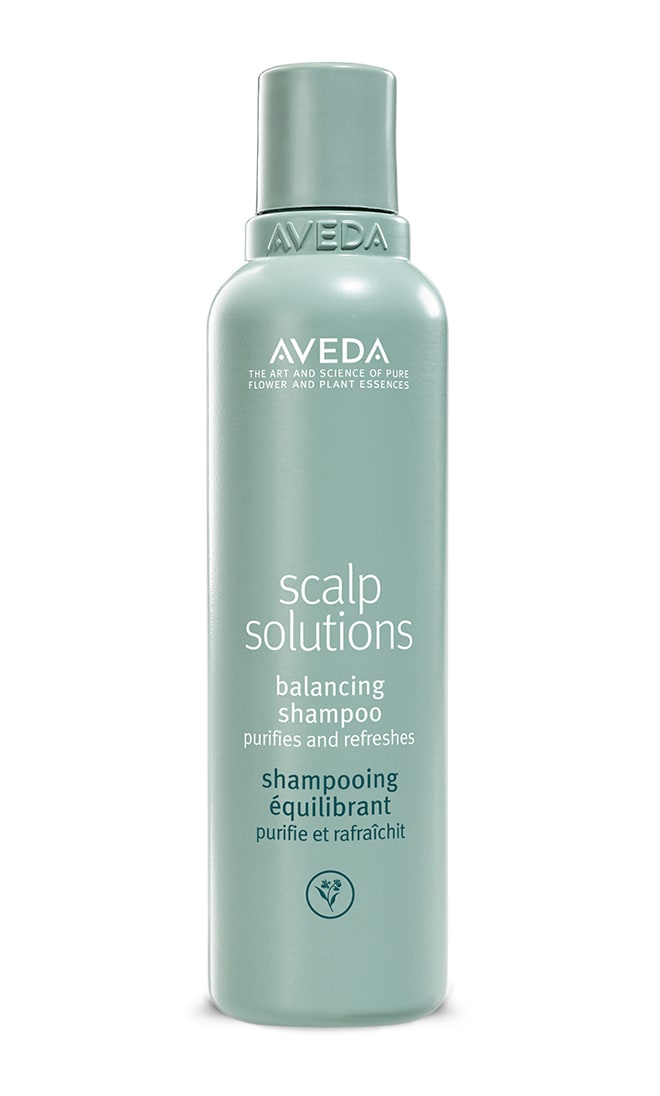
Counterintuitive but true: dandruff-prone scalps need more frequent washing, not less. Every skipped wash day leaves more oil sitting on the scalp, and oil is the fuel. Most people do best washing daily or every other day with a gentle formula built for scalp balance, such as scalp solutions balancing shampoo, which cleans thoroughly without the stripping that triggers rebound oiliness.
Once a week, clear the buildup that shampoo alone leaves behind. A pre-shampoo treatment such as scalp solutions exfoliating scalp treatment lifts away dead skin, oil, and product residue so flakes have less raw material to form from.
If flakes persist after a few weeks of that, add a drugstore medicated dandruff shampoo twice a week, rotated with your regular shampoo, and look for zinc pyrithione, selenium sulfide, or ketoconazole on the label. Massage it into the scalp and let it sit three to five minutes before rinsing; it's medicine, and it needs contact time to work. This is one place we'll happily point you to the drugstore: salon products keep the scalp balanced and comfortable, but an active antifungal is what knocks back the yeast itself.
If It's Dry Scalp: Hydrate and Stop the Stripping
Dry scalp needs the opposite plan. Wash less often, two to three times a week, with lukewarm water, because hot water is the single biggest everyday moisture thief. Skip clarifying shampoos except for occasional buildup.
Then put moisture back deliberately. Once or twice a week, work scalp solutions hydrating scalp hair masque into the scalp itself, not just the lengths, and give it a few minutes before rinsing. It treats the skin under your hair the way a face mask treats your face.
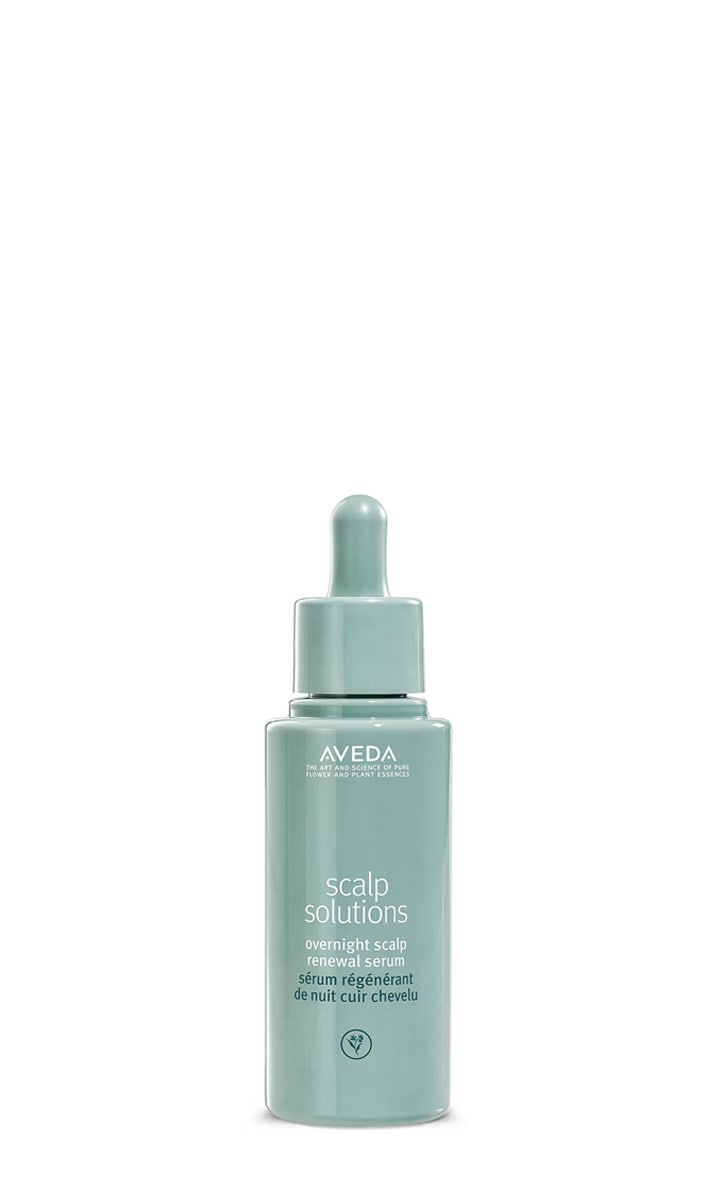
For scalps that stay tight and itchy no matter what, overnight care fills the gap between washes. A few drops of scalp solutions overnight scalp renewal serum massaged in before bed supports the scalp's moisture barrier while you sleep, with no rinsing and no residue.
Run a humidifier in winter, and don't discount summer: a North Texas July means sweat outside and bone-dry refrigerated air inside, which is its own moisture trap, and our guide to Texas summer hair care covers that season in full.
What Makes Each One Worse
Dandruff flares with: stretched-out wash days, heavy oils and butters applied to the scalp, thick pomades that sit at the roots, sweat left to dry after workouts, stress, and (for many people) winter, when cold weather and hats trap oil against the skin.
Dry scalp worsens with: hot showers, daily washing, high-heat blow-drying aimed at the roots, indoor heating, long stretches of air conditioning, and skipping conditioner near the scalp. Winter is the classic trigger, and the habits in our winterizing your hair post protect the scalp as much as the lengths.
One mistake sits at the center of both: guessing wrong and doubling down. Oiling a flaky scalp "for dryness" when it's actually dandruff is the most common way people turn a mild case into a stubborn one. When in doubt, run the table above again, or ask someone who can see your scalp up close.
When It's Beyond Both
Some flaking isn't dandruff or dryness. Seborrheic dermatitis is dandruff's more aggressive sibling: red, inflamed patches with greasy yellow scale, often spreading to the eyebrows, the creases beside the nose, or behind the ears. Scalp psoriasis looks different again, with thick, silvery, sharply defined plaques that can extend past the hairline. If you're seeing redness, raised patches, pain, cracking, bleeding, or hair loss along with the flakes, or a solid month of the right routine has changed nothing, talk to your doctor or a dermatologist. Prescription treatments for both conditions work well, and no shampoo aisle product substitutes for them.
For the bigger picture on buildup, oil balance, and exfoliation, our scalp care guide goes deeper on healthy-scalp habits.
Still not sure which side of the table you're on? We look at scalps up close all day, so ask your stylist at your next visit and we'll tell you in about ten seconds, then set up the routine to match.
What we recommend from Aveda
scalp solutions
Scalp Solutions Balancing Shampoo
rosemary mint
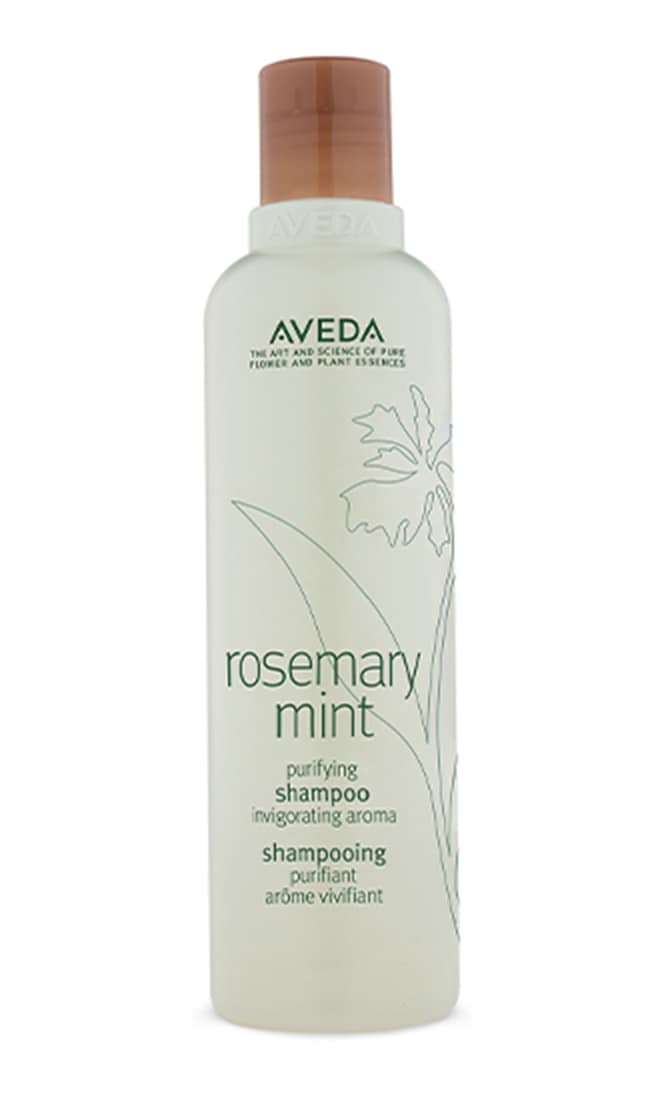
Rosemary Mint Purifying Shampoo
scalp solutions
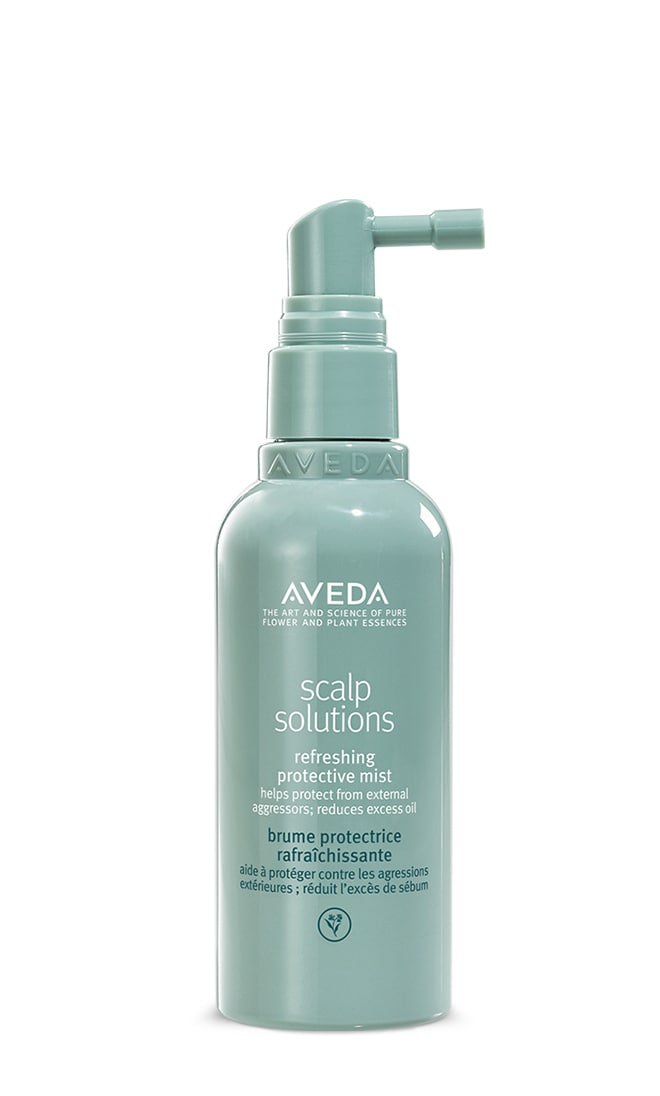
Scalp Solutions Refreshing Protective Mist
scalp solutions
Scalp Solutions Overnight Scalp Renewal Serum
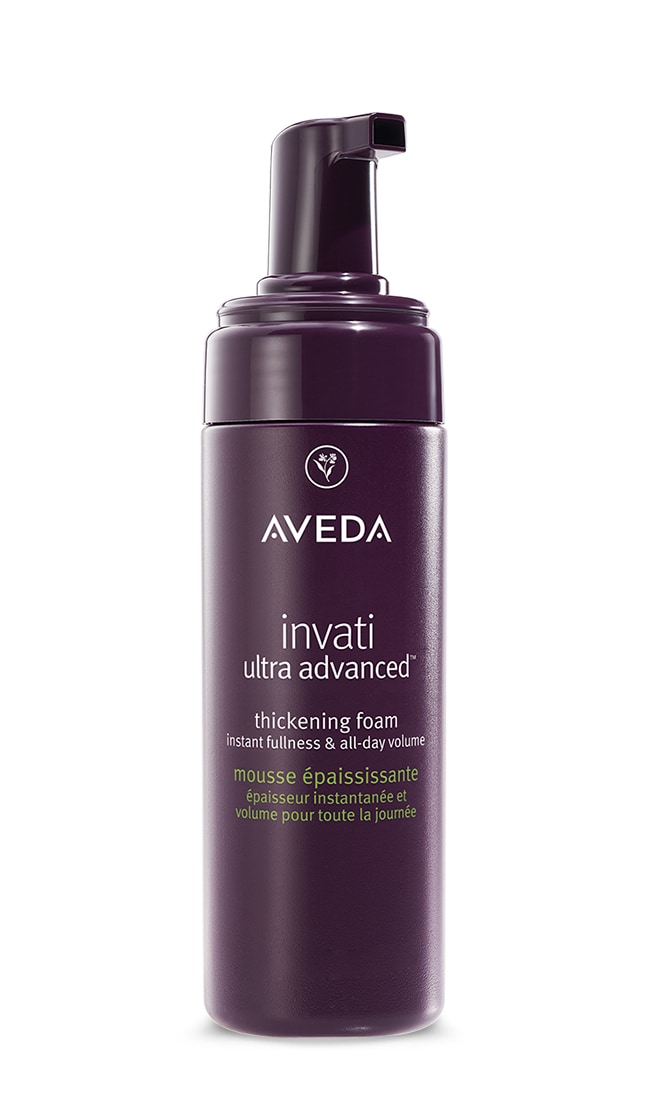
invati
Invati Ultra Advanced Thickening Foam
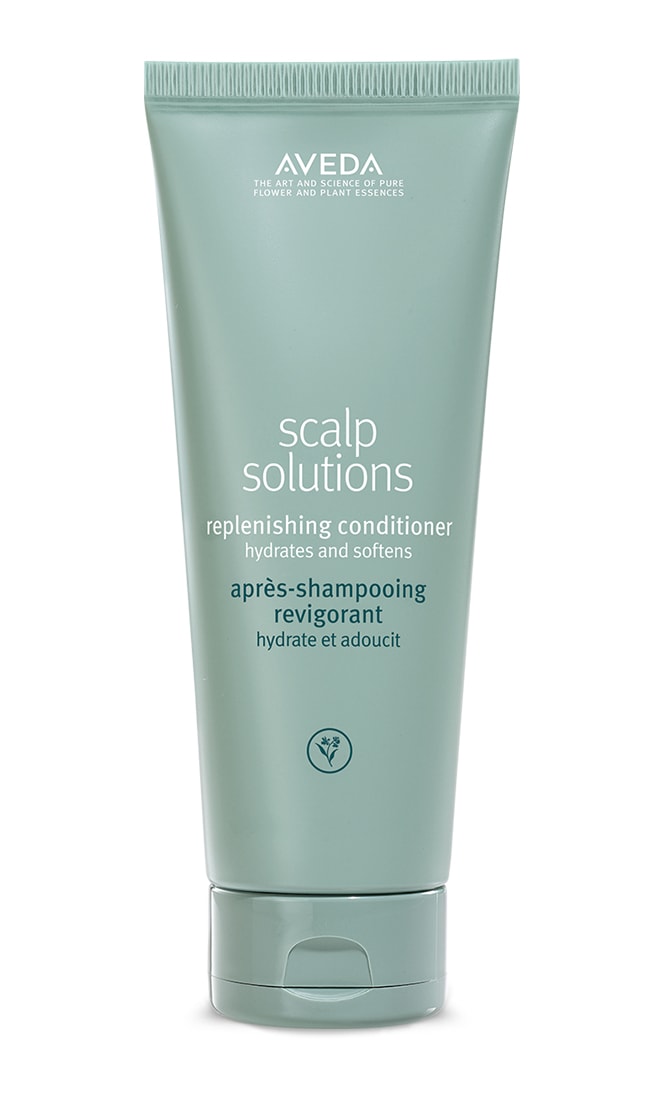
scalp solutions
Scalp Solutions Replenishing Conditioner
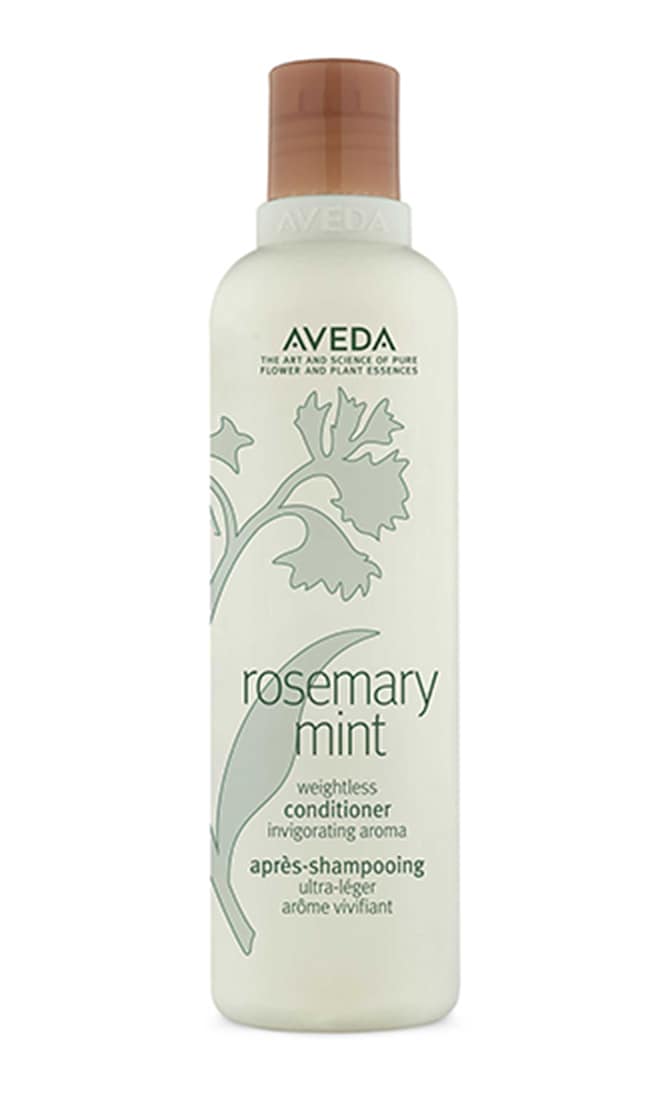
rosemary mint
Rosemary Mint Weightless Conditioner
Purchases made through these links support Lee Graves Salon through Aveda's A-Commerce program. Prices shown were checked on 2026-08-20; the current price always appears at aveda.com.
Common questions
Is dandruff caused by a dry scalp?
Usually not, and that's the most common misunderstanding about it. Classic dandruff shows up on scalps that produce plenty of oil, because the yeast behind it feeds on that oil. A dry scalp flakes too, but the flakes are smaller, whiter, and powdery. The two problems need opposite care, which is why oiling a dandruff-prone scalp or over-washing a dry one makes things worse.
Should I wash my hair more or less often if I have dandruff?
More often. Stretching wash days lets oil build up on the scalp, and oil is exactly what feeds the yeast that drives dandruff. Most dandruff-prone scalps do best washed every day or every other day with a balancing shampoo, adding a medicated formula a couple of times a week if flakes persist. If your scalp is genuinely dry instead, the opposite applies, so wash less often and more gently.
Can dandruff go away on its own?
Mild cases sometimes settle down, especially if a trigger like stress or a heavy styling product goes away. But dandruff is usually a recurring condition, not a one-time event, because the yeast that drives it lives on everyone's scalp. Most people manage it rather than cure it: regular washing, a balanced scalp routine, and a medicated shampoo during flares keeps it invisible for the long haul.
Does dry scalp or dandruff cause hair loss?
Neither one directly causes hair loss in most people. What does cause trouble is constant scratching, which can break hairs at the surface and irritate follicles, and severe untreated inflammation, which can temporarily increase shedding. If you're seeing real thinning or bald patches along with flaking, that's beyond a flake problem, so have a doctor or dermatologist look at your scalp.
How long does it take to see results once I treat the right problem?
Give it two to four weeks of consistency. Dandruff routines need time for the yeast population and oil balance to shift, and medicated shampoos only work with repeated use, and one wash won't do it. Dry scalp often improves faster, sometimes within a week of cooler water and real hydration. If nothing has changed after a month of doing the right things, get it checked.
Want this dialed in for your hair specifically?
Book with us in Plano at (972) 378-0091 and leave with a routine that fits your hair, your schedule and your budget.