What Are Money Piece Highlights? A Plano Stylist Explains
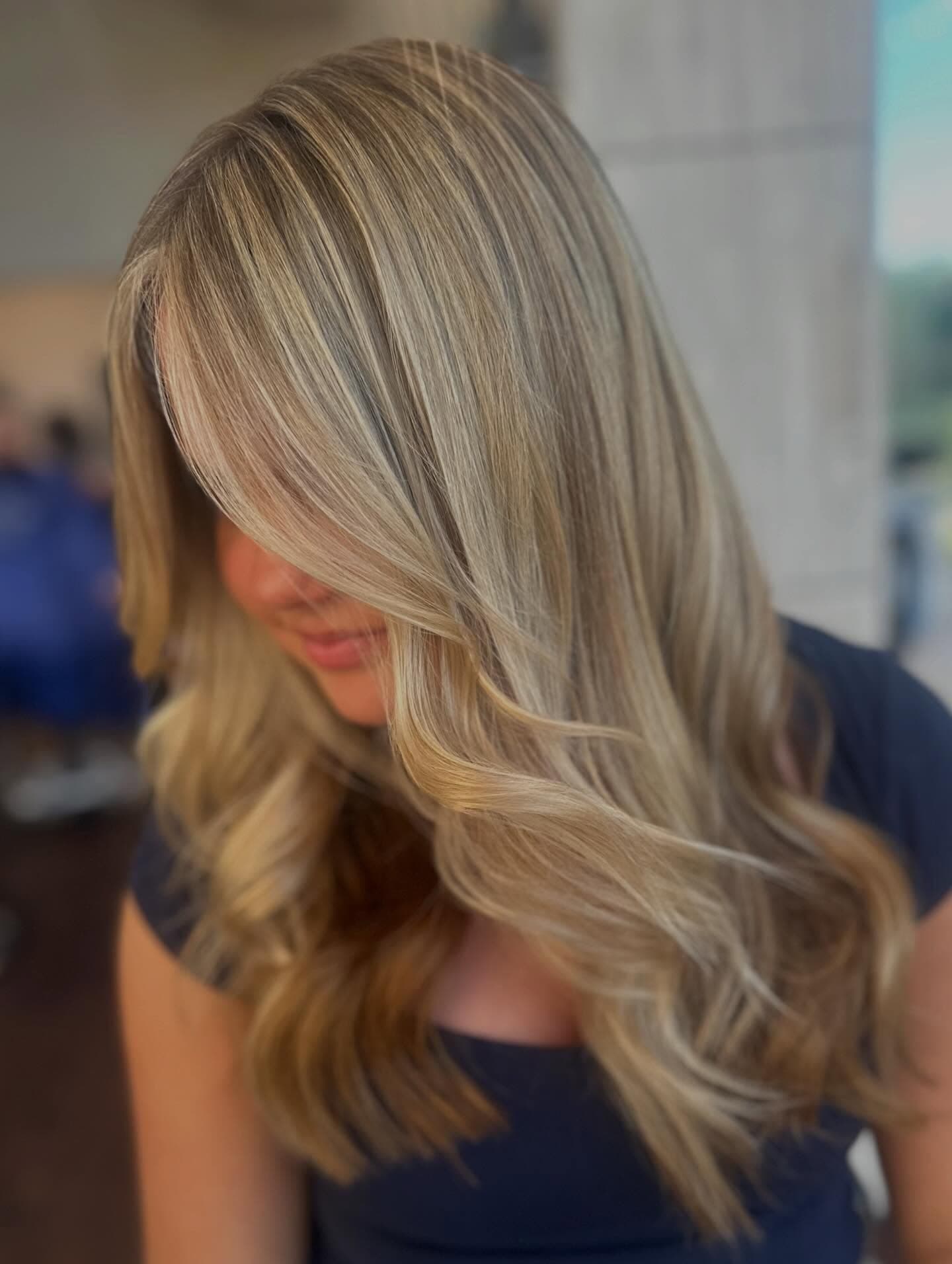
If you've scrolled through hair inspiration lately, you've seen it: two brighter pieces of color framing the face, lighter than the rest of the hair. That's the money piece, one of the most-requested color details we do at Lee Graves Salon. It's a small change with a big payoff, and it works on almost everyone.
Here's what a money piece actually is, who it suits, and what to expect if you book one.
What Is a Money Piece?
A money piece is a section of brighter, lighter color placed at the front of your hair, framing your face. Instead of highlighting your whole head, your colorist concentrates lift on the pieces that fall around your cheekbones and jaw, the parts everyone sees first.
The name comes from the idea that this is the "money" section of your hair: the most visible, highest-impact placement. It draws light up to your face, brightens your complexion, and adds dimension without the commitment (or cost) of a full highlight.
Money Piece vs. Face-Framing Highlights
People use these terms interchangeably, and they overlap, but there's a subtle difference:
- A money piece is usually a bolder, more defined block of brightness right at the front sections, often noticeably lighter than the rest of the hair.
- Face-framing highlights tend to be softer and more blended, with several finer highlights worked around the face rather than one strong panel.
At your consultation, your colorist will help you decide how bold or soft you want it. Both live on the same spectrum, and it's a matter of how much contrast you're after.
Who Looks Good With a Money Piece?
Almost everyone, which is part of why it's so popular. A few reasons it works across the board:
- It flatters every face shape. Brightness at the front draws the eye toward your features and can soften or elongate the face depending on placement.
- It works on every base color. On dark hair, a money piece adds a striking pop of contrast. On blondes, it brightens and freshens. On brunettes, it adds warmth and dimension.
- It grows out gracefully. Because the brightness starts a little away from the root (or is placed with a soft root), you don't get a harsh line as your hair grows, similar to how balayage grows out softly.
- It's low commitment. If you've never colored your hair and want to test the water, a money piece is a low-risk way to add brightness without committing to a whole head of color.
It's an especially good option if you want a visible change but have limited time or budget, or if your job or lifestyle calls for something you can tuck away, since a money piece can be parted to show off or blended back depending on how you style it.
How a Money Piece Is Done
The process is quicker than a full highlight because your colorist is focusing on a small, specific area. Here's what a typical appointment looks like at Lee Graves Salon:
- Consultation. We talk through how bold you want it, look at your base color, and decide on the right level of lift. If you're picking a shade, our guide on choosing hair color for your skin tone is a useful starting point.
- Sectioning. Your colorist isolates the front pieces that frame your face, usually starting at your part and following down each side.
- Lightening. Lightener is applied to those sections and processed. Depending on your starting color and target brightness, this is where most of the time goes.
- Toning or glossing. After lifting, a toner or gloss refines the tone so the money piece looks intentional, not brassy.
- Style. We finish with a blow-dry so you can see how the pieces fall and frame your face.
Most money piece appointments take one to two hours, depending on how dark you're starting and how light you're going. Going from very dark to very bright may need more processing time or, occasionally, more than one session to protect your hair's integrity.
Money Piece Pricing and Maintenance
Because it's a focused service, a money piece is one of the more budget-friendly ways to add color. At Lee Graves Salon, our face-framing service (we call it Illumination) starts at $100. If you want a money piece added to a full color or highlight service, your colorist will quote it as an add-on. See our full menu on the pricing page.
How Often to Refresh
A money piece typically needs a refresh every 8 to 14 weeks, depending on:
- How much contrast you have. A bold, high-contrast money piece shows regrowth sooner than a soft, blended one.
- How fast your hair grows. The average is about half an inch per month, per the American Academy of Dermatology, so faster-growing hair means more frequent touch-ups.
- Your base color. The bigger the gap between your natural color and the money piece, the more visible the grow-out.
Between full refreshes, a quick gloss or toner can revive the tone and keep the pieces from going brassy, in a shorter, lower-cost visit that stretches the life of your color.
Keeping Your Money Piece Bright
Lightened front pieces take the most abuse, because they're closest to your face, your makeup, and the sun. To keep them looking fresh:
- Use sulfate-free, color-safe shampoo and conditioner. Sulfates strip toner and dull brightness fast. (More tips in our color-treated hair care routine.)
- Use a purple shampoo if you're blonde. It neutralizes the brassy yellow tones that show up first in lightened front pieces. Don't overdo it, because once or twice a week is plenty.
- Protect from heat. The front pieces get flat-ironed and curled the most. Always use a heat protectant and keep tools at a moderate temperature.
- Mind the sun. UV fades and warms up lightened hair, and in a Texas summer that happens fast. A hat or a UV-protective leave-in helps.
Frequently Asked Questions
How much does a money piece cost?
At Lee Graves Salon, our face-framing Illumination service starts at $100. Added to a full color or highlight appointment, it's quoted as an add-on. The final price depends on your starting color and how much lift you want, and you'll get an exact quote at your consultation.
Will a money piece damage my hair?
A money piece involves lightening, so like any lightening service it does affect the hair. But because it's a small, focused section rather than your whole head, the overall impact is minimal. We use bond-protecting products during lightening to keep your hair healthy.
Can I get a money piece on dark hair?
Yes. A money piece looks striking on dark hair because of the contrast. Going significantly lighter on very dark hair may take more than one session to do safely, and your colorist will talk you through the plan at your consultation.
How is a money piece different from a full highlight?
A full highlight lightens pieces throughout your whole head. A money piece concentrates the brightness only at the front, around your face. It's faster, lower cost, and lower maintenance, a great option if you want impact without a full color commitment.
How long does a money piece last before it needs a touch-up?
Most clients refresh every 8 to 14 weeks. Softer, blended money pieces last longer between visits than bold, high-contrast ones. A gloss or toner in between keeps the tone fresh without a full appointment.
Book Your Money Piece
Want to brighten up your look without a full color commitment? Our colorists at Lee Graves Salon will help you find the right level of brightness for your hair and your lifestyle.
Call us at (972) 378-0091 or book online. Explore all our color options on the hair color services page.
We're located at 6101 Chapel Hill Blvd, Suite 103, Plano, TX 75093, serving clients from Plano, Frisco, Allen, McKinney, Richardson, and across DFW.
Products for this
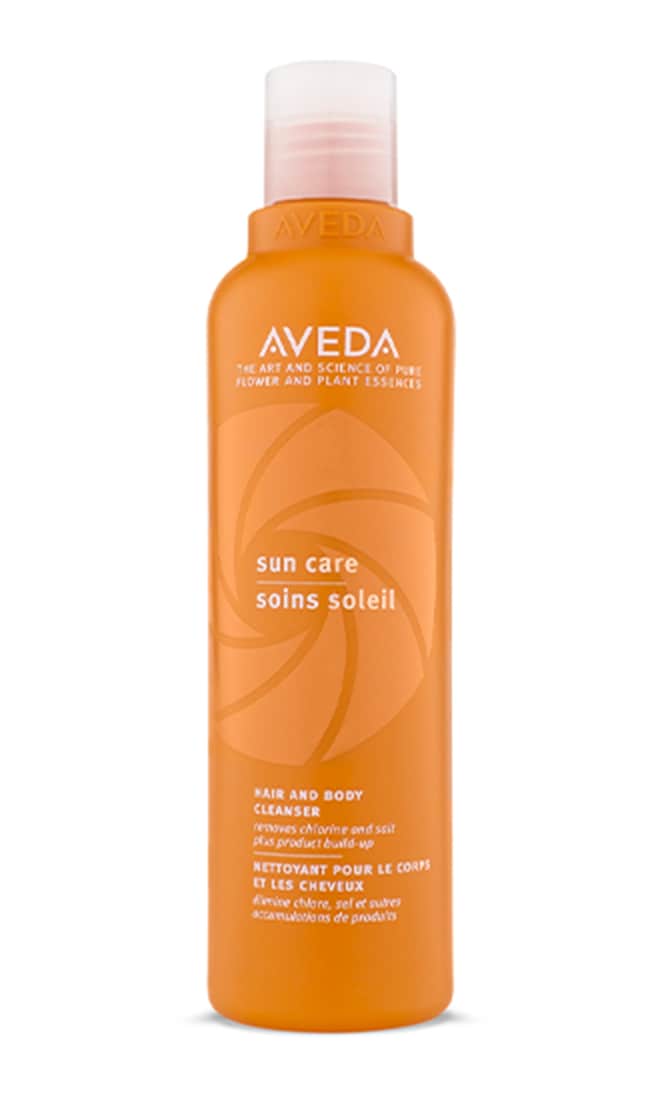
sun care
Sun Care Hair and Body Cleanser
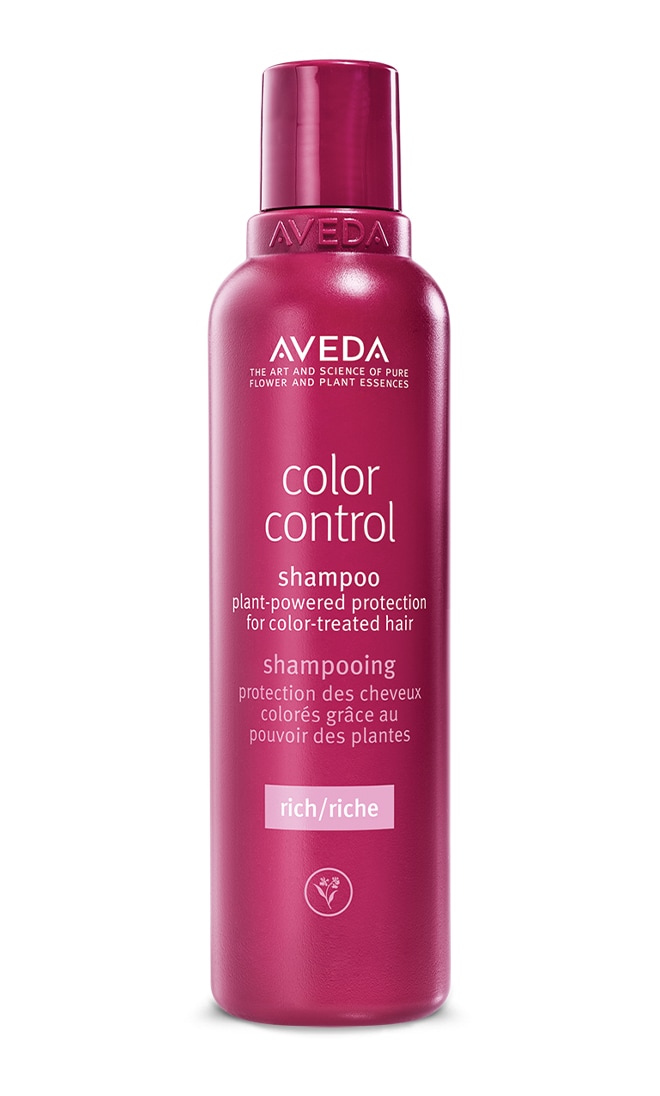
color control™
Color Control Rich Shampoo
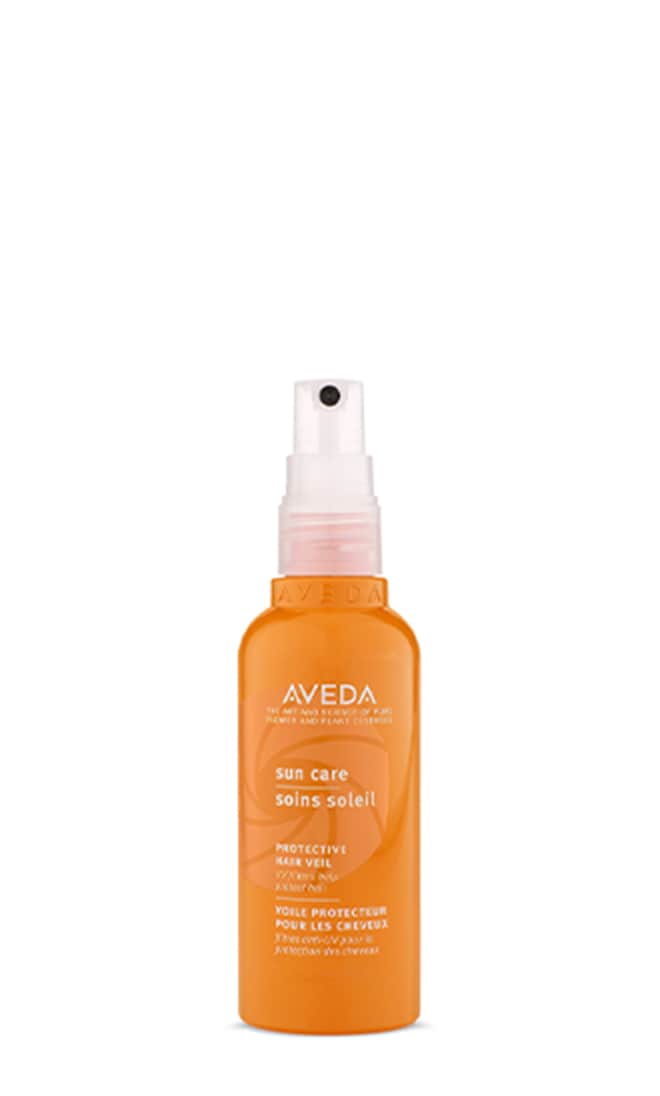
sun care
Sun Care Protective Hair Veil Uv Defense
Purchases made through these links support Lee Graves Salon through Aveda's A-Commerce program. Prices shown were checked on 2026-08-20; the current price always appears at aveda.com.
Ready to Get Started?
Book an appointment or call us for a personalized consultation.
Related Articles
Balayage vs Highlights Cost: Which Is More Expensive?
Balayage vs highlights cost, with real Plano prices: what each costs per appointment, what each costs per year, and which one is actually cheaper for you.
Gray Coverage in Plano: Root Touch-Ups, Blending & Your Real Options
Full coverage, gray blending, or a gloss? What each option costs in Plano, how often you'll be back, and how to pick the right shade for gray hair.
Are Highlights More Expensive Than Full Color?
Wondering if highlights cost more than full color? Here's the real price difference, why it exists, and which option is the better value for your hair goals.