Signs You Need a Hair Color Correction (And What to Expect)
You went to a salon, or tried a box dye at home, and the result is not what you expected. Maybe it's too dark, too brassy, uneven, or just a shade you can't live with. You've stared at it in different lighting. You've tried purple shampoo. You've Googled "how to fix bad hair color" at 2 AM.
If this sounds familiar, you're not alone. Color corrections are one of the most common services at professional salons, and there's no reason to feel embarrassed about needing one. Hair color involves chemistry, and sometimes the chemistry doesn't go as planned, whether it was a DIY attempt or a professional service that missed the mark.
Here's how to know when you need a color correction, what the process looks like, and what to expect.
What Is a Color Correction?
A color correction is a professional service designed to fix a hair color result that didn't turn out as intended. It goes beyond a simple toner refresh or gloss. It's a multi-step process that may involve removing unwanted color, re-lightening, toning, and sometimes multiple sessions spread over several weeks.
Color corrections are one of the most complex services a colorist can perform. They require deep knowledge of color theory, hair chemistry, and the ability to assess what's happening beneath the surface of the hair, not just what's visible.
7 Signs You Need a Color Correction
1. Visible Banding
Banding is when you can see distinct lines or stripes of different colors in your hair, usually at the point where new color meets old color, or where different applications overlap. It creates a striped, unblended look that's especially noticeable when hair is worn straight.
Common causes:
- Applying color at home without sectioning properly
- Overlapping lightener on previously lightened hair
- Multiple color services without proper blending between them
2. Brassiness That Won't Go Away
All lightened hair has some underlying warmth, and that's normal. But when your blonde pulls aggressively orange or yellow, or your brunette has a copper or red cast you didn't ask for, that's brassiness that needs professional correction.
Common causes:
- Lightener wasn't left on long enough to lift past the warm stage
- Toner wasn't applied or wasn't the right formula
- Hard water or sun exposure has stripped your toner over time
- Box dye was used to go lighter (box dyes can't lift and tone properly)
Purple shampoo can maintain toner between appointments, but it can't fix deep-seated brassiness from an under-lifted base. That requires a professional correction.
3. Uneven Color
If one side of your head is a different shade than the other, or your roots are one color while your mid-lengths and ends are another, you're dealing with uneven color. This can happen even at a salon if sections weren't processed evenly.
Common causes:
- Inconsistent application (missed sections, uneven saturation)
- Different processing times on different parts of the head
- Applying color over hair with varying levels of porosity (e.g., previously bleached ends absorb color differently than virgin roots)
4. A Color You Simply Don't Like
Sometimes the color is technically well-executed, with no banding and no brassiness, but it's just not the shade you wanted. Maybe you asked for a warm caramel and got a cool ash. Maybe the blonde is brighter than you expected. Maybe it aged you instead of refreshing your look.
This is a valid reason for a color correction. You should love your hair color, and a skilled colorist can adjust it to match your vision.
5. Hot Roots
Hot roots occur when the color at your root area is noticeably warmer, brighter, or lighter than the rest of your hair. This happens because the heat from your scalp accelerates processing at the roots, causing them to lift faster or grab color differently.
Common causes:
- All-over lightener applied from roots to ends at the same time (roots should be done last or with a lower volume developer)
- Box dye applied to the entire head when only a root touch-up was needed
6. Over-Darkened Hair
If your hair is darker than intended, whether from a box dye that deposited too much, a salon mishap, or color buildup from repeated applications, it can feel heavy and flat. Dark color, especially from box dye, is notoriously difficult to remove because it penetrates deeply into the hair shaft.
Common causes:
- Box dye (especially "natural" shades like dark brown or black, which contain heavy metallic pigments)
- Repeated application of permanent color over previously colored hair
- Choosing a shade that looked lighter on the box than it actually deposits
7. Green or Unusual Tones
Blonde hair turning green (usually from chlorine or copper in water), grey hair pulling violet or blue from over-toning, or brunette hair developing an unwanted red cast: unusual tones are a clear sign that the chemistry needs professional intervention.
What to Expect During a Color Correction
The Consultation
Every color correction starts with a thorough consultation. This is the most important part of the process. Your colorist will:
- Examine your hair under proper lighting, assessing the current color, banding, and tone from root to tip
- Ask about your color history: every product you've used, every salon visit, every box dye, every purple shampoo. Be honest and thorough. Information your colorist doesn't have can lead to unexpected chemical reactions.
- Assess your hair's health: color correction involves chemical processing, and your hair needs to be strong enough to handle it. If your hair is severely compromised, your colorist may recommend a staged approach with conditioning treatments between sessions.
- Set realistic expectations: some corrections can be done in one appointment. Others require 2-3 sessions over several weeks. Your colorist will be transparent about what's achievable and what the timeline looks like.
- Discuss pricing: color corrections are priced by time and complexity, not by service type. Your colorist will give you a price range based on the consultation.
The Process
Color correction techniques vary widely depending on the specific issue, but here are some common approaches:
| Problem | Typical Correction Approach |
|---|---|
| Brassiness | Color removal or re-lifting, followed by proper toning |
| Banding | Targeted lightening to even out levels, then tone |
| Too dark | Color remover or lightener to lift deposits, then re-color |
| Hot roots | Root area toned or re-processed separately |
| Uneven color | Section-by-section correction, different formulas per zone |
| Green tones | Specialized treatments to neutralize, followed by color |
| Box dye removal | Multiple lightening sessions with deep conditioning between |
How Long Does It Take?
A color correction can take anywhere from 3 to 8+ hours depending on the complexity. Some corrections that involve lifting out dark box dye or correcting severe banding may need to be done across 2-3 appointments with 2-4 weeks between each session to allow the hair to recover.
Plan to block out a significant chunk of your day for a color correction appointment. Bring a book, a charger, and snacks, because your colorist will take as long as needed to get it right.
The Importance of Patience
This is the hardest part for most clients, but it's essential: color correction is not a shortcut process. Rushing it leads to damaged hair, and damaged hair limits what your colorist can do in the future.
If your colorist says "we need two sessions," trust that recommendation. Getting 70% of the way to your goal in the first session and completing the correction in the second session is far better than pushing your hair to the breaking point trying to do it all at once.
Color Correction Pricing
Color corrections are the most variable service in terms of pricing because every correction is unique. The cost depends on:
- Severity of the issue: a simple toner fix vs removing years of box dye buildup
- Number of sessions required: a single session vs a multi-appointment correction plan
- Time involved: corrections are typically billed by time, often in hourly increments
- Products needed: specialized color removers, bond builders, and toning products add cost
As a general range, expect to pay $200-$500+ for a color correction, depending on complexity. Some extensive corrections involving box dye removal may run higher. At Lee Graves Salon, we provide a price estimate during the consultation so there are no surprises.
It's worth noting that a color correction often costs more than the original color service would have. This is one of the strongest arguments for going to an experienced professional the first time, because the cost of a quality color service ($190-$290 for highlights or balayage at Lee Graves Salon) is almost always less than the cost of correcting a result that went wrong.
How to Avoid Needing a Color Correction
Choose Your Colorist Carefully
Look at their portfolio. Do they specialize in the technique you want? Do they have before-and-after photos of similar transformations? Read their reviews. Ask about their experience with your specific hair type and color goal.
Communicate Clearly
Bring reference photos. Talk about what you don't want as much as what you do want. Be honest about your color history, including any box dye, henna, or at-home treatments. The more information your colorist has, the better they can plan.
Avoid Box Dye
This is the number one cause of color corrections. Box dye is formulated as a one-size-fits-all product, but hair color is anything but one-size-fits-all. Box dye often contains metallic salts that react unpredictably with professional color, heavy pigments that penetrate deeply and resist removal, and a developer strength that's usually too high for what most people actually need.
If you need to touch up roots between salon visits, ask your colorist for a take-home option that's compatible with your salon color.
Maintain Your Color Properly
- Use sulfate-free, color-safe shampoo and conditioner
- Get a gloss or toner refresh between full color appointments (starting at $65 at Lee Graves Salon)
- Use purple or blue shampoo as recommended by your colorist, but don't overuse it, as it can build up and create an ashy or violet cast
- Protect your hair from sun, chlorine, and hard water
Don't Make Dramatic Changes Without Professional Guidance
Going from dark brunette to platinum blonde is a multi-session process. Going from blonde to dark requires careful formulation to avoid color that fades or goes muddy. If you want a big change, consult with a professional first, even if you've been doing your own color for years.
Frequently Asked Questions
How much does a color correction cost? Color correction pricing varies significantly based on the complexity of the issue, the number of sessions required, and the time involved. Simple corrections like a toner fix may cost $100-$200, while complex corrections involving box dye removal or severe banding can range from $300-$500+. Your colorist will provide a price estimate during the consultation.
Can a color correction be done in one appointment? It depends on the severity of the issue. Simple corrections like brassiness or a toner adjustment can often be resolved in one visit. More complex issues, especially those involving box dye removal, significant level changes, or severely damaged hair, may require 2-3 sessions spaced 2-4 weeks apart to protect hair integrity.
Will color correction damage my hair? Color correction involves chemical processing, so there is always some impact on the hair. However, an experienced colorist uses bond-building treatments, careful timing, and staged processing to minimize damage. In many cases, the correction itself includes conditioning and strengthening treatments. The colorist will assess your hair's condition before proceeding and will stop if the hair can't safely handle more processing.
I used box dye. Can it be fixed? Yes, but box dye corrections tend to be more complex and time-consuming than correcting professional color. Box dye deposits heavier pigments that resist removal, and some box dyes contain metallic salts that can react with professional lightener. Be completely transparent with your colorist about which products you've used, because this information is essential for a safe correction.
How do I find a colorist who specializes in color corrections? Look for colorists who specifically mention color correction in their service list and have before-and-after photos of correction work. Read reviews mentioning corrections. Ask about their experience and approach during the consultation. A colorist who is honest about timelines, pricing, and limitations is usually the right choice. At Lee Graves Salon, our experienced color team handles corrections regularly and will give you a straightforward assessment during your consultation.
Get Your Color Back on Track
If you're living with a hair color you don't love, you don't have to keep waiting and hoping it'll grow out. A professional color correction can get you to the shade you actually wanted, safely and with a clear plan.
At Lee Graves Salon, we see color corrections every week. There's no judgment, only solutions. Book a color correction consultation to get started, or view our hair color services to explore what's possible. You can also call us at (972) 378-0091 to discuss your situation before booking.
Products for this
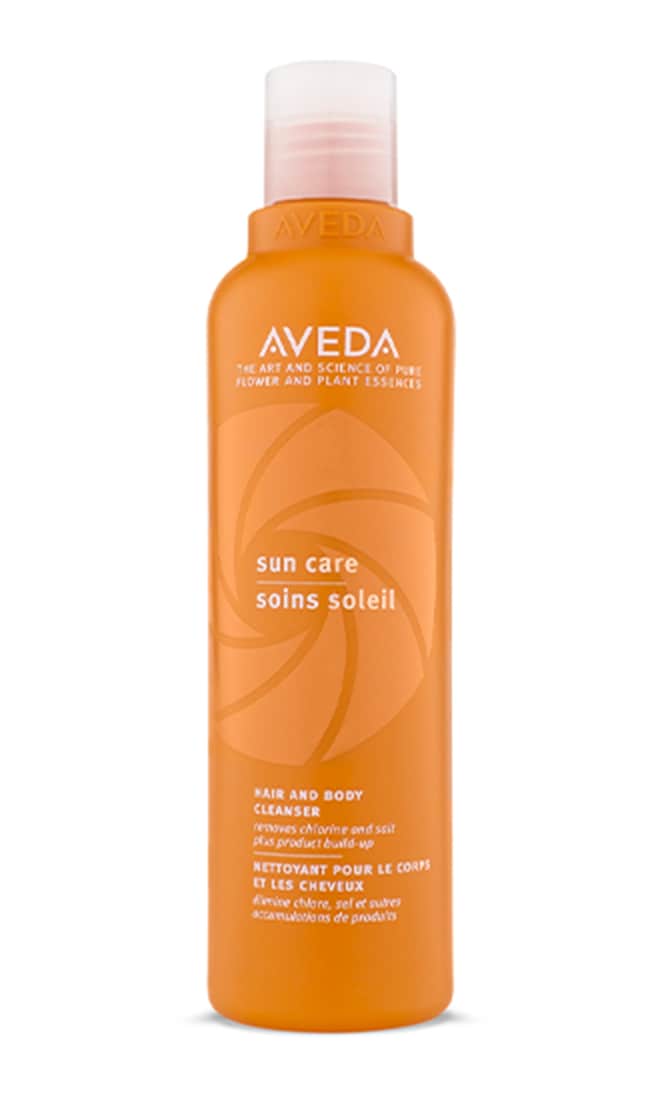
sun care
Sun Care Hair and Body Cleanser
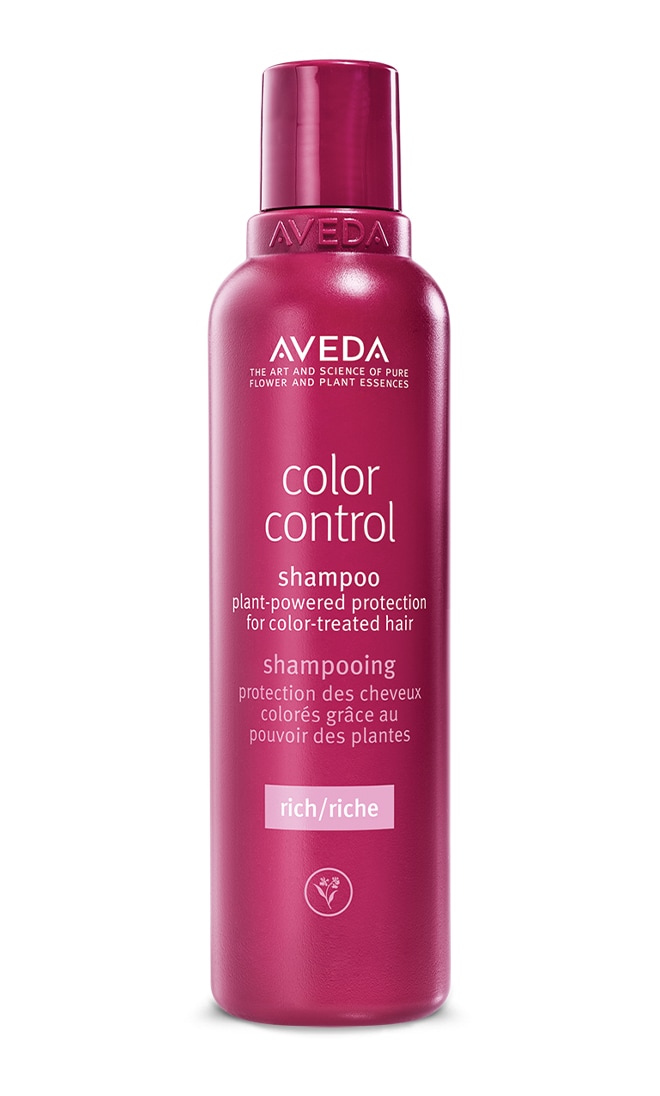
color control™
Color Control Rich Shampoo
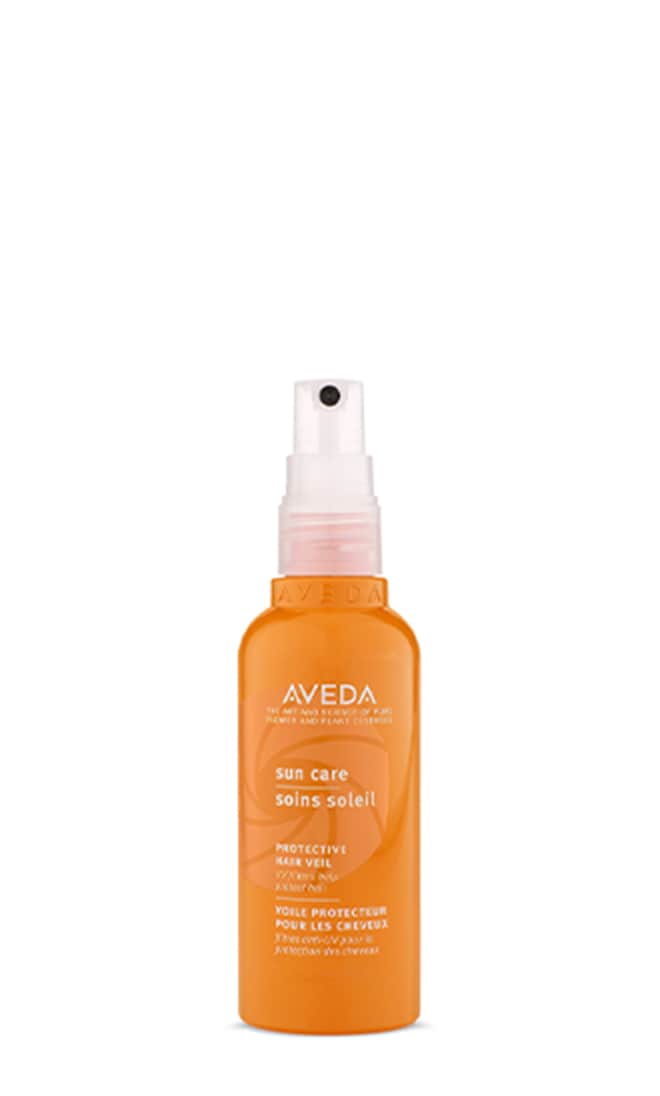
sun care
Sun Care Protective Hair Veil Uv Defense
Purchases made through these links support Lee Graves Salon through Aveda's A-Commerce program. Prices shown were checked on 2026-08-20; the current price always appears at aveda.com.
Ready to Get Started?
Book an appointment or call us for a personalized consultation.
Related Articles
Balayage vs Highlights Cost: Which Is More Expensive?
Balayage vs highlights cost, with real Plano prices: what each costs per appointment, what each costs per year, and which one is actually cheaper for you.
Gray Coverage in Plano: Root Touch-Ups, Blending & Your Real Options
Full coverage, gray blending, or a gloss? What each option costs in Plano, how often you'll be back, and how to pick the right shade for gray hair.
Are Highlights More Expensive Than Full Color?
Wondering if highlights cost more than full color? Here's the real price difference, why it exists, and which option is the better value for your hair goals.