Rosemary Oil for Hair: What It Can and Can't Do
Does rosemary oil really help hair growth? An honest look at the evidence, realistic timelines, how to use it without buildup, and when to see a doctor.
Reviewed by our stylists · updated 2026-08-21
Here's the honest version: rosemary oil has more real evidence behind it than almost any viral hair ingredient, and much less than the internet claims. One small study suggests it can support density in mild pattern thinning over six months, roughly on par with low-dose minoxidil. That's genuinely interesting. It is not a miracle, it works slowly when it works at all, and it's no substitute for a diagnosis if you're truly losing hair. Here's how we talk it through at the chair.
What the Evidence Actually Says
The whole rosemary phenomenon rests mostly on one randomized trial from 2015. Men with androgenetic (pattern) hair loss applied either rosemary oil or 2% minoxidil to the scalp daily. At three months, neither group had much to show. At six months, both had a measurable increase in hair count, with no significant difference between the two, and the rosemary group reported less scalp itching.
That's a real result, and it deserves to be taken seriously. It also deserves its caveats:
- One small study. It's never been replicated at scale.
- Men with one type of hair loss. It tells us nothing about postpartum shedding, stress shedding, patchy loss, or medically driven loss.
- 2% minoxidil is the low dose. The over-the-counter strength most people buy today is 5%.
- A formulated oil, not DIY drops. The study used a prepared rosemary preparation, not three drops of essential oil stirred into whatever's in the pantry.
Beyond that trial, there's lab and animal research suggesting rosemary compounds are anti-inflammatory and may support circulation in skin. Promising, but a petri dish is not a scalp.
Why It Might Work
Nobody knows for certain, but the theories are plausible. Rosemary's active compounds, chiefly carnosic acid, appear to improve microcirculation, which matters because follicles are fed by tiny blood vessels at their base. Rosemary is also mildly anti-inflammatory and antimicrobial, so it may simply keep the follicle's neighborhood calmer and cleaner. Lab studies hint it might blunt DHT activity, the hormone behind pattern thinning, but that's never been shown on actual human heads.
And we'll say the quiet part: some of the benefit is probably the ritual. Massaging your scalp for a few minutes, several nights a week, every week, is its own low-grade stimulation, and the kind of consistency most people have never actually given their scalp. Consistency beats intensity in nearly all everyday hair habits, and this one is no exception.
Set Realistic Expectations and a Timer
Give it six months, judge it with photos, and be honest about the ceiling.
What it may realistically do: modestly better density in early, mild thinning; a calmer, less itchy scalp; slightly less shedding at the margins.
What it won't do: bring back a spot that's been smooth for years, override hormones or a medical condition, or thicken the strands you already have. Follicles that have fully shut down don't respond to botanicals, and oil coating the lengths adds shine and slip, not growth. Growth only ever happens at the follicle.
Photograph your part and hairline in the same light, once a month. If nothing has changed by month six, stop, because you've answered the question for your own head, which is the only one that matters.
How to Use It Without Buildup or Irritation
- Dilute, always. Essential oil never goes on skin neat. Two to three drops per tablespoon of a carrier oil like jojoba or grapeseed, or buy a pre-diluted scalp blend and skip the chemistry.
- Patch test. Inner forearm, 24 hours. Redness or itching means this ingredient isn't for you.
- Apply to the scalp, not the hair. Part-by-part along the areas that concern you, then massage with fingertips for three to five minutes. Two or three evenings a week is plenty.
- Leave it two to three hours. Overnight only once your scalp has proven it tolerates it.
- Wash it out properly. This is where oil routines go wrong. Residue left behind clogs the follicle openings you're trying to help. A purifying wash like Rosemary Mint Purifying Shampoo, fittingly built around the same plant, lifts the oil without stripping your lengths. Expect to lather twice on oil days.
Follow with a light conditioner on the mid-lengths and ends only. Something like Rosemary Mint Weightless Conditioner keeps oil days from leaving fine hair flat by noon.
If your roots start looking greasy by day two, your scalp feels coated, or you're seeing new flakes, that's buildup talking. Cut back to once or twice a week and add a weekly reset. A dedicated exfoliator like Scalp Solutions Exfoliating Scalp Treatment clears residue and dead skin from the follicle openings so the routine helps instead of smothers. And in a North Texas July, sweat plus oil compounds fast, so our Texas summer hair guide covers keeping a scalp routine workable in triple-digit heat.
Who Should Skip It
- Reactive or eczema-prone scalps. Essential oils are common irritants, and an inflamed scalp sheds more.
- Anyone with dandruff or seborrheic dermatitis. The yeast behind dandruff feeds on oils, so heavy oiling often makes flaking worse, not better.
- Pregnant or nursing. Essential oils are concentrated plant chemistry; talk to your doctor before adding one to a routine.
- Sudden, patchy, or heavy shedding. That's a medical question, not an oil question. See a dermatologist first, because some causes of hair loss are very treatable, and early treatment matters.
Where It Fits Next to Proven Options
Ranked by evidence, rosemary oil sits below the medical options: minoxidil is FDA-approved with decades of trials, and a dermatologist can add prescription treatments that address the hormonal side of pattern loss. Rosemary oil is best understood as a low-risk supporting act for early, mild thinning, or for people who can't tolerate minoxidil's itch.
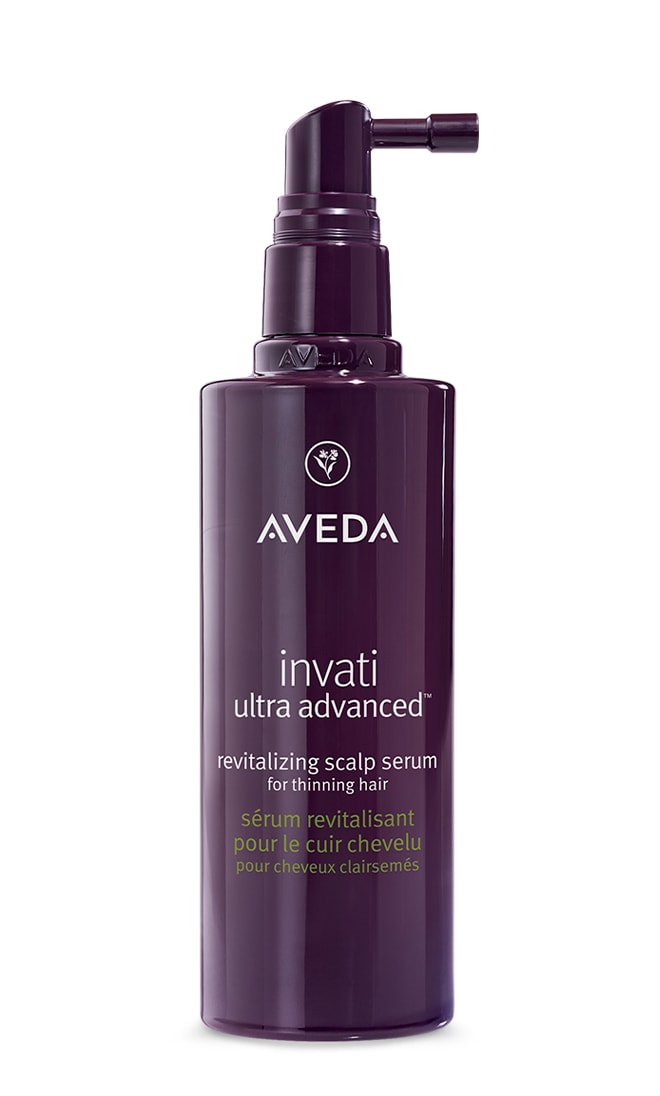
If the twice-weekly oil-massage-wash cycle sounds like more than you'll sustain, a leave-on serum is the easier habit: Invati Ultra Advanced Revitalizing Scalp Serum is designed for thinning hair, goes on a clean or dry scalp in seconds, and needs no washing out, and the treatment you'll actually do daily beats the one you'll abandon by March. For the bigger picture on causes and what genuinely helps, our thinning hair guide walks through it all.
Mistakes That Undo the Benefit
- Using it undiluted. Irritation, not stimulation.
- Daily oiling, infrequent washing. Clogged follicles, itchy scalp, flat roots.
- Quitting at week three. Or worse, switching to the next viral ingredient at week four. Nothing follicle-level shows in three weeks.
- Oiling the lengths and expecting growth. Shine, yes. Density, no.
- Using it instead of a diagnosis. If your shedding is real, find out why before you spend six months on a botanical.
If you're seeing more scalp than you used to, bring it up at your next visit. Our stylists look at scalps all day, can usually tell buildup from true thinning at a glance, and will tell you straight whether a routine tweak will help or a dermatologist should look first.
What we recommend from Aveda
invati
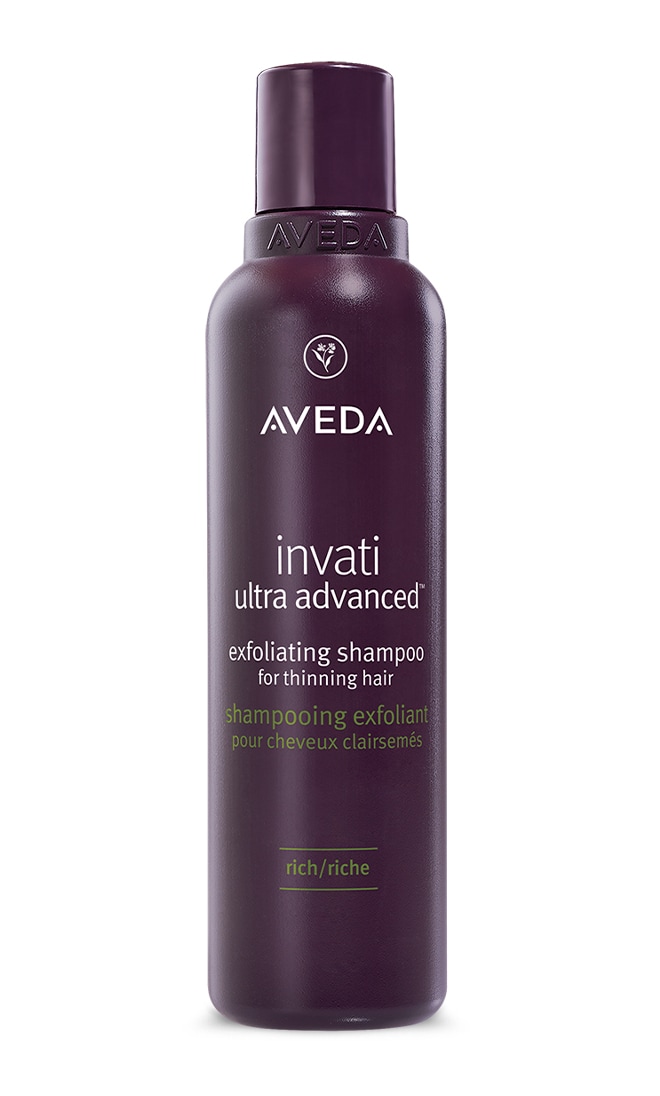
Invati Ultra Advanced Exfoliating Shampoo Rich
invati
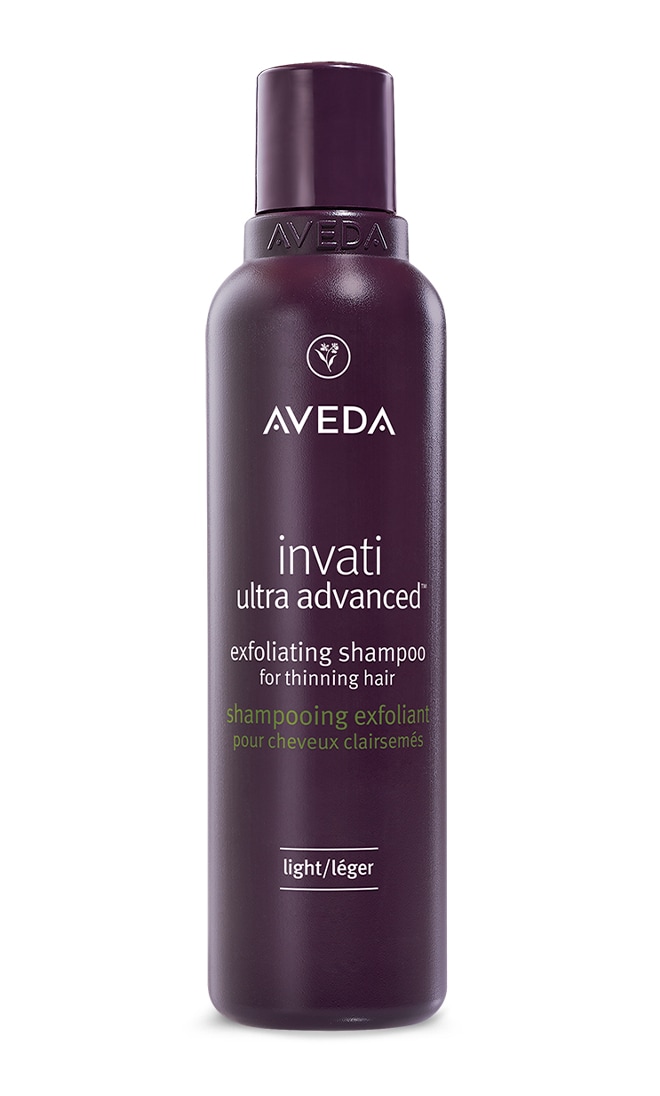
Invati Ultra Advanced Exfoliating Shampoo Light
invati
Invati Ultra Advanced Revitalizing Scalp Serum
invati
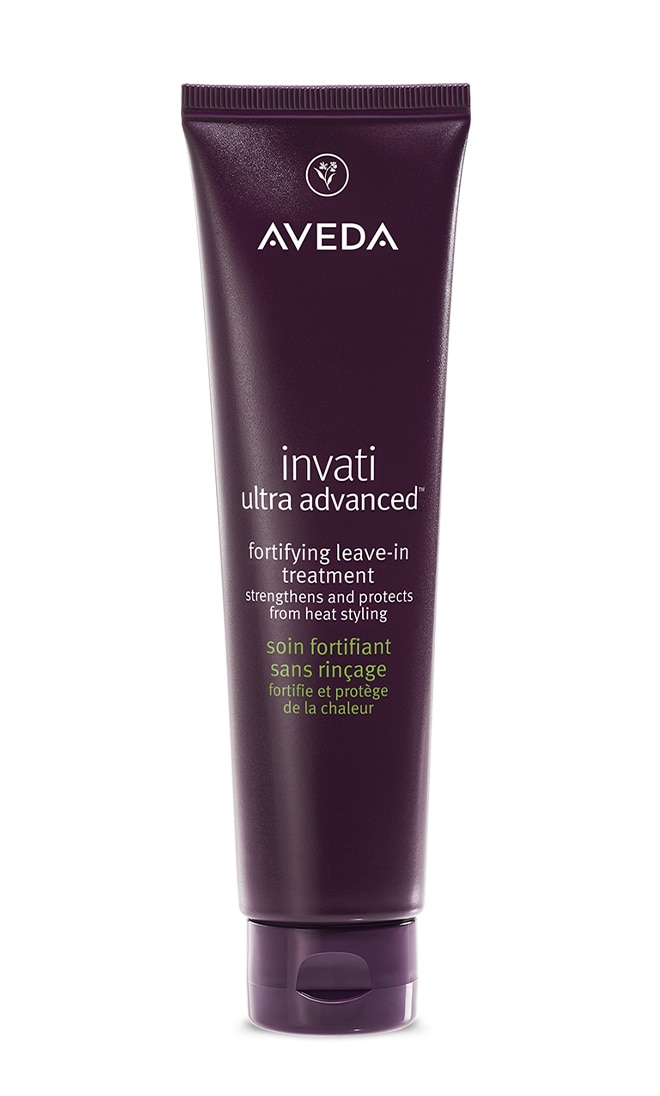
Invati Ultra Advanced Fortifying Leave In Treatment
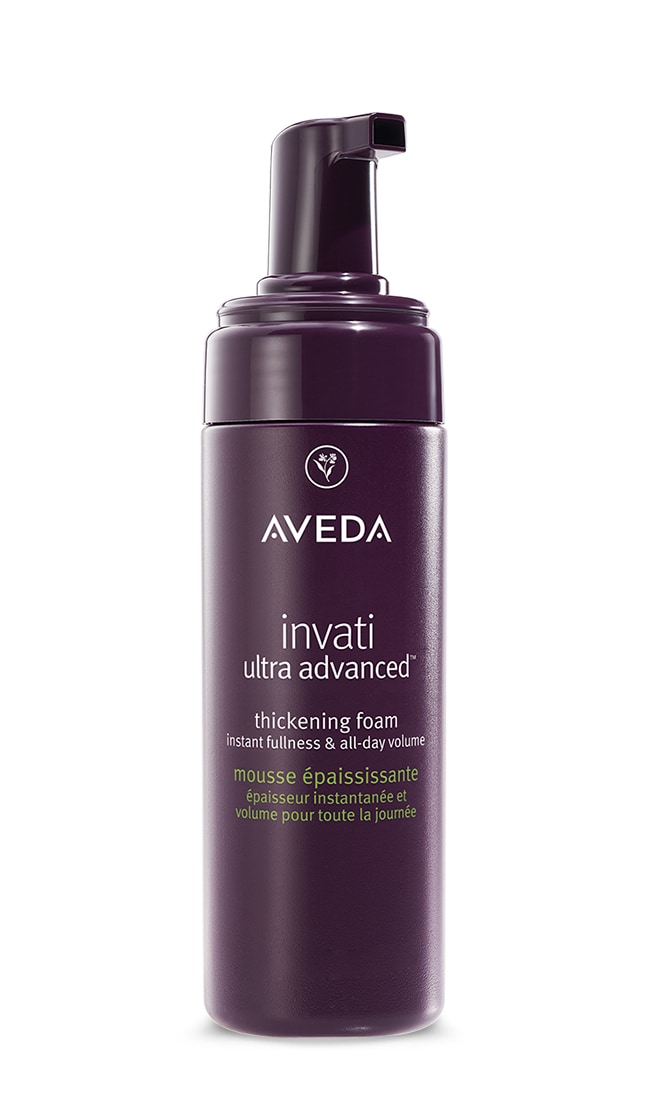
invati
Invati Ultra Advanced Thickening Foam
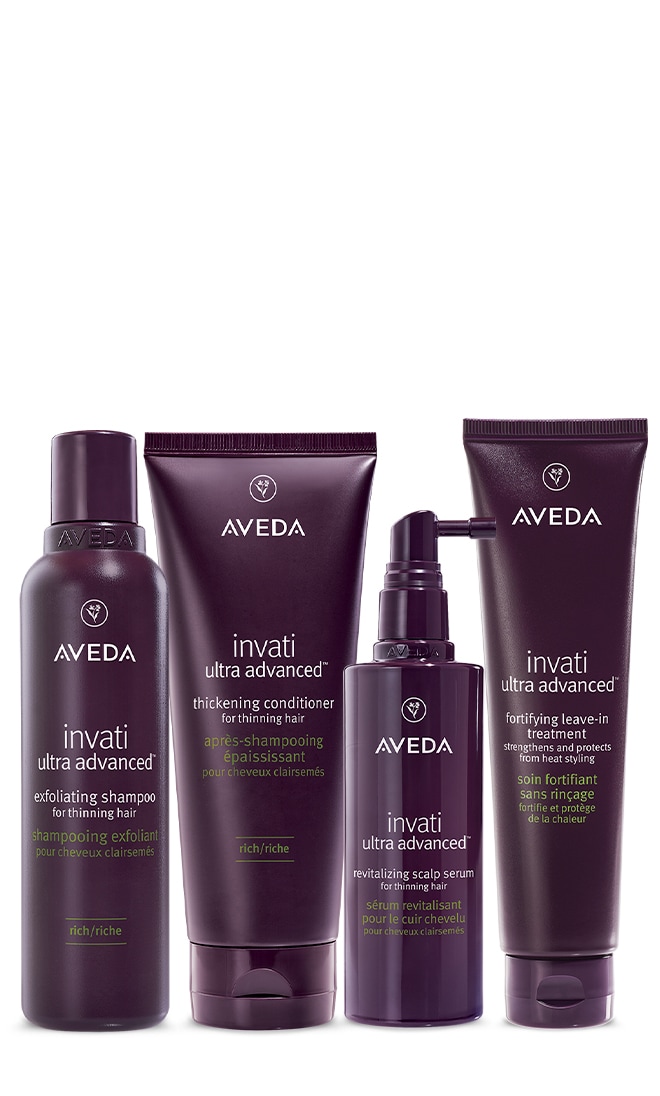
invati
Invati Ultra Advancedtm Rich System for Thinning Hair
invati
Invati Ultra Advancedtm Light System for Thinning Hair
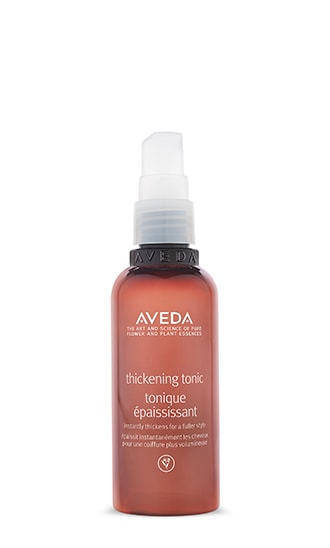
thickening
Thickening Tonic Styling Spray
Purchases made through these links support Lee Graves Salon through Aveda's A-Commerce program. Prices shown were checked on 2026-08-20; the current price always appears at aveda.com.
Common questions
Does rosemary oil actually regrow hair?
The evidence is limited but real. One small 2015 trial found rosemary oil improved hair counts in men with pattern thinning about as well as 2% minoxidil after six months of daily use. That's one study, on one kind of hair loss, and the effect was gradual and modest. It may support density in early, mild thinning. It will not revive a long-bald spot or fix medically driven loss.
How long does rosemary oil take to work?
Plan on six months before you judge it. In the study everyone cites, neither rosemary oil nor minoxidil showed meaningful change at three months, and the difference showed up at six. Hair grows about half an inch a month, so anything that works through the follicle is slow by nature. Take a photo of your part in the same light each month; your memory will lie, the photos won't.
Can I leave rosemary oil on my scalp overnight?
Yes, if it's properly diluted and your scalp has already tolerated shorter sessions without redness or itching. Patch test first, put a towel over your pillowcase, and wash thoroughly in the morning, because residue left on the scalp is how people end up with clogged, flaky roots. If you're prone to dandruff or a greasy scalp, stick to two or three hours before a wash instead.
Is rosemary oil as good as minoxidil?
Not on the strength of the evidence. One small trial found it comparable to 2% minoxidil, but over-the-counter minoxidil today is usually 5%, and minoxidil has decades of trials behind it while rosemary oil has essentially one. A fair reading: rosemary oil is a reasonable, low-risk add-on for mild thinning, while minoxidil remains the better-proven first choice. Many people use both, at different times of day.
Can rosemary oil irritate my scalp or make shedding worse?
It can if you use it carelessly. Undiluted essential oil is strong enough to redden and burn skin, and an inflamed scalp sheds more, not less, which is the opposite of what you're after. Always dilute it in a carrier oil, patch test on your inner forearm for 24 hours, and stop at the first sign of burning, itching, or new flaking. Diluted and patch-tested, most scalps handle it fine.
Want this dialed in for your hair specifically?
Book with us in Plano at (972) 378-0091 and leave with a routine that fits your hair, your schedule and your budget.