Men's Haircare: The 3-Product Routine That Actually Works
The three-product men's routine of shampoo, conditioner, and one styler, plus clay vs pomade vs gel decoded and straight talk on scalp health and thinning.
Reviewed by our stylists · updated 2026-08-21
You need exactly three products: a shampoo, a conditioner, and one styler that matches your hair and the finish you want. That's it. The ten-step routines and shelf of half-used tubs aren't making anyone's hair better. The right three, used consistently, will. Here's how to pick each one and use it well.
The 3-Product Baseline
1. Shampoo, the workhorse
Your shampoo has one job: clean the scalp without stripping it. Short hair is really a scalp game, because oil, sweat, sunscreen, and yesterday's styler all sit right at skin level, and a weak shampoo leaves them there while a harsh one leaves your scalp tight and flaky. A clarifying-but-balanced formula like rosemary mint purifying shampoo hits the sweet spot: it lifts buildup and product residue, leaves that clean-tingle feeling, and doesn't nuke your scalp in the process. Lather at the scalp with your fingertips, not your nails, for a solid thirty seconds. That scrub is most of the job.
2. Conditioner: yes, you
Most men skip this step, and most men's scalp complaints trace straight back to it. Shampoo removes oil; conditioner replaces enough moisture that your scalp stays comfortable and your hair stays soft enough to style instead of standing up like carpet. On short hair this takes fifteen seconds: a dime-sized amount of pure-formance men conditioner rubbed through hair and scalp, then rinsed. If your hair is longer than a couple of inches, leave it on while you finish your shower. Dry, itchy scalp in an air-conditioned Texas office? This step is usually the fix.
3. One styler, singular
You don't need a pre-styler, a texturizer, and a finisher. You need one product that delivers the hold and shine your cut requires. Which one that is depends entirely on the style, so let's decode the wall of tubs.
Decoding Stylers: Clay vs Pomade vs Gel vs Cream
Four products cover essentially every men's style. The two questions that pick yours: how much hold does the style need, and how much shine do you want?
| Styler | Hold | Shine | Best for |
|---|---|---|---|
| Clay | Medium–high | Matte | Textured crops, short messy styles, thinning hair |
| Pomade | Medium | Low–medium sheen | Side parts, slick backs, combed styles |
| Gel | Firm | High | Set-it-and-forget-it styles, thick or stubborn hair |
| Cream | Light | Natural | Longer hair, waves, the "no product" look |
Clay is the default answer for most short cuts. It grips, thickens, and dries matte, so hair looks fuller and styled-but-not-styled. A matte formula like the pure-formance men grooming clay also reworks through the day, so you can run damp hands through your hair at 3 p.m. and restyle. Because matte texture makes hair read thicker, clay is also the right call if your hair is starting to thin.
Pomade trades grip for slip. It combs through cleanly and holds a defined shape with a bit of sheen, making it the classic side-part and slick-back product. Water-based versions (including liquid formats) rinse out easily; that's what you want.
Gel is the strongest set and the shiniest finish. It dries hard and stays put through weather, helmets, and humidity, but it doesn't restyle, and once it sets, that's the shape. Great for thick, stubborn hair; wrong for anything meant to look soft or touchable.
Cream barely holds at all, and that's the point. It tames frizz, adds a natural finish, and keeps longer or wavy hair controlled without any crunch. If your style is "my hair, but behaving," a light cream like pure-formance men grooming cream is your styler. Whatever you choose, apply it to towel-dried, mostly-dry hair, because product on soaking-wet hair dilutes and does nothing.
How Often Should You Wash Short Hair?
Every other day, for most men. Daily shampooing strips oil faster than your scalp replaces it, and your scalp compensates by producing more. The greasy-by-noon cycle is usually a too-much-washing problem, not too little. On off days, rinse thoroughly with warm water and scrub with your fingertips; water alone removes most sweat and loose product.
The honest exceptions: if you train hard daily, work outdoors, or it's a 105-degree August in Plano, wash when your scalp needs it, because sweat and sunscreen sitting on skin cause more trouble than an extra shampoo does. Our Texas summer hair guide covers the hot-months adjustments in detail.
Scalp Health and the Thinning Question, Honestly
Here's the truth the ads won't give you: no shampoo regrows hair. Anyone telling you otherwise is selling something. What a good routine genuinely does is keep the scalp clean, balanced, and unirritated, which is the best possible environment for the hair you have, and keep buildup from flattening fine hair and making thinning look worse than it is.
What actually moves the needle on hair loss is medicine, and minoxidil and finasteride are the two with real evidence behind them. Starting early matters, because keeping hair is far easier than regrowing it. If your hairline or crown is changing, talk to your doctor or a dermatologist sooner rather than later.
Where we come in: a stylist sees your scalp up close every few weeks and will flag changes honestly, and the right cut makes thinning dramatically less visible, since shorter, textured, matte-styled hair reads fuller than longer hair combed to cover. Our thinning hair guide goes deeper on what helps and what's hype.
The Barber vs Salon Myth
"Barbers cut men's hair, salons cut women's" is a marketing category, not a skill. What matters is whether the person cutting your hair is good at your cut. Our stylists do skin fades, clipper work, scissor-over-comb, and longer men's cuts all day, and a salon appointment adds things most walk-in shops can't: a real consultation about your hair type and how you style it, a shampoo and scalp massage, and enough time on the clock to get the details right instead of getting you out the door. If you're curious what that costs around here, we've broken down haircut pricing in Plano honestly. For what Texas law actually lets barbers and stylists each do, see our hair salon vs. barber shop guide. Try it once; your cowlick will thank you.
Mistakes to Stop Making
- Too much product. Dime-sized, fully emulsified in your palms, applied back to front. Add more only if needed.
- Styling soaking-wet hair. Towel-dry to damp first, because water dilutes styler to nothing.
- Skipping conditioner. The fifteen-second step that prevents most dry-scalp misery.
- 2-in-1 shampoo-conditioners. A product designed to deposit and strip at the same time does neither well.
- Scalding showers. Hot water strips your scalp like a harsh shampoo. Warm wash, cooler rinse.
- Never clarifying. If you use styler daily, hair collects residue. A purifying shampoo once or twice a week resets it.
That's the whole system: three products, one honest table, and a wash schedule your scalp will actually like. If you want the styler question answered for your specific hair, or a cut built to make the routine even simpler, grab a chair with one of our stylists and we'll set you up in one visit.
What we recommend from Aveda
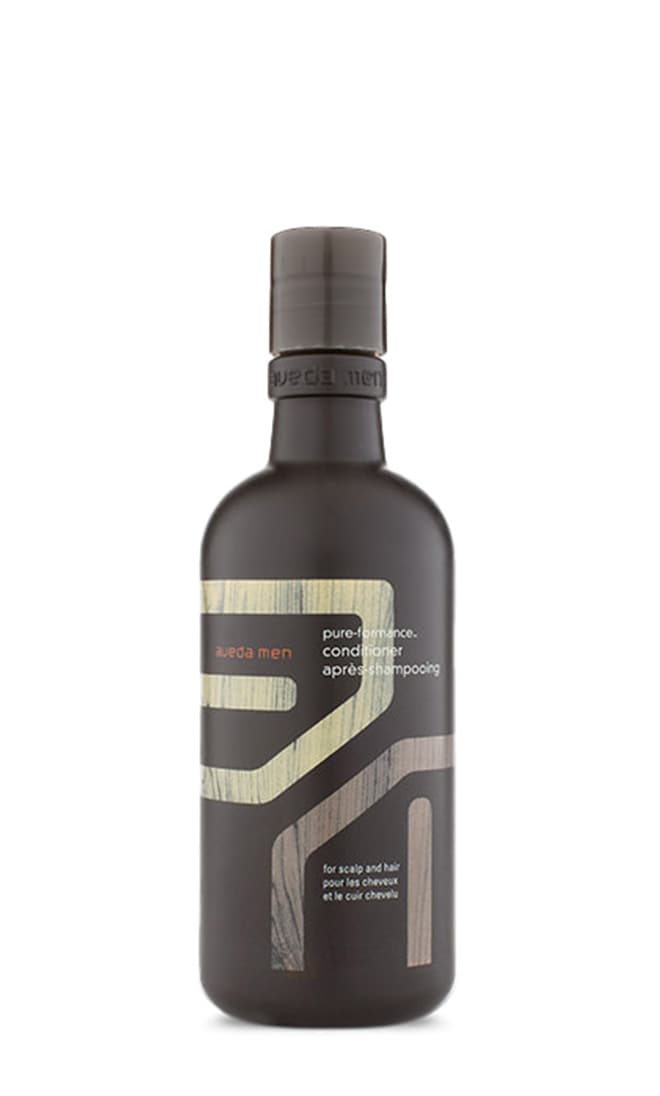
Pure Formancetm Men Conditioner
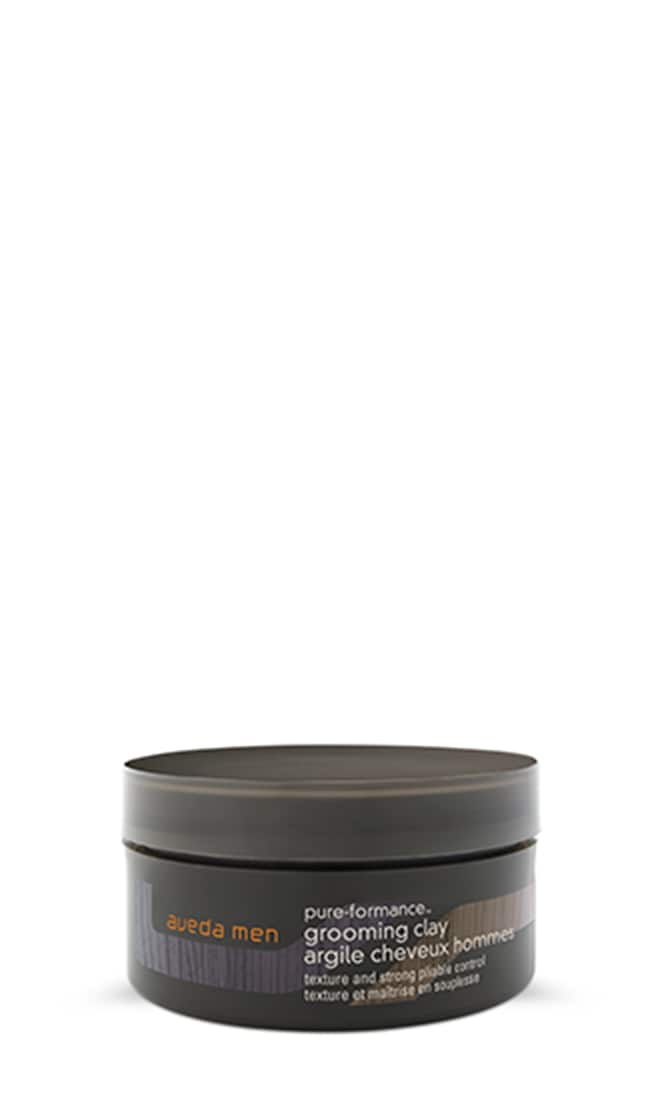
Pure Formancetm Men Grooming Clay
Pure Formancetm Men Liquid Pomade
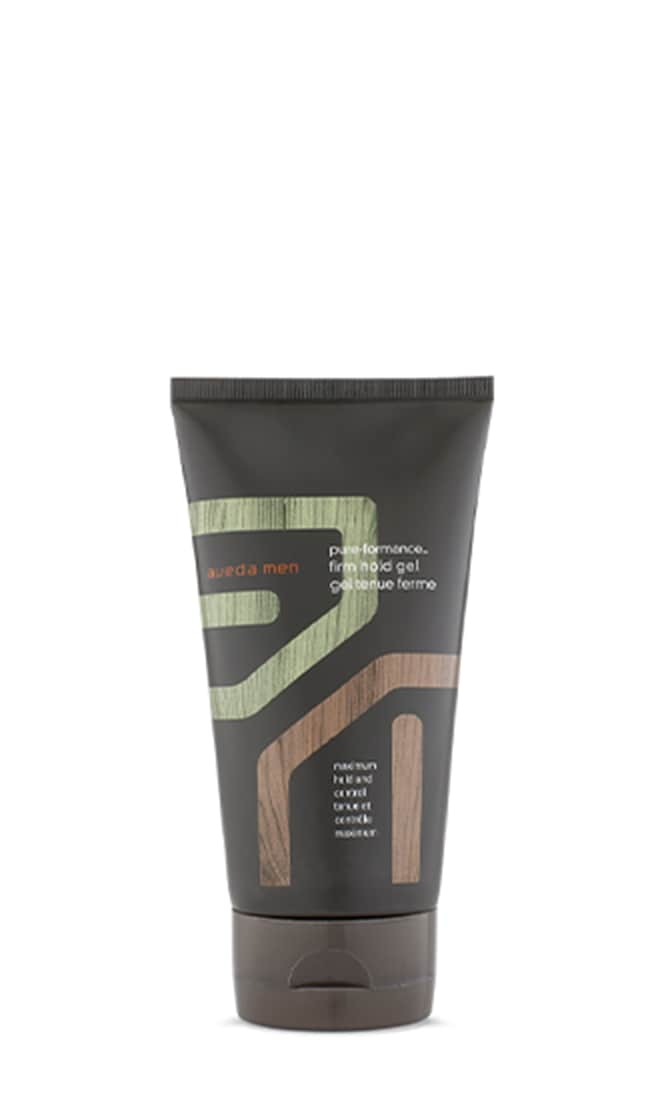
Pure Formancetm Men Firm Hold Gel
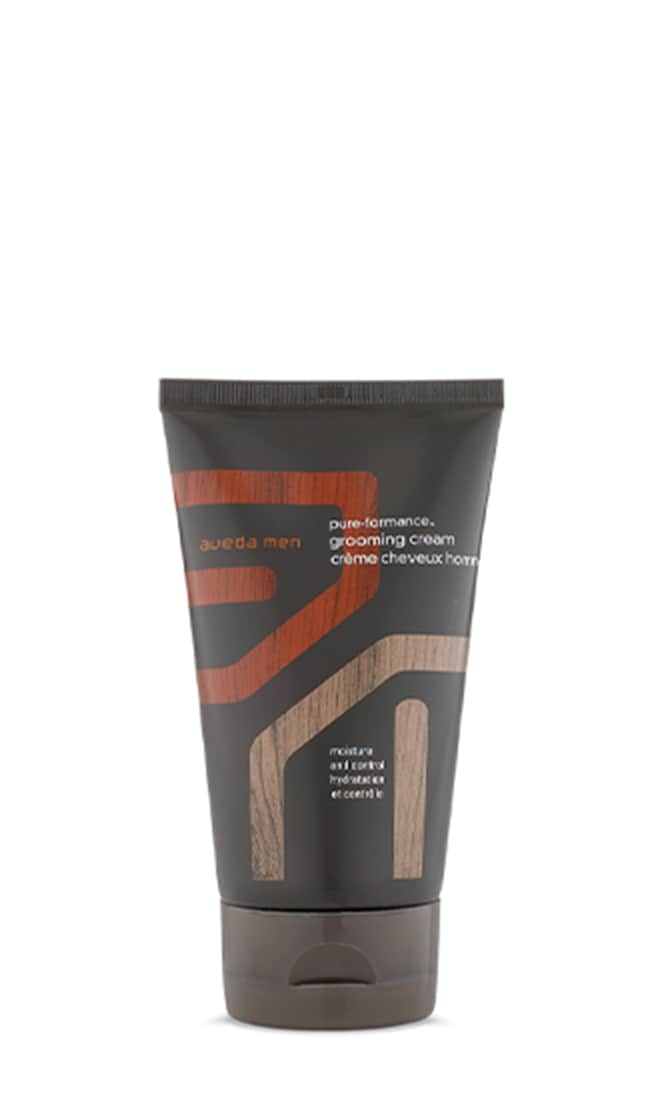
Pure Formancetm Men Grooming Cream
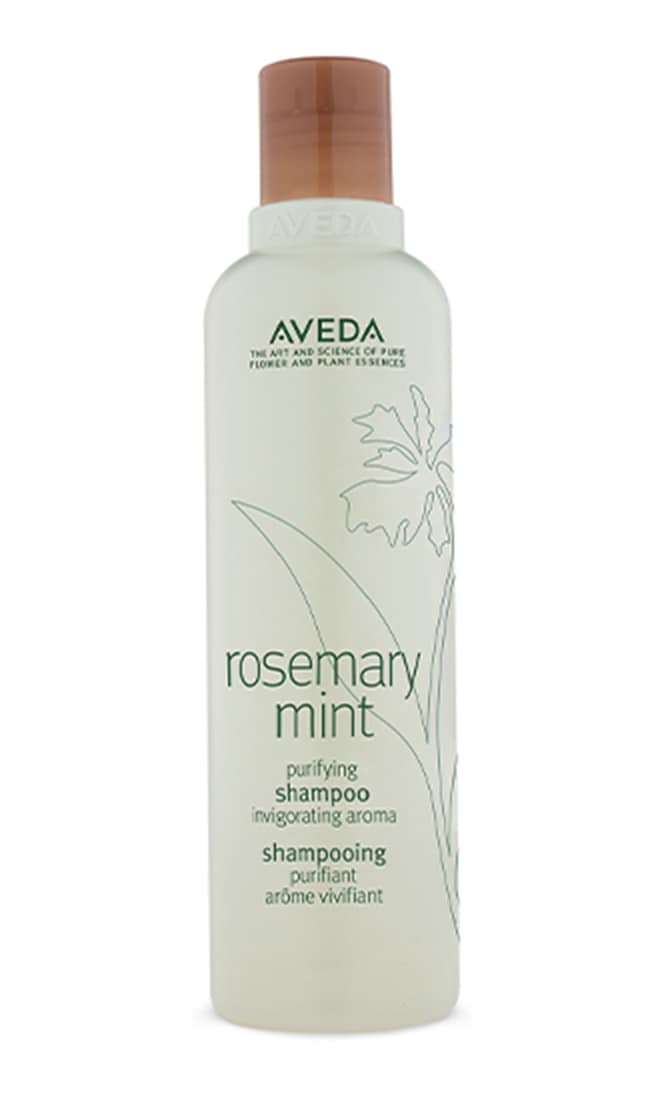
rosemary mint
Rosemary Mint Purifying Shampoo
Purchases made through these links support Lee Graves Salon through Aveda's A-Commerce program. Prices shown were checked on 2026-08-20; the current price always appears at aveda.com.
Common questions
How often should men wash their hair?
Every other day works for most men. Short hair sits close to the scalp, so oil travels the length of the strand fast, but daily shampooing strips oil faster than your scalp replaces it, and it responds by producing more. If you train hard or work outside in Texas heat, rinse thoroughly with water on the off days and shampoo every day only if your scalp genuinely needs it.
What's the difference between pomade and clay?
Finish and feel. Clay dries matte, adds texture and thickness, and looks like you're not wearing product, making it the best pick for most short styles and anywhere hair is thinning. Pomade has more slip and a low-to-medium sheen, better for combed, defined styles like side parts and slick backs. Both are usually medium hold and rework through the day, unlike gel, which sets hard once it dries.
Do I really need conditioner on short hair?
Yes, but you're conditioning your scalp as much as your hair. Shampoo lifts oil and buildup; conditioner puts moisture back so your scalp doesn't get tight, flaky, and itchy and your hair doesn't feel like straw. On short hair it takes fifteen seconds and a dime-sized amount. Skipping it is the single most common reason men's scalps get dry and irritated.
Can a salon cut men's hair as well as a barbershop?
It depends on the person holding the shears, not the sign on the door. Our stylists do clipper fades, scissor work, and everything between, and a salon appointment adds a real consultation, a shampoo, and time to actually dial in the cut. Barbershops are great at what they do, but if you've never had a cut that starts with a conversation about your hair, it's worth trying once.
How much styling product should I use?
Less than you think. Start with a dime-sized amount for clay or cream, and a little less for pomade. Rub it fully into your palms and fingers until it disappears, then work it through mostly-dry hair back to front. You can always add a second small amount; you can't easily take product out. If your hair looks greasy or feels heavy by noon, you used too much.
From our blog
- Hair Salon vs. Barber Shop: What's the Real Difference?
What Texas law actually says about barbers and stylists, when a barber shop is the better call, and what a men's cut includes and costs at a Plano salon.
Want this dialed in for your hair specifically?
Book with us in Plano at (972) 378-0091 and leave with a routine that fits your hair, your schedule and your budget.