Hair Porosity: How to Tell Yours and What to Use
What hair porosity actually is, why the float test misleads, better ways to tell if yours is low or high, and how to match products and technique.
Reviewed by our stylists · updated 2026-08-21
Hair porosity is how easily your hair absorbs water and how well it holds on to it. It's set by one thing: how tightly the cuticle, the shingle-like outer layer of each strand, lies down. Flat, tight shingles mean low porosity; lifted, gappy shingles mean high porosity. Once you know where your hair falls, a lot of product mysteries solve themselves: why your friend's holy-grail masque does nothing for you, why oil either vanishes into your hair or sits on it, why your air-dry takes forty minutes or four hours.
The Cuticle Is the Whole Story
Every strand of hair is wrapped in overlapping cuticle scales, like shingles on a roof. Water and conditioning ingredients have to get past those shingles to do anything, and they escape the same way.
Where your shingles sit is partly genetics, the porosity you were born with, and partly history. Curly and coily hair tends to run more porous naturally, because the cuticle lifts a little at every bend in the strand. Then life piles on: lightener, color, hot tools, sun, and rough brushing all chip and raise the cuticle over time. That's why your ends are almost always more porous than your roots. Porosity isn't one number for your whole head; it's a gradient from new growth to oldest inch.
Skip the Float Test and Use These Tells Instead
The internet's favorite check is dropping a strand in a glass of water: floats means low porosity, sinks means high. Honestly? We don't use it at the chair. Leftover styling product and natural oils change whether hair floats, water's surface tension props strands up, and a freshly shampooed strand often sinks regardless. It's a coin flip dressed up as science.
These tells are far more reliable, and you already have the data:
- Air-dry time. Hours to dry usually means low porosity, because water got in and the cuticle won't let it leave. Drying fast (and feeling dry again just as fast) points to high porosity.
- Absorb or sit? If leave-ins and oils disappear into your hair, it's porous. If they sit on top and leave it coated or greasy, your cuticle is tight.
- Shower saturation. High-porosity hair is soaked the second it hits water. Low-porosity hair takes a real minute to wet through, and water beads and rolls off at first.
- Your color history. Hair that grabs color fast and fades fast is porous. Hair that makes your colorist work for every level of lift is usually low porosity.
Two or three of these pointing the same direction beats any glass of water.
Low, Normal, High: What Each Feels Like
| Low porosity | Normal porosity | High porosity | |
|---|---|---|---|
| Getting wet | Slow to saturate; water beads | Wets easily | Soaks instantly |
| Air-dry time | Very long | Average | Fast, then feels dry |
| Products | Sit on top, build up | Absorb predictably | Drink in, need reapplying |
| Color services | Resists lift and deposit | Behaves as expected | Grabs fast, fades fast |
| Feel | Smooth but easily weighed down | Soft, elastic | Rough ends, tangles, frizz |
Normal (medium) porosity is the easy one: the cuticle opens enough to accept moisture and closes enough to keep it. If that's you, maintain it rather than fixing it.
Matching Products and Technique to Your Porosity
Low porosity: go lighter, add warmth
Heavy butters and thick creams are the wrong tools here, because they can't get past a tight cuticle, so they stack up on the surface and leave hair limp and coated. Choose fluid, lightweight formulas and apply them to very wet hair, which carries ingredients in. Something like nutriplenish conditioner light moisture feeds hair without the residue heavier conditioners leave behind.
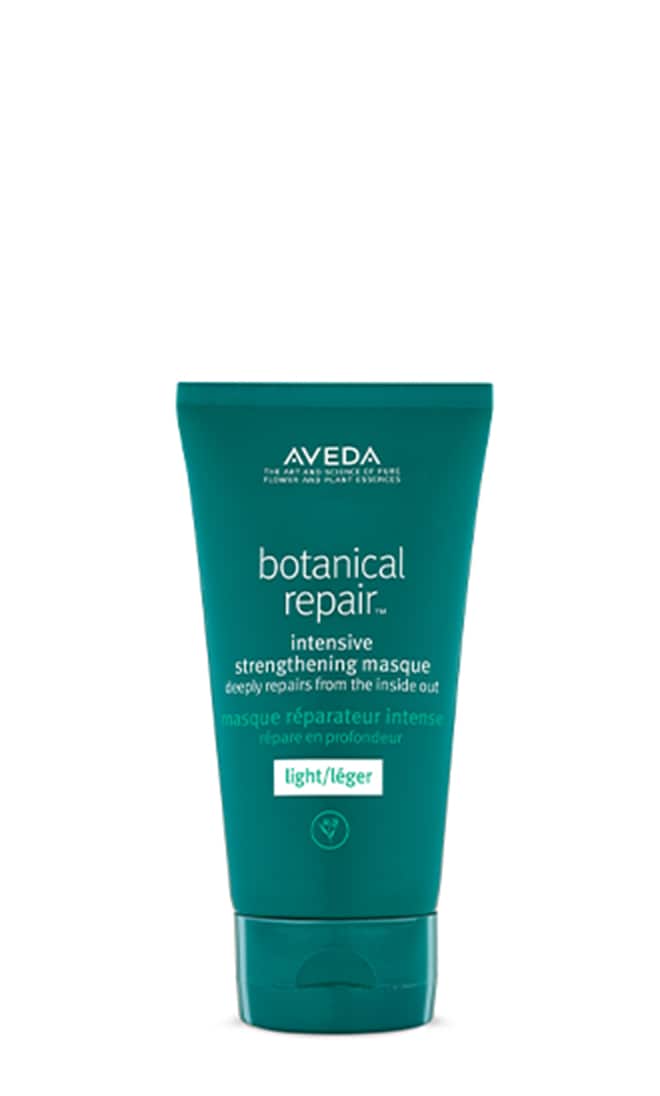
The single best low-porosity trick is gentle heat with your weekly masque. Warmth coaxes the cuticle open so the treatment actually penetrates instead of rinsing straight off. Apply a masque such as botanical repair intensive strengthening masque light to clean, damp hair, cover with a shower cap, and sit with a warm towel, or just let shower steam work, for ten minutes before rinsing cool. Also: clarify occasionally. Low-porosity hair collects buildup faster than any other type.
Normal porosity: protect what works
Keep the routine boring in the best way, with gentle washing, a weekly masque, and heat protectant every time you pick up a hot tool. Your job is preventing the damage that would push you into the high-porosity column.
High porosity: put moisture in, then seal the door
Porous hair takes moisture in beautifully; its problem is keeping it. Every wash needs a rich conditioner, and every wash day needs a leave-in on damp hair, because that layer is what slows evaporation between washes. A bond-building option like botanical repair strengthening leave in treatment pulls double duty, reinforcing the strand while it conditions.
Then seal. A few drops of an oil smoothed over mid-lengths and ends acts like a topcoat over your leave-in, holding water in and lying the cuticle down. Nutriplenish multi-use hair oil works on damp or dry hair. Rinse cool at the end of every shower for the same reason. This matters double in a Plano August, when triple-digit air pulls water out of porous hair all day, and our guide to Texas summer hair care covers the seasonal layer.
If you color, know that porous hair grabs toner fast and fades fast, which changes how your colorist formulates. It's worth a read through our color-treated hair care routine if that's you.
Porosity vs. Damage: Related, Not the Same
Here's the distinction that saves people money. Porosity you were born with is just a trait, and naturally porous curls need moisture and sealing, not repair. Porosity that was made by bleach, box color, flat irons, or sun comes with broken bonds inside the strand, and no amount of sealing fixes that layer. That hair needs strengthening and bond-building on top of moisture, and an in-salon conditioning and bonding treatment gets there faster than anything at home.
The quick check: naturally porous hair still stretches and bounces back when wet. Damaged hair stretches like gum or snaps. If you're seeing the second, start with our dry and damaged hair guide, because porosity care alone won't close the gap.
Mistakes That Keep You Guessing
- Trusting one float test. You'll buy for a porosity you don't have.
- Shopping by hair type instead of porosity. Two people with identical curls can need opposite products.
- Heavy butters on low-porosity hair. They coat, they don't condition. Lighter formula, more heat.
- Conditioner with no seal on high-porosity hair. Skipping the leave-in and oil means the moisture you just added is gone by lunch.
- Hot final rinses. Hot water lifts the cuticle right after you spent ten minutes convincing it to lie down.
- Treating porosity as one fixed label. Your ends are more porous than your roots, so use richer products low, lighter products high, and re-assess after any color service.
Still not sure which column you're in? Porosity takes a stylist about ten seconds to read at the shampoo bowl, so ask at your next visit and we'll build the routine around what your hair actually does.
What we recommend from Aveda
botanical repair™
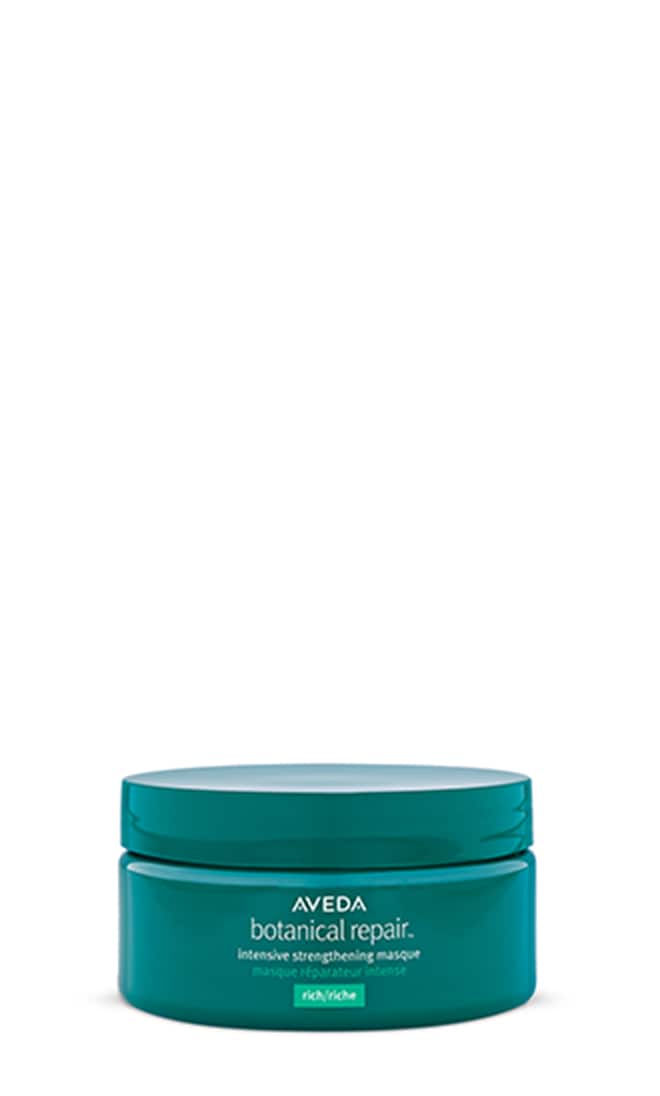
Botanical Repair Intensive Strengthening Masque Rich
botanical repair™
Botanical Repair Intensive Strengthening Masque Light
botanical repair™
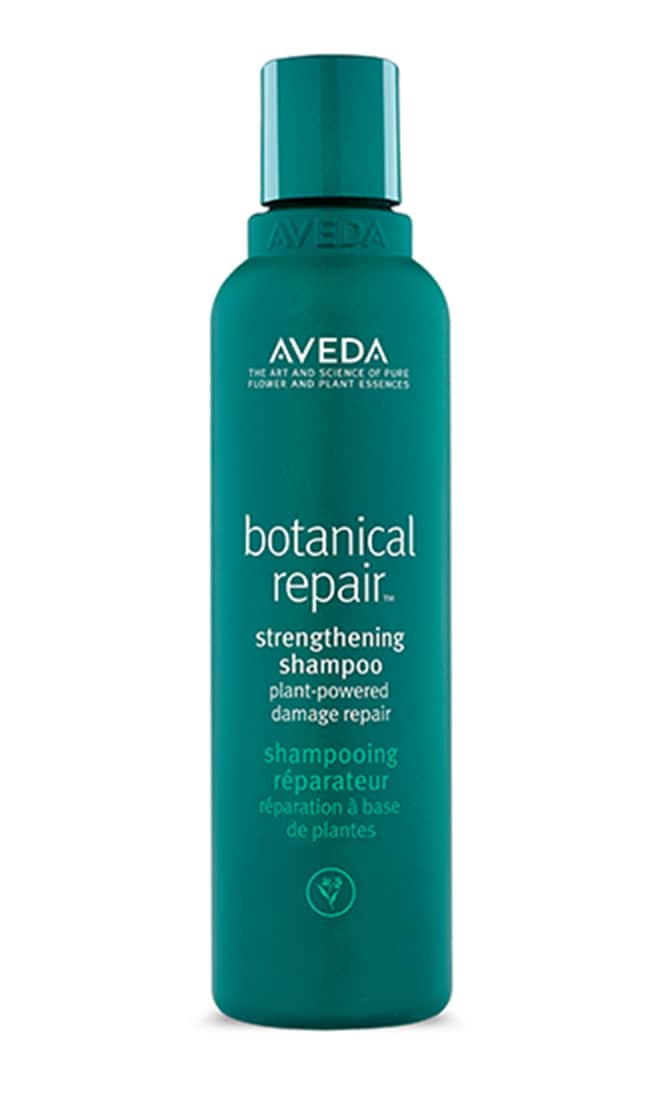
Botanical Repair Strengthening Shampoo
botanical repair™
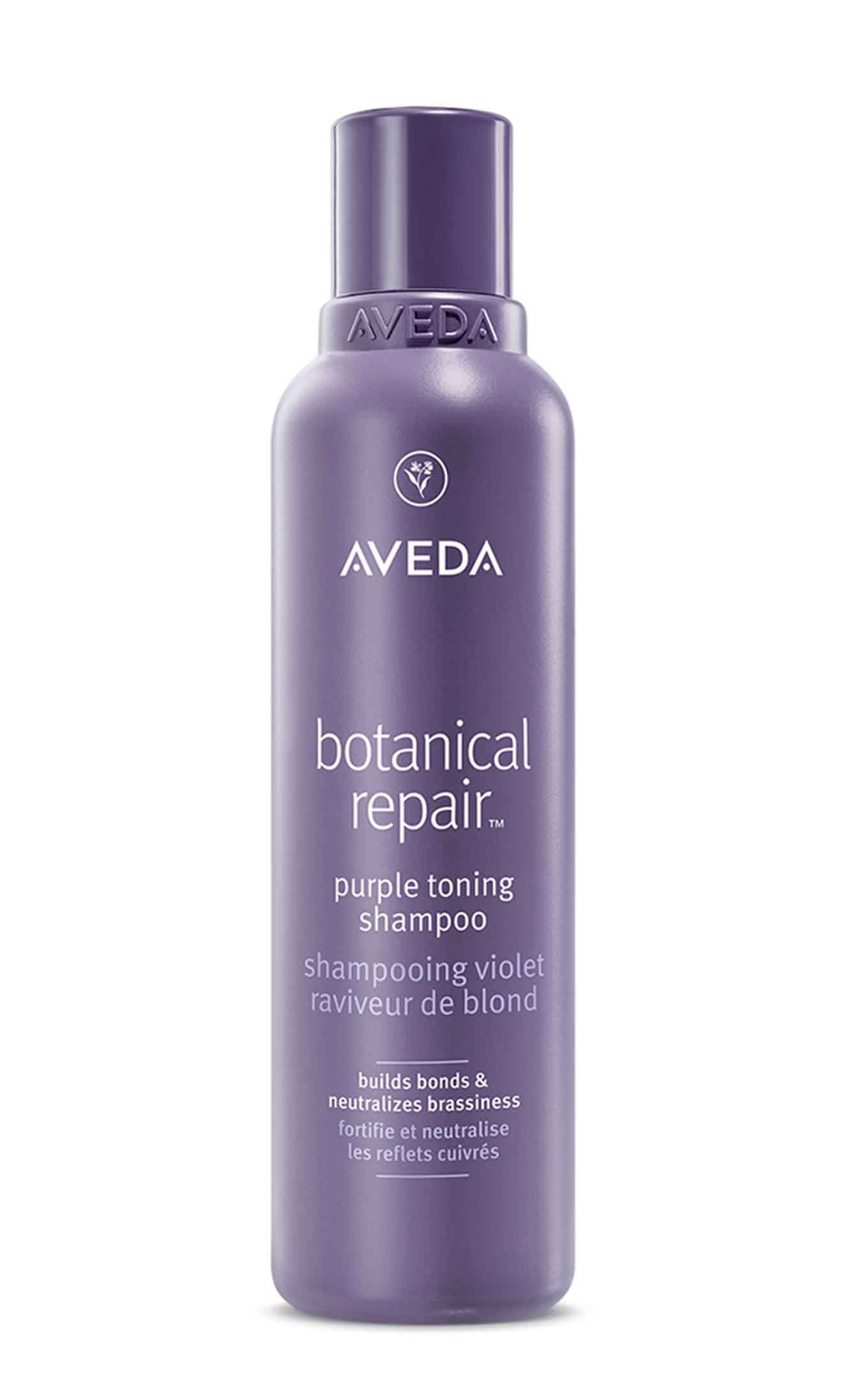
Botanical Repair Purple Toning Shampoo
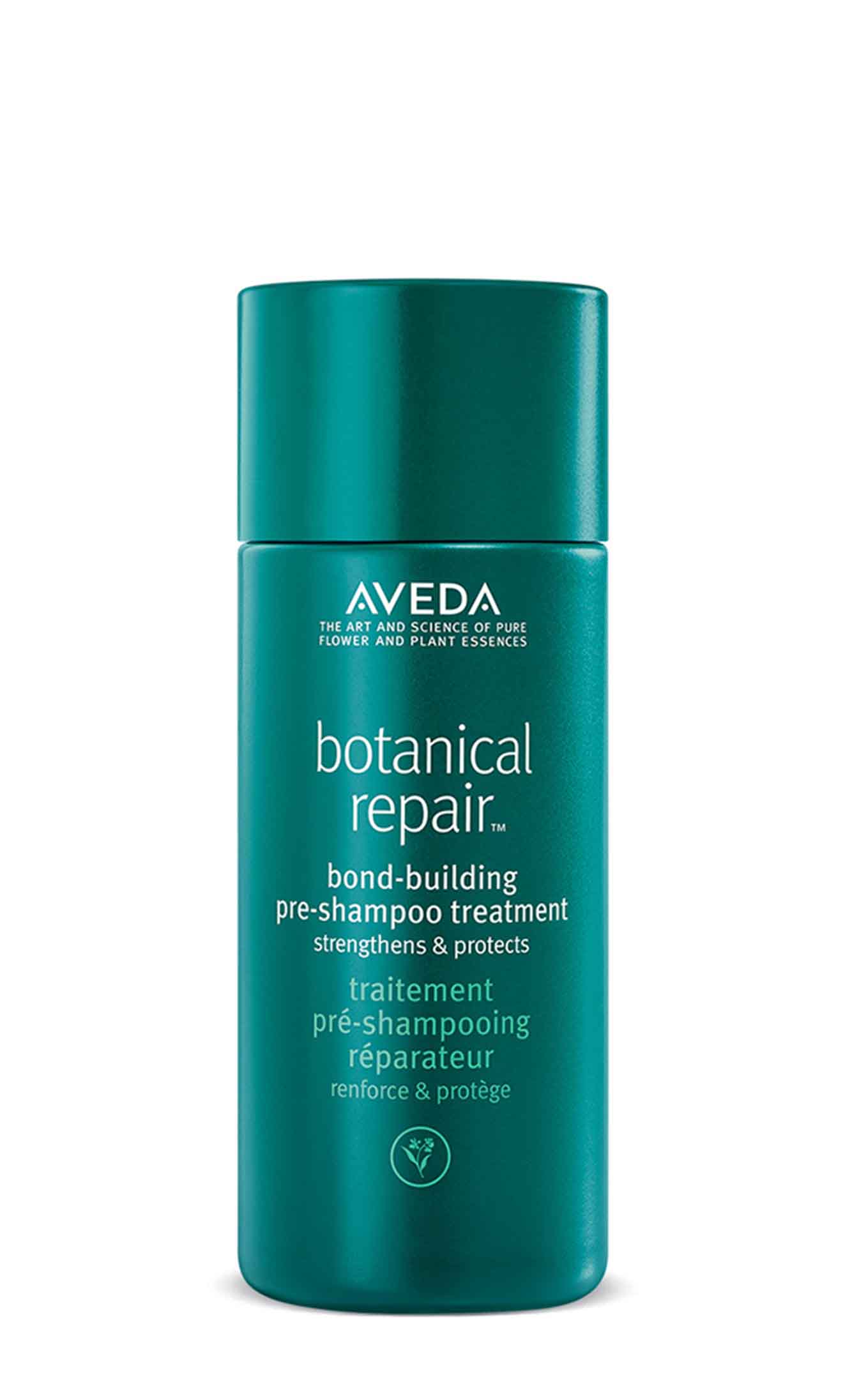
botanical repair™
Botanical Repair Bond Building Pre Shampoo Treatment
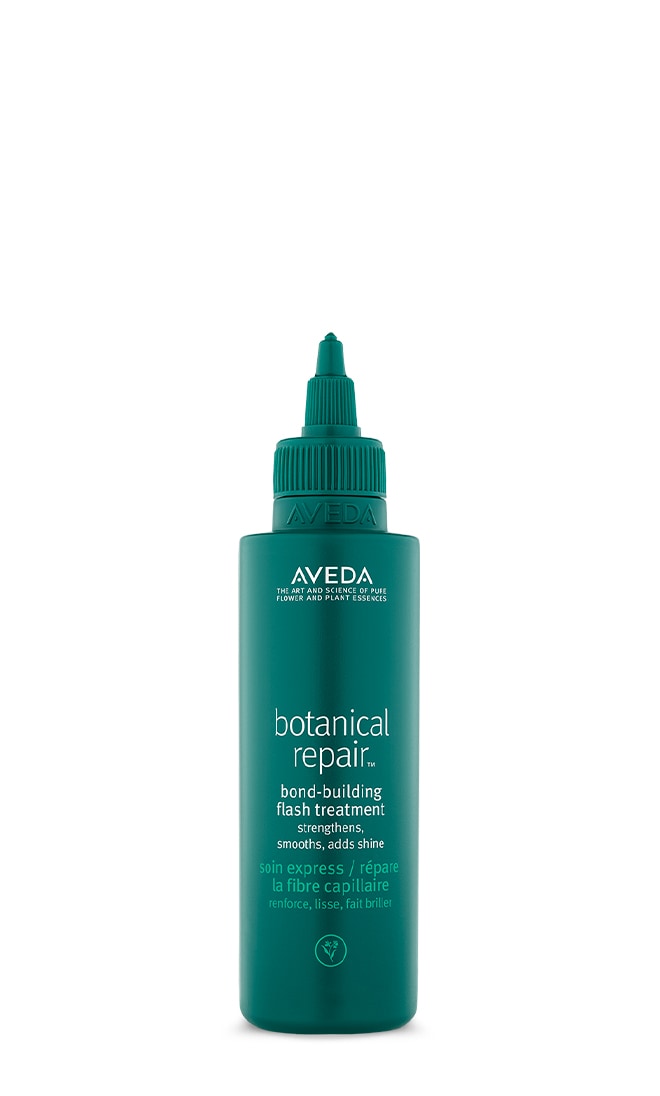
botanical repair™
Botanical Repair Bond Building Flash Treatment
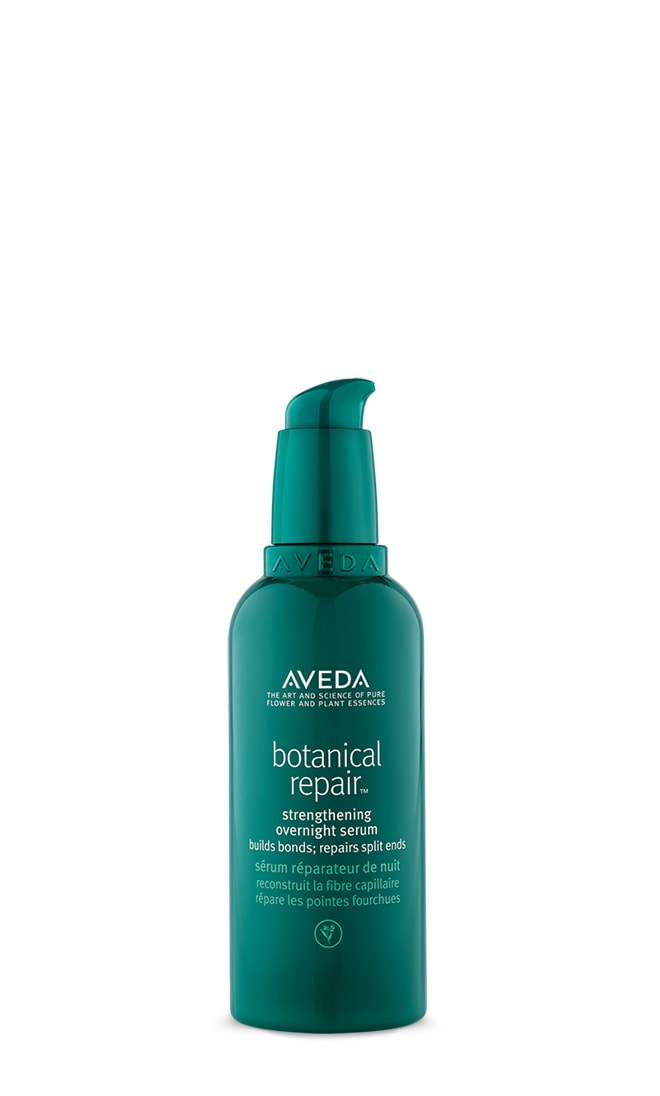
botanical repair™
Botanical Repair Strengthening Overnight Serum
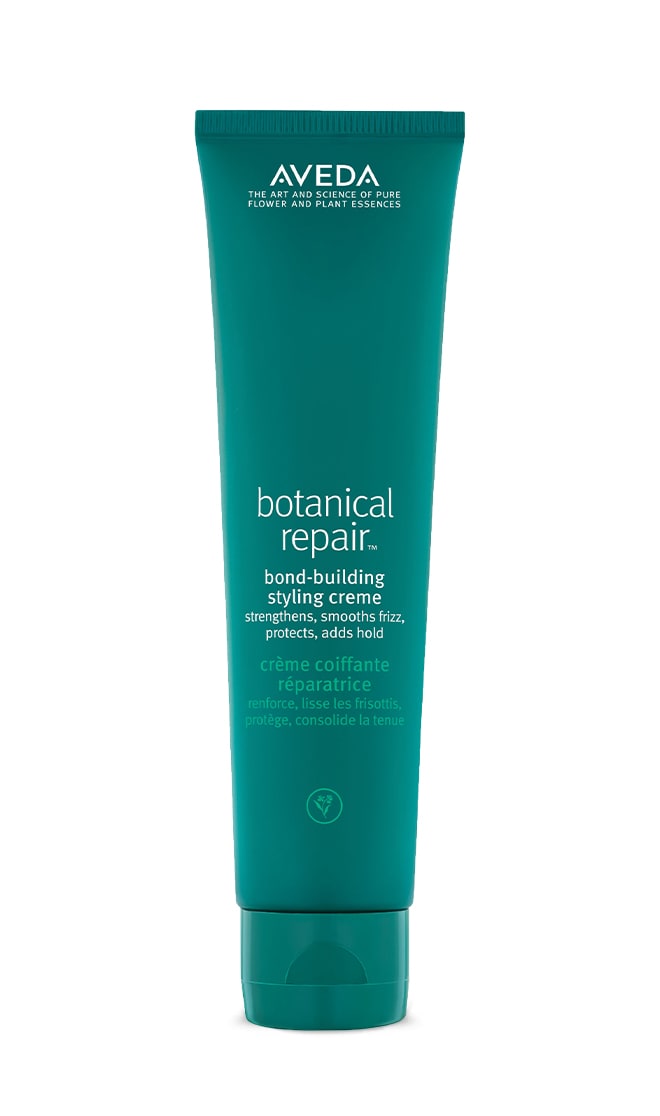
botanical repair™
Botanical Repair Bond Building Styling Creme
Purchases made through these links support Lee Graves Salon through Aveda's A-Commerce program. Prices shown were checked on 2026-08-20; the current price always appears at aveda.com.
Common questions
Is the hair float test accurate?
Not very. The float test says hair that sinks is high porosity and hair that floats is low, but product residue, natural oils, and water's surface tension all skew the result, and a squeaky-clean strand often sinks no matter what its porosity is. Better tells: how long your hair takes to air-dry, whether products absorb or sit on top, and how fast your hair saturates in the shower.
Can you change your hair's porosity?
You can manage it, not permanently change it. Your baseline porosity is genetic, and raised porosity from bleach or heat is structural, and a lifted cuticle doesn't grow back down. Cool rinses, leave-ins, and acidic finishing products help the cuticle lie flatter for a while, and bond builders reinforce the structure underneath. The only true reset for high-porosity lengths is healthy new growth plus gradual trims.
Why does my hair take hours to air-dry?
Slow drying is the classic low-porosity tell. A tight, flat cuticle is reluctant to let water in, and once water is in, it's just as slow letting it back out. It's also why products seem to sit on low-porosity hair instead of sinking in. Reach for lightweight formulas, apply conditioner to soaking-wet hair, and add gentle heat when you mask so it can actually penetrate.
Is high porosity the same as damaged hair?
No, but they overlap. Plenty of hair, especially curly and coily textures, is naturally higher porosity with zero damage. Bleach, color, heat, and sun raise porosity further by chipping and lifting the cuticle, so severely porous hair usually does have damage behind it. The moisture care is similar either way: richer conditioning, then sealing. If your hair also snaps or feels gummy wet, treat the damage too.
Do I really need porosity-specific products?
The label matters less than the weight of the formula and how you apply it. Low-porosity hair does best with lightweight, fluid products and a little heat to help them absorb; high-porosity hair needs richer creams, leave-ins, and oils to seal water in. Plenty of great products aren't marketed by porosity at all and still fit perfectly, and your stylist can match them to your hair in one visit.
Want this dialed in for your hair specifically?
Book with us in Plano at (972) 378-0091 and leave with a routine that fits your hair, your schedule and your budget.