Curly and Wavy Hair Care: Pattern, Porosity, and Routine
Curly and wavy hair care from our Plano stylists: why porosity matters as much as curl pattern, plus squish-to-condish, plopping, diffusing, and refreshing.
Reviewed by our stylists · updated 2026-08-21
Caring for curls and waves comes down to two habits: get plenty of moisture in while your hair is soaking wet, then keep your hands off it until it's completely dry. Almost everything else, including how much product, which techniques, and how often you wash, depends less on your curl type than on your hair's porosity. Get those two variables right and the routine gets simple fast.
Curl Pattern vs. Porosity: The Variable That Actually Matters
Most curl advice starts with pattern, the 2A-through-4C chart that describes how tightly your hair bends, from loose waves to tight coils. Pattern is useful for cutting and styling decisions, but it tells you almost nothing about which products your hair needs or why yesterday's routine suddenly stopped working.
Porosity does. Porosity describes the condition of your cuticle, the shingle-like outer layer of each strand, and how easily water and product get in and stay in.
- Low porosity hair has a tight, flat cuticle. Water beads up before it soaks in, products tend to sit on the surface, and heavy creams leave it coated and limp. It wants lightweight layers, applied to very wet hair, and it benefits from the warmth of a shower or a heated conditioning treatment to help product absorb.
- High porosity hair has a lifted or worn cuticle, often from color, heat styling, or just years of sun. It drinks water instantly and loses it just as fast, which reads as frizz, dryness, and curls that fall apart by afternoon. It wants richer conditioners and a styler that seals moisture in.
Two clients can share the exact same wave pattern and need completely different routines because their porosity differs. And porosity changes: if you lighten or color your hair, it climbs, which is why colored curls need extra care, and our color-treated hair care routine pairs well with everything below.
One more piece of plain science: curly hair is naturally drier than straight hair. The oils your scalp produces have to travel down a spiral staircase instead of a straight pole, so they rarely reach the ends. That's why moisture is the center of every curl routine, whatever your porosity.
The Wash-Day Routine
Squish to condish
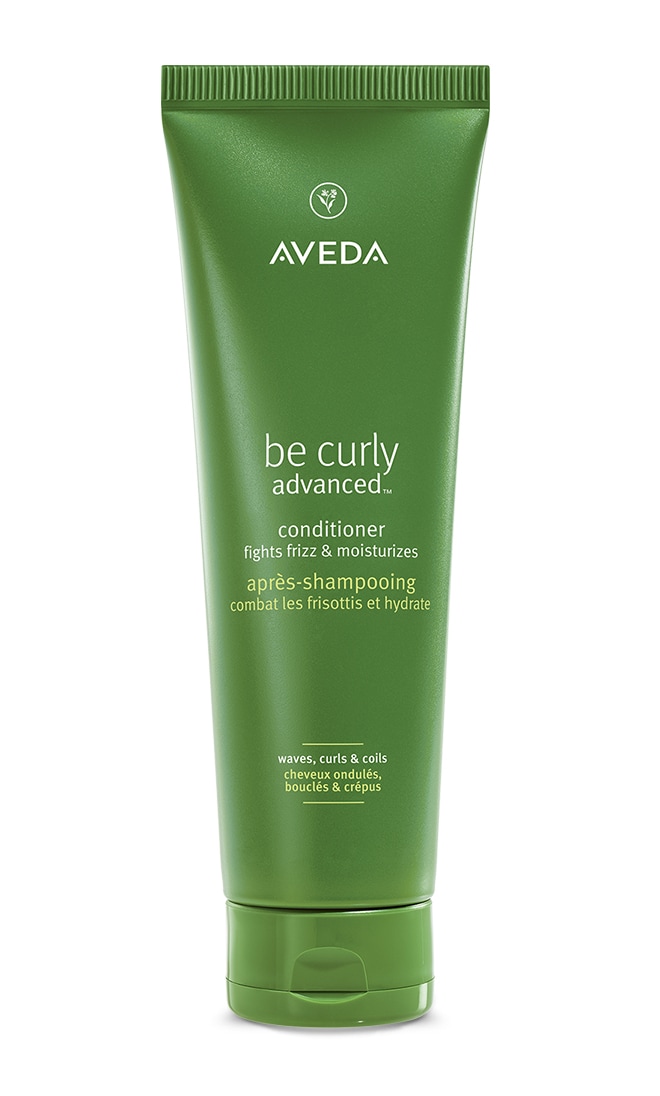
After shampooing (your scalp only, since the suds rinsing through are enough for your lengths), apply a curl-specific conditioner like be curly advanced conditioner generously from the ears down. Then, with your hair dripping wet, cup handfuls of hair and squish upward toward your scalp, repeatedly, like you're scrunching a sponge. You'll hear a squelching sound, which is water and conditioner being pressed into the strand together. Rinse lightly or leave a little in. This one habit hydrates curls better than any expensive mask used on its own.
Style soaking wet
Apply your leave-in and styler, whether that's a curl cream like be curly advanced curl enhancer cream, a gel, or a mousse, whatever your porosity calls for, while hair is dripping wet, before frizz has a chance to form. Rake product through with your fingers, then scrunch upward to encourage clumps. Water is the delivery system; product applied to damp or half-dry hair grabs unevenly and frizzes.
Plopping
Lay a cotton T-shirt or microfiber towel flat, flip your head forward so your curls stack onto it, and wrap the fabric around your head. Leave it 10–20 minutes. This "plop" soaks up excess water without the rough friction of a terry towel, which ruffles the cuticle and creates frizz, and sets your curl clumps in an accordion shape instead of pulling them straight with gravity.
Diffuse, or walk away
Air-drying works fine if you can truly leave your hair alone. If you want more volume and faster drying, use a diffuser: hover it around sections without touching them, or cup curls gently into the bowl, on low airflow and low-to-medium heat. The diffuser's job is to slow and spread the air so your clumps dry undisturbed. High heat pointed at loose hair is just a blow dryer, and it will frizz everything you built.
The cast and the scrunch-out
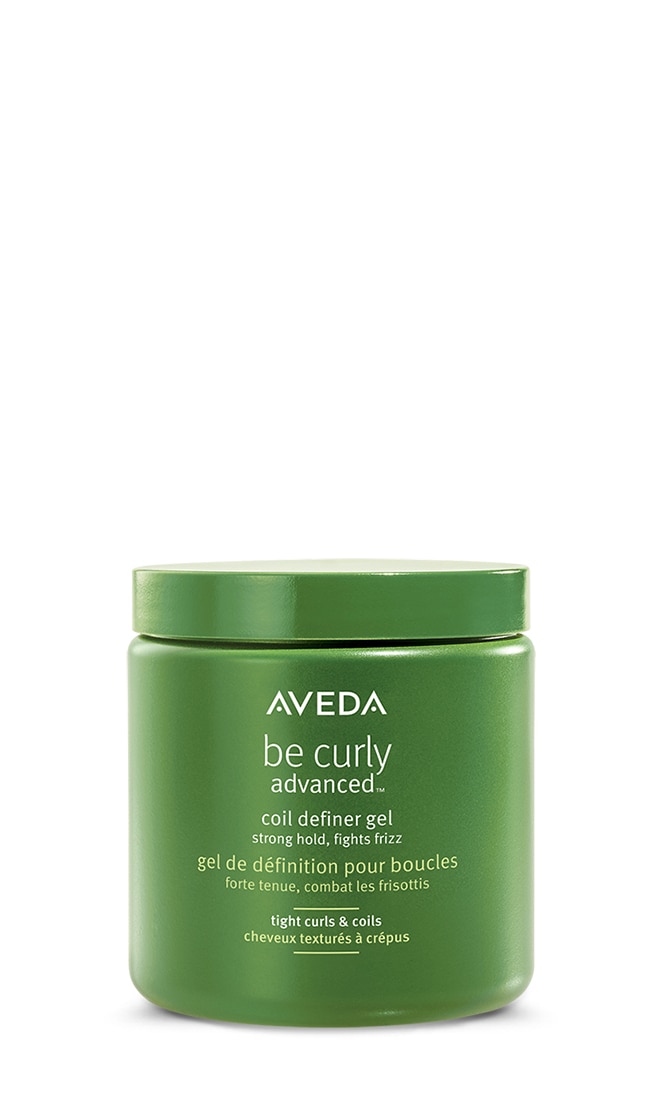
If you used mousse or a defining gel like be curly advanced coil definer gel, your hair will dry with a crunchy shell called a cast. Don't panic and don't touch it early, because the cast is armor that holds curl clumps together while they dry. Once hair is 100 percent dry, scrunch gently upward with dry hands or a drop of lightweight oil. The cast shatters, the crunch disappears, and you're left with soft, defined, frizz-resistant curls. Breaking the cast while hair is still damp is the number-one way good wash days go bad.
Refreshing Between Washes
You don't need to restart from zero every morning. Mist hair with plain water, or water with a little leave-in such as be curly advanced curl perfecting primer mixed in, until damp, then scrunch to reactivate the styler already in your hair. Smooth sleep-flattened roots with wet palms. Sleeping on a silk or satin pillowcase, or in a loose pineapple (a high, floppy ponytail), keeps day-one definition around longer.
Plano's humidity deserves a mention here, because August in North Texas will find any under-moisturized strand and puff it. Counterintuitively, the fix for humidity frizz is more moisture, not less: well-hydrated, well-sealed hair has no reason to pull water from the air. Our Texas summer hair care guide digs into the seasonal side, and if frizz is your main battle year-round, the frizz and smoothing guide goes deeper.
The Cut Is Half the Routine
No product fixes a cut that fights your curl. Curls shrink, sometimes several inches from wet to dry, so a cut that ignores shrinkage ends up shorter than you asked for. And curls carry weight differently: without well-placed layers, curly hair collapses on top and bulks at the bottom into the dreaded triangle. Thoughtful layering removes interior weight so curls can spring, stack, and frame your face.
Many tighter textures do best with dry cutting, where the stylist shapes your hair in its natural curled state and can see exactly where every curl lands. Looser waves often cut beautifully wet. We walk through both approaches, and what to ask before you book, in our guide to finding a curly hair stylist in Plano.
Mistakes to Avoid
- Rough towel-drying. Terry cloth friction is a frizz machine. Blot with cotton or microfiber instead.
- Brushing dry curls. Detangle with fingers or a wide-tooth comb in the shower, with conditioner in. A brush through dry curls separates every clump into frizz.
- Styling damp instead of wet. If frizz appears before product does, you've waited too long.
- Skipping the scrunch-out: or doing it early. Fully dry, then break the cast.
- Daily shampooing. Curls need their moisture; wash the scalp when it needs it, not by habit.
- Choosing products by curl type alone. Porosity picks your products; pattern picks your cut.
If you're not sure whether your hair is low or high porosity, or your waves and curls have never quite behaved no matter what you buy, your stylist can assess your hair in the chair and build a routine around what it actually needs.
What we recommend from Aveda
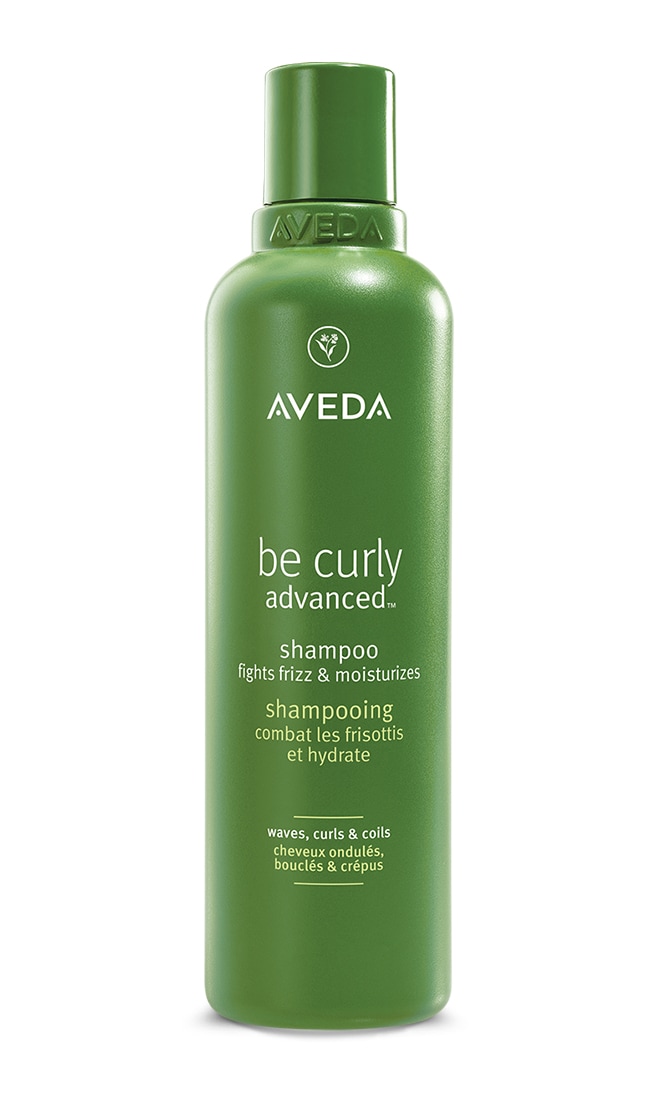
be curly™
Be Curly Advanced Shampoo

be curly™
Be Curly Advanced Co Wash
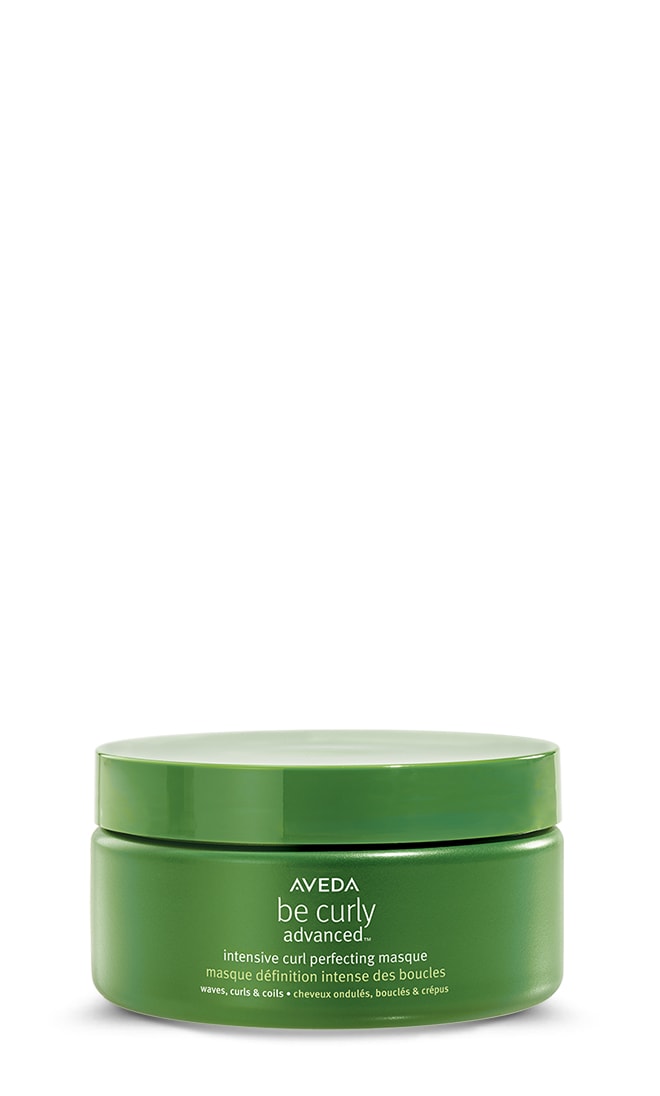
be curly™
Be Curly Advanced Intensive Curl Perfecting Masque
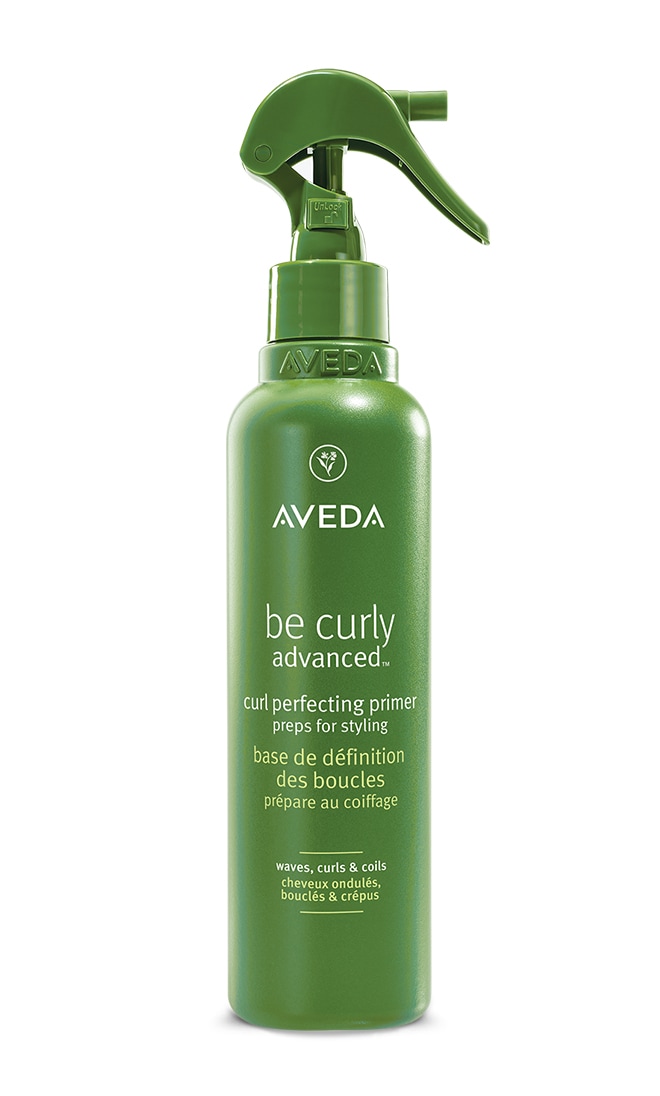
be curly™
Be Curly Advanced Curl Perfecting Primer
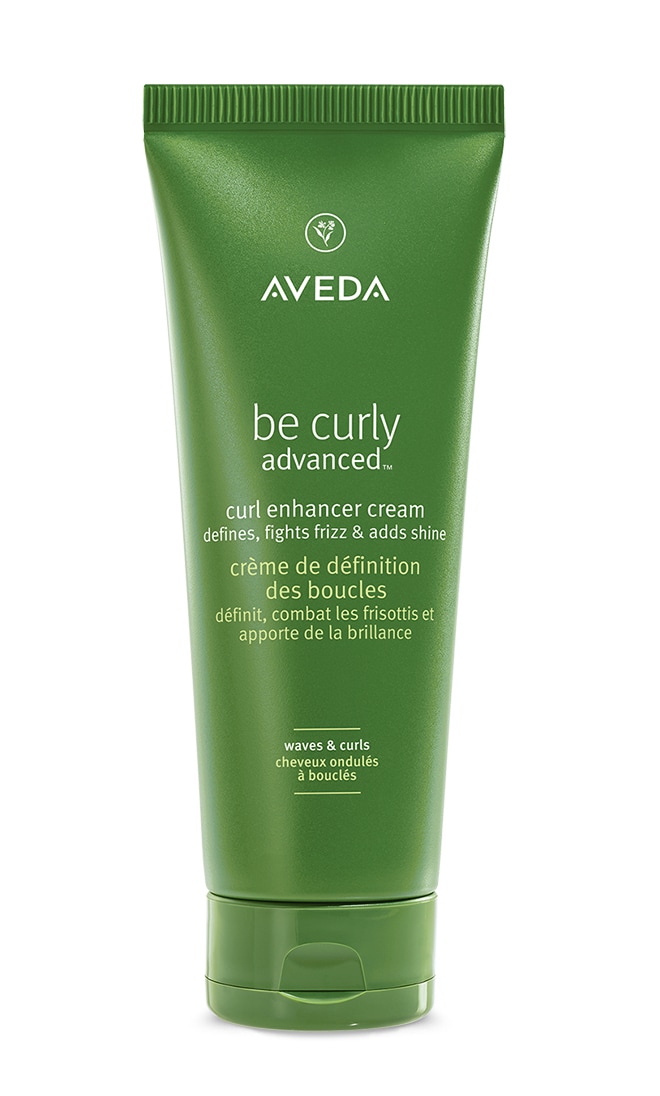
be curly™
Be Curly Advanced Curl Enhancer Cream
be curly™
Be Curly Advanced Coil Definer Gel
be curly™
Be Curly Advanced Conditioner
Purchases made through these links support Lee Graves Salon through Aveda's A-Commerce program. Prices shown were checked on 2026-08-20; the current price always appears at aveda.com.
Common questions
How do I figure out my hair's porosity?
Pay attention in the shower. If your hair takes a long time to feel fully soaked and products tend to sit on top of it, you're likely low porosity. If it drinks up water instantly, dries fast, and always feels thirsty, you're likely high porosity, especially if it's color-treated. Your stylist can confirm by feel in about ten seconds.
How often should I wash curly or wavy hair?
Most curls and waves do well washed one to three times a week. Curly hair runs drier than straight hair because scalp oils can't travel down a coiled strand easily, so daily shampooing usually strips it. Wash when your scalp needs it, condition generously every time, and refresh with water and a little product between wash days.
What is plopping, and do I actually need to do it?
Plopping means wrapping soaking-wet, product-loaded curls in a cotton T-shirt or microfiber towel for 10 to 20 minutes before drying. It absorbs excess water without the friction of towel-rubbing, so curls dry faster and clump better. It's optional, and many wavy clients skip it, but it's one of the easiest ways to cut frizz and drying time.
Why does my hair feel crunchy after it dries?
That crunch is called a gel cast, and it's a good thing, a hard shell that protects curl clumps while they dry. Once hair is completely dry, scrunch it gently upward with your hands or a drop of oil and the cast breaks, leaving soft, defined curls. Crunchy hair only stays crunchy if you skip the scrunch-out or break the cast too early.
Should curly hair be cut wet or dry?
It depends on your pattern. Dry cutting shows the stylist exactly where each curl springs and lands, which makes it the safer choice for tighter textures where shrinkage is dramatic. Wet cutting works well for looser waves that keep a similar shape wet and dry. What matters most is a stylist who accounts for shrinkage and curl behavior either way.
Can I refresh curls without rewetting my whole head?
Yes. Mist hair with water or a mix of water and a little leave-in conditioner until it's damp but not soaked, then scrunch to reactivate the product already in your hair. Smooth flat spots at the crown with damp palms. If day-two hair is beyond saving, a quick rinse and restyle in the shower takes five minutes without a full shampoo.
From our blog
- Silk Press in Plano: What to Expect and How Long It Lasts
What a silk press is, how it differs from a blowout or a keratin treatment, how long it survives Texas humidity, and what one costs in Plano ($120).
- Curly Hair Salon in Plano, TX: How to Find the Right Stylist for Your Curls
Looking for a curly hair salon in Plano, TX? Here's how to find a stylist who understands curl patterns, dry cutting, frizz, and Texas humidity, plus what to ask before you book.
Want this dialed in for your hair specifically?
Book with us in Plano at (972) 378-0091 and leave with a routine that fits your hair, your schedule and your budget.