Split Ends: Why They Happen and How to Actually Prevent Them
Why ends split, why no product can truly repair one, and the prevention routine our Plano stylists teach, covering trims, detangling, heat discipline and night care.
Reviewed by our stylists · updated 2026-08-21
Here's the honest version up front: no product repairs a split end. Once a strand splits, the only real fix is cutting above the split, and everything in a bottle is either temporary camouflage or prevention. The good news is that prevention actually works, and it's mostly habits, not spending. Here's why ends split, what products can and can't do, and the routine our stylists give clients who want to keep their length.
Why Ends Split in the First Place
The ends of your hair are the oldest part of it. If your hair is shoulder length, those tips have been with you for two to three years, through roughly a thousand washes, thousands of brush strokes, hundreds of heat passes, plus sun, wind, pillowcases, ponytail holders, and Texas summers.
All of that is mechanical wear. Hair's outer layer, the cuticle, is a stack of overlapping scales that protects the protein core inside. Every wash, brush, and hot-tool pass sands a little of that armor away. At the ends, the part that's taken years of it, the cuticle eventually wears through entirely. With the core exposed, the strand frays apart at the tip like a rope with the whipping worn off. That's a split end.
Chemical services and heat speed the process up, which is why lightened or daily-ironed hair splits sooner. But even hair that's never been colored splits eventually. It's not a sign you did something wrong; it's what happens to the oldest, most-handled part of any strand.
The Part Nobody Selling You a "Split End Repair" Wants to Say
Hair isn't alive. It can't heal, and two halves of a split cannot fuse back together, not with a serum, not with a mask, not with anything.
What products can do is temporarily seal a split: conditioning ingredients coat the frayed halves and hold them together so the end looks smoother, catches the light better, and stops snagging on everything. That's genuinely useful, and a drop of miraculous oil high shine hair concentrate worked through your ends will make them look and feel dramatically better for the day. Just know what you bought: a very good cosmetic patch that washes back open, not a repair.
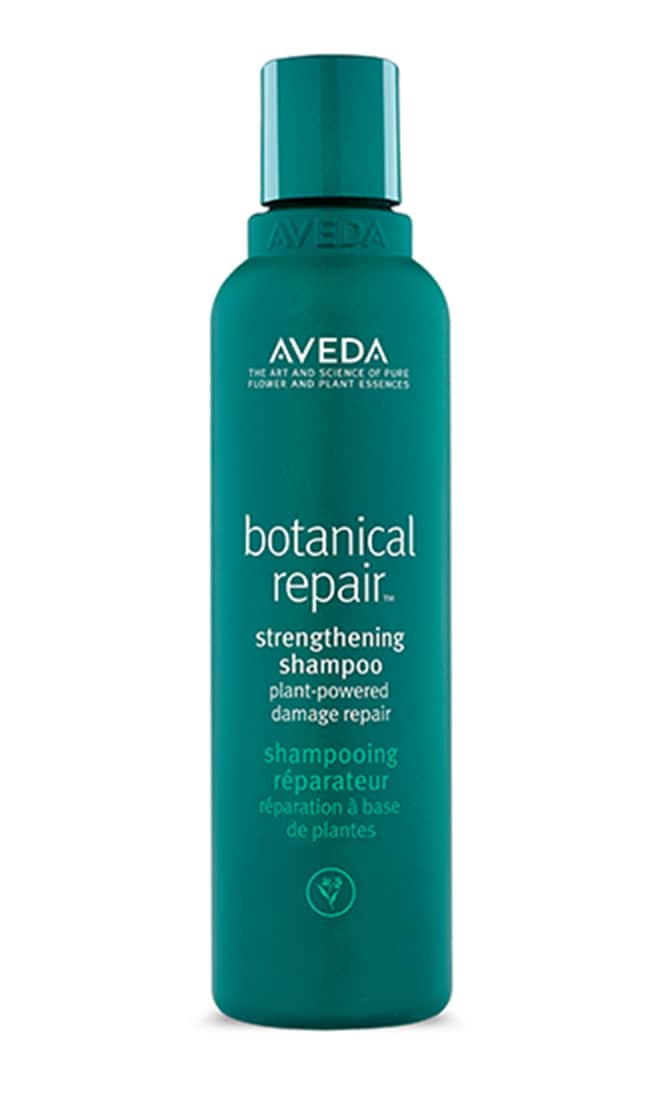
Where products earn their keep is before the split. Bond-building formulas strengthen the internal structure of hair that hasn't split yet, so it withstands more wear before it fails. Swapping your regular wash for a strengthening one like botanical repair strengthening shampoo doesn't fix existing splits. It slows down the creation of new ones, which is the fight you can actually win.
The Prevention Stack
Four habits, in order of impact.
1. Trim on a schedule, not on a crisis
Splits travel. Left alone, a split at the tip migrates up the strand, sometimes inches, until far more has to come off. A quarter-inch trim every eight to twelve weeks removes splits while they're still small. Skipping trims to "save length" is how people end up losing three inches at once. If a big chop is already on the table, our post on repairing damaged hair covers how to rebuild from there.
2. Detangle like you mean to keep the hair
Ripping a brush through knots is the fastest way to fray ends. Start at the tips and work upward, section by section, with a wide-tooth comb or a flexible-bristle brush. Wet hair stretches and snaps more easily, so detangle in the shower with conditioner in, or wait until hair is mostly dry. Slip helps enormously, and combing through a coat of botanical repair strengthening leave in treatment lets knots slide apart instead of tearing, and strengthens the strand while it's there.
3. Heat discipline
Every pass of a hot tool dries out and weakens the very ends you're trying to protect. Three rules: always a heat protectant, the lowest temperature that gets the result, and one clean pass instead of three sloppy ones. Air-dry to 80 percent before you blow-dry, and give your hair genuinely heat-free days, since heatless curls exist for exactly this reason. Our heat styling and protection guide breaks down temperatures by hair type.
4. Protect your ends overnight
Eight hours of grinding against cotton is real wear. Swap to a silk or satin pillowcase, sleep with long hair in a loose braid or a high, soft scrunchie rather than a tight elastic, and let your night work for you: a few pumps of botanical repair strengthening overnight serum through the mid-lengths and ends turns sleep into treatment time.
Dusting vs. Trimming: Which Do You Need?
| Dusting | Trim | |
|---|---|---|
| Amount removed | ⅛–¼ inch | ½ inch or more |
| Best for | Maintenance between trims; growing hair out | Ends that are visibly split, thin, or see-through |
| How often | Every 6–8 weeks if desired | Every 8–12 weeks |
| Visual change | None, so length looks untouched | Slightly shorter, noticeably fuller ends |
If you're growing your hair out, dusting is your best friend: it removes splits before they climb without costing meaningful length. If your ends already look wispy or transparent in the mirror, dusting won't get you back to solid hair, so book the trim.
Your Ends Decide Whether You Hit Your Length Goal
Hair grows about half an inch a month from the scalp, no matter what. Whether that growth shows up as length depends entirely on what's happening at the bottom. If untreated splits are breaking strands off as fast as new hair grows in, you stay stuck at the same length indefinitely, which is why "my hair just won't grow past my shoulders" is almost always an ends problem, not a growth problem.
The math favors small, regular cuts. Four quarter-inch trims a year costs you one inch against roughly six inches of growth, for a net gain of five. Skipping trims until the ends collapse often costs two or three inches in a single appointment. Slower feels faster here. More prevention habits live in our post on preventing split ends.
Mistakes That Manufacture Split Ends
- Towel-scrubbing wet hair. Blot and squeeze with a soft towel or T-shirt instead.
- Brushing from the roots down. You drag every knot to the ends and rip through them there.
- Metal or rubber elastics in the same spot daily. They wear a break point into the strand.
- Flat-ironing damp hair. The sizzle you hear is water boiling inside the strand.
- Picking and peeling splits. Splitting a split by hand tears the strand further up than scissors ever would.
If you're not sure whether your ends need a dusting or a real reset, come sit in the chair. One look and a quick feel of your ends, and we'll build you a trim schedule that protects your length goal instead of fighting it.
What we recommend from Aveda

botanical repair™
Botanical Repair Intensive Strengthening Masque Rich
botanical repair™
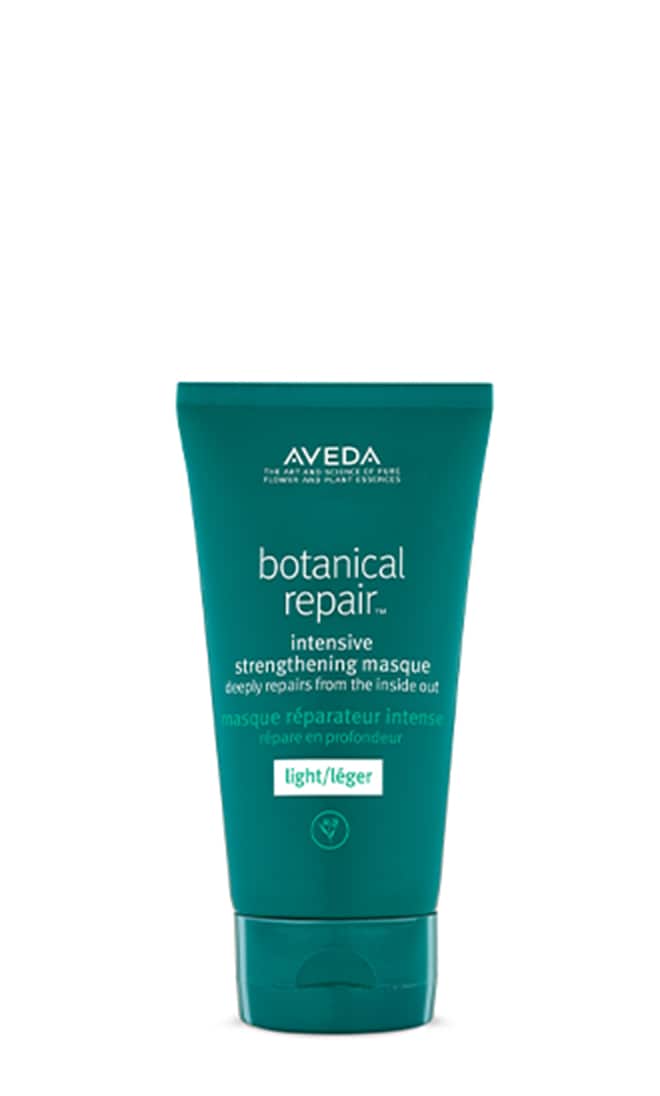
Botanical Repair Intensive Strengthening Masque Light
botanical repair™
Botanical Repair Strengthening Shampoo
botanical repair™
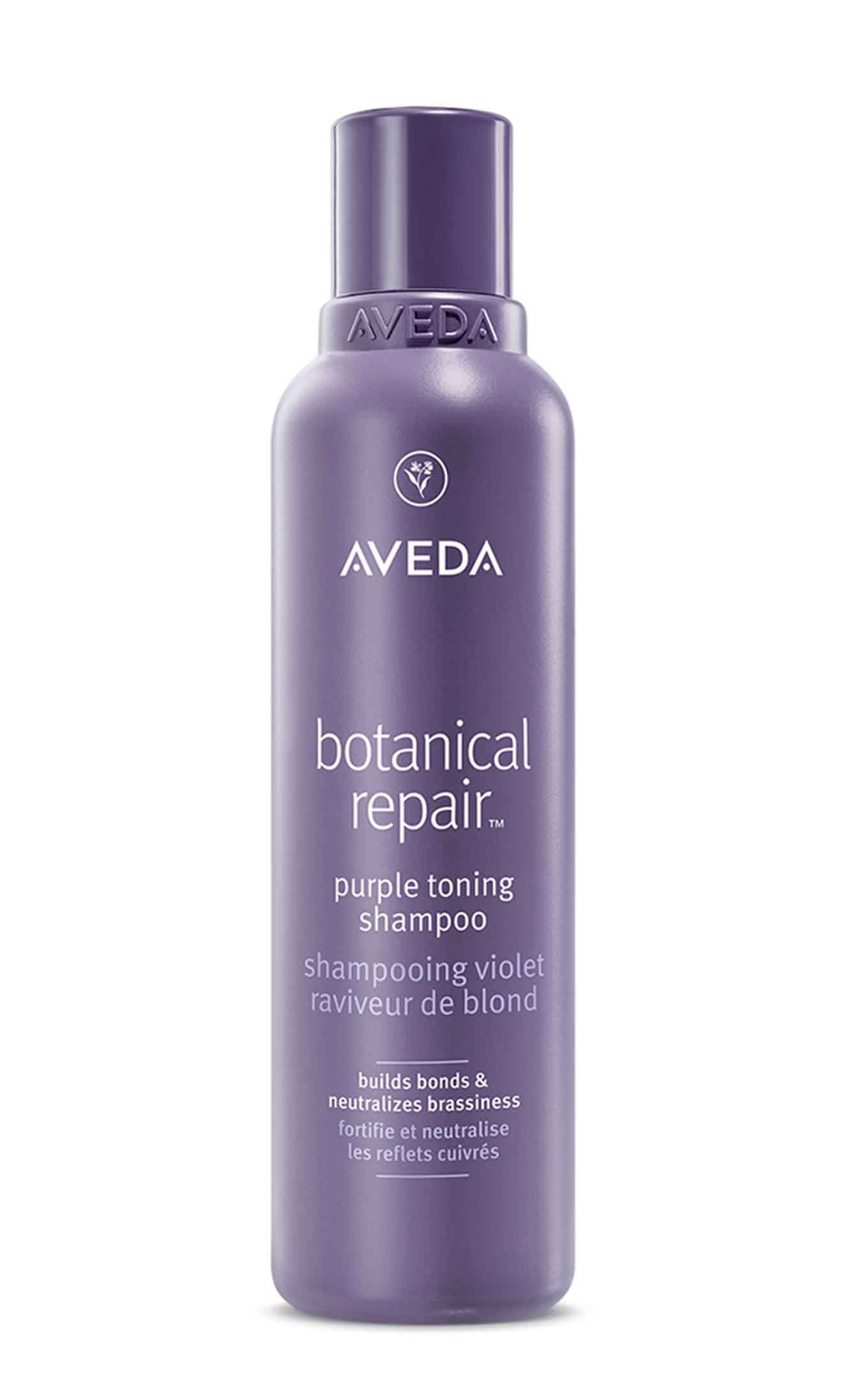
Botanical Repair Purple Toning Shampoo
botanical repair™
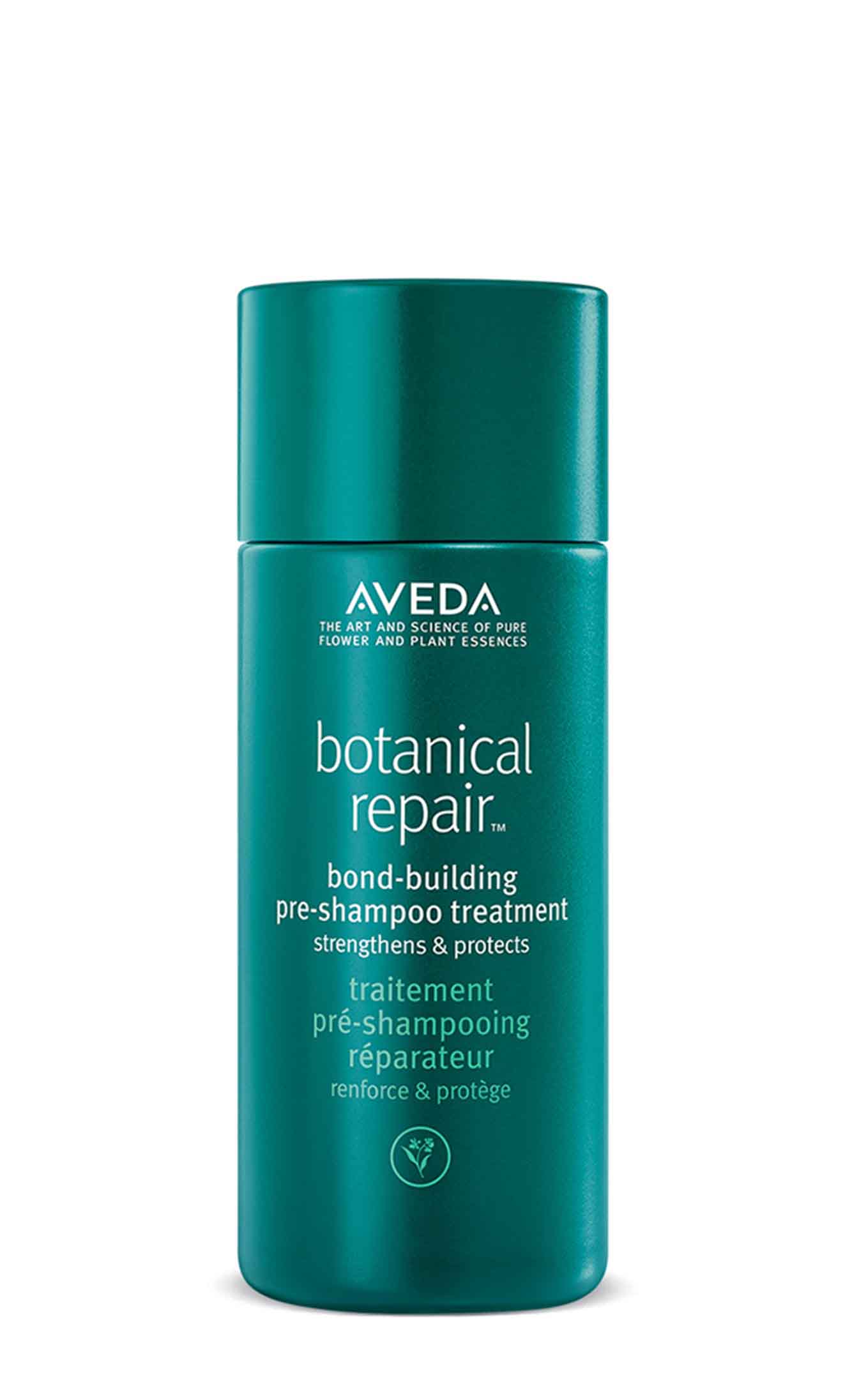
Botanical Repair Bond Building Pre Shampoo Treatment
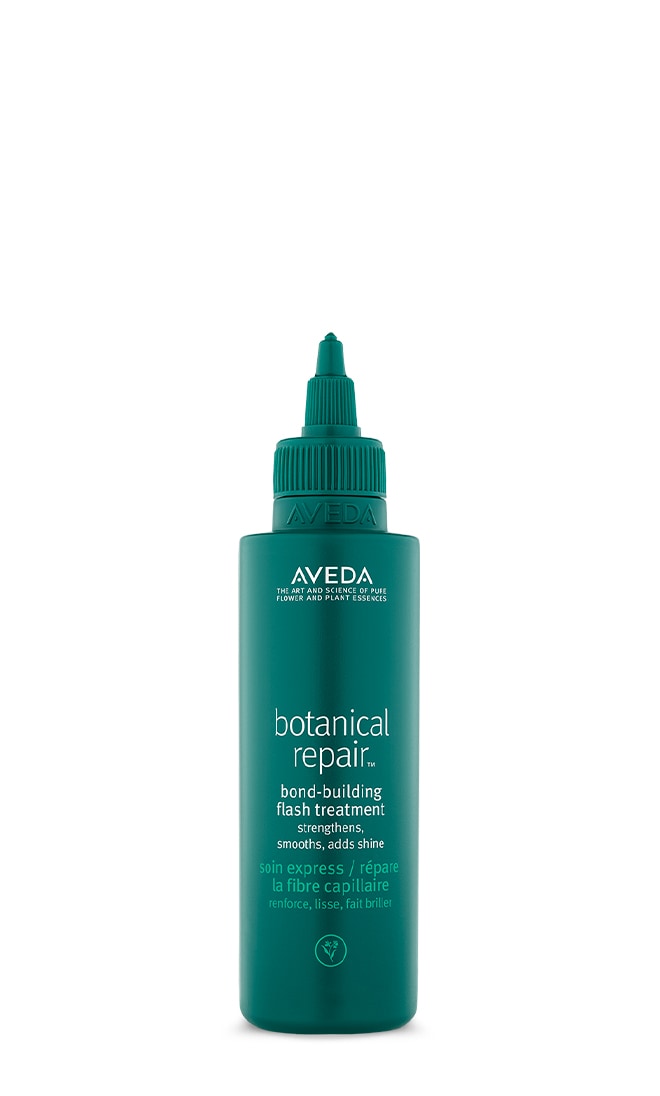
botanical repair™
Botanical Repair Bond Building Flash Treatment
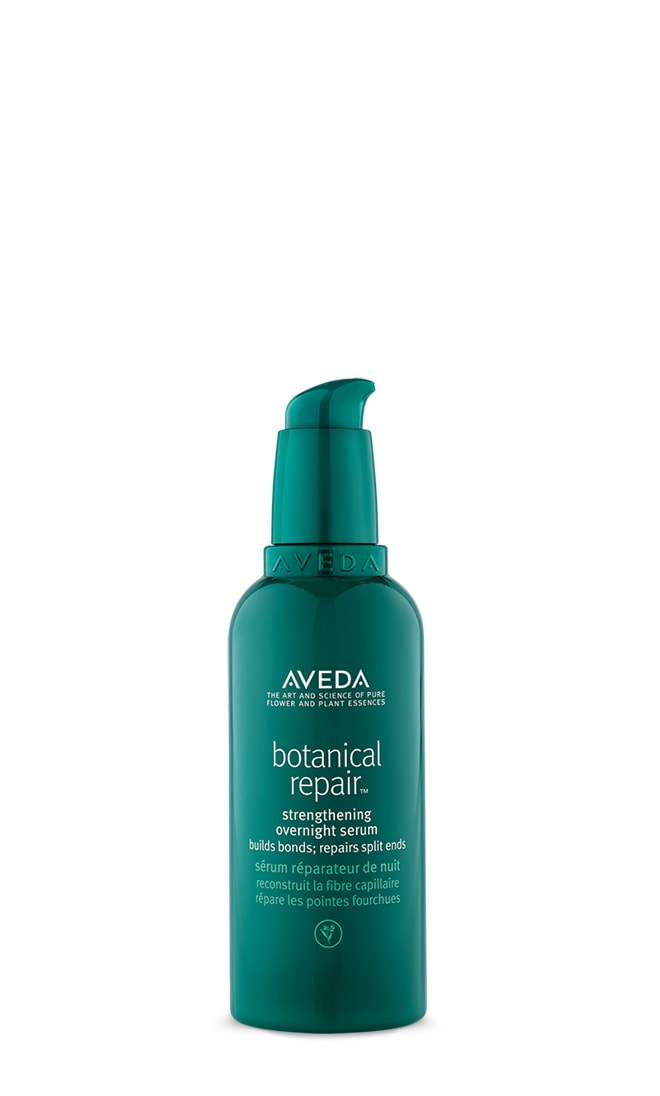
botanical repair™
Botanical Repair Strengthening Overnight Serum
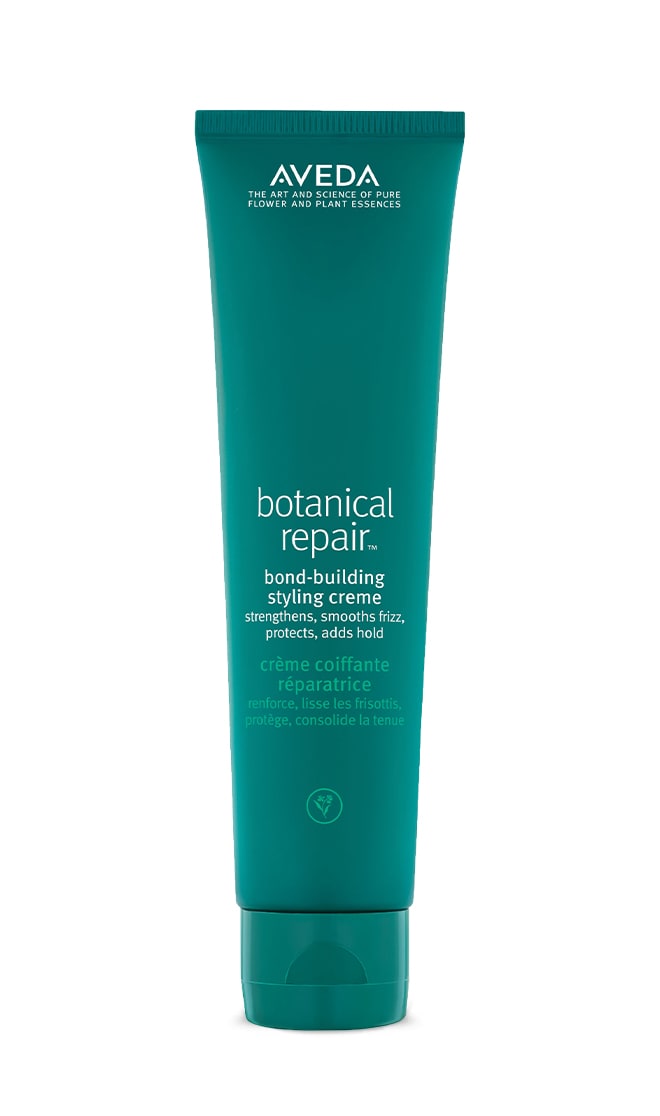
botanical repair™
Botanical Repair Bond Building Styling Creme
Purchases made through these links support Lee Graves Salon through Aveda's A-Commerce program. Prices shown were checked on 2026-08-20; the current price always appears at aveda.com.
Common questions
Can split ends be repaired?
No, and any product promising otherwise is overselling. Once a strand splits, the two halves cannot fuse back together, because hair isn't living tissue. Conditioners, creams, and oils can temporarily glue a split shut so it looks smoother and snags less, but the split is still there and washes back open. The only true fix is cutting above the split. Everything else is prevention.
How often should I trim my hair to prevent split ends?
Every eight to twelve weeks for most people, closer to six to eight if you heat-style daily, lighten your hair, or wear it long. The goal is to remove splits before they travel up the strand. Waiting six months usually means losing more length in one appointment than four small trims would have taken all year. Your stylist can set a cadence based on how fast your ends actually wear.
What is dusting, and does it actually work?
Dusting removes the bare minimum, usually a quarter inch or less, just enough to take off the split tips while keeping your length visually unchanged. It works well as maintenance between real trims, especially if you're growing your hair out. What it can't do is rescue ends that are heavily split or see-through; those need a proper trim to get back to solid hair.
Can I cut split ends off myself at home?
You can, but be careful how. Craft scissors and kitchen shears have dull blades that crush the hair as they cut, creating a ragged edge that splits again faster. If you want to snip the odd split you spot between appointments, use small, sharp shears dedicated to hair and cut a quarter inch above the split, straight across. Leave anything more than spot-fixing to your stylist.
Do split ends stop hair from growing?
Not at the root, because hair grows from the scalp at the same rate no matter what your ends are doing. But splits travel upward and eventually cause the strand to break off, so damaged hair can break as fast as it grows. That's why hair that never gets trimmed often seems stuck at one length: it isn't failing to grow, it's snapping off at the bottom.
Want this dialed in for your hair specifically?
Book with us in Plano at (972) 378-0091 and leave with a routine that fits your hair, your schedule and your budget.