Postpartum Hair Loss: Timeline, Causes, and What Helps
Postpartum shedding is normal and almost always temporary. The telogen effluvium timeline, why it happens, what helps, and when to call your doctor.
Reviewed by our stylists · updated 2026-08-21
If you're a few months past delivery and pulling what looks like an alarming amount of hair out of your brush, here's the short version: this is postpartum shedding, which dermatologists call telogen effluvium, and it is temporary. It typically starts around three months after birth, peaks for a couple of months, and resolves on its own by around the one-year mark. You are not going bald, and nothing you did caused it.
We see this at the chair constantly, and the two things new moms need most are an honest timeline and a routine that works with the regrowth instead of against it. Here's both.
Why It Happens
Every hair on your head cycles independently: it grows for years, rests for about three months, then sheds so the follicle can start a new hair. Normally those cycles are staggered, so you lose a little every day and never notice.
Pregnancy changes the schedule. High estrogen holds hairs in the growth phase longer than usual, so far fewer shed, which is why so many women get the thickest, glossiest hair of their lives in the second and third trimesters. You weren't imagining it; you were banking hair.
After delivery, estrogen drops fast, and all those retained hairs move into the resting phase together. Three-ish months later, right on the resting phase's schedule, they release together. That's the shed. You're not losing new ground; you're returning the hair the hormones let you keep, plus normal turnover, all in one dramatic stretch.
The Timeline
Every head runs its own schedule, but the shape is remarkably consistent:
| Months after birth | What's typically happening |
|---|---|
| 0–3 | Hair still feels full, because the retained hairs are resting, not yet releasing |
| 3–6 | The shed. Handfuls in the shower, fuller brushes, temples and hairline look thinner |
| 6–9 | Shedding tapers off; short "baby hair" regrowth appears at the part and hairline |
| 9–12 | Fall-out back to normal; regrowth gaining length; density visibly recovering |
| 12+ | Ongoing shedding at this point is worth a conversation with your doctor |
Breastfeeding and weaning shift the hormones around, so some women see the timeline stretch or the shed arrive in waves. That's still normal territory. The pattern that isn't: shedding that never slows, or loss in patches rather than all over.
What Actually Helps
First, the honest part: nothing in a bottle stops a hormone-driven shed. Anyone promising otherwise is selling to a tired, worried new mom, and we're not doing that. What a good routine can do is real and worth doing: keep the scalp healthy so regrowth comes in strong, avoid losing extra hairs to rough handling, and make the hair you have look fuller while density recovers.
Keep washing, gently
A lot of women start skipping washes because the shower is where the shedding is most visible. Washing isn't causing it; those hairs detached at the follicle weeks ago, and the water is just carrying out the ones that were already loose. Meanwhile, skipped washes let oil and buildup sit on your scalp exactly when you want follicles working in a clean environment. Wash every day or two with something scalp-first and gentle. Invati ultra advanced exfoliating shampoo light clears buildup without stripping, and it's made for exactly this thinner-feeling stage.
Treat your scalp like the skin it is
Regrowth happens at the scalp, so that's where your effort pays off. Once a day, massage a leave-on treatment into your scalp with your fingertips for a minute. Invati ultra advanced revitalizing scalp serum is the one we recommend for this stage, and the minute of massage is a genuinely nice ritual to keep for yourself in a season where you have almost none.
Style for volume, not camouflage
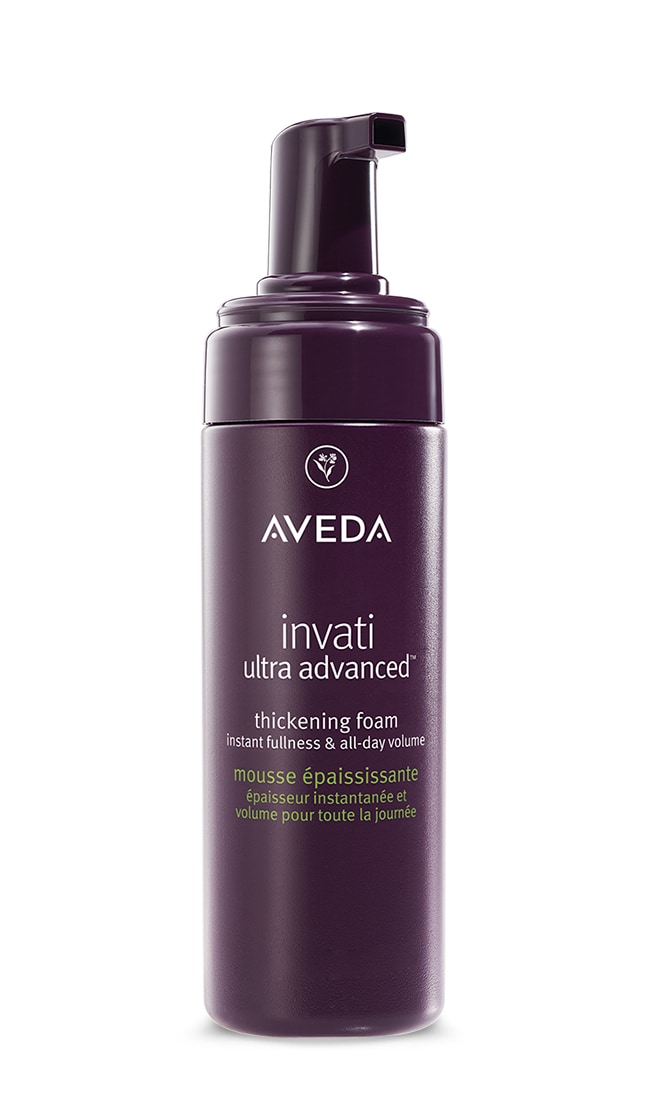
Post-shed hair mostly looks thinner at the roots, so that's where to work. A lightweight volumizer at damp roots before a quick blow-dry changes more than any topper or clever parting. Invati ultra advanced thickening foam lifts the root without stiffness or buildup. Flipping your part to the less-trafficked side buys instant fullness too, and a few soft layers or curtain bangs from your stylist can make the thinner temple area read as intentional.
Protect what's staying
Wet hair stretches and snaps, so detangle with a wide-tooth comb, ends first. Keep ponytails and mom-buns loose, because constant tension on an already-shedding hairline is how temporary thinning turns into slow-to-recover thinning. Sleep with hair down or in a loose braid, keep hot tools on moderate heat, and keep eating like someone recovering from a major physical event, because you are. If your doctor suggested continuing your prenatal vitamin, that counts as hair care too.
The Regrowth Fuzz Stage
Somewhere around month six, you'll notice a halo of short hairs standing straight up at your part and hairline. It looks chaotic. It is also the best news on this page: that's the regrowth, right on schedule.
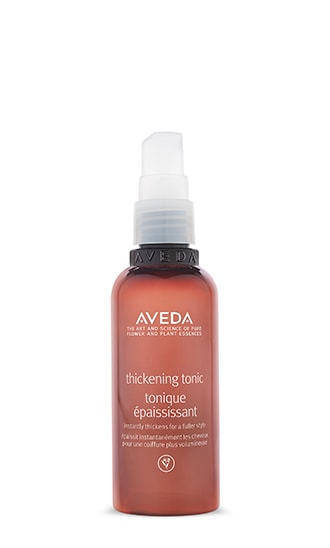
The fuzz can't be flattened away, because it's healthy new hair that simply isn't long enough to lie down yet. The trick is thickening and smoothing it into the style rather than fighting it. A light mist of thickening tonic styling spray on damp hair before you blow-dry plumps each strand and helps the short pieces blend into the rest instead of springing loose by noon.
For day-to-day polish, the same tricks that control flyaways work on regrowth, and our guide to taming flyaways covers the quick fixes. And since your hair is in a be-gentle season anyway, heatless curls are a smart way to get a styled look that bends the fuzz into the shape instead of scorching it.
What Doesn't Help
- Hair-growth supplements: unless your doctor has found an actual deficiency, they don't speed up a hormone-driven shed. Save the money.
- Counting hairs in the drain. The daily audit only feeds the worry. Judge progress month to month, not shower to shower.
- Washing less. The shed hairs come out either way; the buildup stays.
- Tight ponytails, claw-clip twists, and sleek buns: tension along a fragile hairline is the one way to turn temporary loss into lasting damage.
- Panic chops. Cut because you want the cut, not because you're fleeing the shed. That said, a shorter or more layered shape genuinely does make this stage easier to live with.
When to Talk to Your Doctor
Most postpartum shedding needs zero medical attention. See your doctor if the shedding continues heavily past twelve months, if the loss is patchy, meaning distinct circles or clumps rather than overall thinning, or if it comes with other symptoms like exhaustion beyond normal new-parent tired, feeling cold all the time, unexplained weight changes, or a scalp that's red, scaly, or sore. Thyroid trouble and low iron are both common after pregnancy, both can drive hair loss, and both are very treatable once found. If density still bothers you after the postpartum window has clearly closed, our thinning hair guide covers the longer-term approach.
The rest is patience, and you don't have to style this stage alone. Our stylists have walked hundreds of Plano moms through the shed and the fuzz, and a cut built for where your hair is right now makes the whole year easier; come see us whenever you're ready.
What we recommend from Aveda
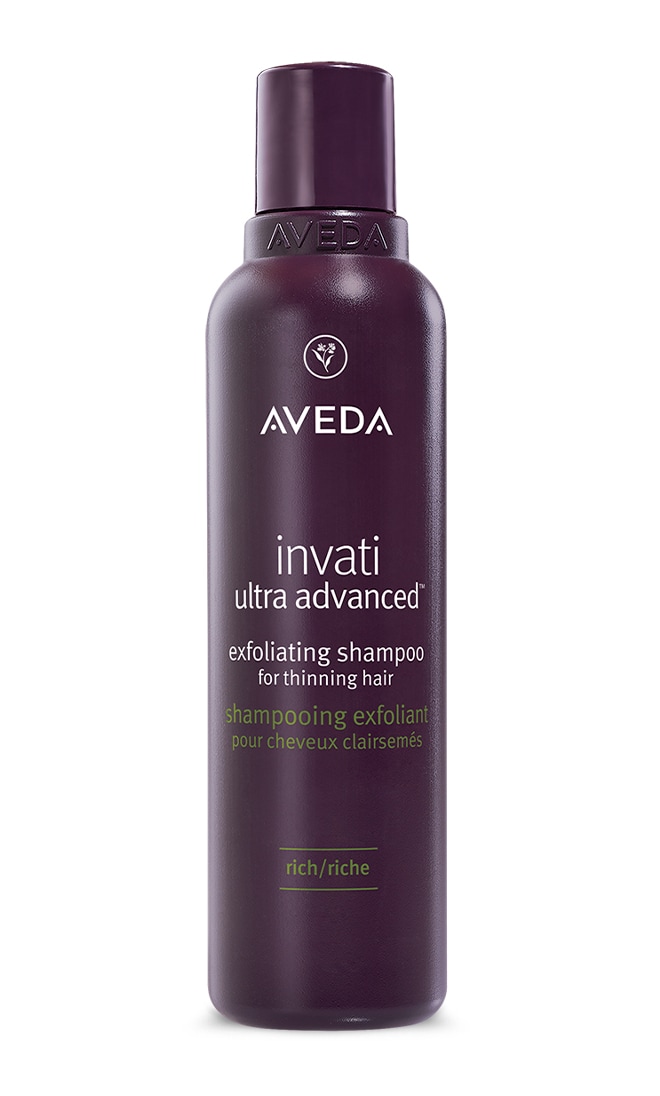
invati
Invati Ultra Advanced Exfoliating Shampoo Rich
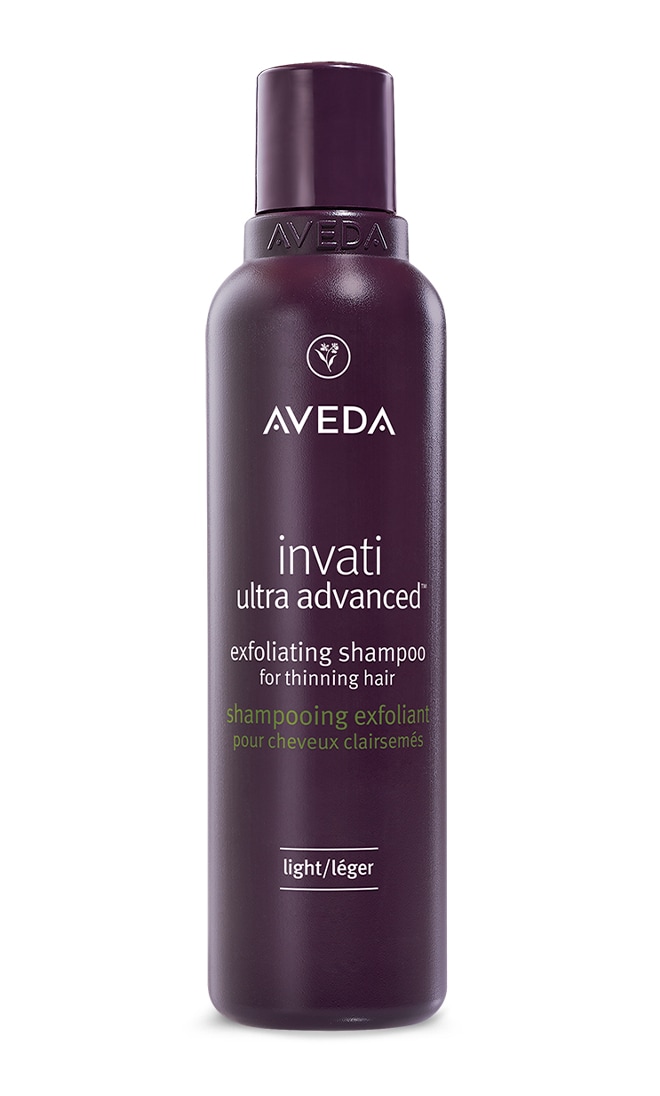
invati
Invati Ultra Advanced Exfoliating Shampoo Light
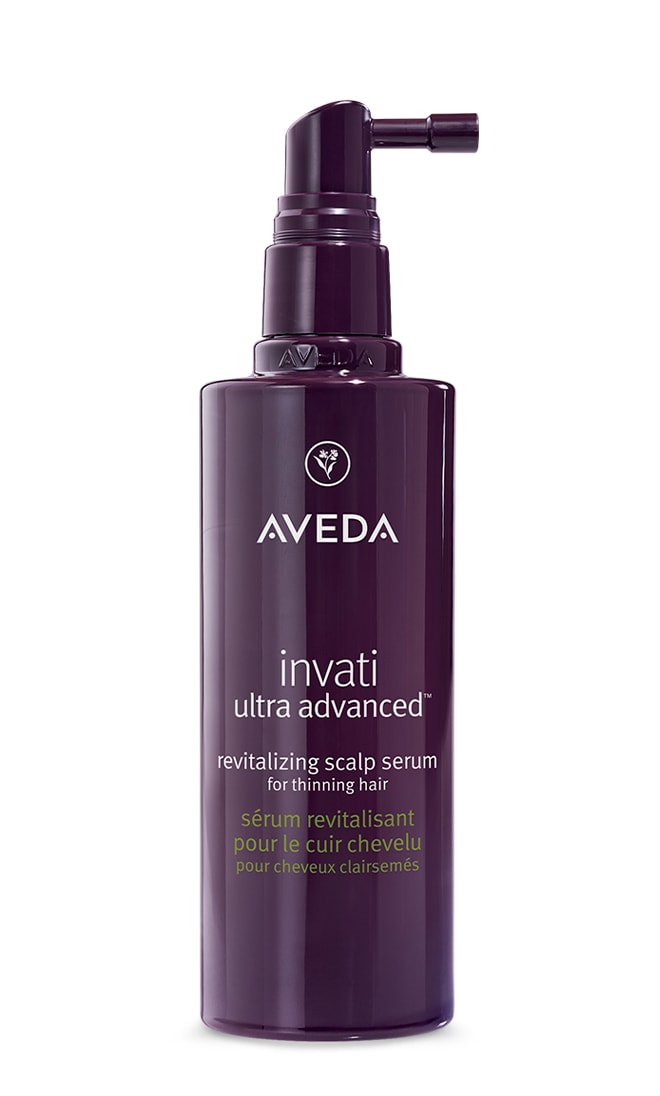
invati
Invati Ultra Advanced Revitalizing Scalp Serum
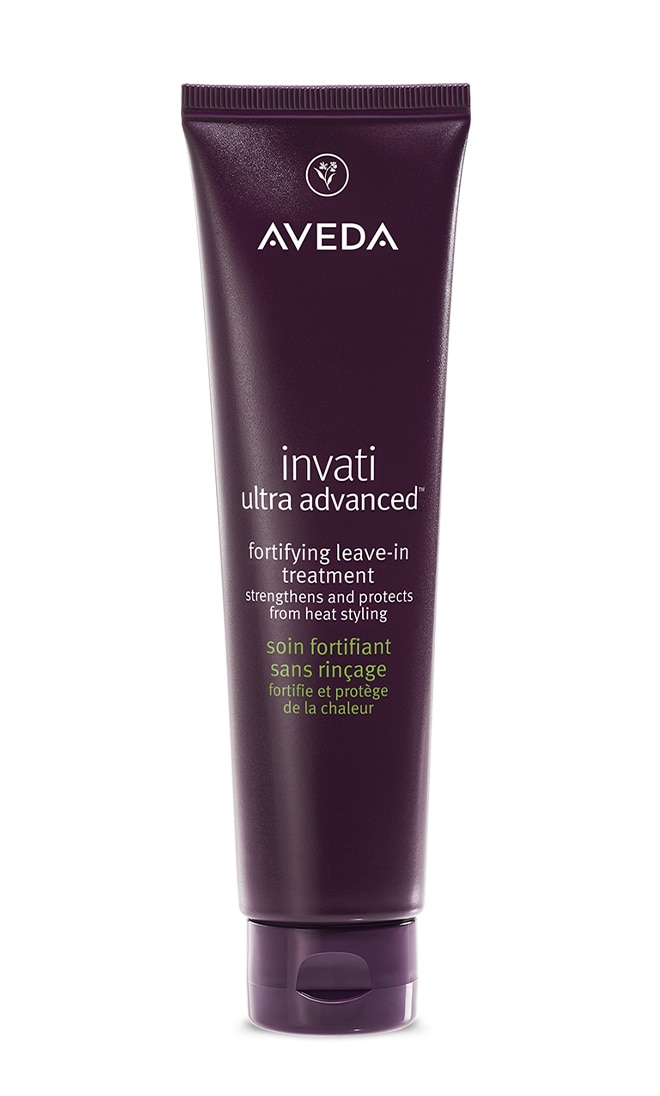
invati
Invati Ultra Advanced Fortifying Leave In Treatment
invati
Invati Ultra Advanced Thickening Foam
invati
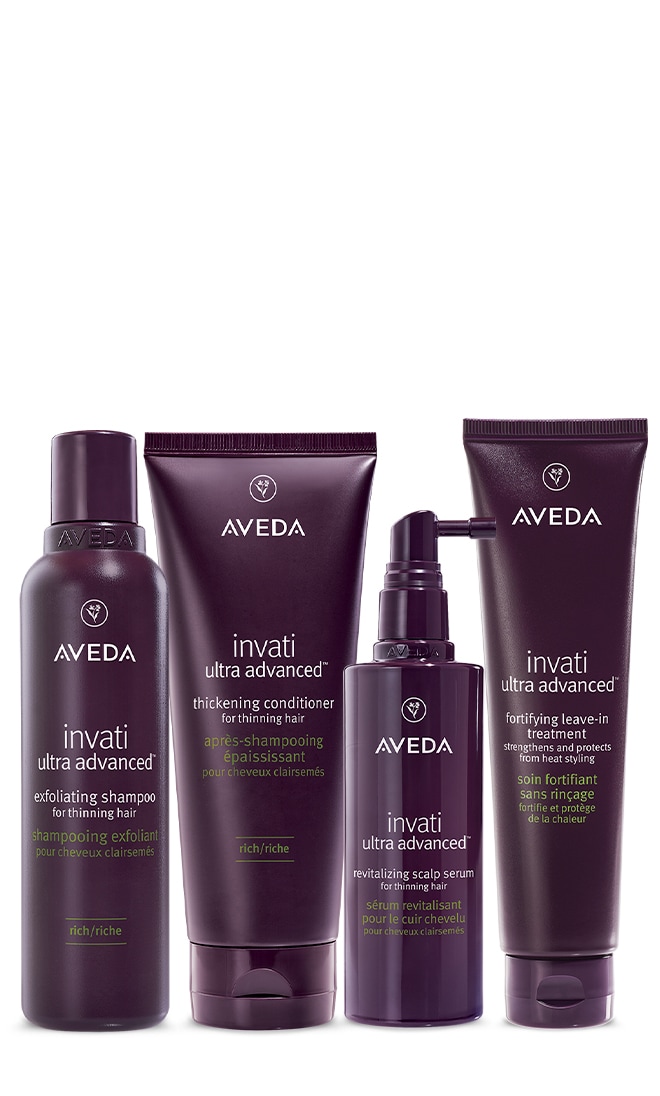
Invati Ultra Advancedtm Rich System for Thinning Hair
invati
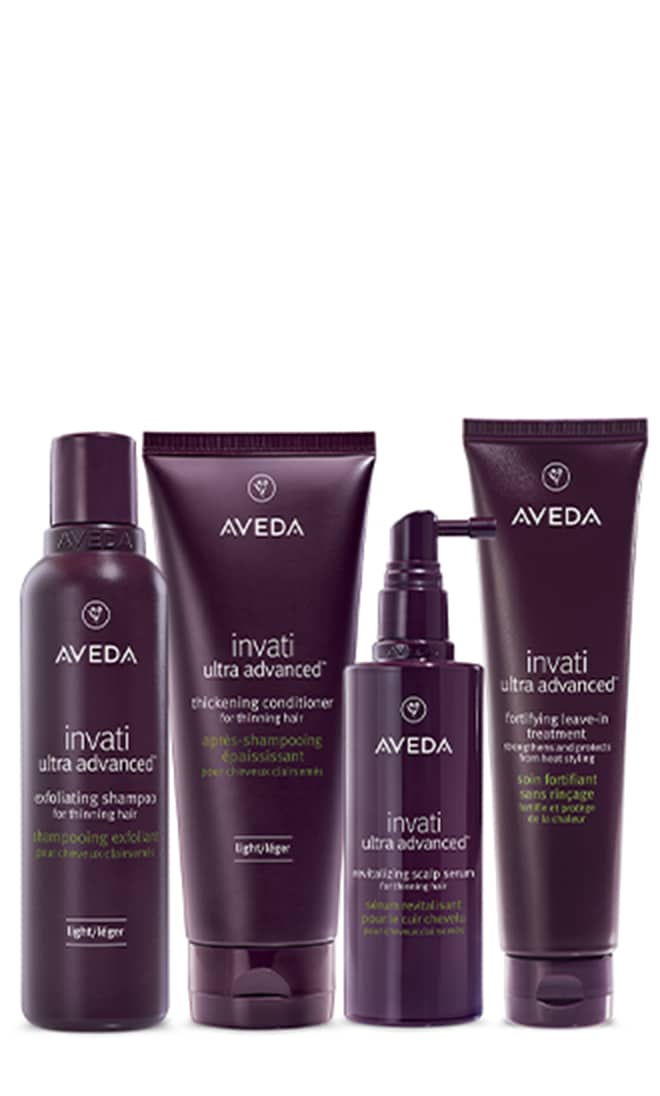
Invati Ultra Advancedtm Light System for Thinning Hair
thickening
Thickening Tonic Styling Spray
Purchases made through these links support Lee Graves Salon through Aveda's A-Commerce program. Prices shown were checked on 2026-08-20; the current price always appears at aveda.com.
Common questions
How long does postpartum hair loss last?
For most women, shedding starts around three months after delivery, peaks for two to three months, then tapers off. By nine to twelve months the fall-out is back to normal and new growth is well underway. Full density takes a little longer to return, because those new hairs have to catch up to the length of everything else. If heavy shedding continues past a year, check in with your doctor.
Why does the shedding start at three months instead of right after birth?
During pregnancy, high estrogen holds your hairs in the growth phase, so you shed very little. After delivery, hormone levels drop and those retained hairs shift into the resting phase together. The resting phase lasts roughly three months before the hair releases, which is why the shed shows up around month three, right when you thought you were in the clear.
Can anything stop postpartum shedding?
No product, supplement, or treatment overrides the hormone shift that triggers it, because the hairs you see in your brush were released weeks earlier at the follicle. What you can do is keep your scalp healthy so regrowth comes in strong, avoid tight styles and rough handling that cost you extra hairs, and style for volume while density recovers. The shed ends on its own schedule.
Is it normal to lose hair in clumps in the shower after having a baby?
Seeing far more hair than usual in the drain and your brush is the classic pattern, and it can genuinely look alarming, because you're releasing months of retained hair on top of normal turnover, all at once. What's not typical is loss in distinct patches or bald circles, or spots with redness, scaling, or pain. Diffuse, all-over shedding is expected; patchy loss deserves a doctor's look.
Will my hairline go back to normal?
Almost always, yes. The temples and hairline tend to shed hardest, which is why so many moms notice a receded look around month four or five. Those same spots are usually the first to sprout regrowth, and the fringe of short hairs standing straight up along your part is the recovery arriving, not more damage. Within a year or so, most hairlines fill back in.
Want this dialed in for your hair specifically?
Book with us in Plano at (972) 378-0091 and leave with a routine that fits your hair, your schedule and your budget.